When considering breast surgery,
the biggest concerns are scars, recovery,
and functional issues.
In particular, areolar incision breast surgery,
which is drawing attention for its advantage
of making scars less noticeable,
is also a method that comes with many questions and misunderstandings.
“Is breastfeeding possible after surgery?”
“Are the scars really not noticeable?”
“What about pain or recovery speed?”
Today, Dr. Oh, who has 30 years of experience,
has gathered the questions that patients
frequently ask in the clinic,
and is sharing the correct information
about areolar incision breast surgery.

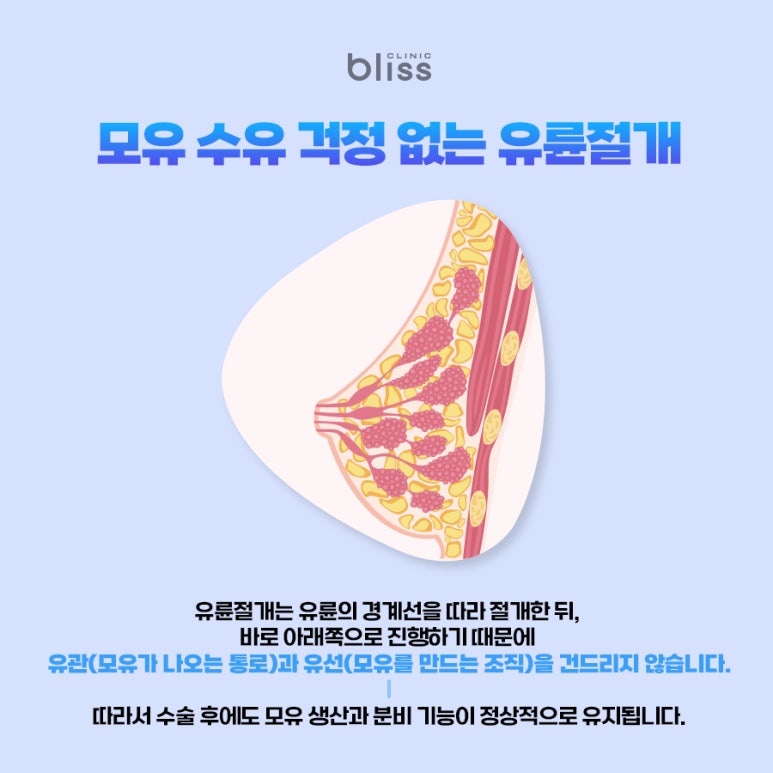
Because areolar incision
requires an anatomical understanding
and delicate technique,
if it is performed by a surgeon with insufficient experience,
unnecessary tissue damage can occur.

- The scar is thinner and shorter
With areolar incision,
the incision range is relatively short,
so the scar itself is smaller
than with other incision methods.
Because the incision is aligned with the circular border,
the scar is less noticeable.
- Easier scar management
Because the location is not conspicuous,
it is easier to manage with scar tape
or ointment treatment,
and recovery tends to be faster as well.
- Actual patient satisfaction
Many patients say that after a few months
following surgery,
"The scar is not very visible," and
"You can't tell unless you look closely."
For this reason, areolar incision
is especially preferred by
patients who are sensitive about scars.

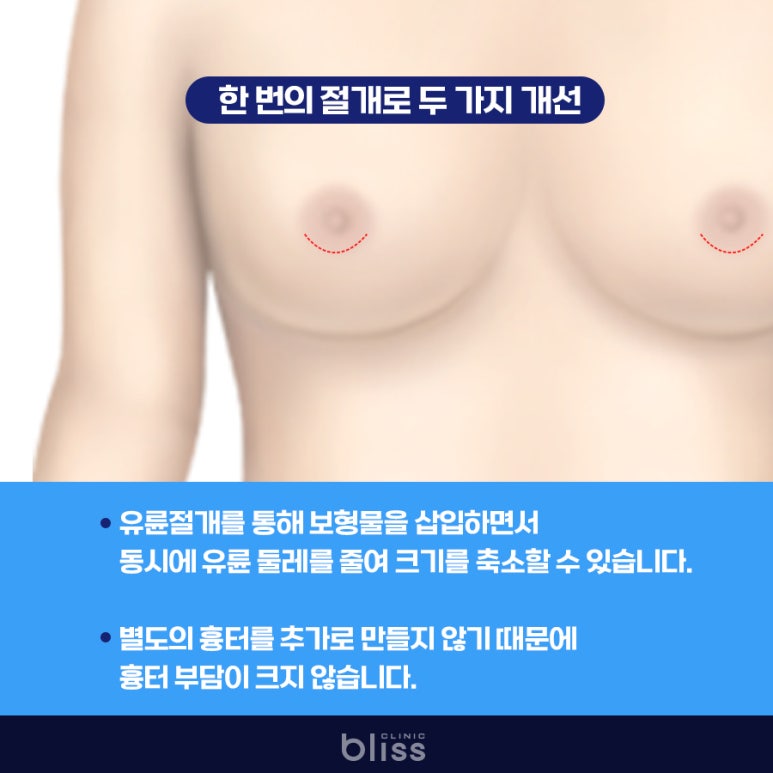
It is not simply that the breast volume
increases,
but because it is adjusted to an areolar size
that matches the body proportion,
the overall breast line becomes
more harmonious and beautiful.
It is especially effective for those who have been concerned
because their areolas are wide or irregular.
Even if areola reduction and implant insertion are
performed at the same time,
the recovery period does not increase significantly,
and if managed well,
the scars also remain inconspicuous.