
Many women feel that their breasts have changed from how they used to look due to childbirth, weight changes,
aging, and other various causes.
Especially after childbirth, it is common for the breasts to lose volume
and start to sag, which can increase concerns about breast shape.
These changes are not simply a matter of size, but can also lead to psychological shrinkage or lowered self-esteem,
so many people consider breast augmentation and lifting
at the same time.
Among these, the periareolar incision method causes less skin damage,
can perform breast augmentation and lifting at the same time,
and allows adjustment of nipple position.
For those who feel that increasing volume alone is not enough to improve shape,
this is a procedure often chosen, so let’s take a closer look.
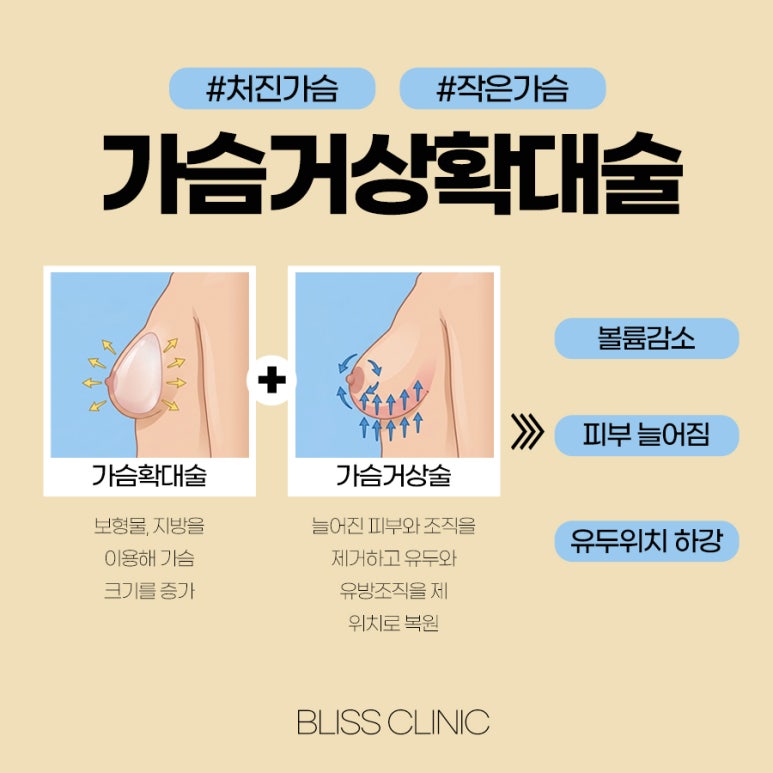
Why breast augmentation and lifting are needed at the same time
For sagging breasts, breast lift surgery is performed,
and for small, low-volume breasts, breast augmentation is performed.
However, many people are afraid of lift surgery, which raises lax breasts,
and try to achieve a lifting effect using implants alone.
Because the causes of volume loss and sagging are completely different problems,
simply inserting implants alone does not improve the shape.
On the contrary, structural imbalance in the breast becomes more noticeable,
and over time the shape is more likely to collapse and appear even more sagging.
If changes such as
volume loss
stretched skin
lowered nipple position
occur, breast augmentation and lifting are needed at the same time.
If your size is not very large, but sagging has caused the upper breast to become completely hollow,
performing breast augmentation and breast lifting at the same time can restore elasticity as well as overall volume,
including the upper breast, allowing for a more effective change.
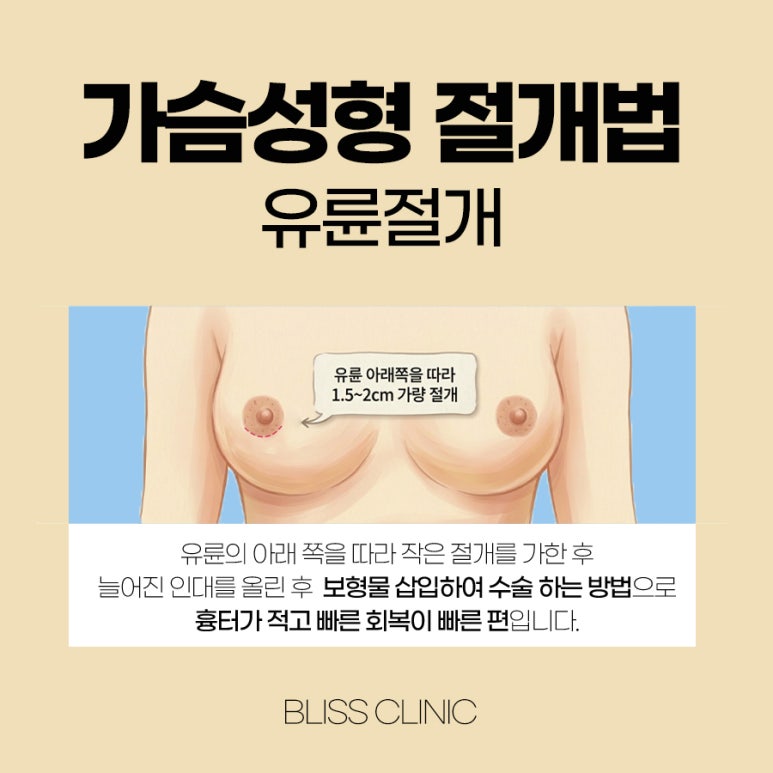
Periareolar incision approach
The periareolar incision method is performed by making an incision along the areola line,
which is the differently colored border around the nipple, allowing direct access to the internal breast structure,
so breast augmentation and lifting can be performed together.
Because the incision site of the periareolar method is close to the center of the breast,
the following surgical approaches are possible.
👉 Securing space for implant insertion
👉 Repositioning stretched breast tissue
👉 Adjusting nipple position
👉 Removing part of the sagging skin
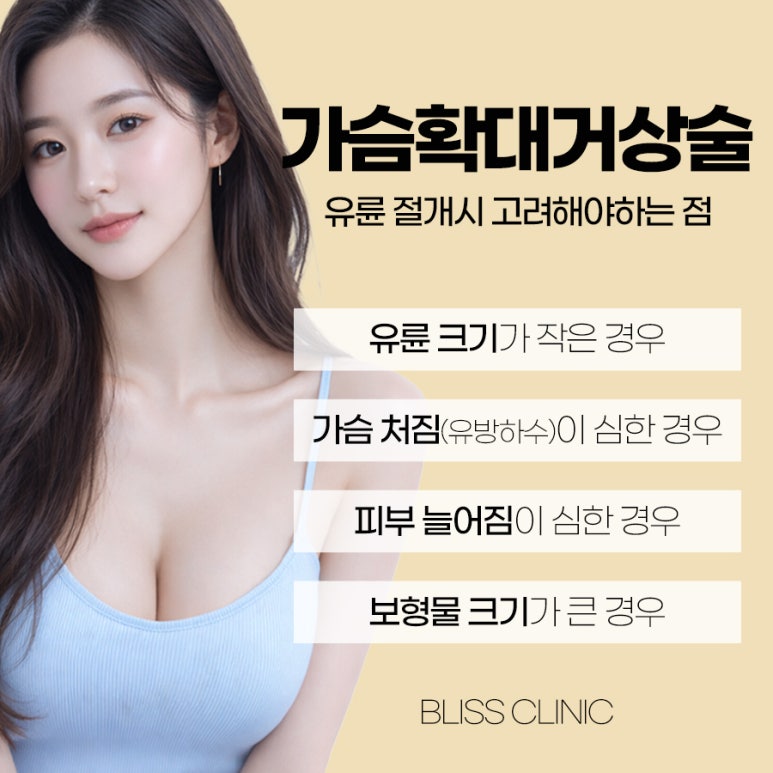
When the periareolar incision is suitable
Not all sagging breasts can be improved with periareolar breast augmentation
or periareolar lifting surgery.
With the periareolar method, it is important to carefully consider the following factors
to determine whether only a breast lift is needed or whether implant insertion should be performed together.
✔️ When breast volume has decreased
✔️ When breast sagging is mild to moderate
✔️ When the nipple position has slightly dropped
✔️ When the breast shape has become spread out
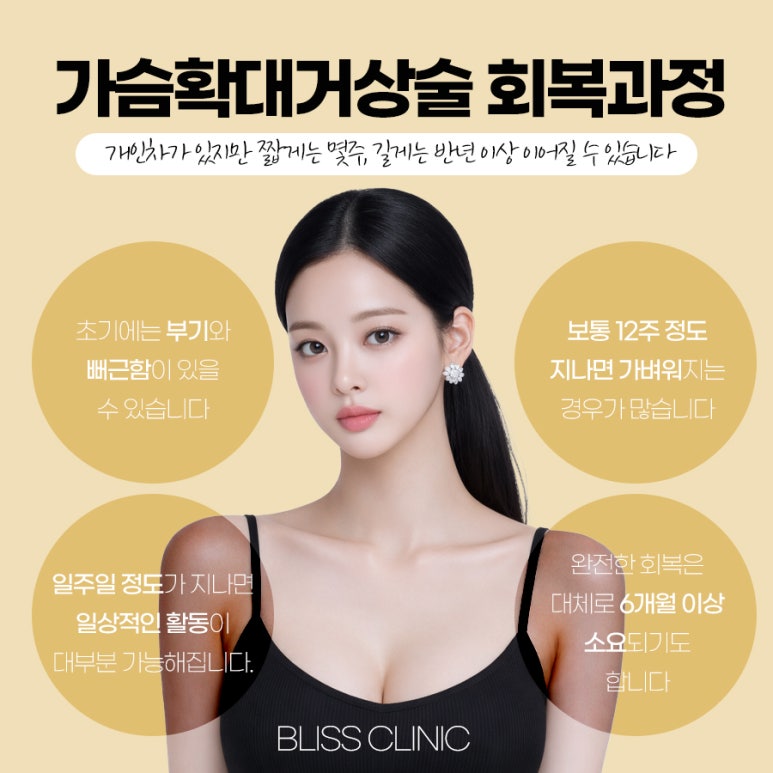
When the periareolar incision is difficult
Because the periareolar incision interferes very little with breast function
and the incision area is small, recovery is relatively fast.
However, if sagging is severe, there is a lot of skin laxity, or a large implant is used,
another incision method may be necessary.
When the areola is small
When breast sagging (ptosis) is severe
When skin laxity is severe
When the implant size is large
It is best to make a decision after thorough consultation,
while comprehensively considering the patient’s anatomical condition, skin elasticity, the position of the glandular tissue,
and the degree of sagging.

Recovery process and pain
If you want improved elasticity and added volume at the same time,
combining breast augmentation and breast lifting can help maintain a more stable and elastic breast shape.
The periareolar method uses the same incision approach for both breast lifting and augmentation,
so you do not need to worry about additional scarring.
📌 Immediately after surgery (0–3 days)
Swelling and bruising are most pronounced,
and the area around the nipple and the entire breast may feel hard.
Pain varies by individual, but it can be controlled by taking the prescribed medication
and, if severe, additional pain relievers.
📌 Early recovery (1–2 weeks)
Stitches are removed, and swelling and bruising gradually decrease.
Light daily activities are possible, but exercise and strenuous activity should be avoided.
📌 Mid recovery (3–6 weeks)
This is the period when swelling has largely subsided and the breast shape gradually becomes more natural.
You can wear a regular bra, and after checking with the medical team whether upper-body movement is permitted,
you may resume activity.
📌 Late recovery (2–3 months)
The breast shape and volume stabilize, and most daily activities are possible.
Strenuous activities such as swimming and golf are also possible, and scars gradually fade,
with less noticeable differences in pigmentation.
📌 Long-term recovery (6 months to 1 year)
The final breast shape and nipple position stabilize,
allowing you to enjoy a natural-looking breast shape.
The periareolar method is not suitable in every case.
Therefore, it is important to create a surgical plan after comprehensively considering the degree of breast sagging,
skin condition, nipple position, and other factors.
Since choosing an experienced board-certified plastic surgeon is essential to expecting satisfying results,
it is important to check the expertise and experience of the hospital and medical staff before surgery.
If you want to improve sagging breasts while achieving volume,
you need a customized approach that matches your body type and condition,
so I hope you can regain your confidence at a place that recommends the right surgical direction for you.