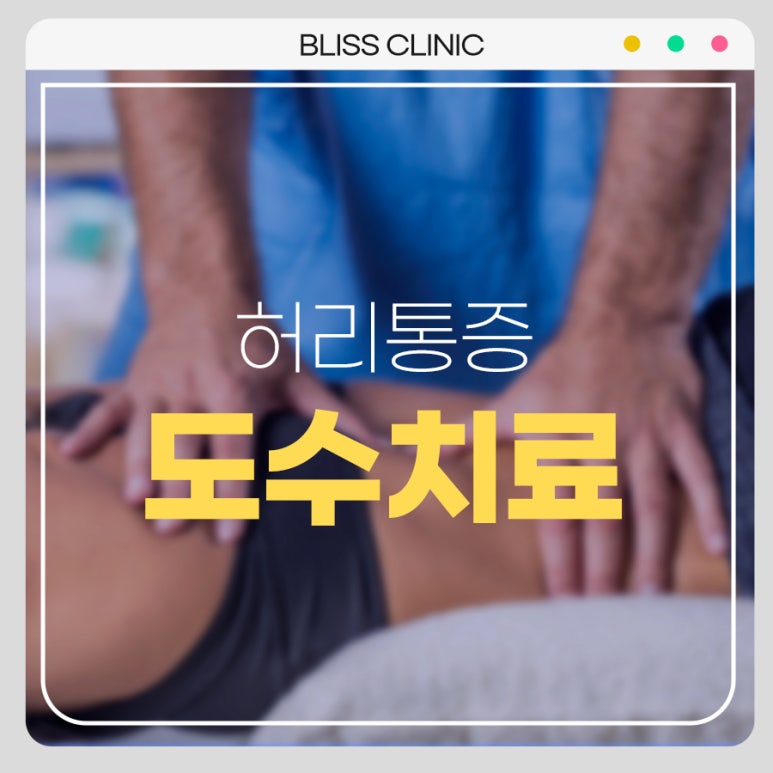
Low back pain may feel as though it appeared suddenly one day,
but in reality, it can be the result of problems that have built up
over a long period of time due to poor daily habits and lack of exercise.
At first, it may not cause much discomfort, but gradually
it disrupts the balance of the surrounding muscles,
and in particular, as deep muscles such as the abdominal muscles and multifidus
weaken, the ability to stably support the spine declines,
causing excessive load to concentrate on specific muscles.
If this state continues,
muscle tension patterns become increasingly fixed,
and joint movement also becomes gradually restricted
and stiffened in limited directions.
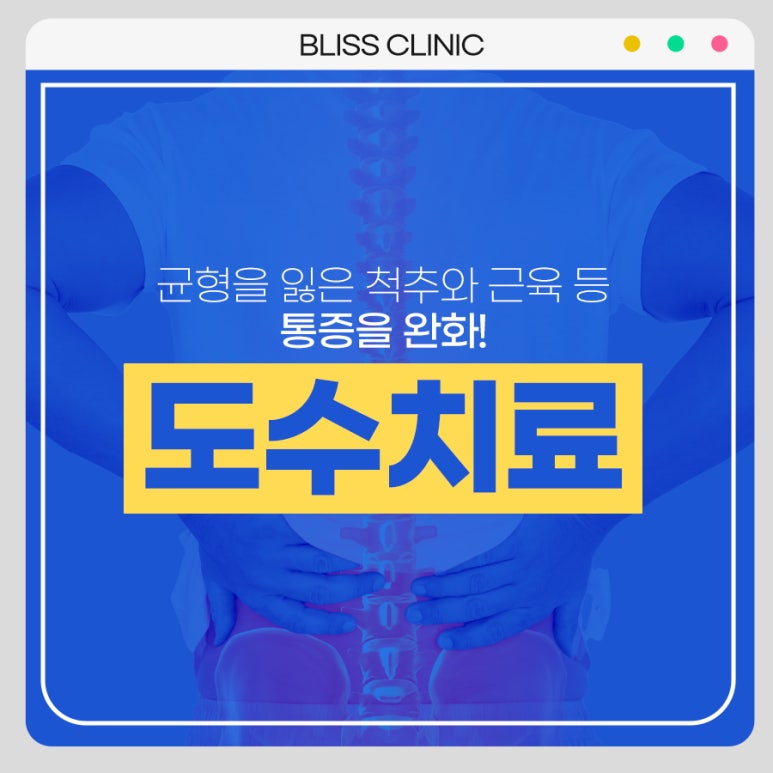
Because these accumulated problems eventually lead to pain,
when low back pain appears, it is important to start
appropriate care as quickly as possible.
At this point, many people think of manual therapy.
In fact, even though it is a widely known treatment method,
there are many cases where people do not feel the change they expected.
After a few sessions, they may feel temporary relief,
but as time passes, the pain returns,
leading them to wonder, “Why does it not work for me?”
There are also many stories from people who spent money and time
but did not get satisfying results.
So I would like to talk about how to increase the effectiveness of
manual therapy for low back pain.
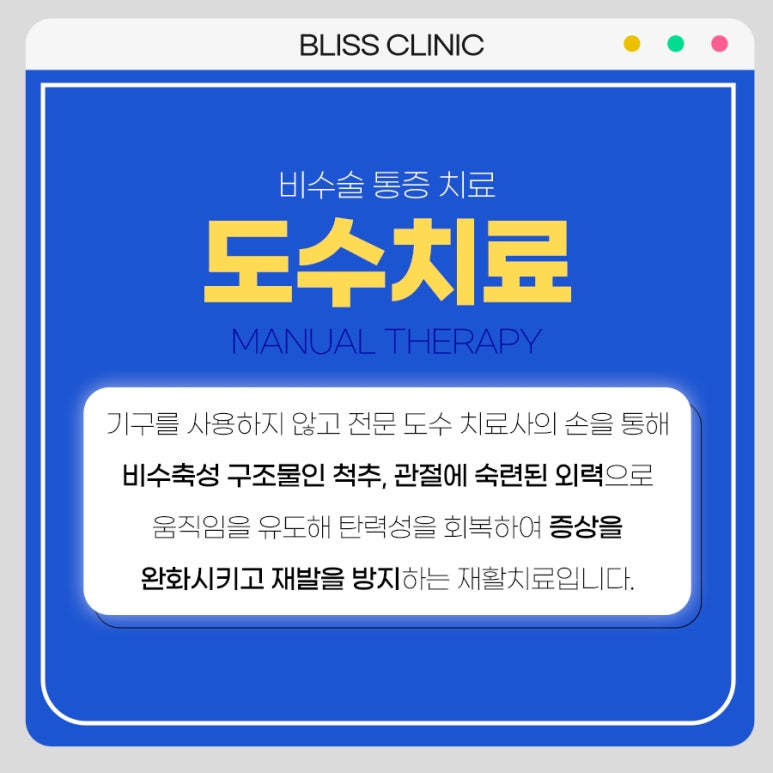
What is manual therapy?
Manual therapy is a treatment method in which a therapist directly
evaluates and corrects joints and muscles using their hands.
It has a major advantage in that it allows 1:1 customized treatment
tailored to the patient’s condition.
Going beyond simply loosening the area where low back pain is present,
it focuses on carefully checking joint movement and restoring
restricted range of motion, so stiff joints can move more smoothly,
and more natural movement can be expected even in daily activities.
Manual therapy is also effective in correcting muscle imbalances
caused by improper use.
It helps restore the body’s overall balance by improving conditions in which
some muscles are excessively tense while others are weakened.
This process is not just about relieving low back pain;
it plays an important role in addressing the structural problems
that cause the pain.
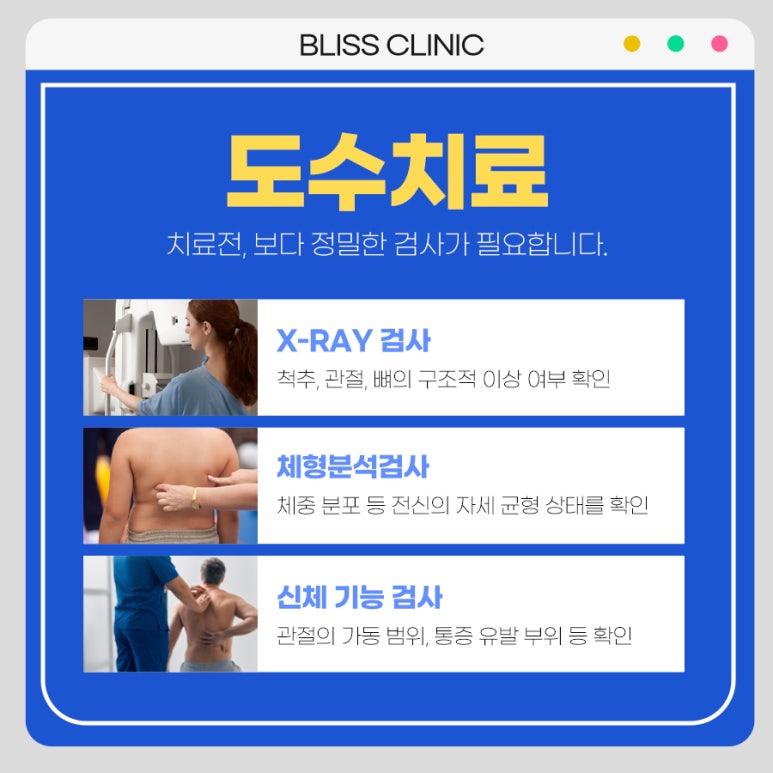
An accurate diagnosis comes first
To increase the effectiveness of manual therapy for low back pain,
it is essential to first look for the reason behind the pain,
rather than focusing only on “where it hurts.”
If treatment is approached based only on the visibly painful area,
temporary relief may be possible, but the underlying cause will not be resolved,
making it likely that the pain will return.
If manual therapy or extracorporeal shock wave therapy is performed without
sufficient examination and testing, there may be more harm than benefit.
Depending on the individual’s condition, manual therapy or shock wave therapy
may not be appropriate, so confirming the exact condition before treatment is important.
In particular, if there is an inflammatory disease or a structural problem,
starting manual therapy immediately without proper diagnosis and preliminary measures
may risk worsening the symptoms.
Therefore, before treatment, the process of accurately identifying the location
and cause of the lesion is essential.
For a more accurate diagnosis, it is important to clearly understand the current state
through a specialist’s evaluation based on tests using medical equipment such as X-ray and ultrasound.
To improve the effectiveness of manual therapy for low back pain,
it is only when the cause of the problem is clearly understood through professional care
and the treatment direction is set accordingly that you can truly expect
the benefits of manual therapy.
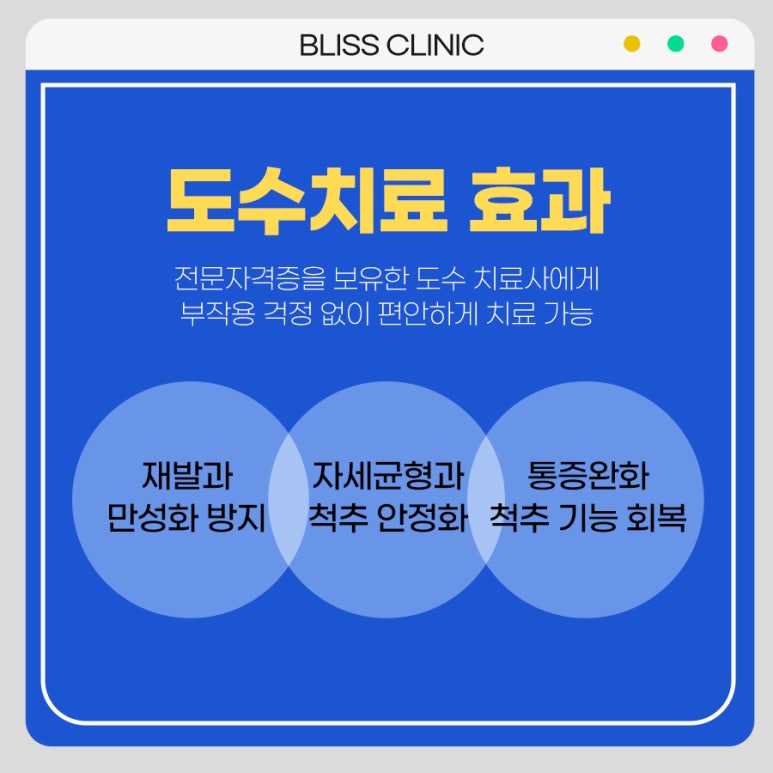
Why the therapist’s skill matters
If you are planning manual therapy for low back pain,
it is necessary to check the therapist’s skill at least once.
Because manual therapy is performed directly by a person, not a machine,
the therapist’s experience, understanding of anatomy,
and the way they approach the treatment can greatly affect the outcome.
Even if it is the same Gangnam manual therapy,
the effect can differ depending on who performs it and how.
In particular, rather than simply following a fixed treatment sequence,
it is important to choose a place that fully evaluates the patient’s current condition
and presents a customized plan.
When treatment is carried out in a direction that properly understands
the cause of the pain and the body’s imbalance,
the effects of manual therapy can also continue more stably.

How many sessions are needed?
Manual therapy for low back pain is not carried out in a fixed number of sessions
or in the exact same way for everyone;
the treatment process is applied differently depending on the individual’s condition
and the cause of the pain.
In the early stage, the focus is generally on gently relaxing muscles and tissues
that are overly tense. This is because the tension that causes pain must be relieved first
for the next stages of treatment to be more effective.
After that, treatment continues in a way that gradually corrects the alignment
of the spine and surrounding structures and improves the quality of movement.
It does not end with simply loosening the body;
it also includes a process of restoring functional movement so the body can move properly.
At each session, the therapist checks the patient’s response,
and adjusts the treatment goals and approach little by little
depending on changes in condition.
In this way, manual therapy is often not a treatment that ends after one or two sessions,
but rather one that is carried out step by step over a certain period of time.
On average, it is recommended to continue consistently at a frequency of about
once or twice a week for at least 4 to 6 weeks.
Because muscle and joint changes need enough time to settle stably,
and because recurrence can also be reduced, it is important to consider both
the number of sessions and the treatment period together.
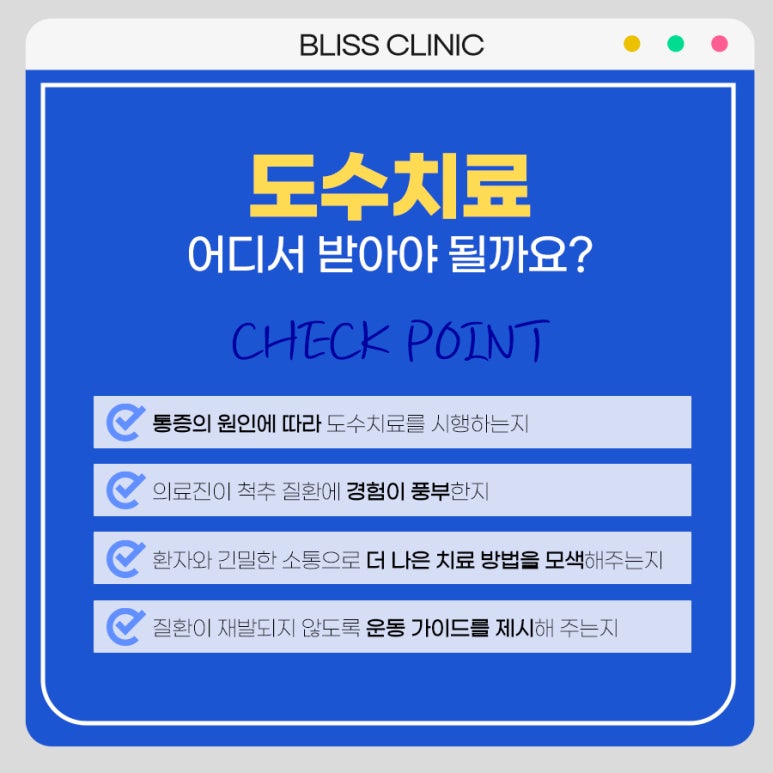
Things to consider when choosing a clinic
To properly expect the benefits of manual therapy for low back pain,
the clinic you choose is also a very important factor.
It is necessary not only to receive treatment, but also to look at
what process and standards are used in the treatment.
First, it is worth being cautious about places that push package payments too aggressively
or recommend treatment immediately without sufficient diagnosis.
It is also necessary to be careful when a place makes absolute statements,
such as saying that it will definitely cure the problem.
The direction of treatment should also go beyond focusing only on short-term pain relief;
it should include the process of reducing recurrence and restoring function.
At our clinic, we begin with examinations, sufficiently explain the cause of the pain,
and present a treatment plan that matches it, then also provide exercise education afterward.
This means we help manage and improve low back pain more stably,
rather than limiting care to temporary relief.
We also have a high-end extracorporeal shock wave device from Storz Medical in Switzerland,
which we apply according to the severity of symptoms to provide combined treatment.

Because the course of low back pain varies depending on the individual’s condition and cause,
an approach that encourages overly simple expectations can instead interfere with
the establishment of a realistic treatment plan.
Rather than thinking of low back pain as something to eliminate completely,
it is more realistic to approach it from the perspective of “management.”
Therefore, if you are considering manual therapy to improve low back pain,
please carefully check not only the therapist’s expertise,
but also whether the clinic presents a patient-centered plan.