"I have so many moles on my arms,
I want to remove them all."
Many people tend to think of mole removal procedures as nothing more than a simple cosmetic treatment.
However, just as every person has different fingerprints, each mole differs in many factors such as size, color, border, and depth.
That is why the most important part of mole removal is an accurate diagnosis.
Even if they all look like similar black spots at first glance, some moles can be removed safely with a laser without any special concerns, while others need a more careful examination and a cautious approach.
Today, let’s talk about approaches by mole type, a simple self-check method, and what to consider when undergoing laser mole removal in Jamsil.
Table of contents
Jamsil mole removal
Shouldn’t just any mole be removed?

The most common moles we see are acquired melanocytic nevi, which are moles that naturally appear as we get older.
These moles are usually uniformly colored, such as brown or black, and their borders are fairly distinct.
After diagnosis, these moles are relatively safe to remove with laser treatment, and so on.
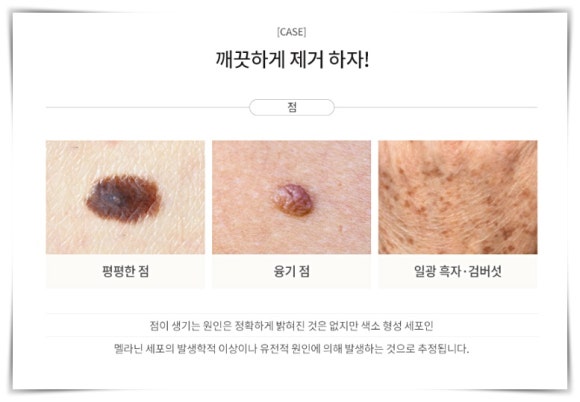
On the other hand, congenital nevi are moles that have been present on the skin since birth, and especially giant congenital nevi that are larger than the size of a palm should be followed up regularly.
Also, moles with mixed colors such as red, blue, or white may raise suspicion of melanoma, a type of skin cancer, so a more detailed diagnosis may be necessary.
Since not every mole can or should be removed, it is better to choose a clinic that takes enough time to observe the skin before mole removal in order to identify this accurately.
Jamsil mole removal
Simple self-check method
The "ABCDE rule" is often used as a simple way to judge the condition of a mole.
First, A stands for Asymmetry. If the two sides look different when the mole is divided in half, it is a good idea to look at it carefully.
B stands for Border, and if the edges are uneven or blurred and spreading out, you should be suspicious.
C stands for Color. If multiple colors are mixed in one mole or the color is uneven, it should be observed carefully.
D stands for Diameter, and generally, moles larger than 6 mm require attention.
Lastly, E stands for Evolution. If the shape, color, or size of a mole has changed recently, it is a good idea to receive a medical evaluation of the mole's condition.
Jamsil mole removal
If you are considering laser treatment?
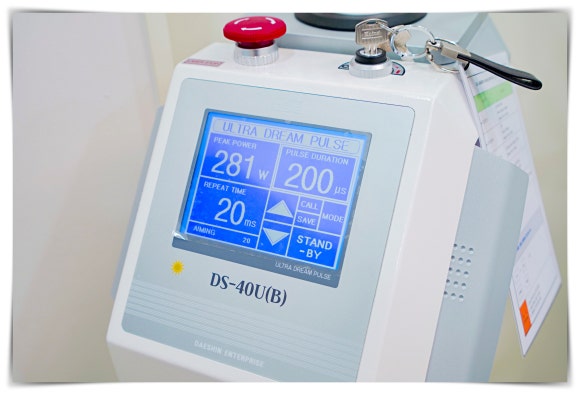
After a thorough consultation with a medical professional about the condition of the mole you want removed, laser treatment can be considered if it is judged to be a mole that can be removed.
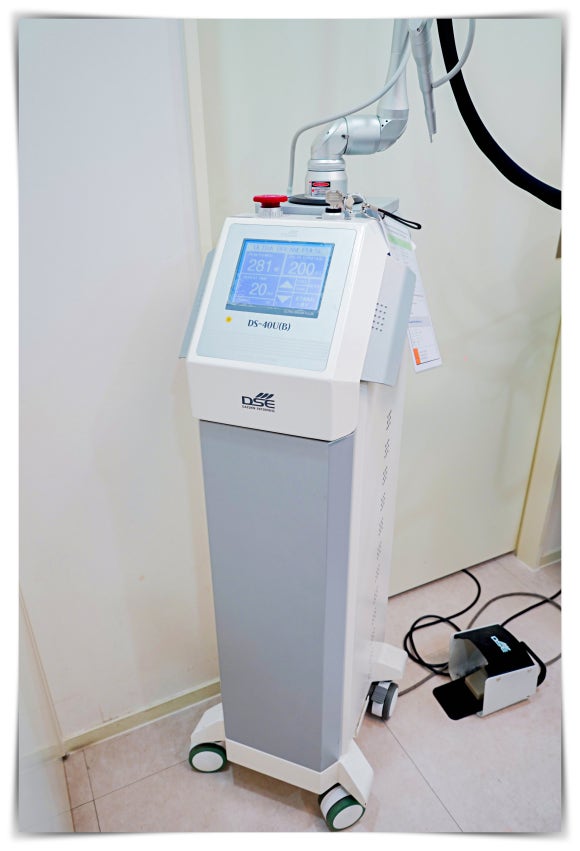
For mole removal, CO2 lasers are commonly used.
When the laser is applied to the mole, water molecules in the skin where the mole is located absorb the laser energy and the skin tissue evaporates.
That is why it is especially effective for removing moles on the skin surface or slightly raised moles.
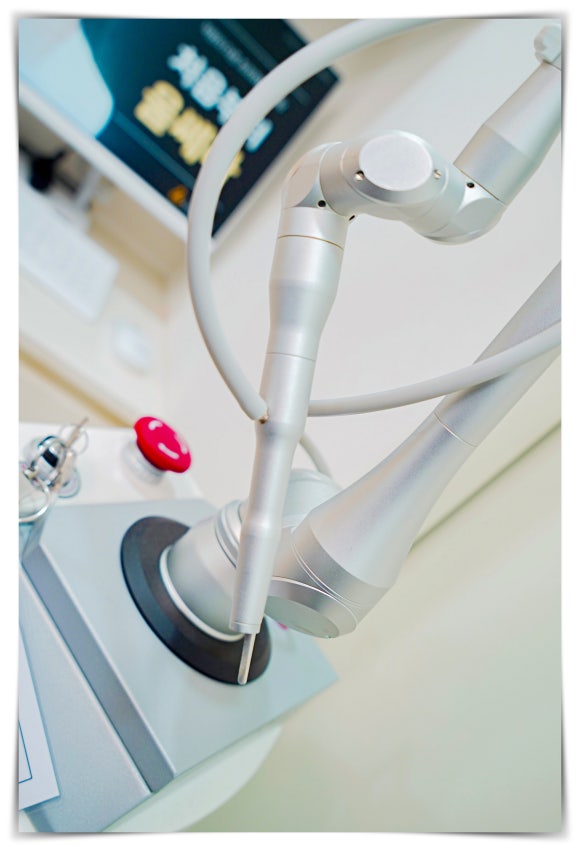
If the treatment depth is too shallow, the mole may recur, and if it is removed too deeply, scars may remain on the skin, so it is better to receive treatment from an experienced medical professional with extensive experience in various mole removal procedures.
In particular, exposed areas such as the face require an even more cautious approach.
Even though Jamsil mole removal laser treatment may seem simple, it is actually a medical procedure that requires careful consideration of many factors.
Above all, an accurate diagnosis of the mole before treatment is most important, and choosing a treatment method that matches each mole’s characteristics and condition leads to better results.
Since removing even one mole is ultimately a matter directly linked to skin health, a thorough diagnosis and cautious approach are necessary.
Rather than a quick and inexpensive procedure, I hope you remember that choosing a safer and more reliable method is the wisest choice.
Thank you. This was UNI Clinic Jamsil^^
< Directions to UNI Clinic Jamsil Branch >