
Are you concerned that your facial line is not as defined as it used to be? In particular, when changes appear in the cheeks or jawline, the overall impression can also look different.
If the cause of these changes is a loss of elasticity, weight loss alone may feel limited, so it can be a good idea to look into other options as well.
Today, I’d like to introduce a type of care that can use two different methods in one device.
From here, I will compare the difference between InMode FX and Forma at Gwanggyo in detail, and summarize the principles, when changes may appear, and the treatment intervals.
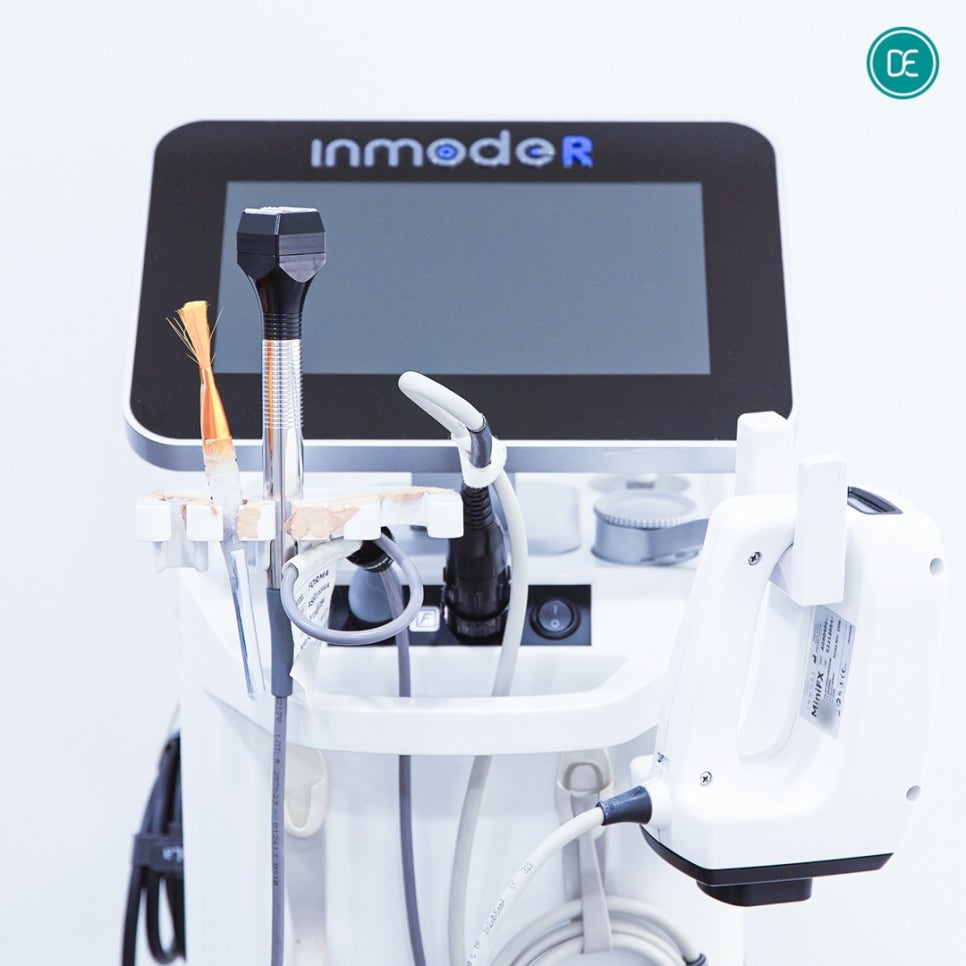
Difference Between InMode FX and Forma at Gwanggyo
Let’s look at the basic principle first
First, let’s look at the basic structure that is commonly applied. This method uses thermal energy to deliver stimulation to the skin. In this process, it can induce collagen formation and lead to improved elasticity.
However, even when using the same heat, the effect differs depending on the depth and method of delivery, so it is best to choose according to your condition and concerns. If you combine both modes together, you may expect a synergistic effect.

Detailed Analysis of the Difference Between InMode FX and Forma at Gwanggyo
Characteristics of FORMA, which works mainly on the surface
First, let’s look at the FORMA method, which is centered on the layer closer to the surface. It is characterized by being performed like massaging the entire face while using heat of about 43 degrees.
As heat is delivered evenly, it helps induce collagen formation and improve skin texture and elasticity. In particular, this care is applied gently, so there is almost no burden in terms of pain.
It also features real-time temperature sensing, allowing the treatment to proceed while maintaining a consistent temperature, and changes often begin to appear gradually after about 2 weeks.
If you continue for 3 sessions or more at one-week intervals, you may expect the effects to last for about 6 months or longer, so please keep this in mind.
*The above may vary depending on the individual.
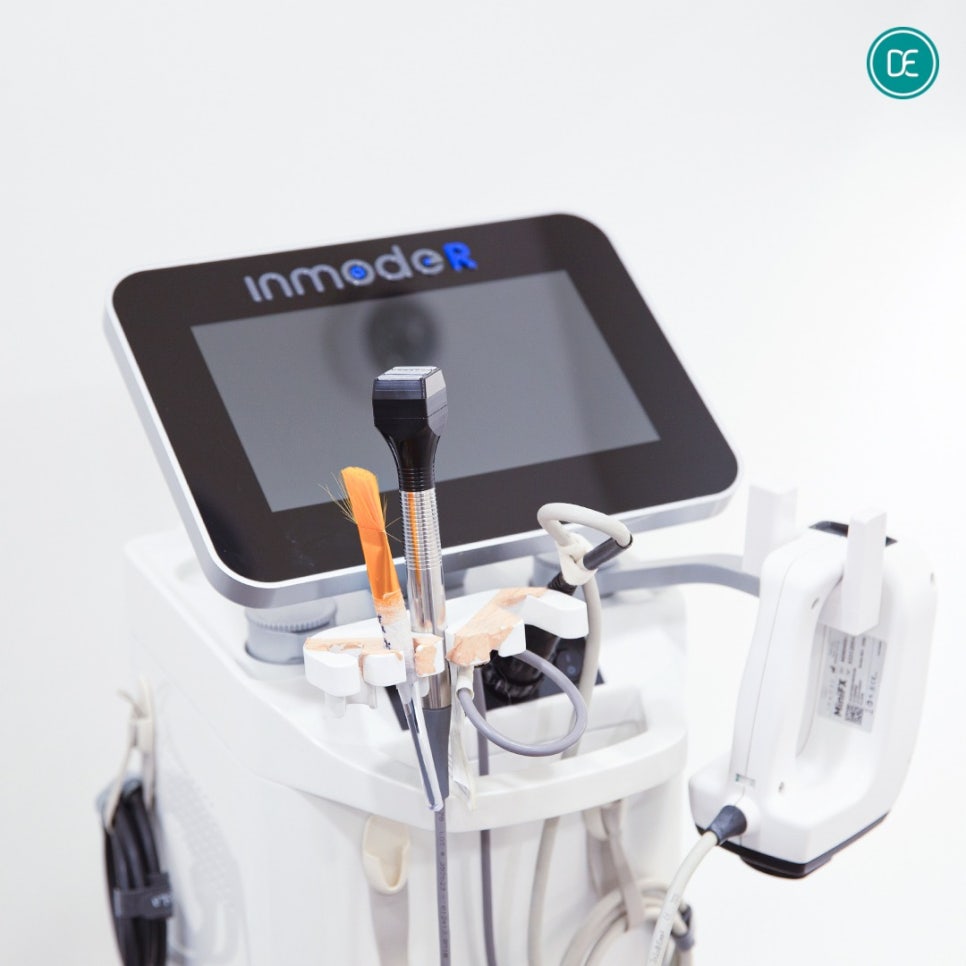
Detailed Analysis of the Difference Between InMode FX and Forma at Gwanggyo
Characteristics of FX, which reaches the fat layer
Next, let’s look at the FX method, which works mainly on the fat layer. This method has a structure that delivers energy to deeper areas by using heat of about 45 to 47 degrees.
In particular, by delivering heat while reaching the layer where fat is accumulated, it has the characteristic of helping reduce unnecessary fat and improve elasticity at the same time.
Therefore, it is often applied to areas where the jawline has become unclear or where fullness is a concern, such as the double chin or buccal fat.
This method also applies real-time temperature sensing, so it is carried out while maintaining a consistent temperature.
The effect period is around 2 to 4 weeks, so you can visually check the effect after about a month, and if it is performed about 3 times at one-month intervals, you can expect it to last about 6 months to 1 year and 6 months.
*This also varies from person to person.
Let’s summarize the differences between the two methods.
FORMA focuses on collagen formation and improving elasticity, while FX is structured to reach deeper layers and consider both fat and elasticity.
There is also a difference in treatment intervals. FORMA can be repeated at one-week intervals when used as a standalone treatment, while FX is structured to be continued with relatively longer intervals.
So, it may be a good idea to refer to this information and choose the care that suits your condition.
Thank you for reading this long post once again.