Hello.
This is S-Leader Dental Hospital ^^

"Is it okay to leave gum pain when wisdom teeth are coming in alone?"
Have you ever felt gum pain as your wisdom teeth started coming in?
A throbbing feeling even when you are doing nothing...
The subtle discomfort you feel every time you chew food is a problem many people have likely experienced.
But many people brush off wisdom tooth pain or try to endure it with painkillers alone.
However, this is not a problem you can simply endure.
So today, we will talk about the overall details related to wisdom teeth and gum pain, as well as how to respond to it.
I think it will be very helpful if you focus for just 3 minutes and read through it.
Why do gums hurt when wisdom teeth come in?
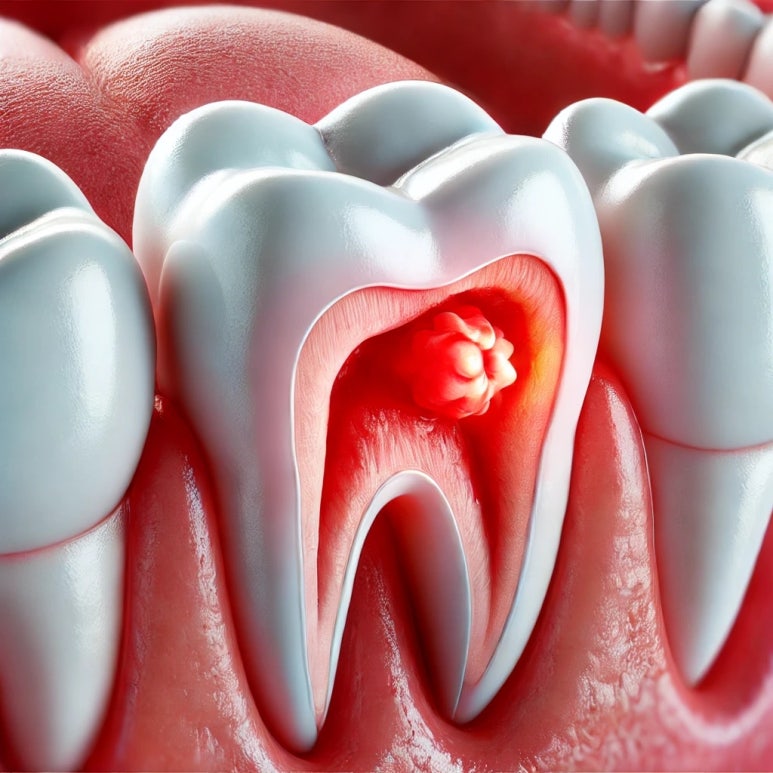
Wisdom teeth are teeth that usually begin to erupt between the ages of 17 and 25, and they are the last teeth to take their place in the mouth.
The problem arises when there is not enough space in the jawbone or when the teeth grow abnormally.
In such cases, they can affect the gums and bone, causing pain.
In particular, problems are more likely to occur when a wisdom tooth is impacted, lying sideways inside the gum, or has only partially erupted.

The main cause of pain is inflammation, which occurs when food debris gets trapped around the wisdom tooth or bacteria multiply, leading to periodontal disease or infection.
When this kind of inflammation occurs, the gums swell and cause pain, and in severe cases there is also a risk that the inflammation will spread to the jawbone.
Also, wisdom teeth can push against nearby teeth or cause cavities, which can affect the entire alignment of the teeth.
Pain,
What happens if you just leave it alone?
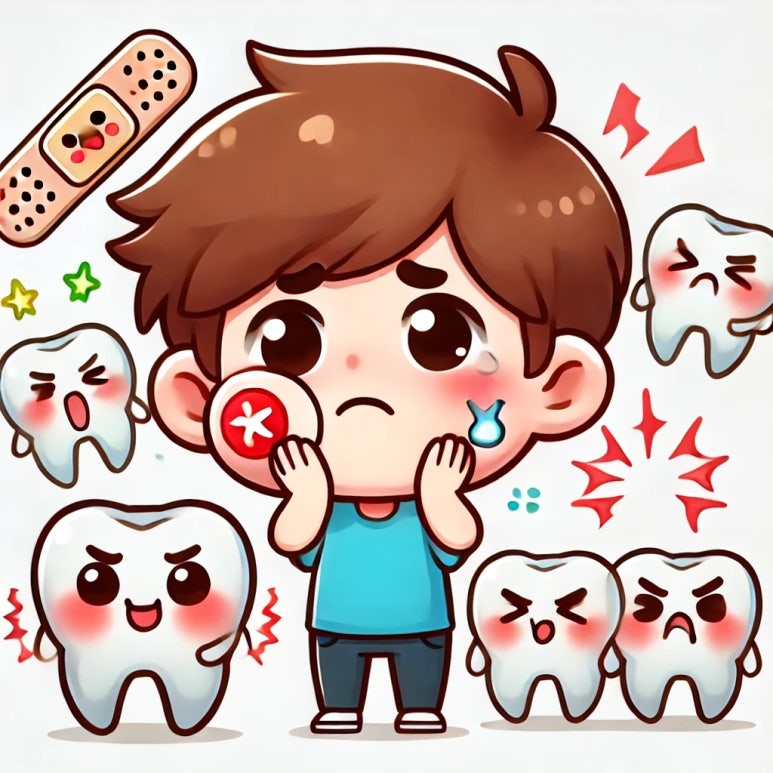
Even when people know that gum pain is related to wisdom teeth, they often postpone a dental visit.
It is common to hope the pain will go away on its own, but pain caused by wisdom teeth can lead to more serious problems over time.
As mentioned earlier, if inflammation around the wisdom tooth worsens, there is a risk that it will spread beyond the gums and into the jawbone.
If left untreated for a long time, it can lead to complications such as osteomyelitis or jawbone damage, so caution is needed.
In addition, wisdom teeth that do not settle into the correct position can push against adjacent teeth or cause cavities, which may require more extensive treatment.
As such, wisdom tooth pain can affect overall oral health, so it should not be overlooked.
When inflammation makes it hard to chew properly, or when the gums swell and bleed frequently, it inevitably disrupts daily life and lowers quality of life.
To prevent these problems, it is important not to simply rely on painkillers, but to identify and address the cause through an accurate diagnosis, right?
Pain,
Don’t endure it any longer—try this instead!
If you start feeling wisdom tooth pain, the first thing you should do is check your oral condition.
If your gums bleed when brushing or your teeth feel sensitive when eating cold foods, you may suspect gum inflammation or cavities.
In such cases, it is important to visit a dental clinic and receive an accurate diagnosis.
This is because a dental clinic can determine, through a specialist’s examination and various diagnostic devices, whether the wisdom tooth is growing properly, how severe the inflammation is, and whether extraction is necessary.

If the wisdom tooth does not bite properly with neighboring teeth or there is not enough space and it causes problems in the surrounding tissue, extraction may need to be considered.
Of course, not every wisdom tooth needs to be removed.
If the wisdom tooth is positioned correctly and is not causing problems, it can be kept healthy through regular care and checkups.
Careful daily oral hygiene is also important to reduce wisdom tooth pain.
Keeping the gums clean and brushing regularly are basic steps, and it is effective to use dental floss or an oral irrigator together so that food does not get trapped around the wisdom tooth.
If the inflammation is severe, it can be managed with medication prescribed by the dental clinic.
After wisdom tooth extraction,
How to care for a faster recovery
If you have a wisdom tooth extracted, post-extraction care is also something you should not overlook.
After extraction, to minimize bleeding and swelling, you should apply cold compresses according to the dentist’s instructions and avoid strenuous physical activity.
In particular, you should be careful when eating so as not to irritate the wound area after extraction.

After the extraction, it is best to avoid foods that are too hot or hard for a while and focus on soft, lukewarm foods.
Also, gently rinsing with a mouthwash or saltwater can help keep the extraction site clean.
However, strong suction can dislodge the blood clot, so you should avoid using a straw.
It is also important to regularly visit the dental clinic to check the recovery of the extraction site and make sure there is no additional inflammation or complications.
Dental problems
The longer you put them off, the greater the regret can be.
Wisdom tooth pain may seem like a simple inconvenience, but if left untreated, it can lead to unexpected problems.
Because wisdom teeth can grow in ways we cannot control, it is important to check and manage them in advance.
The best approach is to check the condition of the wisdom teeth through regular dental exams and take appropriate measures if needed.
In particular, do not forget that pain is a signal sent by our body.
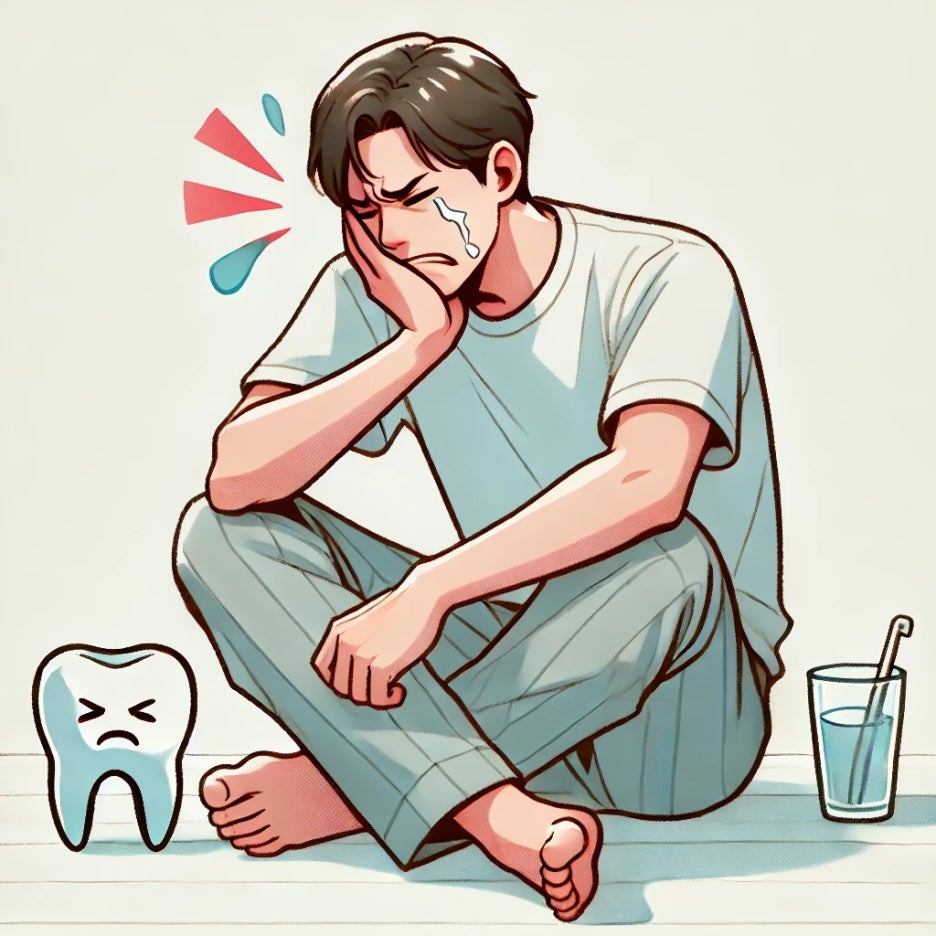
If you respond without ignoring the small pain you feel now, you will be able to maintain a healthier oral condition.
Detecting and resolving problems early is the smartest way to prevent bigger treatments.
I hope those who read today’s post on the S-Leader Dental blog make a wise choice.
Thank you for reading this long post.
If you have any questions, feel free to ask through the TalkTalk link below ^^\n
\n\n\nIs it okay to leave gum pain when wisdom teeth are coming in alone?\nIs it okay to leave gum pain when wisdom teeth are coming in alone?\nIs it okay to leave gum pain when wisdom teeth are coming in alone?\nIs it okay to leave gum pain when wisdom teeth are coming in alone?\n\nReason for taking, relief, pressure, doctor