
"3 Things to Know to Avoid Regretting Your Implant Treatment at Myeonmok-dong Dental Clinic"
Are you perhaps considering implant treatment?
Many people choose implants, but they often still feel concerns about post-treatment care or disappointment with the results.
Implants not only replace teeth, but also play an important role in long-term oral health along with the gums.
So today, for those considering implant treatment at Myeonmok-dong Dental Clinic, I’d like to explain in detail three key points that can help you make a choice without regret.
Before implant treatment, make sure you fully understand your oral condition
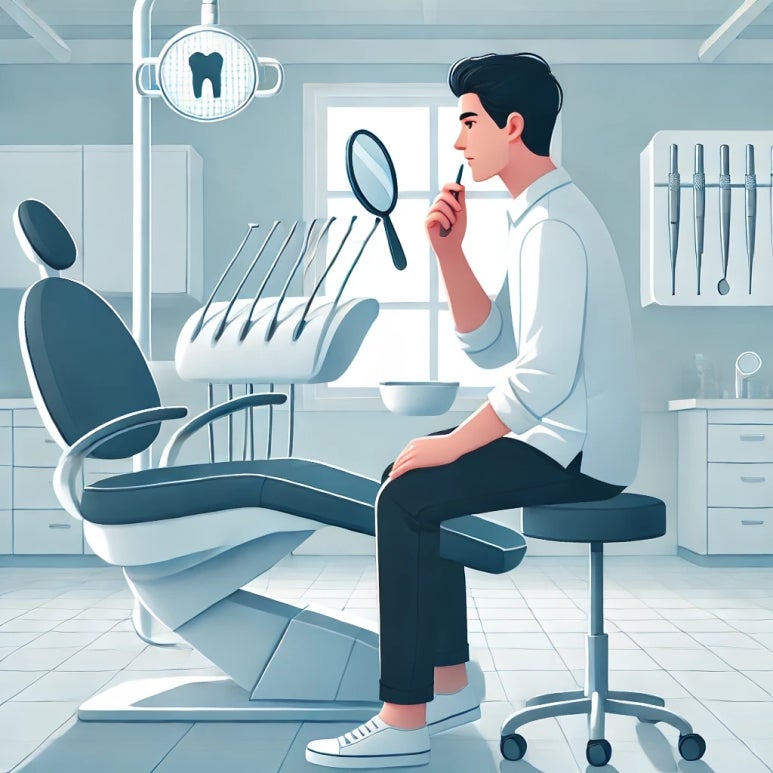
Implant treatment is customized according to the patient’s oral condition.
That is why accurately understanding the condition of your teeth and gums is the first step.
The most important thing for this is getting a precise examination at the dental clinic.
This requires a comprehensive exam that includes the condition of the jawbone and the health of the gums.
For example, if there is insufficient jawbone, bone grafting may be necessary.
In this process, it may take several months until the jawbone is sufficiently regenerated and has enough strength.
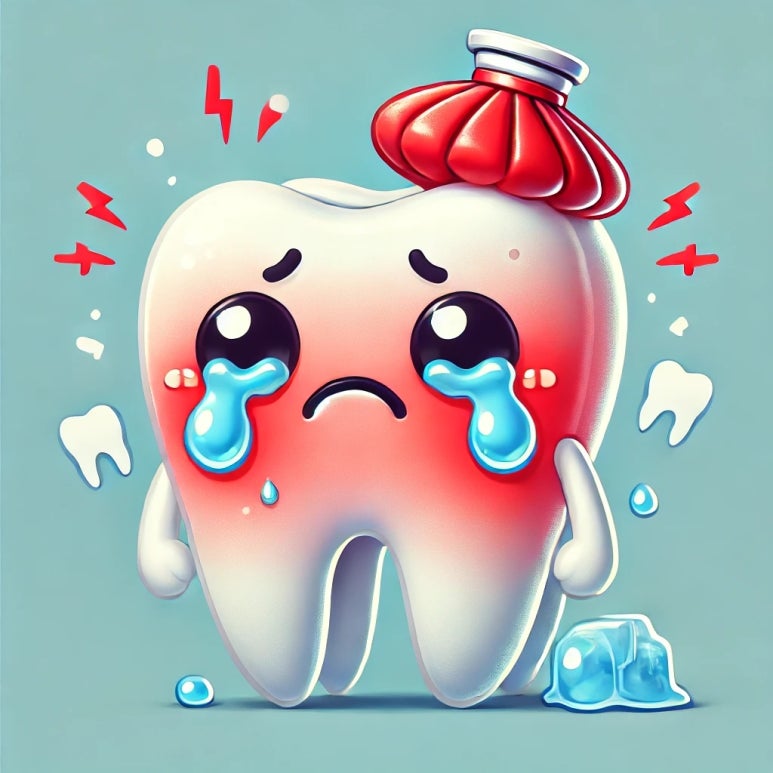
Also, if an implant is placed while there is gum inflammation, the inflammation may worsen, so it is necessary to first stabilize the gums before implant treatment.
If you understand these points in advance, you can reduce unnecessary treatment and create the most appropriate treatment plan.
In particular, checking the roots of the teeth and the condition of the jawbone through radiographic imaging is an essential process for increasing the success rate of implants.
This is because the density and thickness of the jawbone are important factors in helping the implant settle stably.
If the patient fully understands their oral condition, consults with a dental specialist, and decides on the best treatment method, it can be the start of implant treatment without regret.
Carefully check and understand the treatment plan
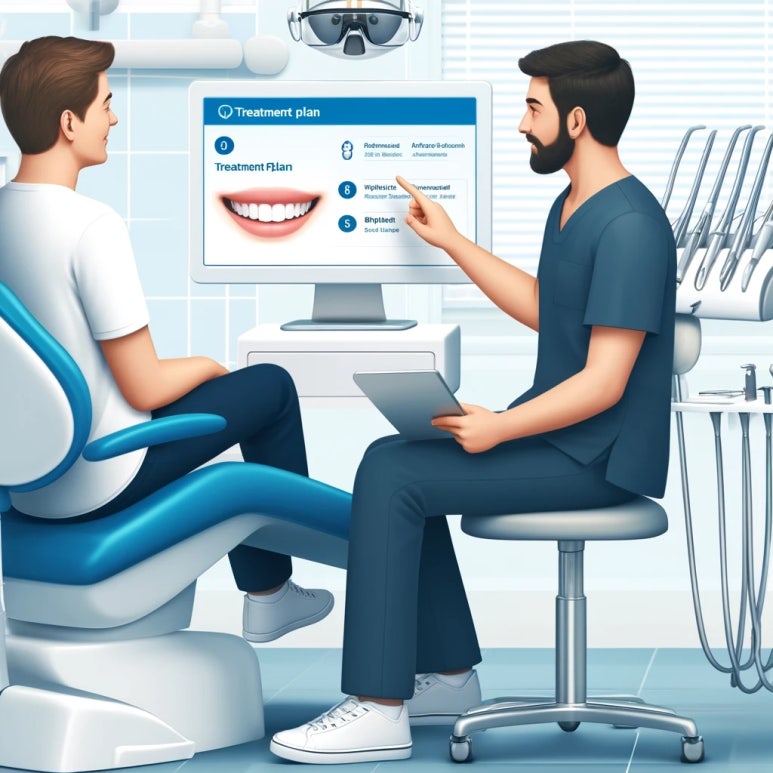
Implant treatment is carried out in multiple stages.
So it is necessary to fully understand how the treatment plan is structured and what results can be expected at each stage.
An implant is not just a simple prosthetic.
It takes time to become stably integrated with the jawbone, and this process usually takes 3 to 6 months or longer.
For example, if the jawbone is weak, additional time may be needed after bone grafting for the gum tissue to stabilize.
Because treatment can take a long time like this, understanding the necessity and purpose of each stage can reduce anxiety and help you accept the results more positively.
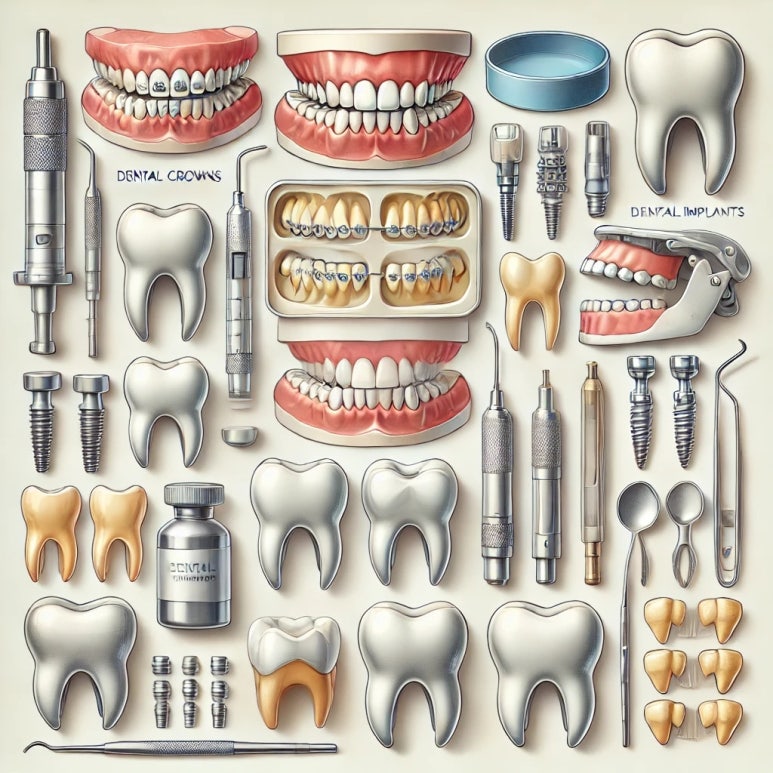
It is also important to ask enough about the materials and methods used.
Discuss thoroughly with the dental clinic what type of implant will be used, the advantages and disadvantages of each material, and the expected cost.
Since implants vary widely in price and quality, you should carefully compare the options offered by the clinic and choose what is right for you.
The treatment plan is an important process for building trust between the patient and the clinic.
The clearer the plan is, the more confidence and satisfaction the patient can feel about the treatment.
In particular, it is important to start with a clear understanding of the expected treatment results and maintenance methods, and in this process the medical staff should also do their best to communicate so that the patient can fully understand.
Do not forget the importance of post-treatment care
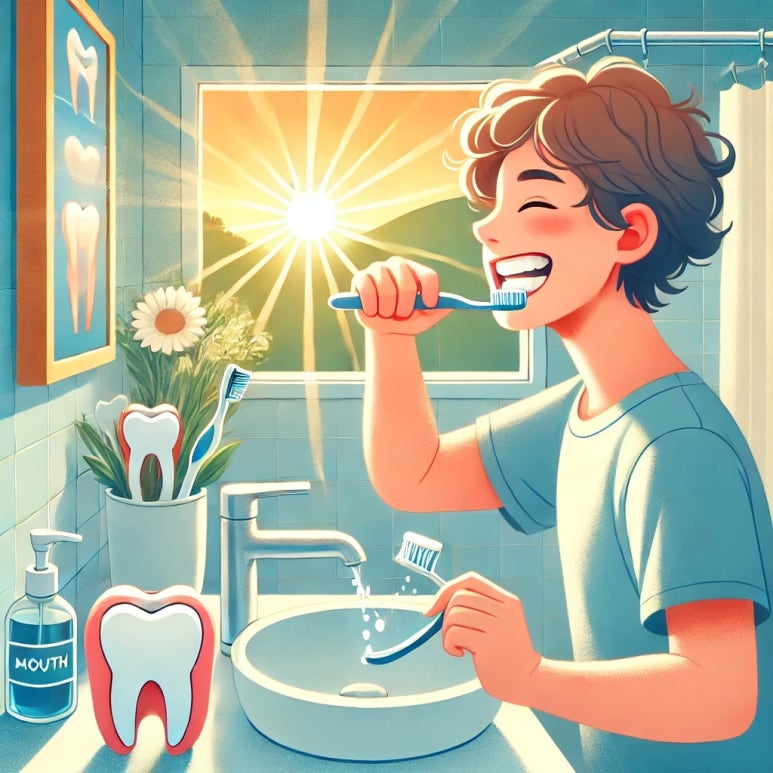
Post-treatment care is the key to success for implants.
Many people think that no care is needed once treatment is finished, but the lifespan of an implant can vary greatly depending on the condition of the surrounding gums and bone health.
That is why care after treatment is essential.
Unlike natural teeth, the area around an implant does not have periodontal ligaments, so bacteria can enter more easily.
As a result, if gum inflammation occurs, the implant’s stability may weaken.

To prevent these problems, regular dental checkups are essential.
At the dental clinic, scaling can remove tartar around the implant, the condition of the gums can be checked, and early signs of inflammation can be detected.
Your daily oral hygiene habits also play an important role.
Proper brushing, flossing, and using an oral irrigator can help keep the area around the implant clean.
In particular, using an implant-specific toothbrush or interdental brush can be helpful.
When these small efforts build up, the treatment results can last longer and dental health may improve.
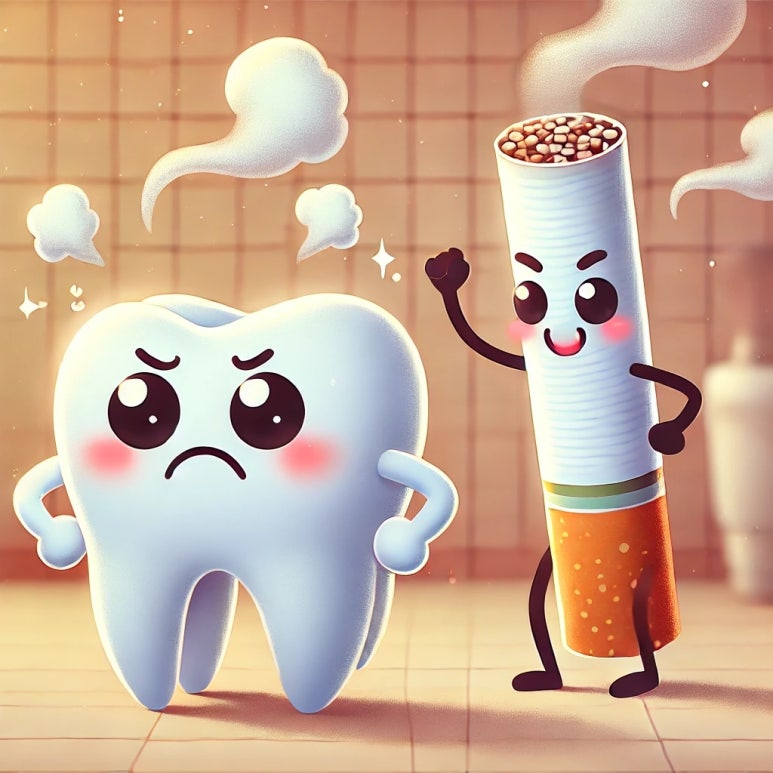
Also, smoking is one of the main reasons implant success rates can decrease.
Smoking interferes with blood circulation in the gums and weakens immunity, increasing the likelihood of inflammation.
If you have had an implant procedure, it is important to practice quitting smoking, right?
Finally, it is necessary to continue communicating with the dental clinic and manage the implant’s condition.
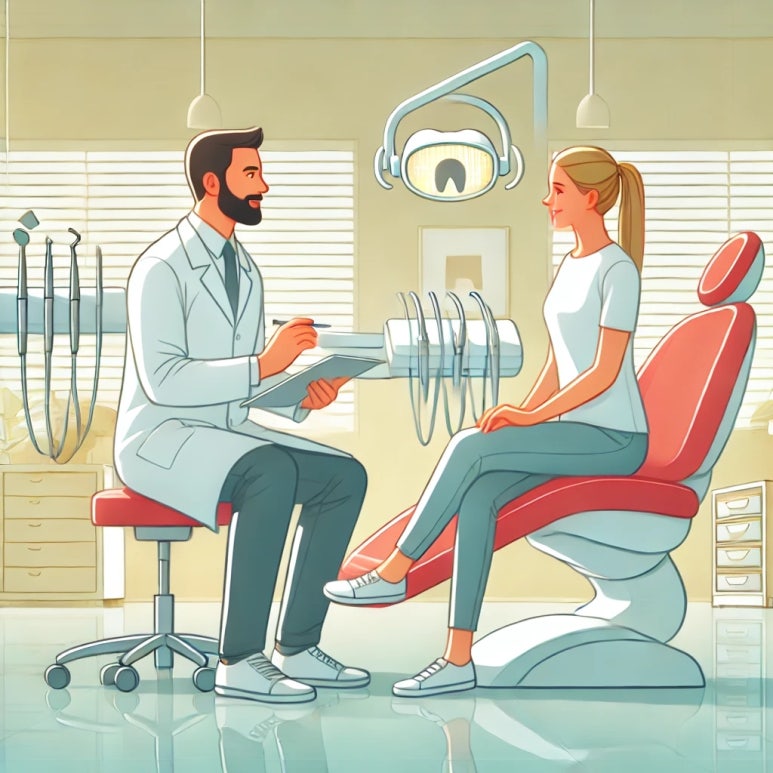
Remember that even these small efforts and this attention can greatly extend the lifespan of an implant!
If you refer to the three main points introduced today, you will be able to achieve more satisfying results at Myeonmok-dong Dental Clinic.
Preparing thoroughly before treatment, understanding it well, and continuing to care for it afterward are the secrets to maintaining healthy teeth and confidence.
We hope you can regain a healthy smile through implants.
Thank you for reading the long post on the S Leader Dental Clinic blog so far.
If you have any further questions, please feel free to ask by clicking Talk Talk below. ^^












3 Things to Know to Avoid Regretting Your Implant Treatment at Myeonmok-dong Dental Clinic
3 Things to Know to Avoid Regretting Your Implant Treatment at Myeonmok-dong Dental Clinic
Situation Treatment All