Hello. I’m Shim Seong-hwan, the chief dentist.
"If you’re considering implants,
what should you look into?"
When you lose a tooth,
discomfort in daily life increases.
The joy of chewing disappears,
and you may even feel
that smiling no longer looks natural.
But
when it comes to deciding on treatment right away,
there are many concerns to think about.
"Is an implant right for me?"
"Are there other options?"
"Why do prices differ from one clinic to another?"
Many questions come to mind.
Deciding on a treatment direction
without understanding the treatment method
can be risky.
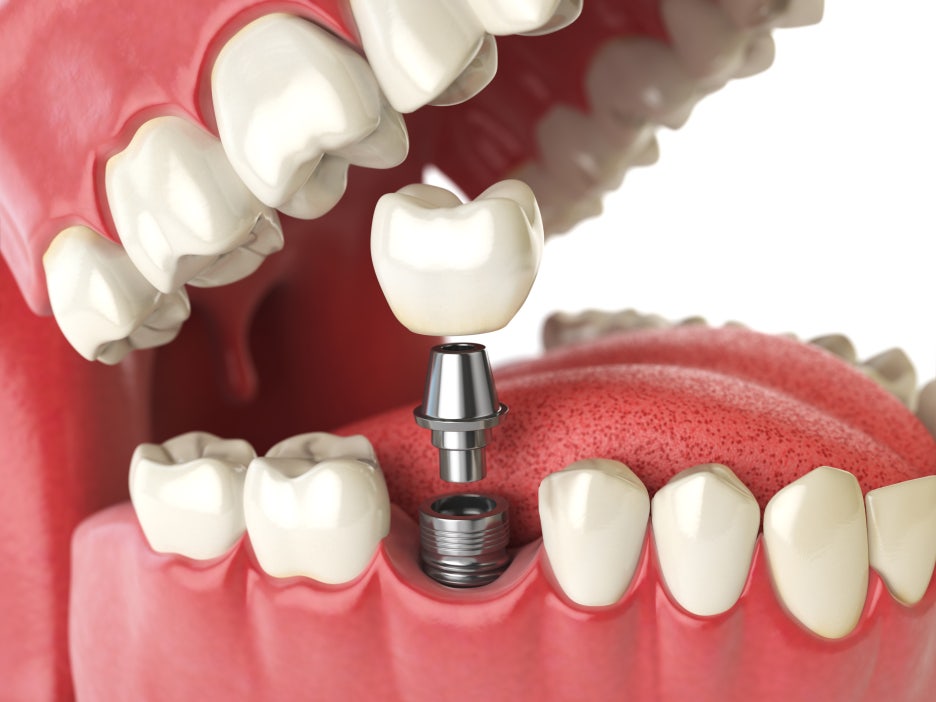
How the implant procedure is carried out,
how it differs from natural teeth,
and what conditions are needed
for long-term maintenance, and more
You need to understand these various aspects.
So today,
I’ll talk about the differences between implants and natural teeth,
why costs vary from clinic to clinic,

and whether everyone can receive implant treatment.
Please focus for just 3 minutes
and make sure you receive implant treatment in the right direction.
Jayang-dong Dental Clinic implants,
how are they different from natural teeth?
Implants are an effective way
to restore tooth function,
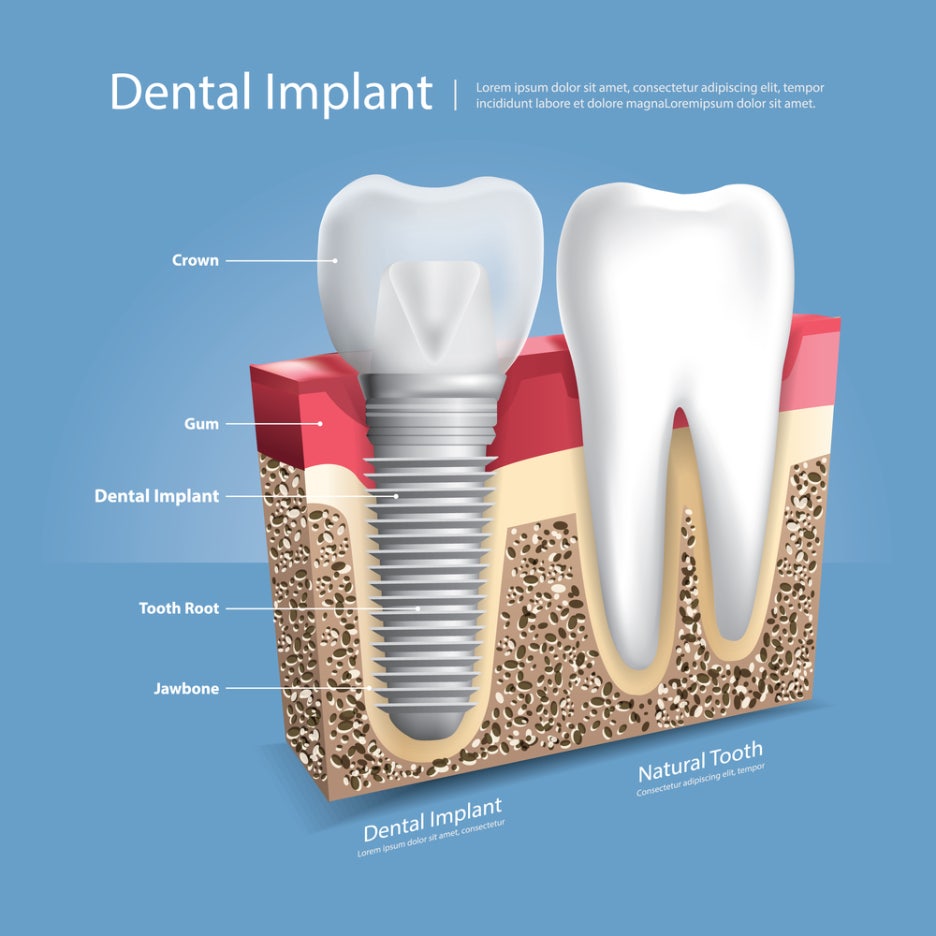
but they are not the same as natural teeth.
Natural teeth have periodontal ligaments,
which absorb impact when chewing
and help control tiny movements.
However,
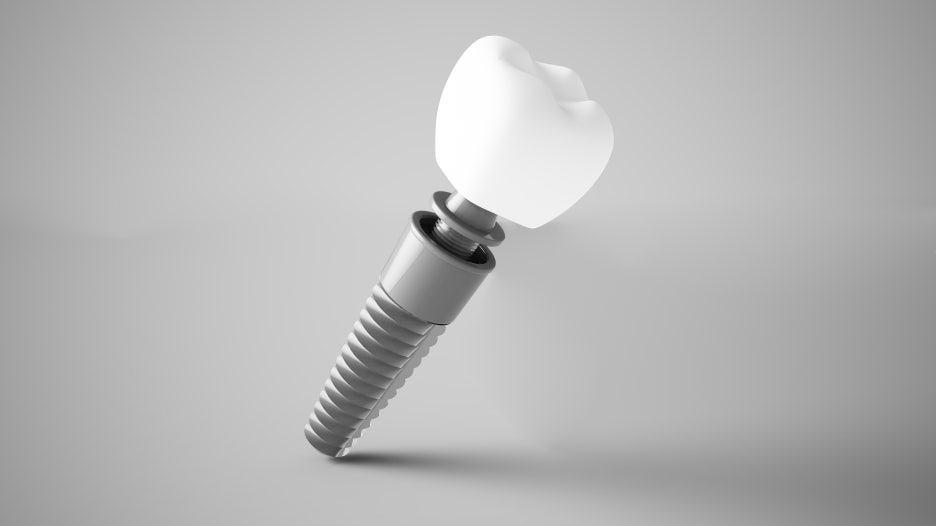
implant titanium artificial roots
are firmly fixed in the bone,
so they do not have these functions.
As a result, they may feel firmer than natural teeth,
but applying excessive force can place stress
on the surrounding tissues.
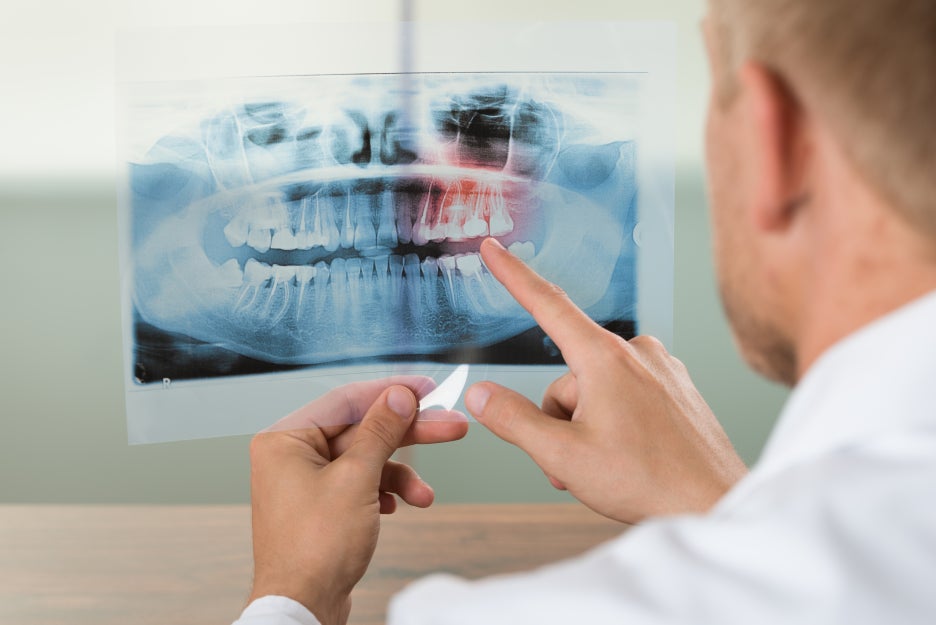
Natural teeth can sense pressure and temperature
through the nerves,
but implants do not have sensation.
When eating hot or cold food,
the response may differ,
and forcing them too hard
can lead to damage.
However, implants do have
the advantage of not developing cavities.
That said, if gum health is not maintained,
peri-implantitis can occur,
so thorough care is necessary.
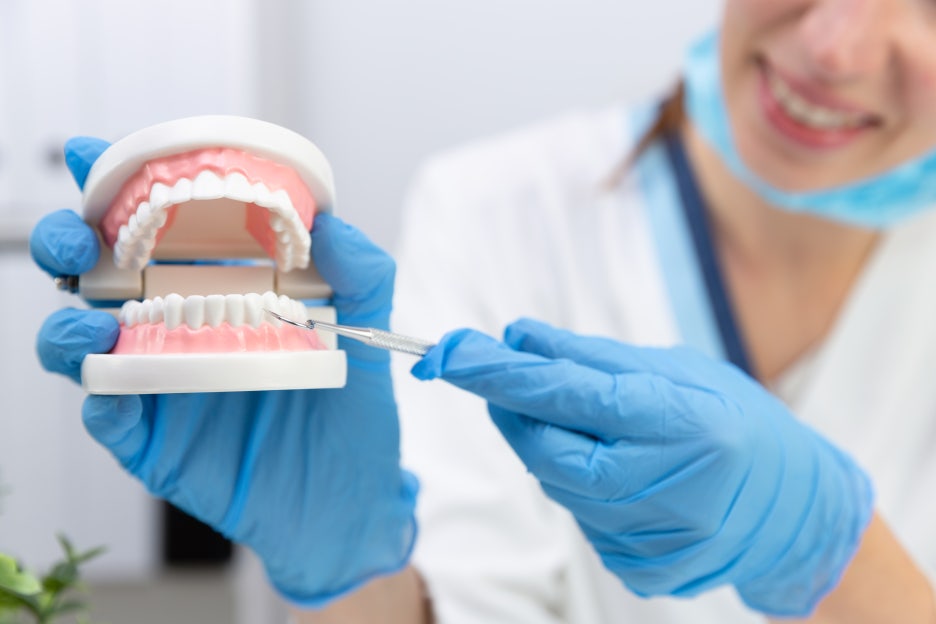
The biggest difference between
natural teeth and implants
is the maintenance method.
Natural teeth can often be preserved with treatments
such as root canal treatment or crowns even if damaged,
but if a problem occurs with an implant,
replacement may be necessary.
That is why
proper oral hygiene
and regular dental checkups are essential.
Jayang-dong Dental Clinic implant cost,
why does it differ from clinic to clinic?
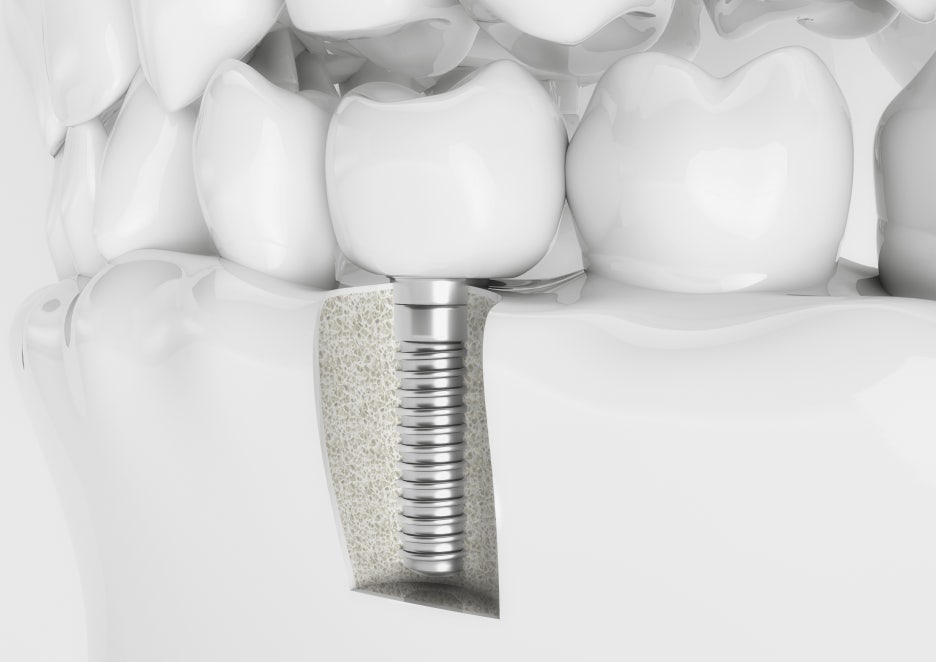
Even for the same implant treatment,
there can be a large cost difference depending on the clinic.
Some places are inexpensive,
while others are expensive,
so patients naturally have a lot to think about.
There are four main factors
that determine these cost differences.
First, the brand and quality of the implant.
Different manufacturers use different materials
and technologies,
and prices vary depending on precision and durability.
In the case of global brands,
research and development have been ongoing for a long time,
and because there is a lot of clinical data,
reliability is high,
but the cost may also be relatively higher.
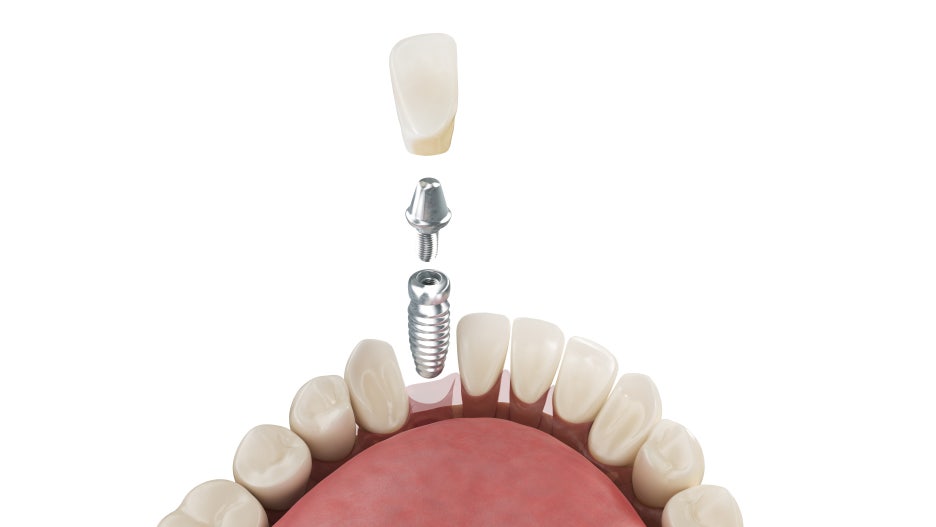
Second, the experience and skill of the medical staff performing the procedure.
An implant is a treatment
that must take into account
the condition of the bone, gum health, bite alignment, and more.
If performed by an experienced clinician,
you can expect precise results,
and the possibility of side effects may be reduced.

Third, whether additional treatment is needed.
Implants can be stably fixed only when
there is enough bone,
and if there is not enough,
bone grafting may be necessary.
Also, if periodontal disease is present,
additional treatment must be carried out together,
and when these factors are included,
the total cost may increase.
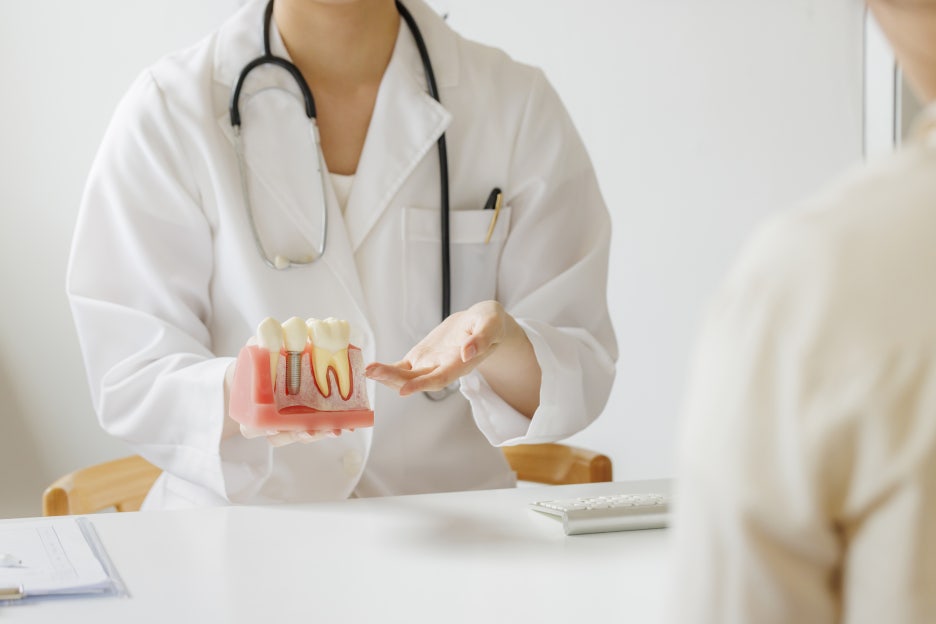
Fourth, the aftercare system.
Some low-cost implants
have a low initial price
but may lack proper aftercare.
On the other hand,
a clinic that includes regular checkups and maintenance
may seem more expensive upfront,
but in the long run it can be more economical.
I often tell patients,
"Rather than deciding based only on cost,
it is important to carefully examine
how the materials, treatment method,
and aftercare are handled."
Jayang-dong Dental Clinic implant treatment,
can anyone receive it?
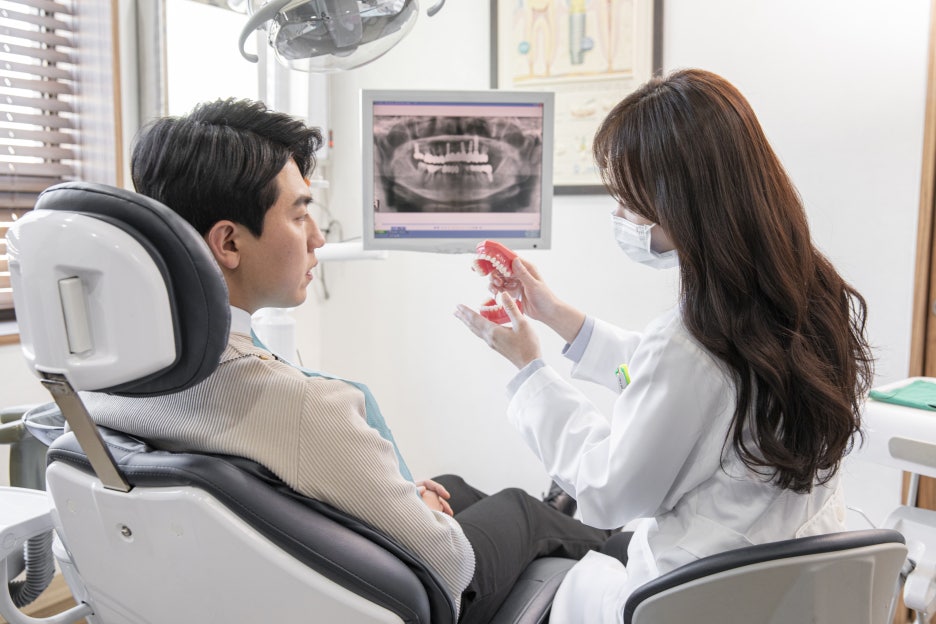
Implants can be applied to most patients,
but not everyone can receive one.
Several important conditions must be met.
First, the jawbone and gums must be sufficiently healthy.
Since implants are fixed directly into the bone,
if there is not enough bone,
stable fixation becomes difficult.
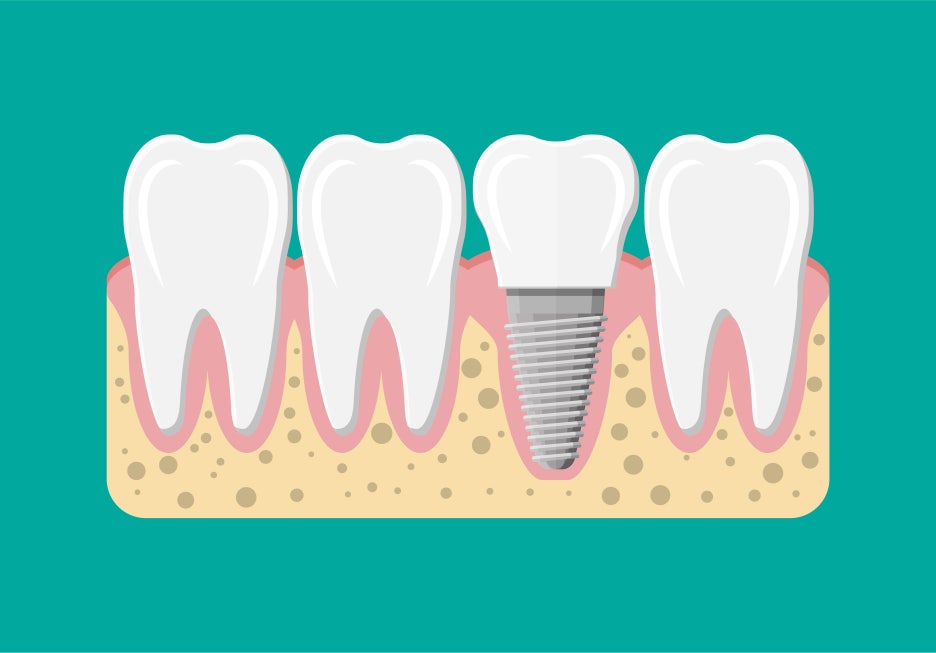
In such cases, bone grafting can be used
to make up for it,
but additional treatment time may be needed.
Also, overall health status is important.
If there are chronic conditions such as
diabetes, osteoporosis, or high blood pressure,
the success rate of implants may decrease.
In particular, diabetic patients have a higher risk of infection,
so recovery after surgery may be slower,
and thorough blood sugar control is necessary.
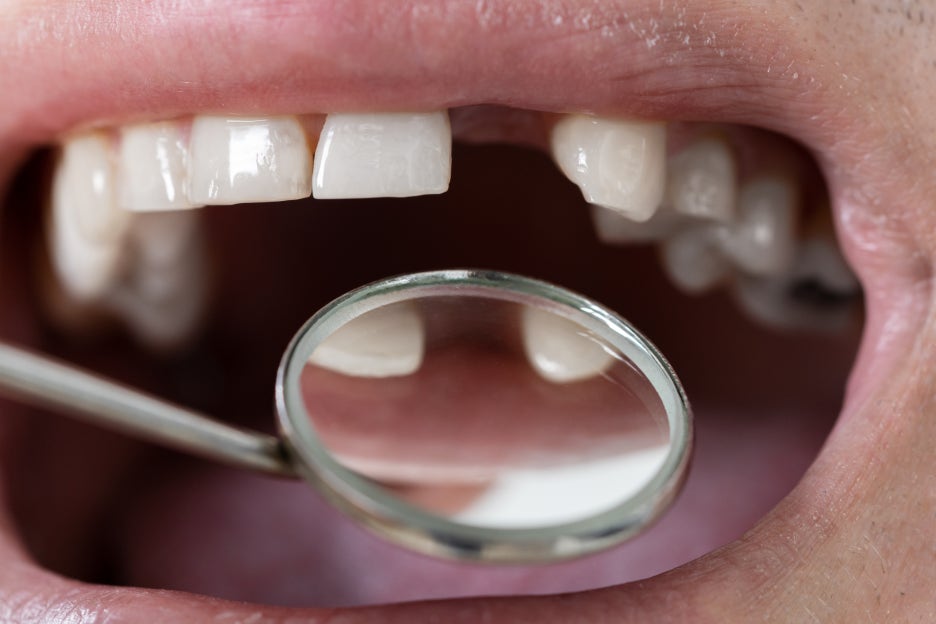
Whether or not the patient smokes also has an important effect.
Smoking interferes with blood circulation
and slows the healing of gum tissue,
which is one of the causes
of a higher implant failure rate.
Therefore, if possible,
quitting smoking before and after the procedure
helps increase the success rate of the implant.
Lastly, the ability to maintain oral hygiene is important.
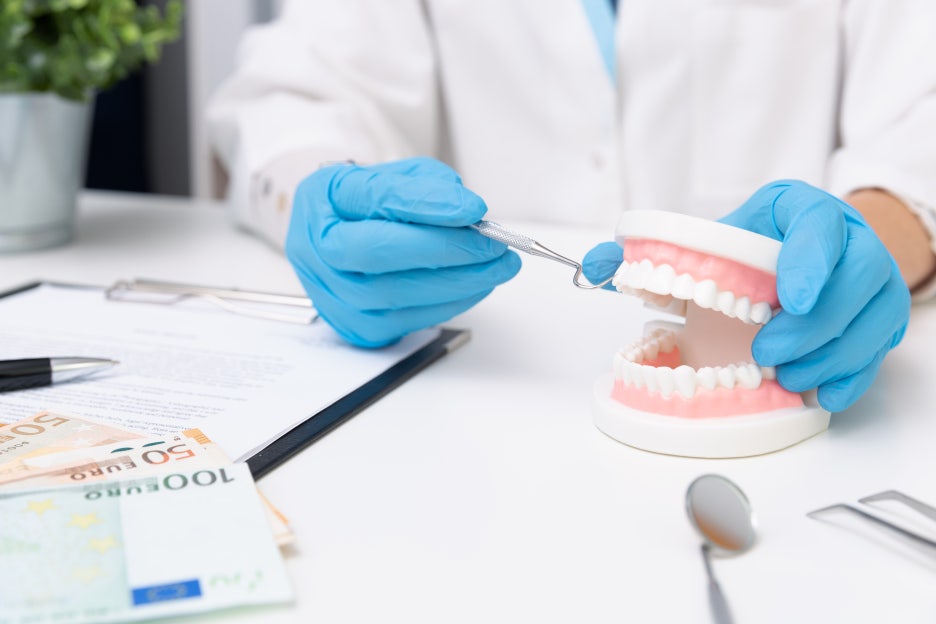
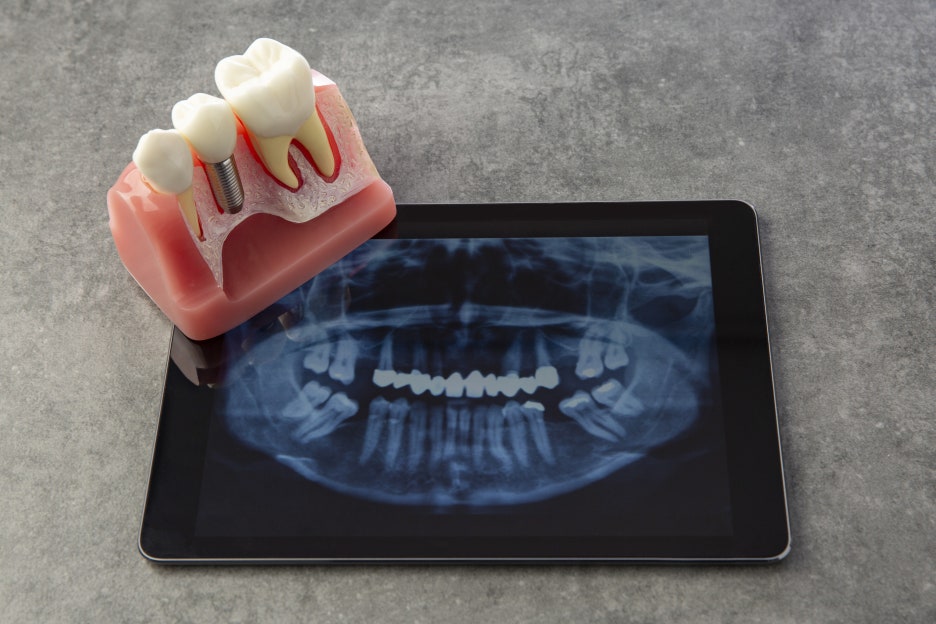
Implants require even more thorough care
than natural teeth.
If using dental floss and interdental brushes is difficult,
the likelihood of peri-implantitis may increase,
and maintaining a healthy condition through regular checkups
and scaling is essential.
Therefore,
sufficient consultation and preparation before treatment are necessary,
and steady care after the procedure is also essential.
Three things you must check
for a successful implant
If you are considering implant treatment,
be sure to check the following three things.
-
Whether you understand the difference from natural teeth and have set realistic expectations for post-treatment care
-
Whether you have identified why costs differ from clinic to clinic and have set up a treatment plan that suits you
-
Whether post-procedure maintenance is possible and long-term oral health is being considered
If you clearly consider just these three points,
you will be able to make a choice
toward a satisfying result.
Implants are not simply a treatment
that replaces teeth;
they are deeply connected to quality of life,
so they are a procedure that must be managed for life after treatment.
I hope today’s blog post
was helpful for those who are about to undergo implant treatment.