Sagajeong Station Dental Clinic,
Are you considering implants?
Hello, this is Director Kim Seong-hwan.
Many people are considering implants,
but when it comes time to decide on treatment,
there are inevitably many concerns.
Even when only one tooth is missing,
people wonder whether they really need an implant,
whether side effects such as numbness may occur after the procedure,
and whether problems could arise as time passes.
Implants are
procedures that replace your natural teeth,
so it is important to understand several factors
and receive treatment that leaves you satisfied.
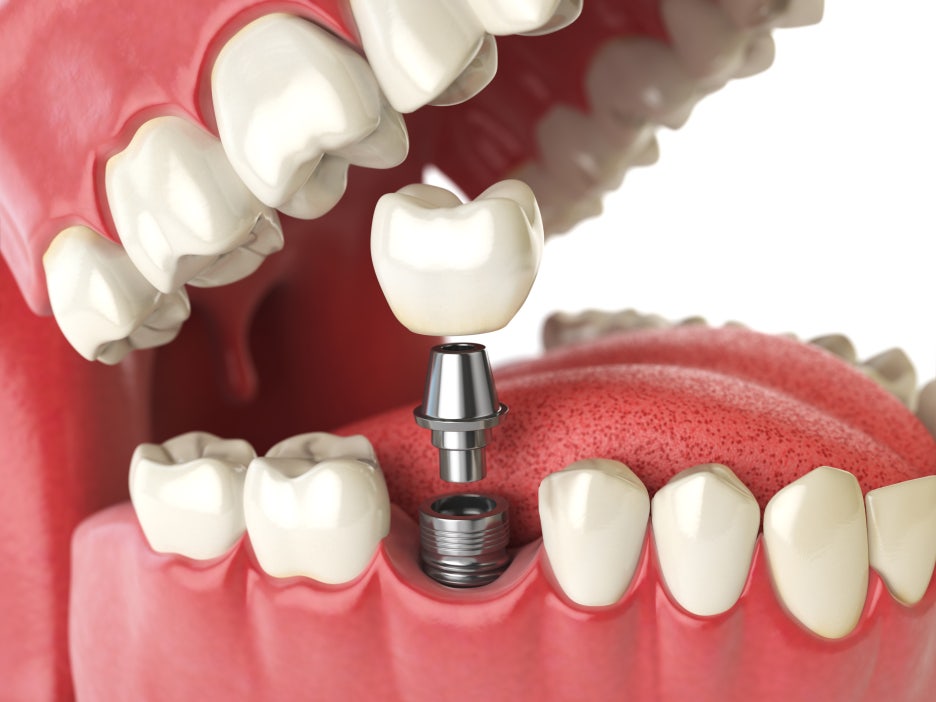
So today,
I’d like to cover issues that patients may be curious about
before and after implant treatment.
I hope you can focus for just 3 minutes
and get enough information
before treatment.
Then,
you can reduce unnecessary worry
and also prepare for possible situations.
Sagajeong Station Dental Clinic,
Should you get an implant
even if you have lost only one tooth?
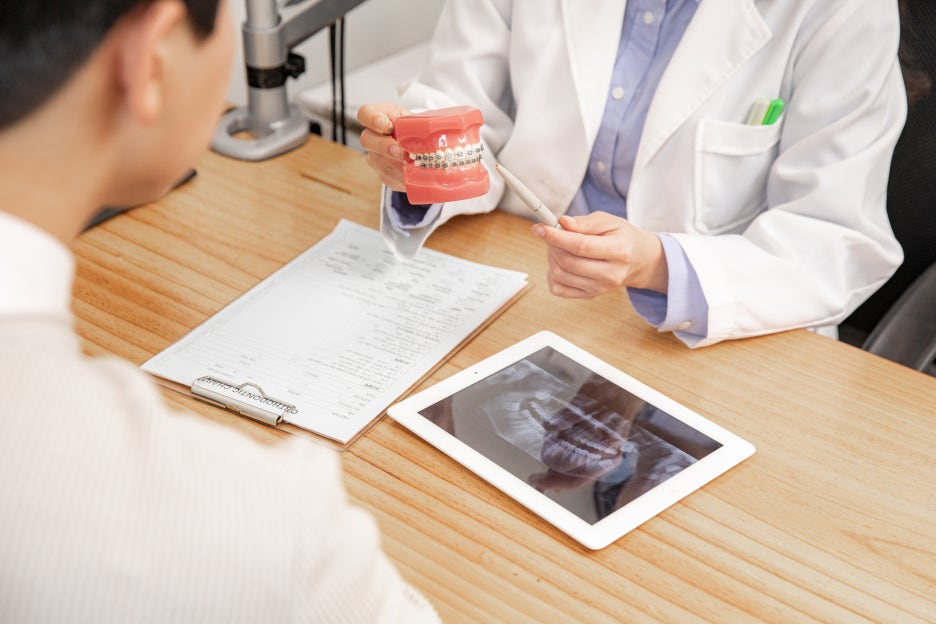
When only one tooth is missing,
many people wonder,
"Do I really need an implant?"
If there is no pain
and no major difficulty chewing,
you may want to delay treatment for now.
However, even if just one tooth is missing,
leaving the gap empty for a long time
is likely to affect the health of the surrounding teeth and gums.
Teeth maintain balance by fitting together,
but if even one is missing,
adjacent teeth tend to move
into the empty space.
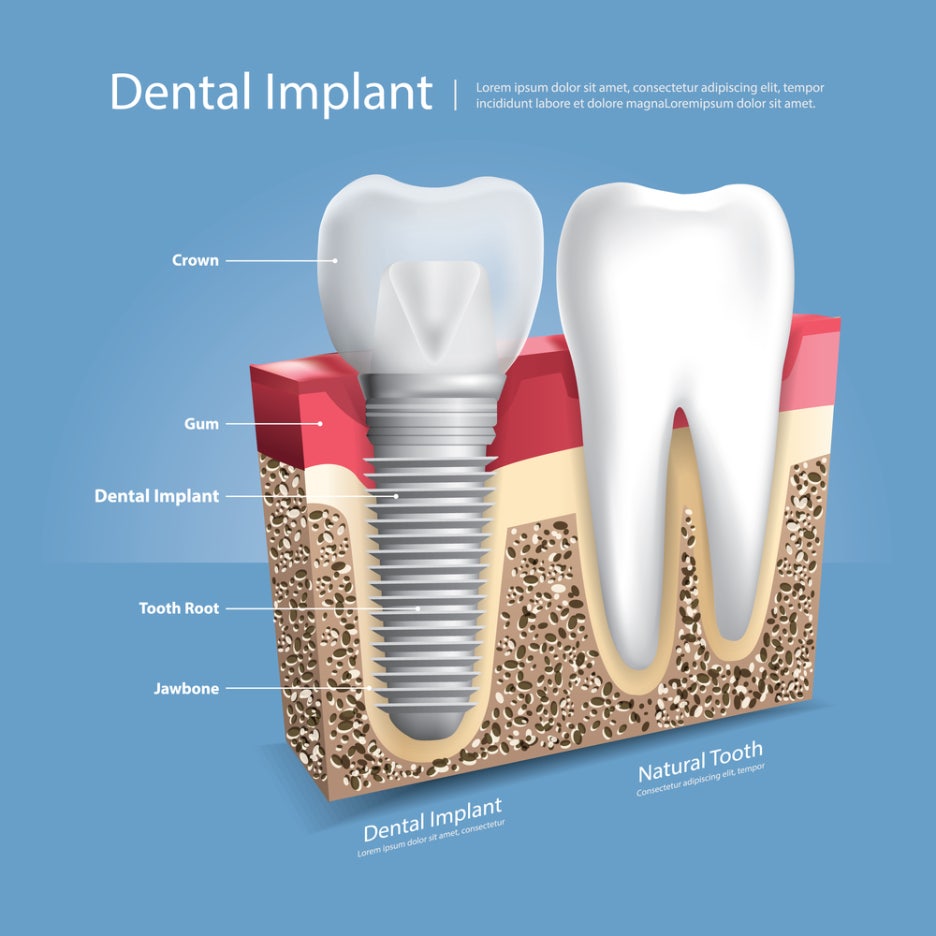
Over time,
the alignment of the teeth becomes disrupted,
and as the biting force (occlusion) changes,
strain may also be placed on the temporomandibular joint.
Also, if the missing tooth area is left untreated,
bone loss in the jawbone, called "bone resorption," can occur,
which may make future implant treatment more difficult.
As an alternative,
some people consider a bridge,
but a bridge requires the adjacent teeth to be reduced,
which can damage otherwise healthy teeth.
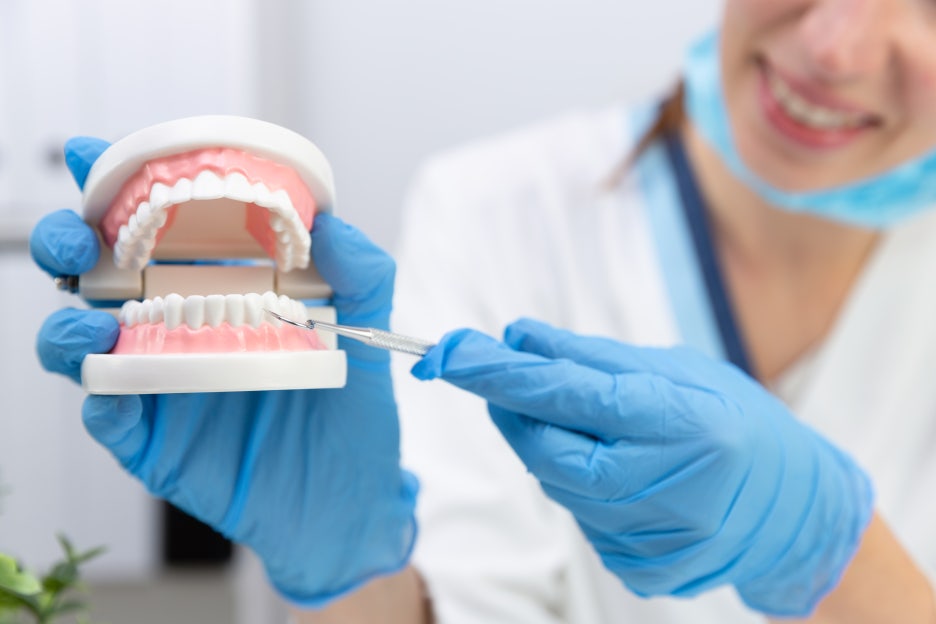
In contrast, implants
function independently without affecting nearby teeth,
so in the long term
they are more likely to be a stable option.
Of course, implants are not the right answer
in every case.
Considering the overall oral health,
including tooth condition and occlusion,
is the best way to create a customized treatment plan.
Sagajeong Station Dental Clinic,
If your lip or jaw feels numb after surgery,
what must you check?

One of the rare problems that can occur
after implant treatment is sensory disturbance.
Usually, if the implant is too close to the inferior alveolar nerve
(the nerve in the lower jaw)
or the maxillary sinus (the air cavity in the upper jaw),
or if the nerve is irritated during surgery,
temporary numbness may appear.
In general, mild sensory reduction
for a few days after surgery
may be a normal response,
but if it lasts for more than a week
or the feeling of numbness is strong,
you must visit the dental clinic.
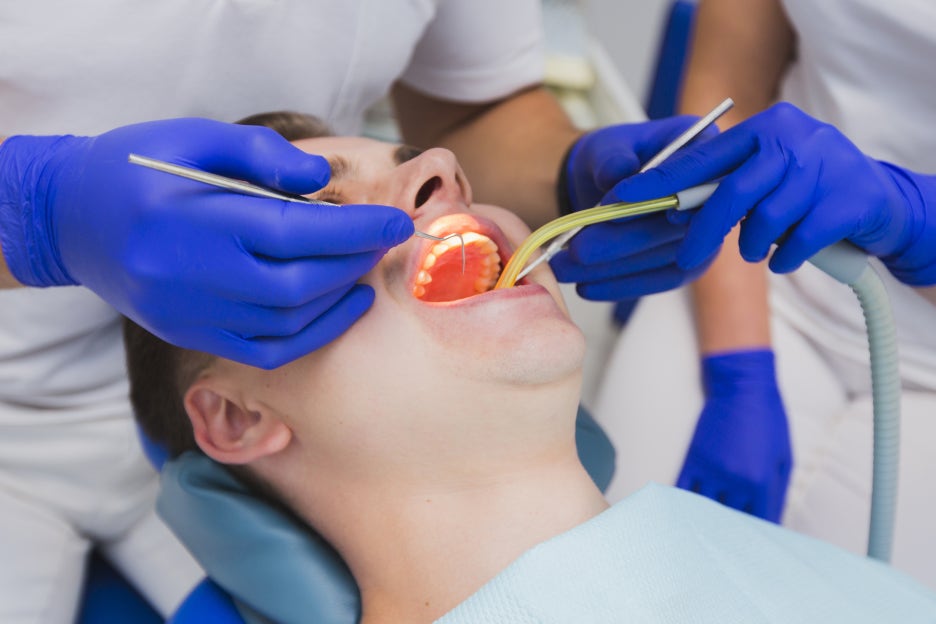
That is because if the implant is positioned too close to the nerve,
or if swelling is severe and compresses the nerve,
appropriate measures may be needed.
To prevent this,
before implant treatment,
it is essential to analyze the positions of the nerves and blood vessels accurately
through 3D CT imaging.
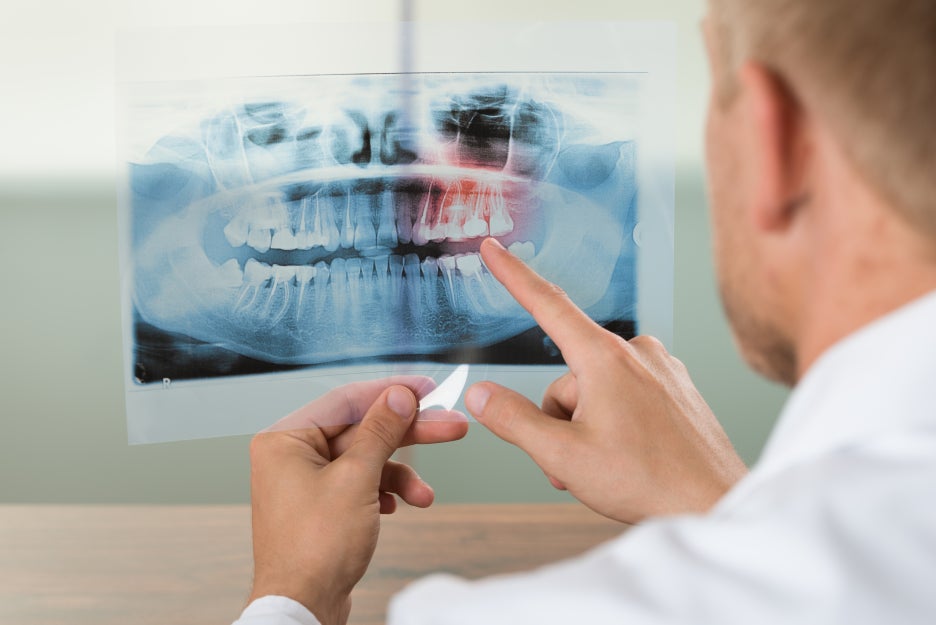
In particular, because the nerves in the lower jaw
extend over a long distance,
a certain distance must be maintained from them,
and in the upper jaw,
the implant must be placed after calculating the distance to the maxillary sinus.
Therefore, when planning implant treatment,
you must carefully analyze the positions of the nerves and blood vessels in detail
and approach the procedure cautiously
so that the implant can be placed in a more stable location.
Sagajeong Station Dental Clinic,
What if the bone keeps dissolving after implant treatment?
Causes and solutions
As with most dental treatments,
implants are not something where everything is finished
once the surgery is over.
As time passes,
bone resorption may occur,
causing the bone around the implant to gradually decrease.
So what causes the bone to dissolve?
The most common cause
is peri-implantitis.
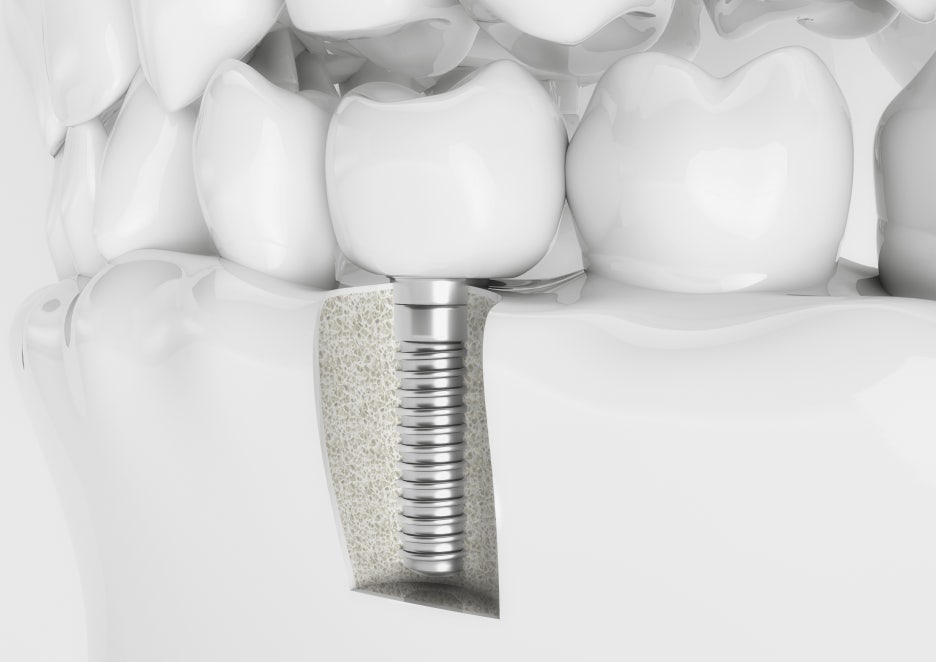
This is a condition in which the gums around the implant
become inflamed
and gradually affect the bone as well.
Natural teeth have
nerves and the periodontal ligament,
which can detect external stimuli and provide protection.
However, implants do not have
this protective mechanism (stimulus detection),
so even small inflammation can be left untreated,
and the bone may decrease quickly, so caution is needed.
Also,
problems can arise when the occlusion is not properly aligned.
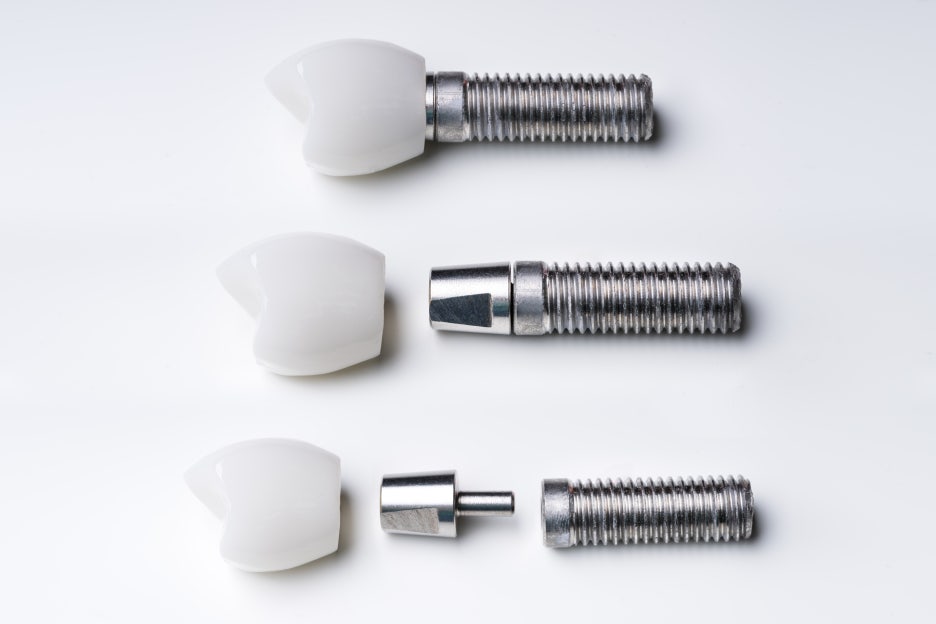
If the chewing force is concentrated on one side only,
or if the implant is subjected to excessive force,
the surrounding bone is more likely to be gradually resorbed.
In addition, smoking, diabetes,
and other systemic health conditions
can also affect the maintenance of bone around implants.
So what is the solution?
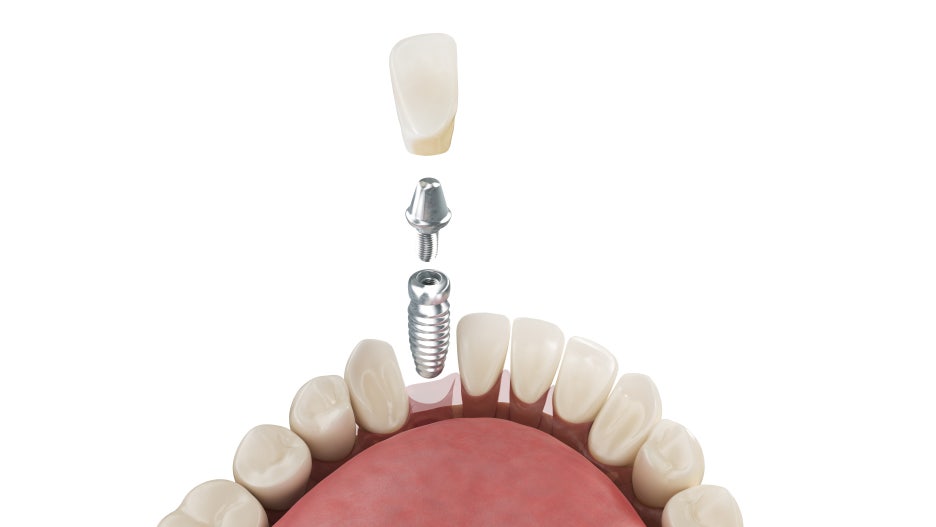
The first is
thorough oral hygiene management.
Along with proper tooth brushing,
you should use interdental brushes or a water flosser
to keep the area around the implant clean.
The second is
regular checkups.
If inflammation is detected early,
treatment can begin before it develops into a major problem.
Also, if the occlusion is not properly aligned,
appropriate adjustments can prevent
excessive force from being applied.
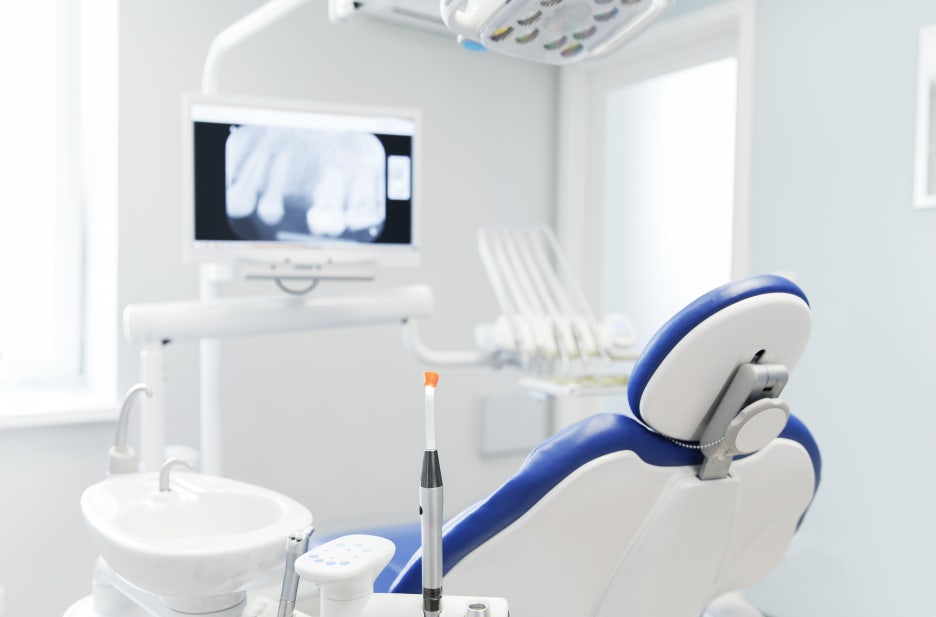
Even after implant treatment is completely finished,
careful daily management is essential
so that the bone can remain healthy.
In the end, continued monitoring and care after treatment are important,
and through regular checkups,
the role of the medical team in helping the implant function for a long time
is the most important.
Sagajeong Station Dental Clinic,
Implants require a careful choice.
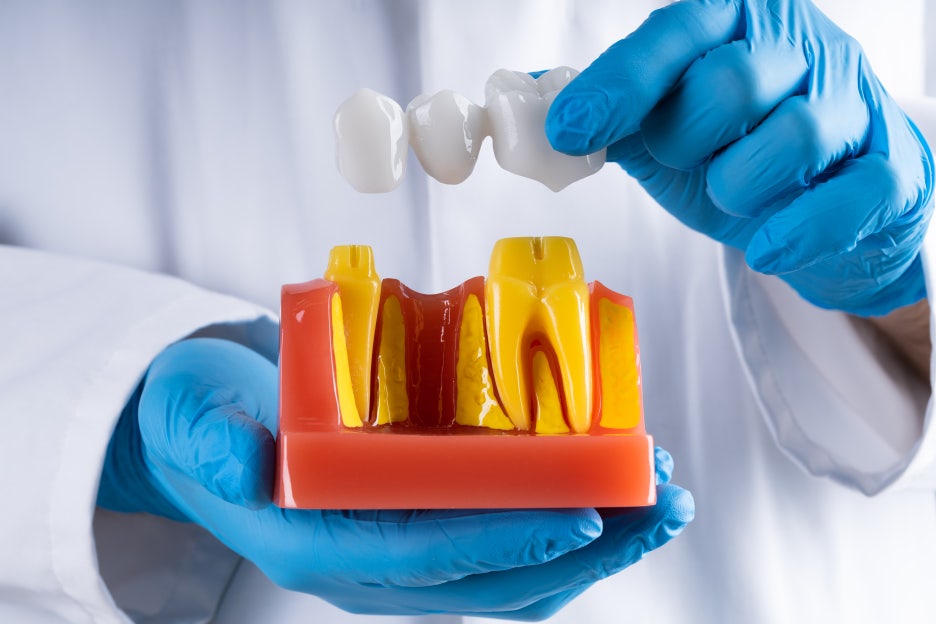
Implants are a treatment
that requires thorough preparation and management
so they can be used for a long time.
Even if only one tooth is missing,
because it can negatively affect the surrounding teeth,
people consider implants.
However, even after the procedure,
there is a possibility that problems such as sensory disturbance
or bone resorption may occur,
so a more cautious approach is needed.
-
Even if you lose one tooth, you should consider treatment for the health of the surrounding teeth and gums.
-
If numbness continues after the procedure, the condition of the nerves and blood vessels should be checked.
-
Ongoing care is essential to prevent inflammation around the implant and to prevent bone resorption.
In other words, implant treatment
should be carefully checked before and after treatment,
and it is best to establish a customized plan
that matches your oral condition.
These factors
are also why I devote so much time
to thorough diagnosis and post-treatment care.
If you refer to today’s blog post
when considering implants,
it will help you receive treatment that is more satisfying.
This has been Director Sim Seong-hwan.
Thank you.