Hello. I’m Kim Seong-hwan, the chief director.
“Is an implant the best choice? The last chance to save a tooth”
When people visit a dental clinic casually and are told they need an implant, many of them start to worry.
It can be hard to decide whether it is better to preserve the natural tooth as much as possible or to boldly choose an implant.
Removing a tooth and placing an implant is an important decision that changes the balance of oral health, so it requires more careful thought.
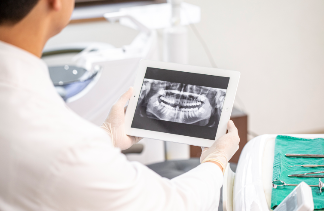
Natural teeth also play a role in stimulating the jawbone through chewing, helping maintain bone density.
However, when a tooth is lost, the jawbone in that area gradually resorbs, the gums recede, and the facial contour can also be affected.
By contrast, an implant places an artificial tooth root to help maintain some of the jawbone’s function, but it cannot perform exactly the same role as a natural tooth.
So in what cases can a precious natural tooth be saved?
First, if root canal treatment is possible, preserving the tooth is advantageous.
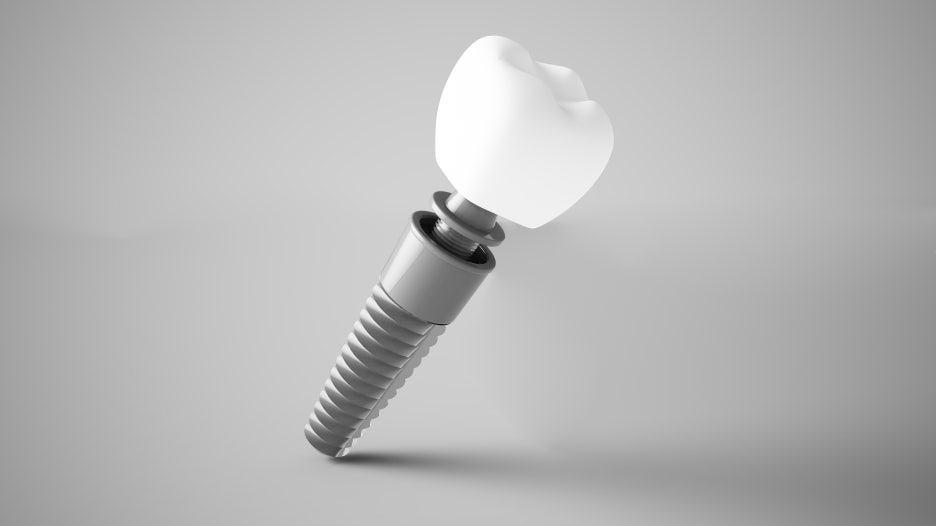
That is because after root canal treatment, proper prosthetic treatment can allow a natural tooth to be used for a long period of time.
Also, even if periodontal disease is progressing, there is a possibility of maintaining the tooth with gum treatment and care if it is in an early stage.
However, if the periodontal tissues are severely damaged or the tooth root has weakened and can no longer function properly, an implant may be the better choice.
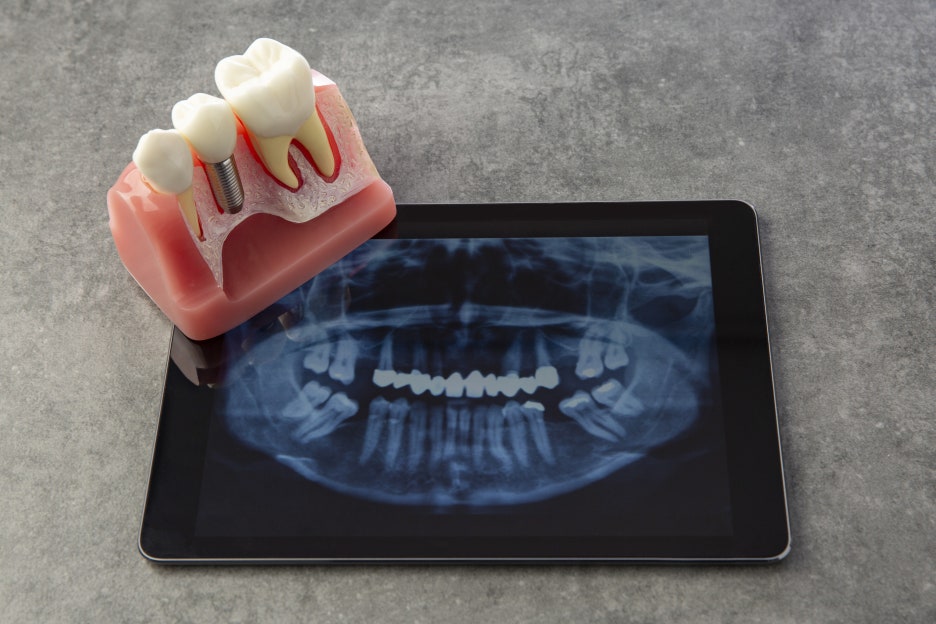
Sometimes, there are patients who think only about implants and want to proceed with them no matter what.
In such cases, I always emphasize that rather than moving straight to an implant, it is important to first check whether there is a way to save the natural tooth as much as possible.
Because once a natural tooth is lost, it cannot be restored, it is best to make the decision only after fully considering the various treatment possibilities.
Yongmasan Station Dental Clinic,
How long do implants last?
Common traits of people who use them for a long time
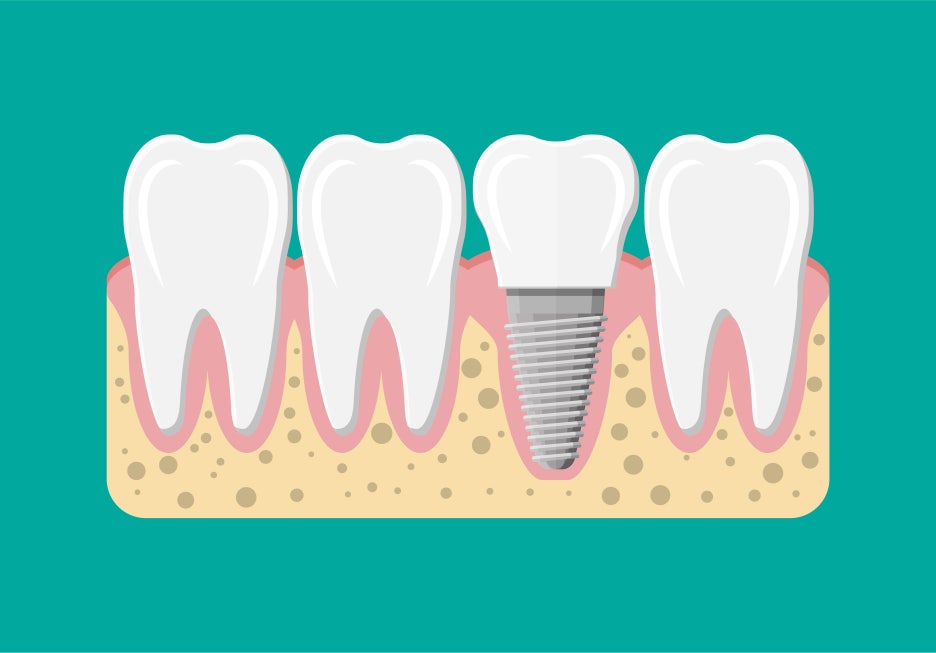
Can an implant be used for a lifetime?
Many people think implants are a semi-permanent treatment, but in reality, their lifespan varies greatly depending on how they are cared for.
If they are not managed properly, problems may arise within 10 years, but with consistent care and regular checkups, they can last 20 to 30 years or more.
When you look at people who use implants for a long time..
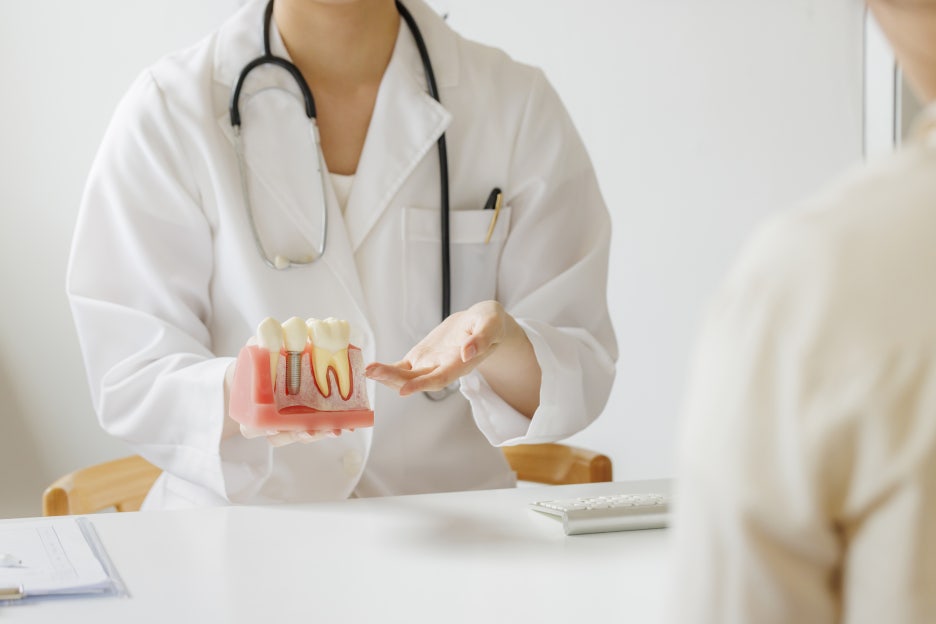
The first point is that they practice proper oral hygiene.
Implants do not get cavities, but if gum disease (peri-implantitis) occurs, the bone supporting the root can be damaged.
Therefore, thorough care using dental floss and interdental brushes is essential.
Second, you need to receive regular dental checkups.
Just like natural teeth, implants must also be checked at regular intervals.
In particular, because the bite can change and place excessive force on certain areas, or gum inflammation can develop, it is important to visit the dental clinic periodically and detect problems early.
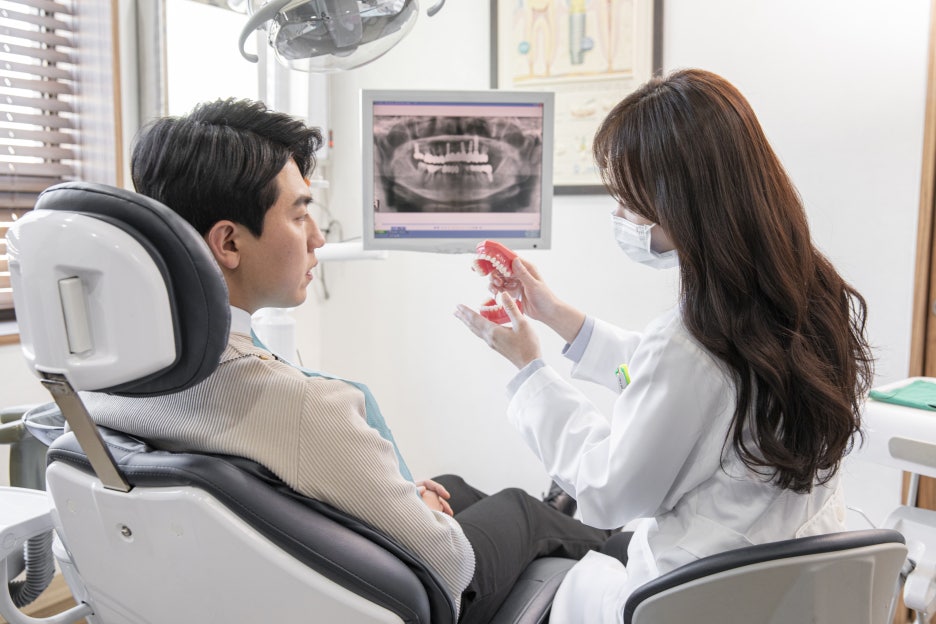
Third, you should avoid habits that place excessive force on them.
If you grind your teeth or clench your jaw, the implant may be overloaded and the risk of damage increases.
In such cases, it is a good idea to wear a bite protection device (night guard) to reduce the strain.
Implants are a good treatment that can be used for a long time if properly maintained, but if care is lacking, problems can occur sooner than expected.
When I perform implant treatment for patients, I emphasize that aftercare is just as important as the procedure itself.
It is not over when the procedure is finished; only when consistent care supports it can it truly become a “semi-permanent” treatment.
Yongmasan Station Dental Clinic,
Does your body change after an implant?
Changes in chewing habits, weight, and gum discoloration
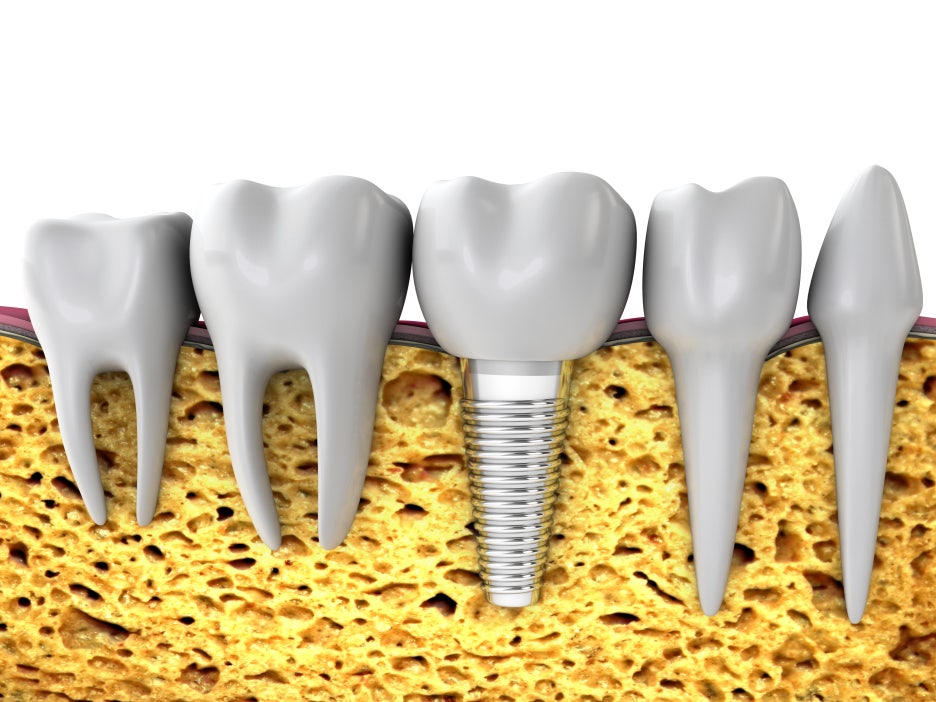
It is easy to think of implants as simply a treatment that replaces teeth, but unexpected changes can appear after the procedure.
In particular, many people notice differences in areas such as chewing habits, weight changes, and changes in gum color.
First, chewing habits may change.
Natural teeth have a periodontal ligament, so when chewing, you can feel slight elasticity and sensation, but implants are directly fused to the jawbone, so the feeling can be different.
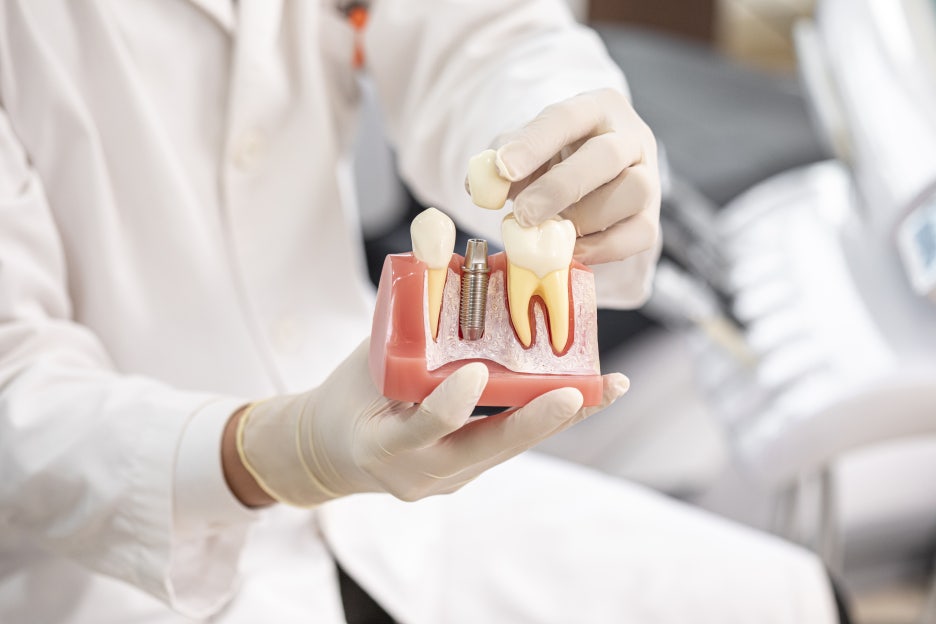
You may feel discomfort at first, but most people adapt over time.
However, if the bite changes and excessive force is applied to certain areas, the temporomandibular joint may also be strained, so proper bite adjustment is necessary.
There is also a possibility of weight changes.
After an implant, as chewing function is restored, some people eat more and gain weight, while in other cases, changes in chewing patterns slow down meal speed and weight decreases.
Changes in eating habits may be unexpected, but they are a natural phenomenon that can occur during the adjustment process.
Lastly, a change in gum color may also appear.
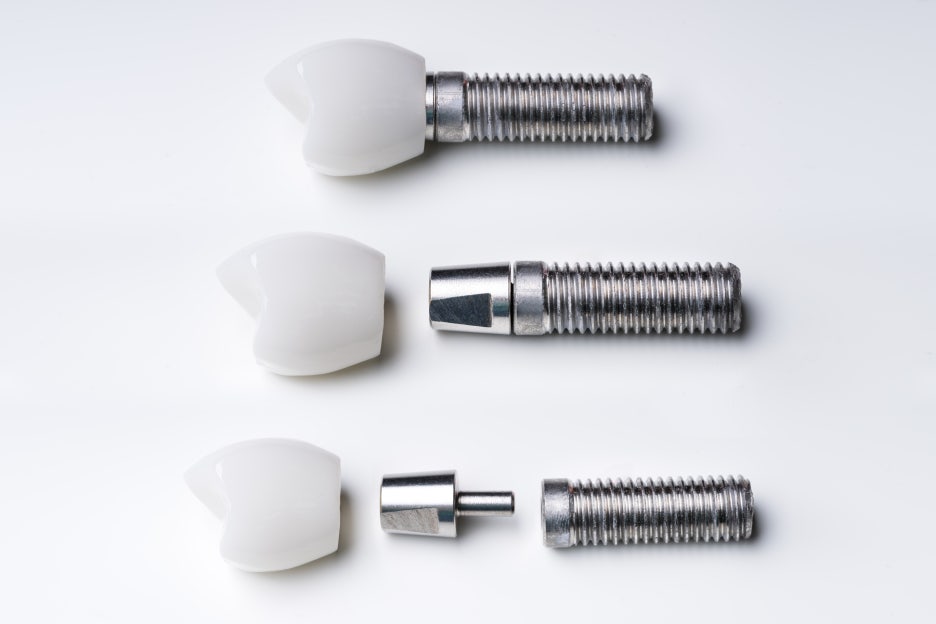
In particular, when titanium implants are placed, if the gums are thin, the metal color may show through and make the gums appear darker.
As time passes and the gums recede, this phenomenon can become more noticeable, so it is important to consider gum thickness in the initial design.
If such a problem occurs, it can also be improved through gum grafting and similar procedures.
In this way, knowing even small changes in advance helps you adapt more quickly and respond appropriately when discomfort arises.
Implants can be a good solution when teeth are lost, but they should not be chosen blindly and must be decided on carefully.
If there is a way to save the natural tooth, it is best to preserve it as much as possible, and if an implant is unavoidable, aftercare becomes an important factor in determining its lifespan.
Also, since after the procedure you may experience not only oral changes but also changes in chewing habits, weight, and gum color, it is important to understand these possibilities.
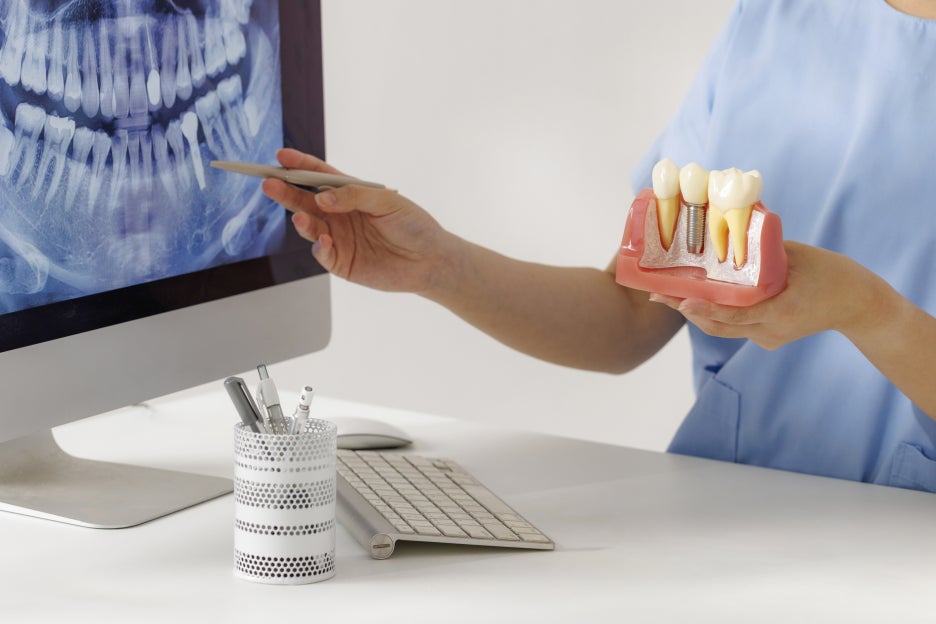
If you are considering an implant, please make your decision after fully considering everything from the possibility of preserving the tooth to aftercare following the procedure.
I hope today’s blog post was very helpful for those preparing for implant treatment. ^^
This has been Director Kim Seong-hwan. Thank you.

 Yongmasan Station Dental Clinic