Hello, I’m Director Sim Seong-hwan.
"Is it all over once an implant is placed?"
Implants are one of the most commonly performed treatment methods that replace natural teeth.
They are an effective treatment for restoring chewing function and improving aesthetics when teeth are lost due to cavities, gum disease, injury, or accidents.
Because implant treatment plans and methods can vary depending on each person’s oral condition, systematic care is also needed after treatment.
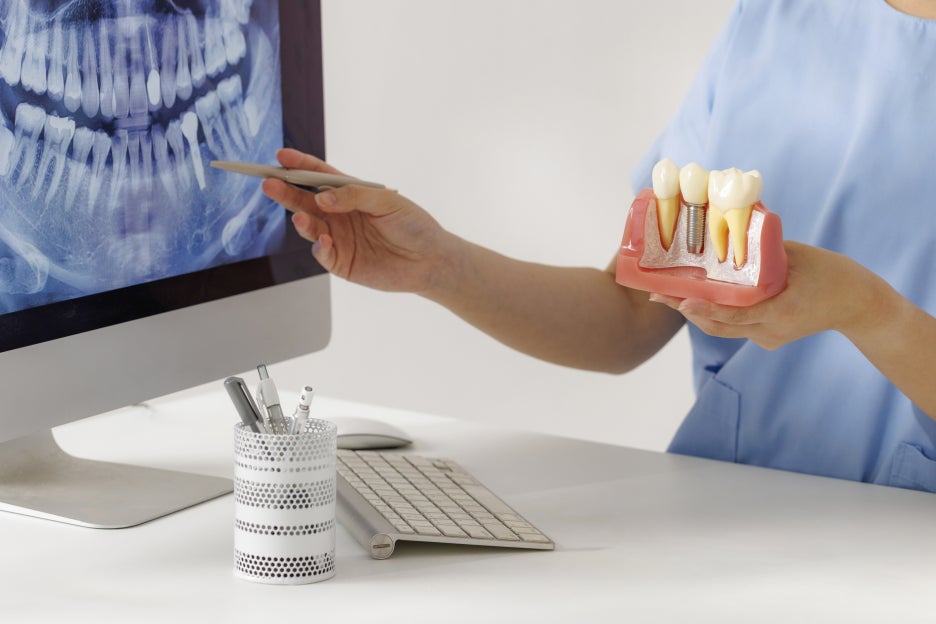
When I consult with patients, many say, "I’m here to get an implant," but not everyone can receive one.
That is because some people may have difficulty getting implants depending on their overall oral condition or general health.
However, several important factors must be considered to achieve good treatment results.
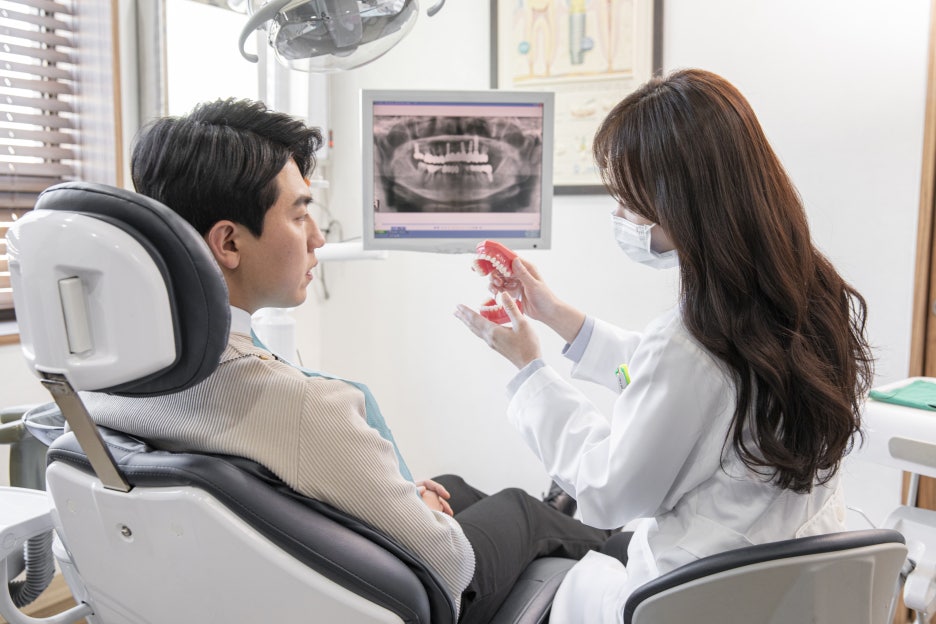
In particular, the condition of the jawbone, the immune response after surgery, and harmony with the existing teeth can have a major impact on treatment outcomes.
Therefore, today I will explain in detail the three key things you must remember before undergoing an implant procedure.
Achasan Dental Clinic,
Additional procedures may be needed
depending on the condition of the jawbone.
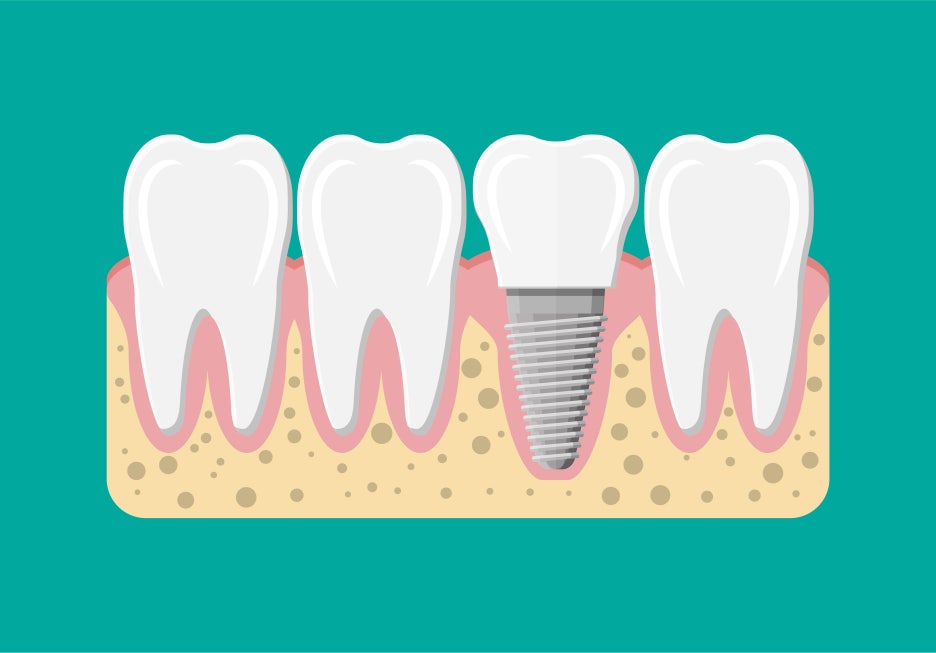
As many people know, implants are placed into the jawbone.
That is why there must be enough jawbone for the implant to be placed stably.
However, if a tooth has been missing for a long time or bone has been resorbed due to gum disease, there is a high chance that there is insufficient bone.
If an implant is forced into such a condition, long-term maintenance may be difficult, and it could eventually lead to implant failure.
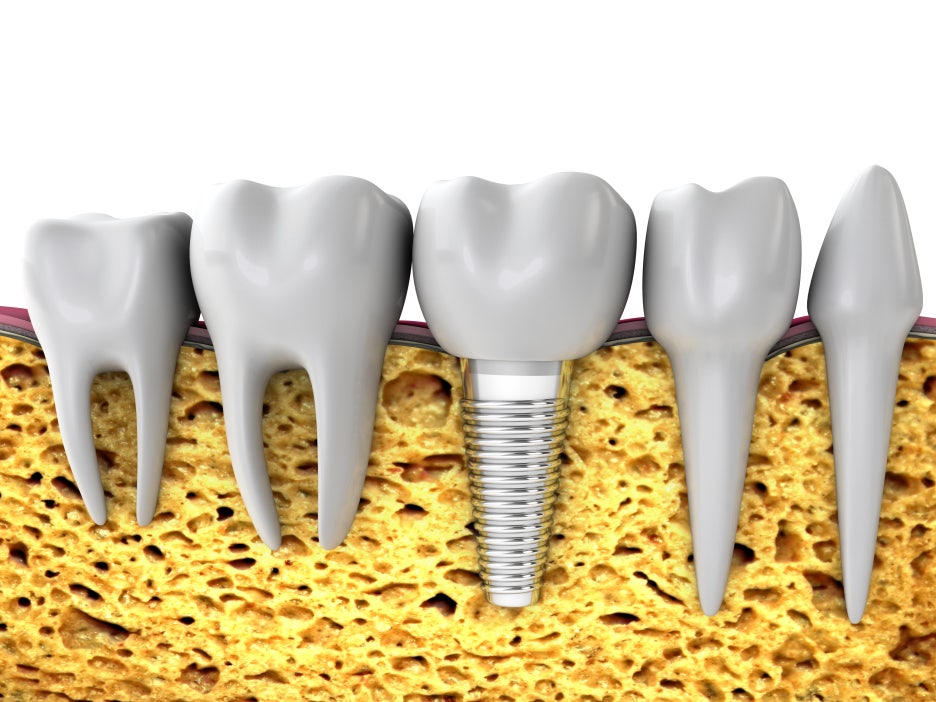
To prevent this, additional procedures such as bone grafting or sinus lifting may be performed.
Bone grafting literally means grafting bone material to supplement insufficient bone and help the implant become firmly fixed.
The graft material may be selected from various options such as autograft (the patient’s own bone), allograft (bone from another person), or synthetic bone (artificial bone), and the most suitable method is chosen according to the patient’s condition.
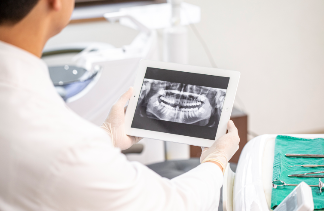
In particular, when an implant needs to be placed in the upper molar area, a sinus lift may be necessary.
This area contains an empty space called the maxillary sinus, and if there is not enough bone, the implant may not be properly stabilized and could invade the sinus.
Therefore, if you are considering implant treatment, it is best to first confirm the condition of your jawbone accurately through a CT scan.
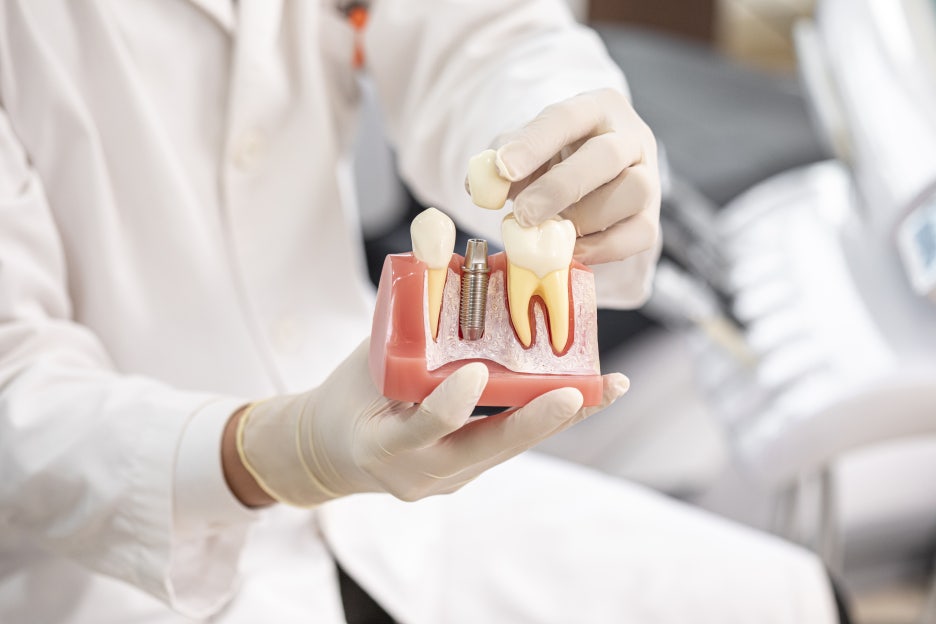
Not only the visible gum condition, but also the amount and density of bone must be carefully analyzed to reduce unexpected problems after surgery.
Therefore, if the bone condition is checked in advance and necessary measures are taken, the stability and longevity of the implant can be greatly improved.
Achasan Dental Clinic,
The immune response and
recovery process after surgery must be carefully monitored.
After implant surgery, the speed of recovery can vary depending on an individual’s immune response and health condition.
Swelling and a little discomfort after surgery are normal parts of recovery, but caution is needed if severe pain lasts longer than expected or the swelling does not go down.
In particular, if the body temperature rises above 38°C or if persistent pain and inflammatory reactions appear at the surgical site, there may be a risk of infection, so it is best to visit the dental clinic immediately.
Patients with weakened immunity or underlying conditions such as diabetes or high blood pressure have a higher risk of infection than general patients, so even more careful management is needed.
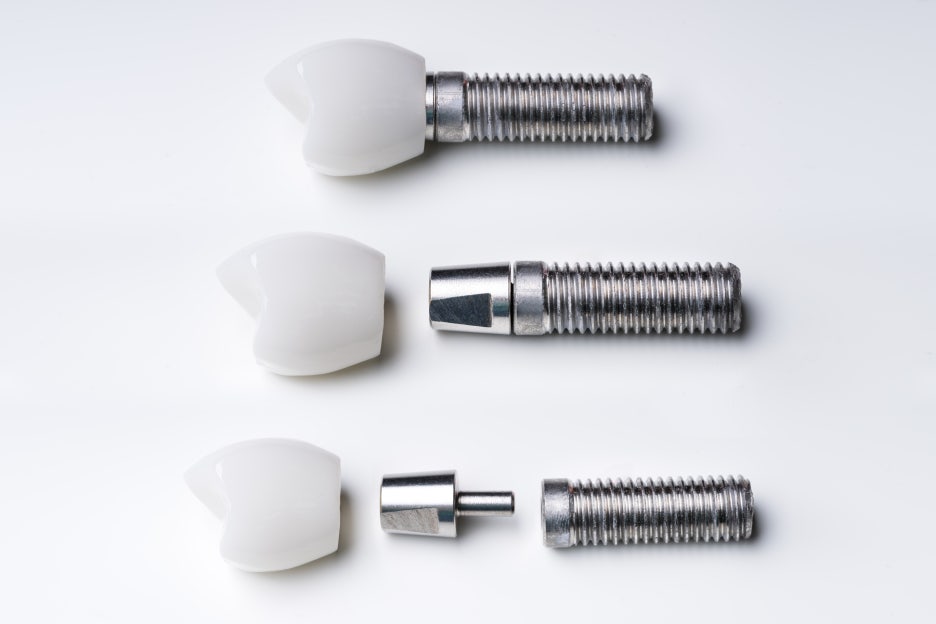
If the immune response does not proceed properly, the tissue around the implant may not heal well, and in severe cases, it can lead to implant failure.
Therefore, it is important to closely monitor changes in the body after surgery, and if there are even slight warning signs, it is important to consult a specialist.
Meals after surgery also have an important effect on the recovery process.
It is best to avoid foods that are too hot or too hard and to eat mainly soft foods.
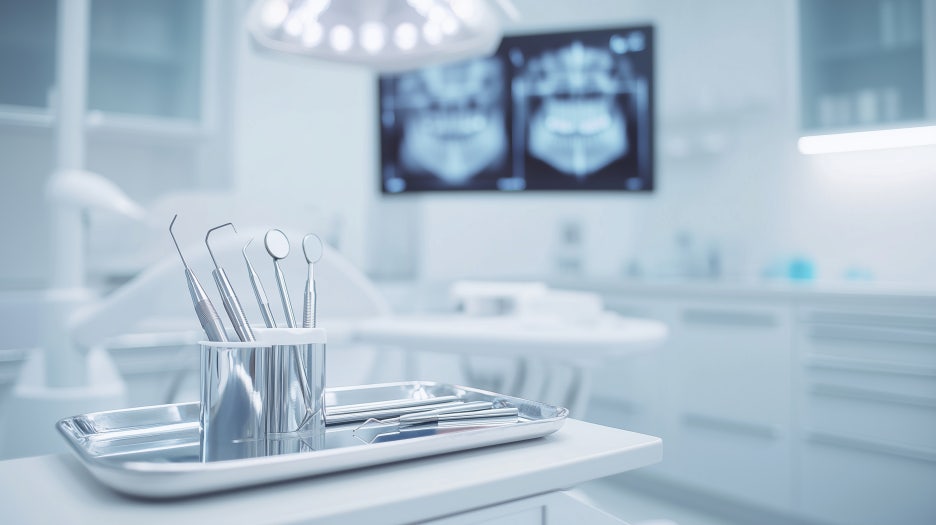
After meals, oral hygiene must be managed thoroughly, but strong brushing that may irritate the surgical site should be avoided.
Use a mouth rinse or a soft toothbrush to maintain hygiene carefully, while avoiding excessive irritation.
The first week after surgery is an important period for recovery, so it is necessary not to overexert yourself and to watch the body’s signals closely during this time.
Achasan Dental Clinic,
The color and
bite harmony with the existing teeth should be considered.
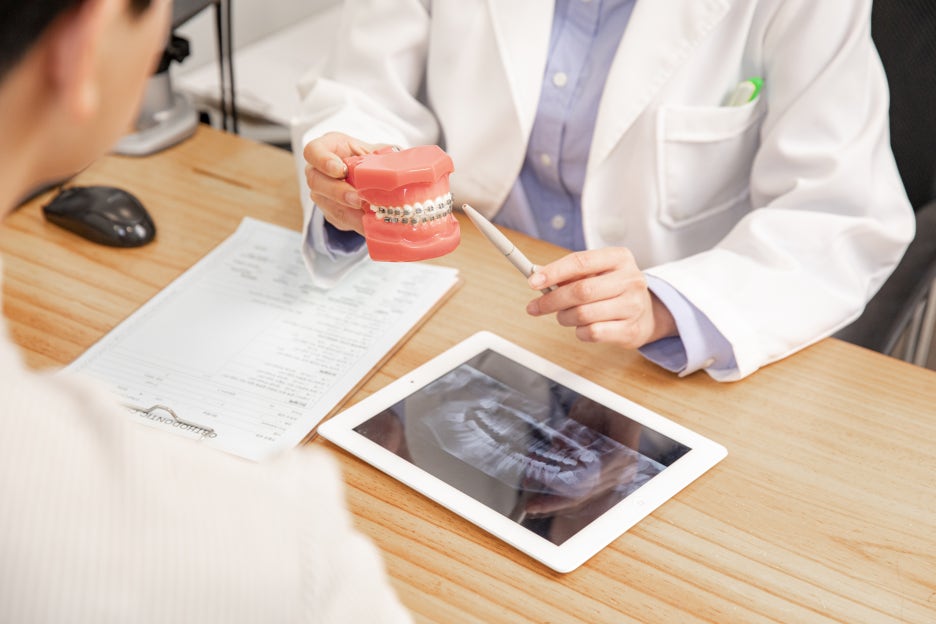
In implant treatment, aesthetic factors are just as important as functional ones.
If the implant does not blend naturally with the surrounding teeth, it may look unnatural, and if the bite does not match, problems can arise with chewing function.
The color selection of the prosthesis (crown) that will be used for a long time is important.
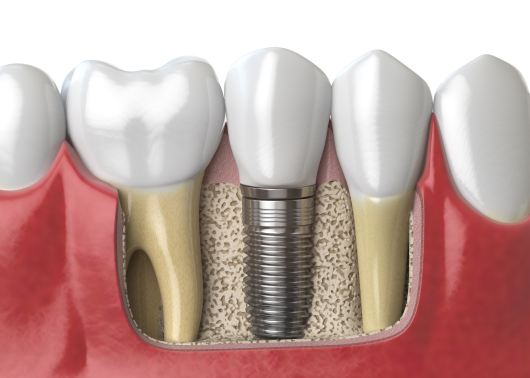
If the implant crown is much brighter or darker than the existing teeth, it may stand out and look unnatural.
At the dental clinic, the patient’s natural tooth color is analyzed to match the most suitable shade, but ultimately the patient needs to check and make the final decision.
In addition, implants must function within the overall balance of the bite.
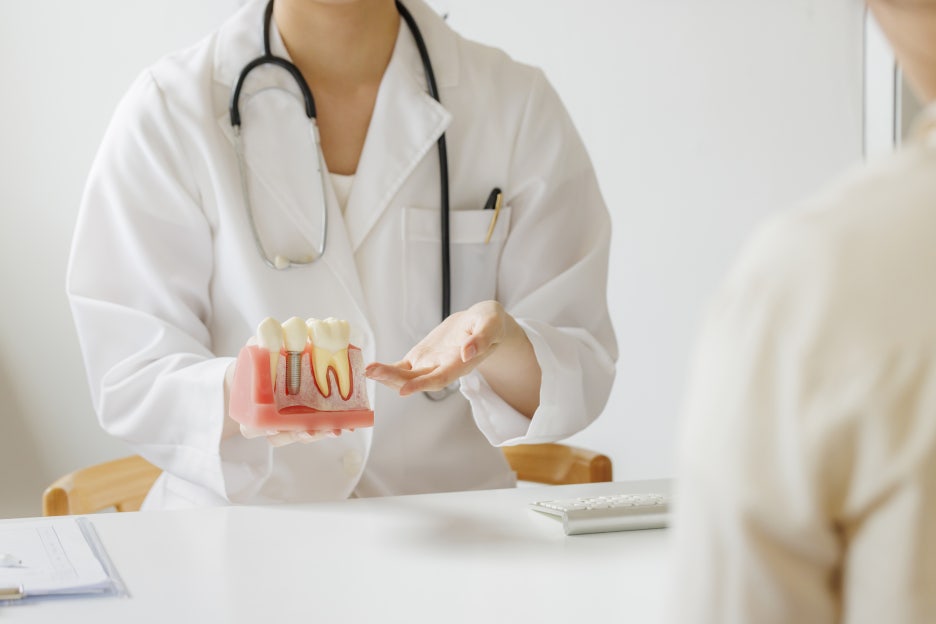
If the bite is not properly adjusted, excessive force may be placed on certain teeth, burdening the surrounding teeth or the jaw joint.
If bite imbalance continues for a long time, various problems such as temporomandibular joint disorders, headaches, and discomfort while chewing can occur.
Therefore, bite adjustment must be carried out thoroughly during treatment, and it is also recommended to check for changes through regular follow-up examinations after surgery.
Achasan Dental Clinic,
Thorough preparation leads to good results.
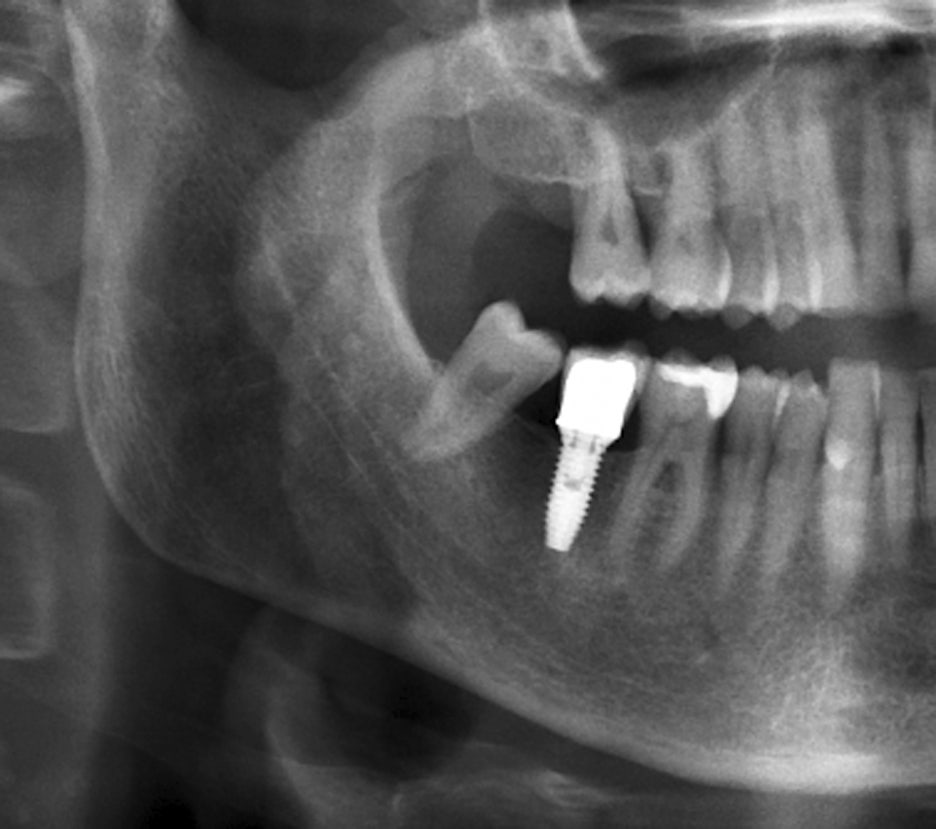
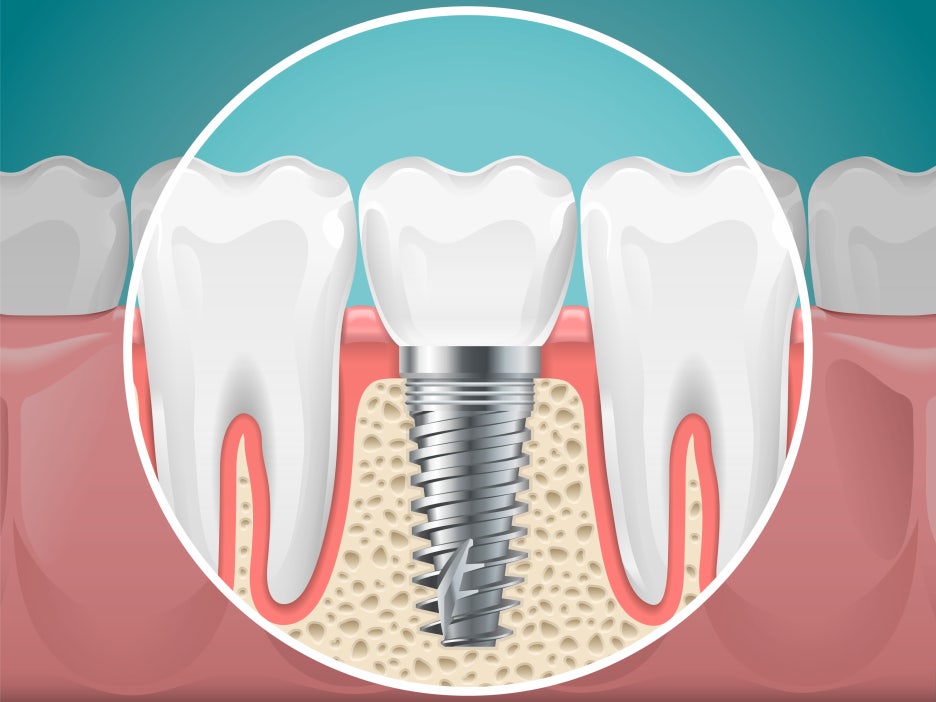
Before implant treatment, you need to carefully check your jawbone condition, closely monitor the recovery process after surgery, and ultimately consider both aesthetic and functional factors to achieve satisfactory results.
Although many factors must be considered in this way, the most important point is to create a treatment plan suited to each individual patient, which is the key to getting closer to a satisfying treatment result.
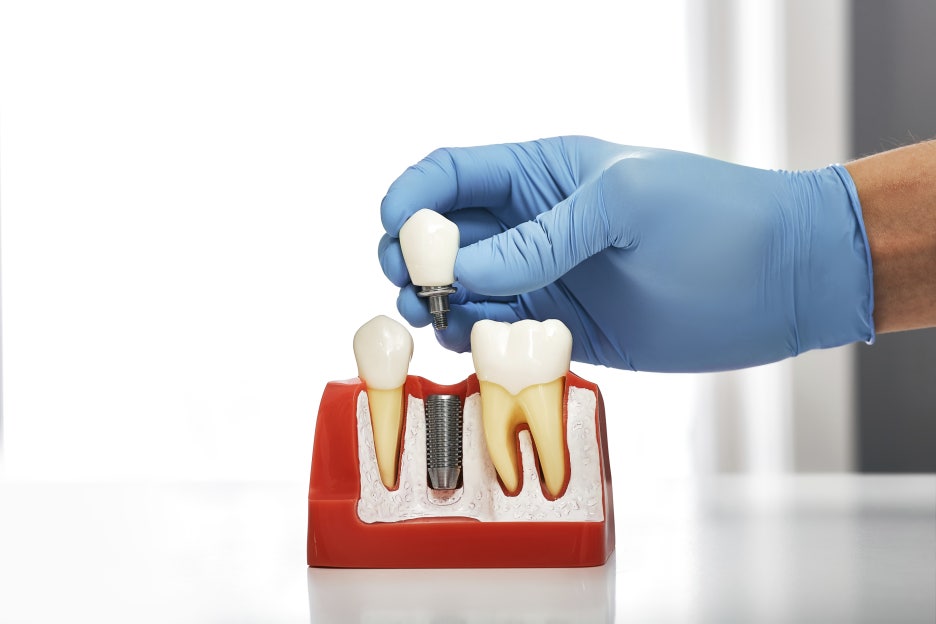
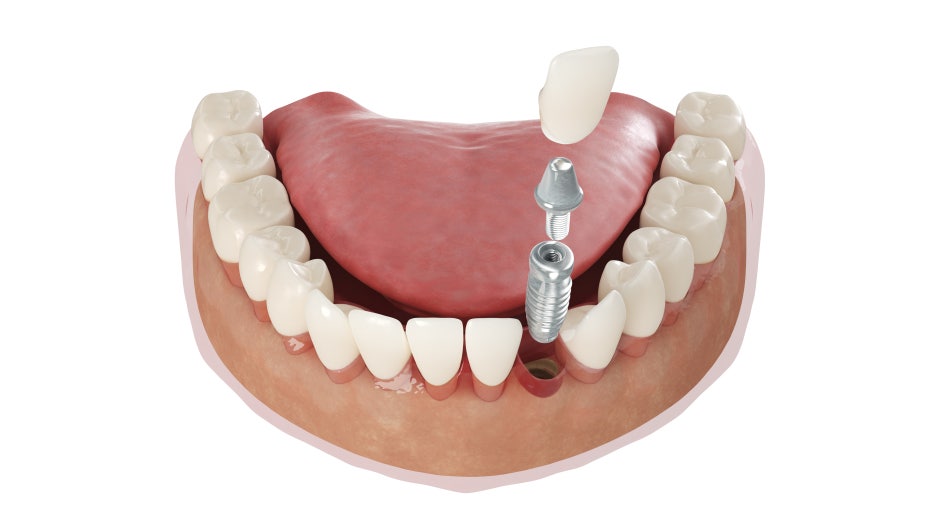
Since this is the process of creating a new tooth that will be used for a long time, I hope you choose the method most suitable for you through sufficient consultation and diagnosis.
I hope you will keep today’s points in mind and make a good decision after enough consultation.
Thank you for reading our blog post to the end.
This has been Director Sim Seong-hwan.