Hello, this is Chief Director Shim Sung-hwan.
"At Janghanpyeong Dental Clinic, what is important for implants to last a long time?"
Implants are an effective treatment method that can replace natural teeth, but not every patient who receives the procedure can use them smoothly for a long time.
Some last well for 10 or 20 years or more, while in some cases they come loose or become inflamed after only a few years.
Why does this difference occur even though the treatment is the same?
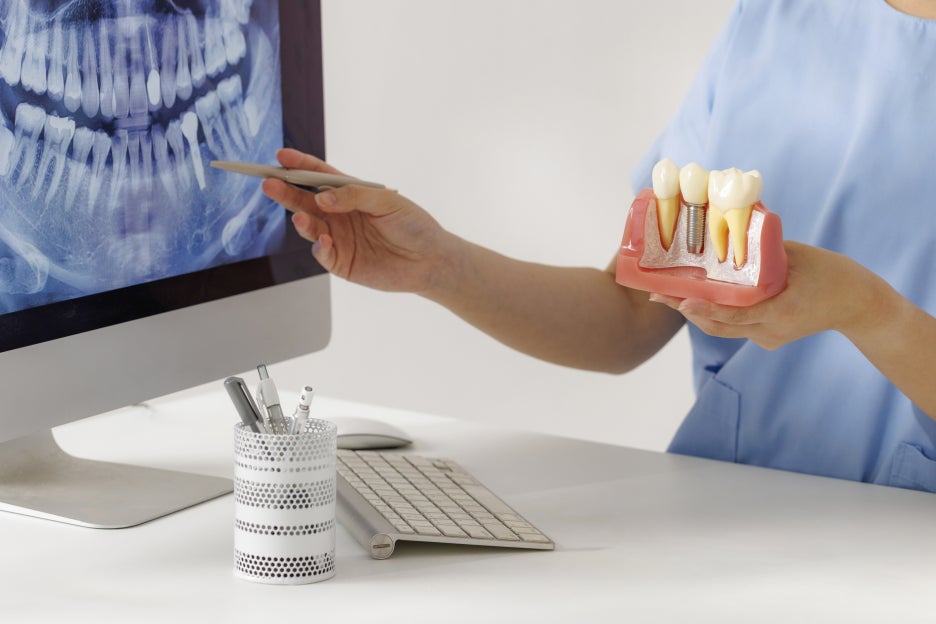
The success of an implant is not simply a matter of whether the surgery is done well.
To extend the lifespan of an implant, accurate diagnosis and treatment planning, precise procedures, and systematic aftercare must all be carried out properly.
So today,
-
The difference between a dental clinic where implants last a long time and one where they do not
-
Why treatment costs differ from hospital to hospital
-
How to keep implants healthy for more than 10 years
Let’s take a look at these three subtopics together.
Long-lasting implants,
implants that develop problems,
what is the difference?
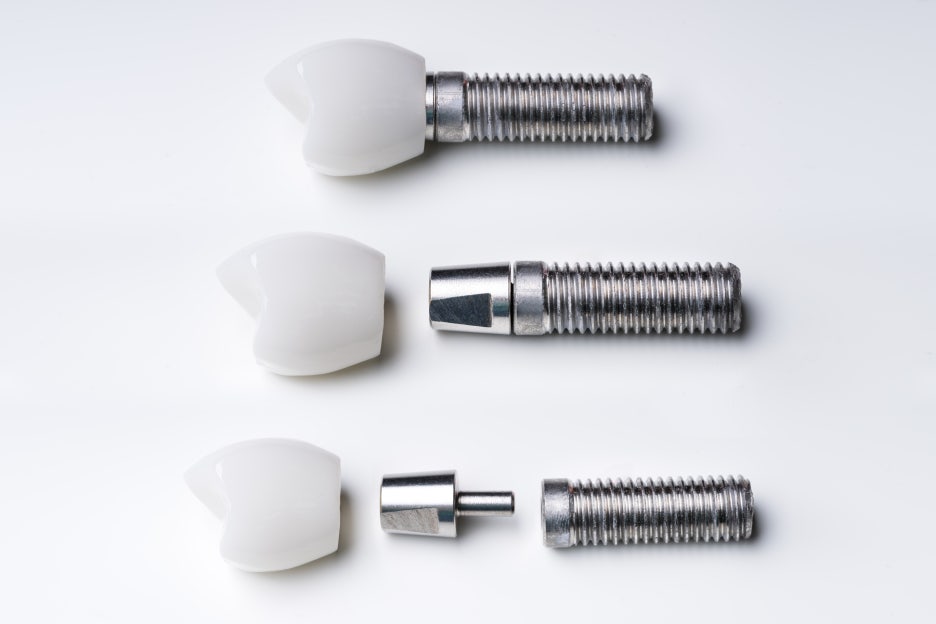
It is important for implants to harmonize with the overall oral environment.
Even when the same materials are used, some dental clinics can maintain them for more than 10 years without problems, while at others there are cases of inflammation or dislodgement.
There are broadly three factors that create these differences.
First, accurate diagnosis and treatment planning.
When performing an implant procedure, you should not consider only the one tooth being treated.
You need to comprehensively analyze the relationship with surrounding teeth, the condition of the gums, and the density and amount of bone.
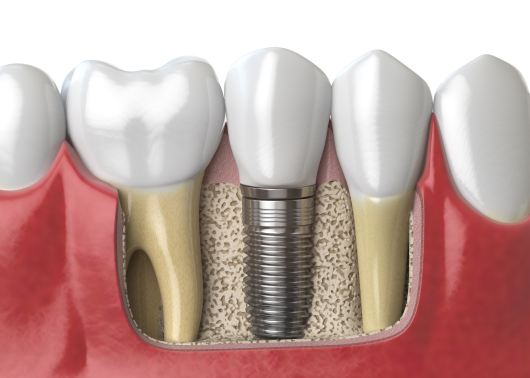
For example, if the procedure is performed when the density and amount of bone are insufficient, without proper bone grafting, the implant is more likely to become loose or come out later.
That is why it is important to establish an appropriate treatment plan from the start through precise diagnosis using 3D CT scans.
Second, precise placement and occlusion adjustment.

Because implants must withstand chewing forces, they need to be placed so that the force is distributed evenly.
If the angle is incorrect or the bite is not properly aligned, one side may be overloaded, which can cause the prosthesis to break or the gums to become inflamed.
Therefore, it is necessary to use a precise guided system to accurately adjust the implant position and carefully fine-tune the occlusion.
Third, differences in aftercare.
Even if the procedure is successful, problems are likely to occur if post-treatment care is not properly provided.
Unlike natural teeth, implants do not have a periodontal ligament, so sensation is dull, and there is a possibility of gum inflammation (peri-implantitis).
To prevent this, the tissues around the implant must be kept healthy through regular checkups and scaling.
In this way, "regular checkups" and "proper oral care habits" after the procedure become important factors that determine the lifespan of an implant.
Janghanpyeong Dental Clinic,
Why do implant costs differ from hospital to hospital?
The hidden reasons behind price differences
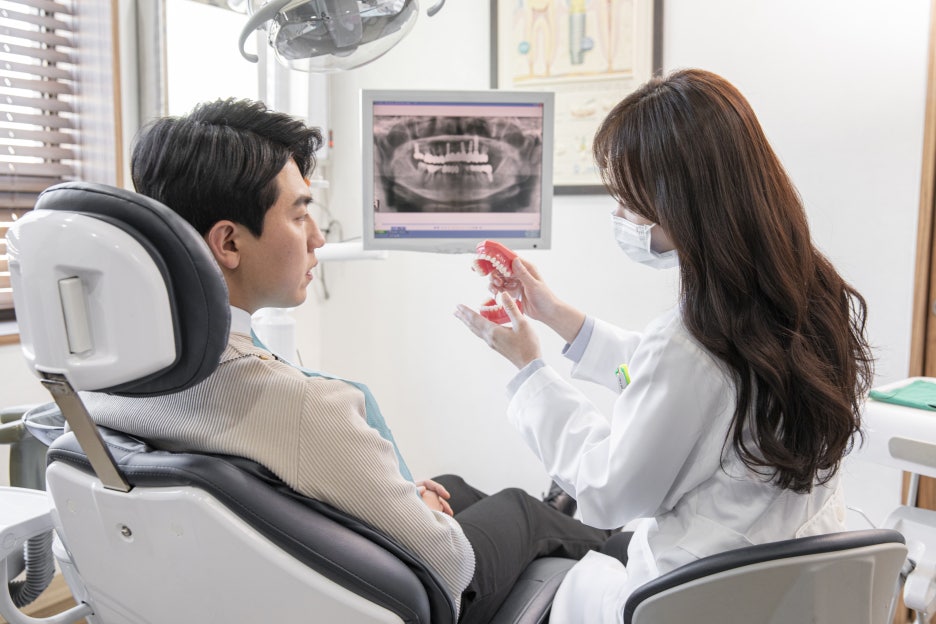
If you have already visited a few dental clinics, you may know that when you go for an implant consultation, the treatment cost differs from hospital to hospital.
Some places offer relatively low prices, while others charge higher amounts.
From the patient’s perspective, it is only natural to wonder about this difference.
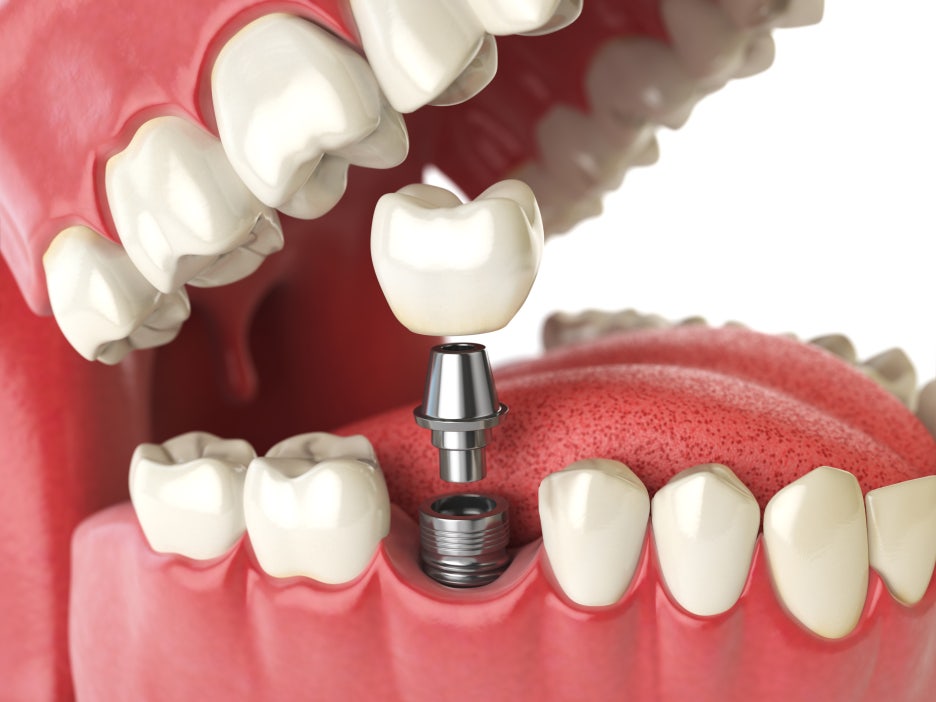
The first reason is the difference in implant systems and materials.
Not all implants have the same quality.
There are implant systems that have been validated over the long term through research and development, and there are also relatively inexpensive products.
Implants from brands whose stability has been proven over a long period have a high osseointegration rate and excellent prosthetic precision, making them advantageous for long-term maintenance.
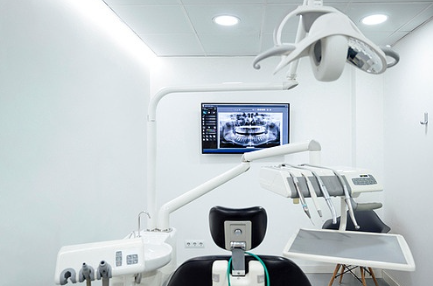
The second reason is the equipment and technical skill used during the procedure.
The key to an implant is placing it accurately into the bone, and for this, equipment such as 3D CT analysis, digital guided surgery, and navigation implants is often used.
Using these technologies can reduce errors and allow for more precise procedures, but they can also add to the cost.
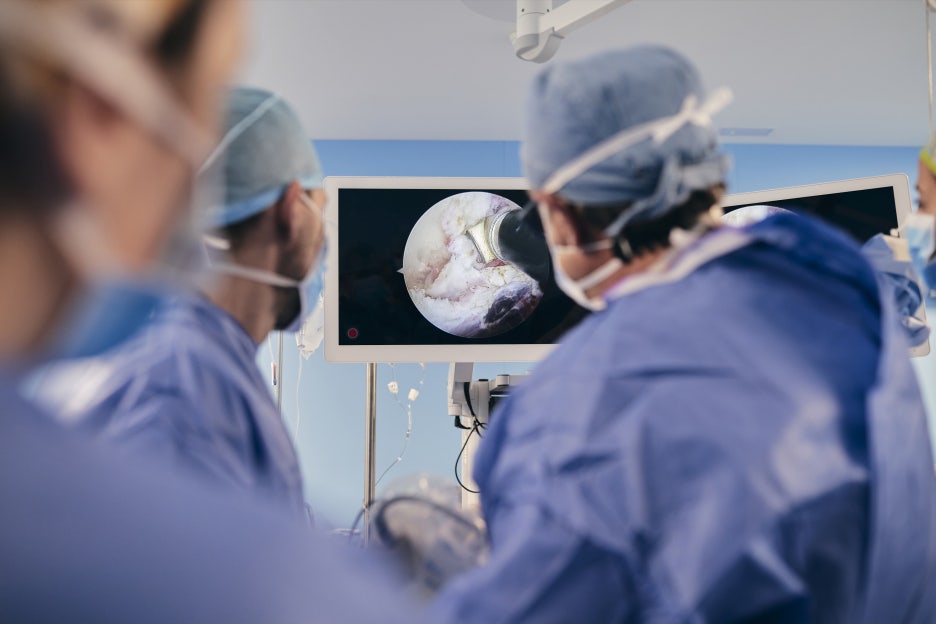
The third reason is the experience and skill of the medical staff.
Even when the same materials are used, the results can vary depending on the clinician’s skill.
In particular, for areas with insufficient gum bone or aesthetically important areas such as the front teeth, the more experienced the clinician is, the higher the likelihood of achieving a natural result.
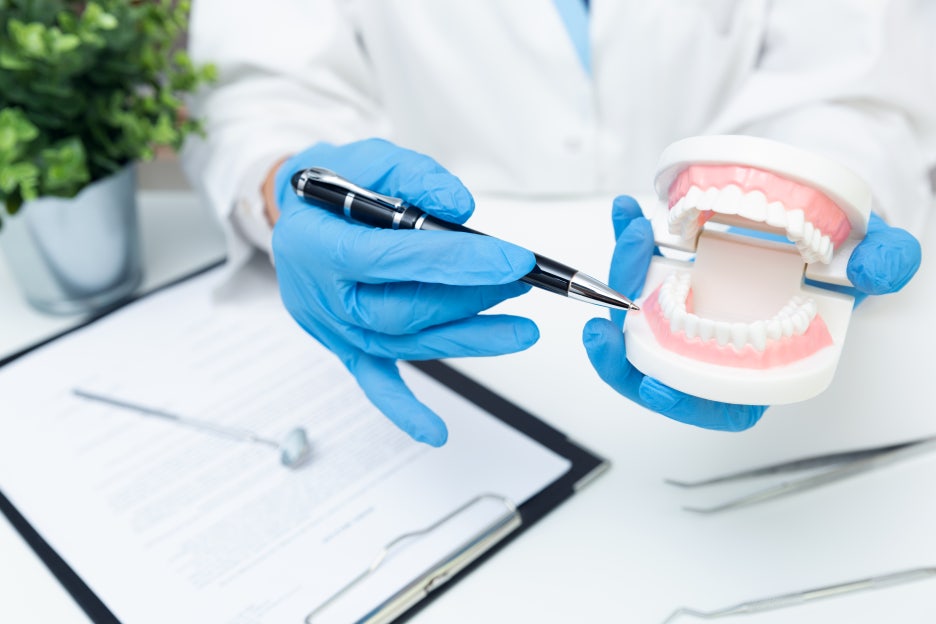
Experienced clinicians are better able to respond to unexpected situations and can create treatment plans that also consider long-term outcomes.
As such, when choosing a dental clinic for implants, rather than simply looking for the lowest price, we recommend carefully considering the materials used, the treatment process, the clinician’s experience, and the aftercare system.
After 10 years of implants,
the difference between cases that are maintained well
and cases that are not

To use implants for a long time, post-procedure care is essential.
What is the difference between cases where there are no problems even after 10 years and cases where they come loose after just a few years?
The biggest difference is regular checkups and proper oral hygiene habits.
Implants have the advantage of not developing cavities, but they can be vulnerable to inflammation.
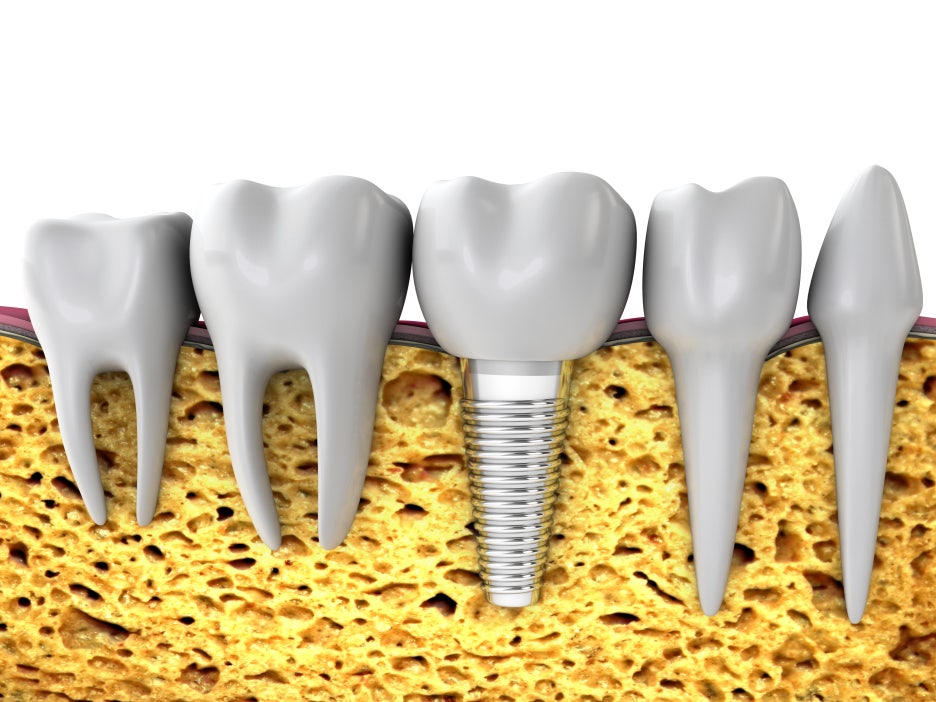
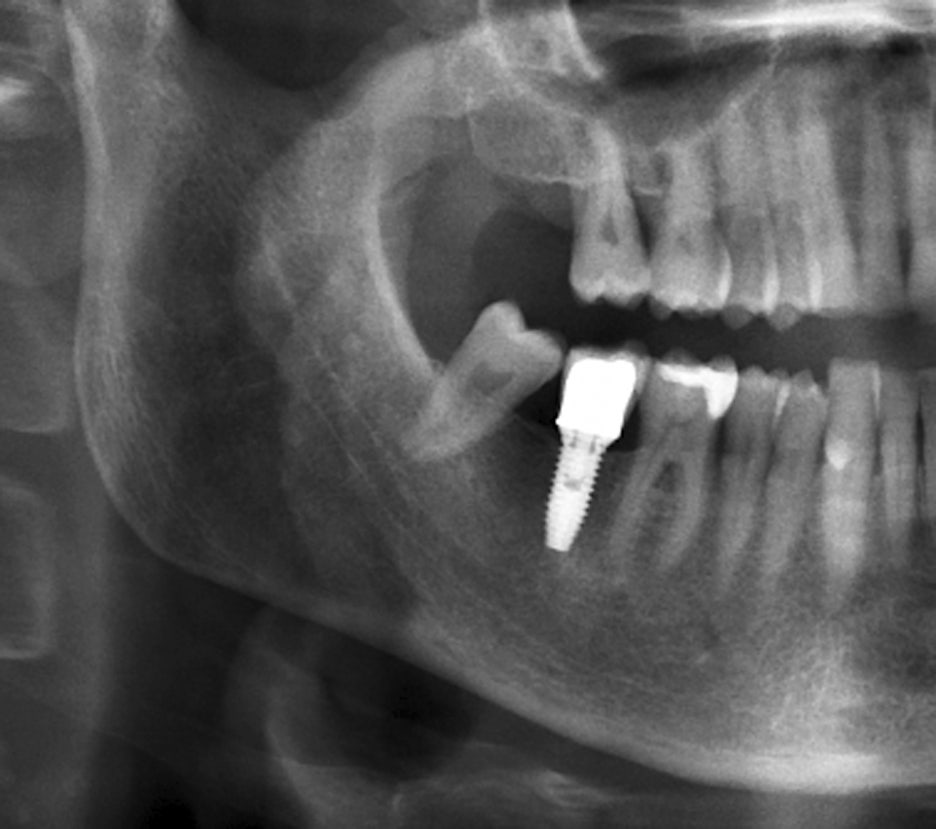
This is because surrounding tissues such as the gums and jawbone around the implant prosthesis can become infected by bacteria and develop inflammation.
Because of this peri-implant inflammation, the jawbone can be damaged and the implant may come out.
To prevent this situation, it is important to visit the dental clinic regularly for scaling and oral examinations.
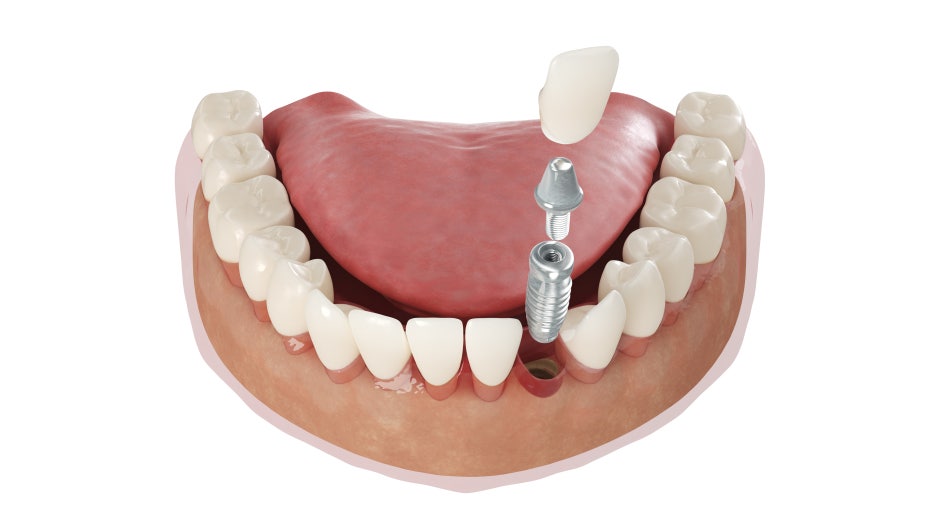
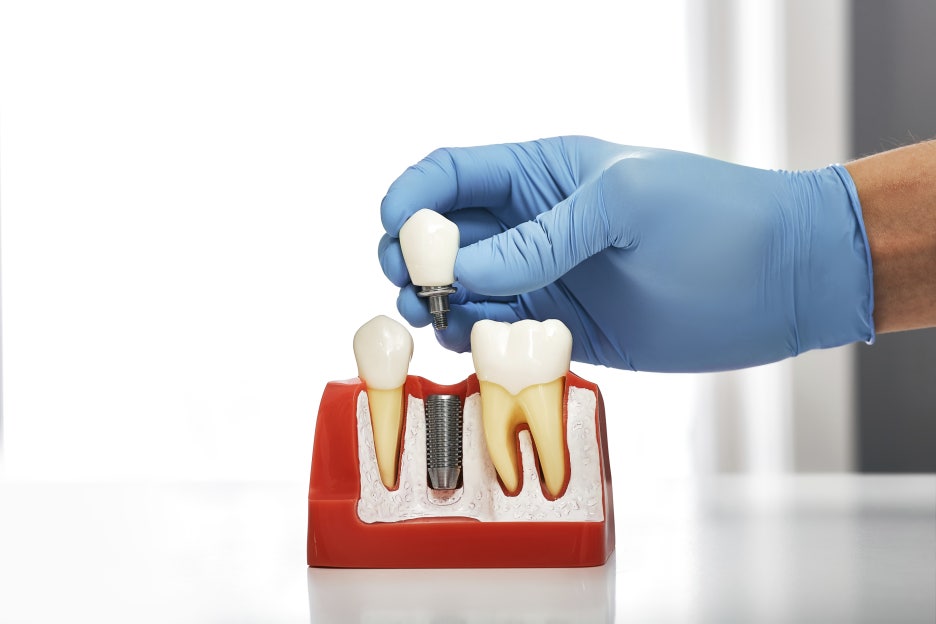
Smoking and lifestyle habits also have an effect.
Smoking interferes with blood circulation and causes gum inflammation, lowering the survival rate of implants.
Also, if you frequently chew hard foods or grind your teeth severely, excessive force can be placed on the implant prosthesis and damage may occur.
For this reason, after assessing the condition of the teeth and gums, I tend to recommend a night guard together with treatment when I suspect a teeth-grinding habit that the patient may not recognize themselves.

Janghanpyeong Dental Clinic,
The first choice matters when it comes to implants.
Remember that it is better to establish an accurate diagnosis and plan from the beginning so that implants can be used for a long time, and I hope you will make a careful decision and choose without regret.
This has been Chief Director Shim Sung-hwan.
Thank you.