Hello, I’m Director Sim Seong-hwan.
Today, I’d like to talk about “implants,” a topic many people are interested in at Konkuk University Station Dental Clinic.
When you lose a tooth, this is the treatment option many people think about most. But even when you decide that you want to get an implant,
it is not easy.

It is only natural to feel worried and uneasy, with thoughts like, “Won’t it be complicated?”, “Will it hurt?”, or “What if it doesn’t suit my body?”
I also hear these concerns often in the clinic. So today, I’d like to explain implants in a simpler, more comfortable way.

An implant is not simply a treatment that “inserts an artificial tooth.”
Sometimes people casually think of it as a procedure that is over once something is just “inserted,” but in fact, implants require a very precise and complex process.
At times like this, I often explain it by comparing it to planting seeds or planting a tree.
A tree planted in good soil and in a place with good conditions grows strong for a long time, but if the ground is weak or the surrounding environment is poor,
even the best sapling will not last long.
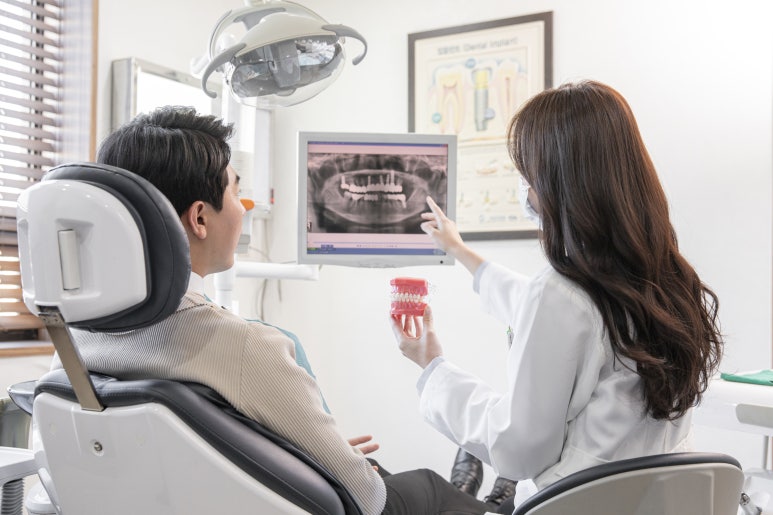
Implants are the same.
To use that one artificial tooth for a long time, we need to carefully check the gum bone that supports its root, gum health, and even your overall health condition.

First, the condition of the gum bone is important.
Because an implant is structured by fixing an artificial root into the jawbone, if the foundation bone is insufficient or weak, the success rate drops no matter how good the materials are.
In such cases, the foundation must first be strengthened through a process called bone grafting. It is like packing loose ground firmly before planting a tree.
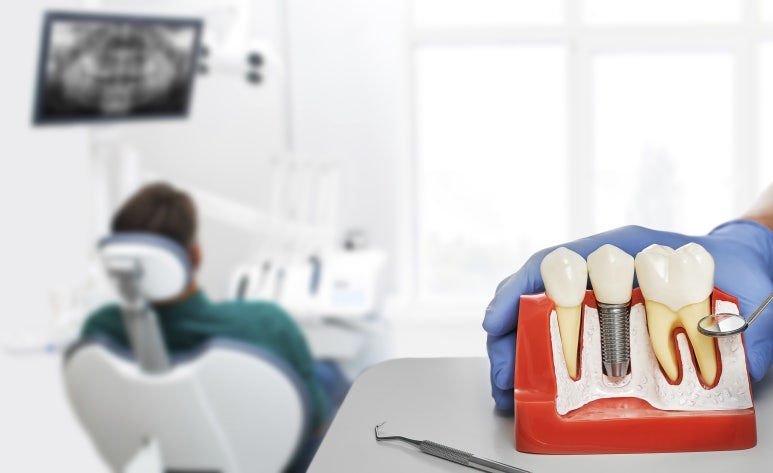
Second, there should be no gum inflammation.
If your gums often swell or bleed, chronic inflammation may already be progressing.
If an implant is forced in under such conditions, the root and bone may not bond well due to inflammation, and the implant may eventually come loose.
That is why it is safer to first proceed step by step with gum treatment and then place the implant when the gums are healthy.

Third, overall health must also be considered.
If you have chronic conditions such as diabetes, high blood pressure, or osteoporosis, your recovery speed or risk of infection may differ from that of the general population.
In particular, for people with diabetes, it is very important to check blood sugar control before surgery and to create a treatment plan together with any medications being taken.
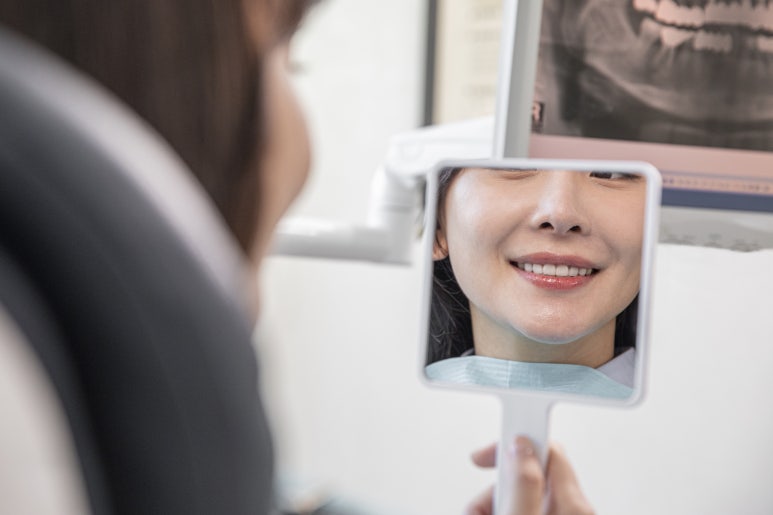
An implant can be used for a long time without problems only when it is performed accurately and carefully under conditions that suit you well.
When we recommend treatment, we always ask these questions first.
"Will this treatment truly help the patient?"
"If this were my family, would I treat it this way?"
That is why we treat each patient more carefully, more honestly, and according to their individual situation.
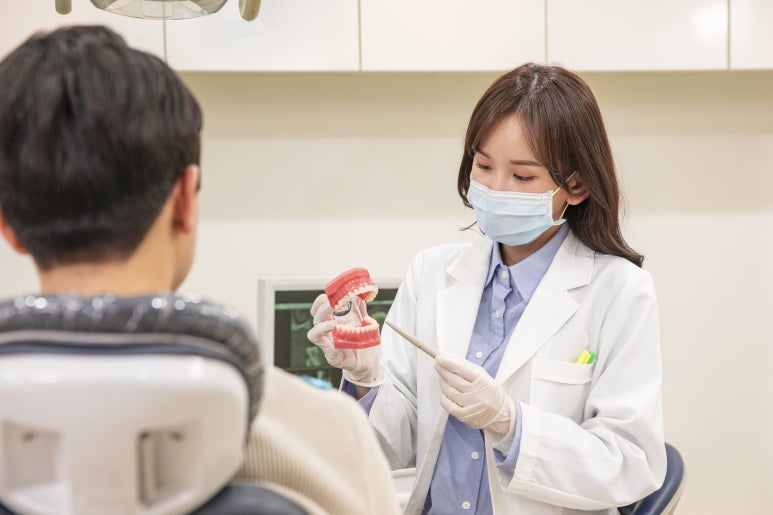
When getting an implant, we hope you receive thorough care at a place that fully considers your teeth and overall health.
Teeth are not simply tools for chewing; they are valuable assets directly connected to quality of life. That is why one decision can change the next 10 or 20 years.