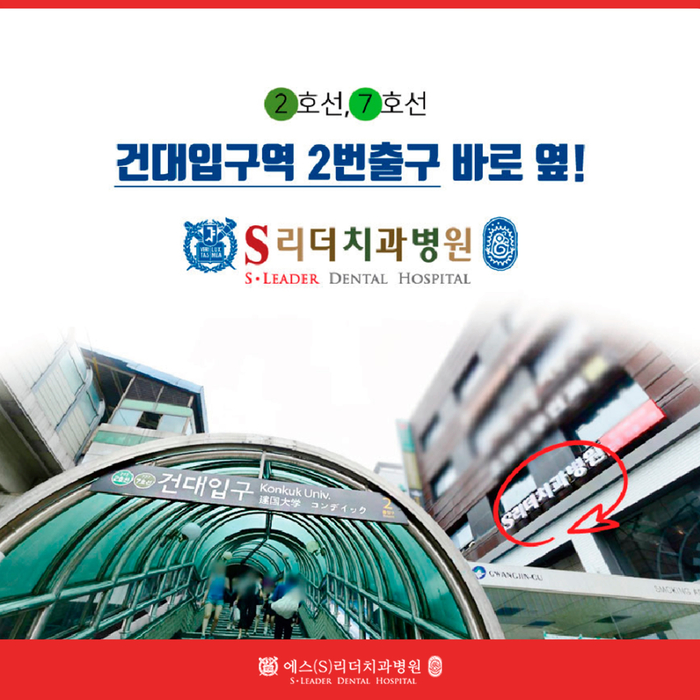
Hello, I’m Director Lee Seora from Konkuk University Entrance Orthodontic Clinic.
Orthodontic treatment is often seen as a cosmetic procedure simply for straight teeth, but in reality, it is a more complex treatment that means much more than that. At first, you may start because you want a better-looking smile, but once the treatment begins, you realize that it requires more time, money, and patience than expected.
That is why, before starting orthodontic treatment, it is important to fully understand several things and make your decision carefully. Only then can you finish the treatment without regret and without giving up halfway, right?
Today, let’s go over the important facts you should know before starting orthodontic treatment.
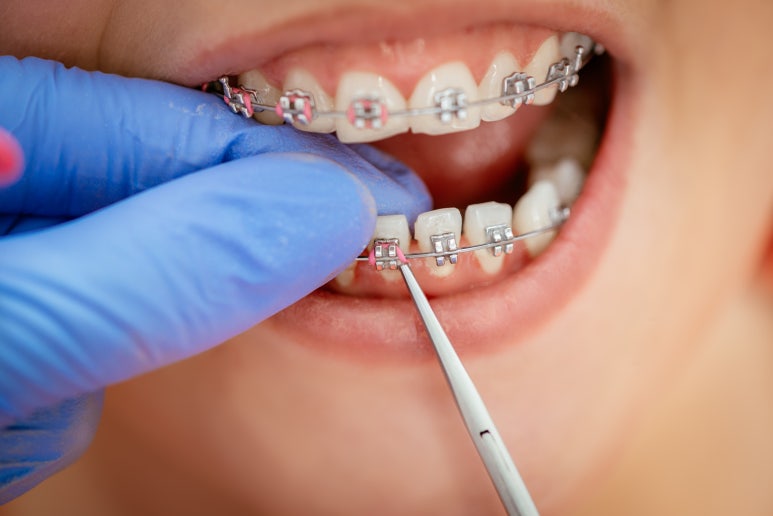
- Orthodontics is not just for cosmetic purposes; it is treatment to improve function.
First of all, one thing many people do not fully realize is that orthodontic treatment does not end with simply making the teeth line up evenly. Orthodontics is not just cosmetic; it is treatment to improve function. Problems such as crowded teeth, crooked teeth,
underbite, missing chin, and protruding mouth affect not only appearance but also chewing function, speech, oral hygiene, and even the health of the temporomandibular joint.
If the teeth are not aligned properly, brushing becomes difficult, food gets stuck more easily, and the risk of cavities and gum disease increases. If the jaws do not fit together properly, the temporomandibular joint is strained, which can also lead to secondary pain such as headaches or stiffness in the neck and shoulders. You should keep in mind that orthodontics may be needed to prevent and improve these problems.
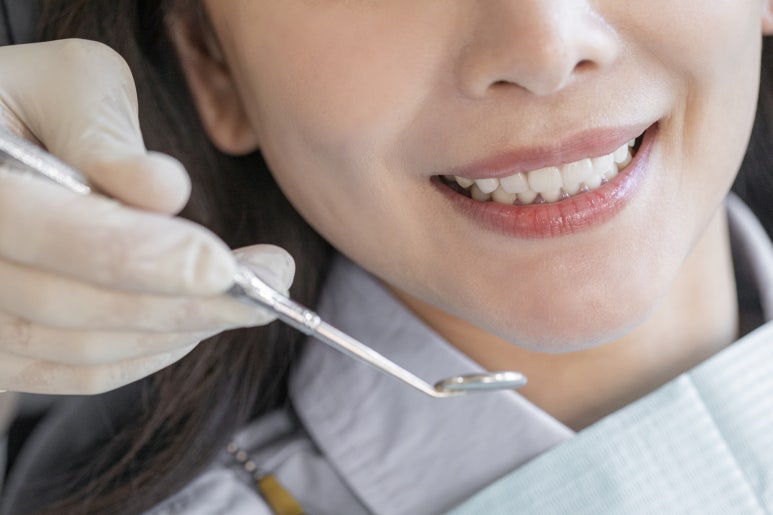
- It is not a treatment that ends with one or two visits.
Also, orthodontics is not a treatment that ends with just one or two visits. In most cases, it takes at least one and a half to two years, and in some cases, more than three years. During this period, you may need to visit the dental clinic dozens of times or more, and adjustments are made at each visit, so it requires a considerable amount of time and effort. That is why choosing which dental clinic to receive orthodontic treatment from is a very important decision.

Rather than deciding simply because the cost is low, it is better to carefully consider the medical staff’s orthodontic experience, treatment philosophy, thoroughness of consultation,
and how clearly the orthodontic plan is explained.
During the consultation, check whether the clinic is well equipped with diagnostic devices, whether they sufficiently explain your condition, and whether the expected treatment period and plan are presented in detail. It is very important to choose a clinic that listens carefully to the patient and is prepared to accompany you through a long-term treatment process.
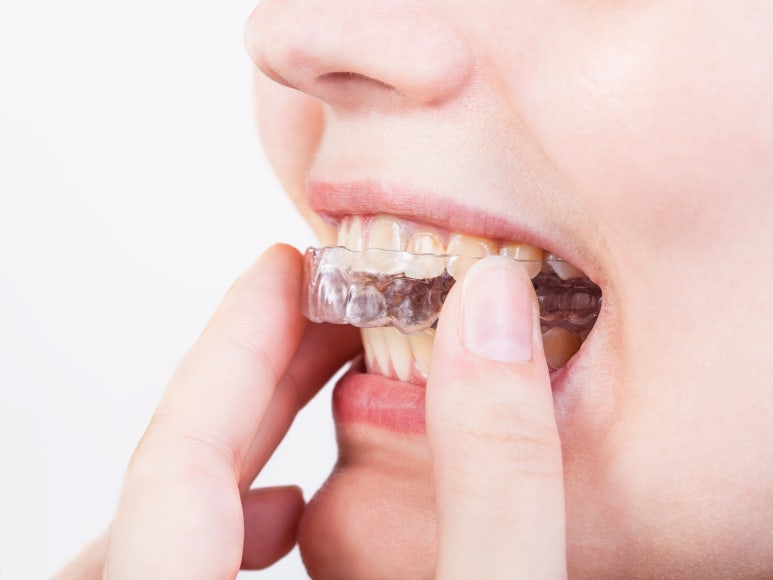
- You need to choose the type of orthodontic appliance.
Many people also struggle with choosing an orthodontic appliance. In addition to the well-known metal brackets, there are various options such as ceramic brackets, lingual orthodontics, and clear aligners (such as Invisalign). Since each has its own advantages and disadvantages, it is better to carefully consider your dental condition, lifestyle habits, budget,
and more, rather than deciding based only on aesthetics.
Clear aligners are excellent in terms of appearance, but if the patient does not cooperate well, their effectiveness may decrease. Lingual orthodontics is not visible from the outside, but it can cause more speech difficulty and tongue discomfort. It is best to discuss the characteristics of each appliance and which option is right for you with your dentist before making a decision.
- Thorough oral care is necessary.
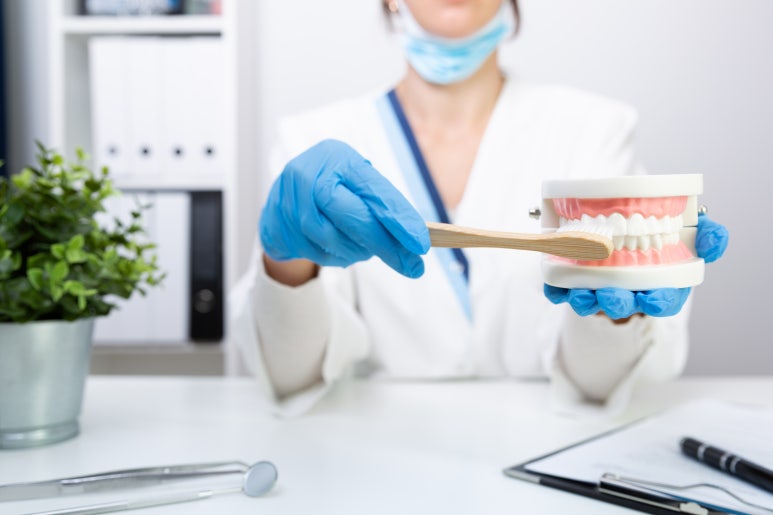
You should also know that once orthodontic treatment begins, there may be more discomfort than expected. When the appliance is first attached, you may feel a foreign-body sensation or pain, and there may also be restrictions on eating.
Sticky or hard foods can damage the appliance, and food can easily get caught between the brackets. That is why much more thorough oral care than usual is needed during orthodontic treatment.
The use of helper tools such as interdental brushes or a Waterpik is almost essential, and if you do not develop proper brushing habits, cavities or periodontal disease may occur, which could cause treatment to be paused or delayed. In particular, adolescents and busy office workers are more likely to neglect oral care, so extra caution is needed.
- You need to check whether extraction is necessary.
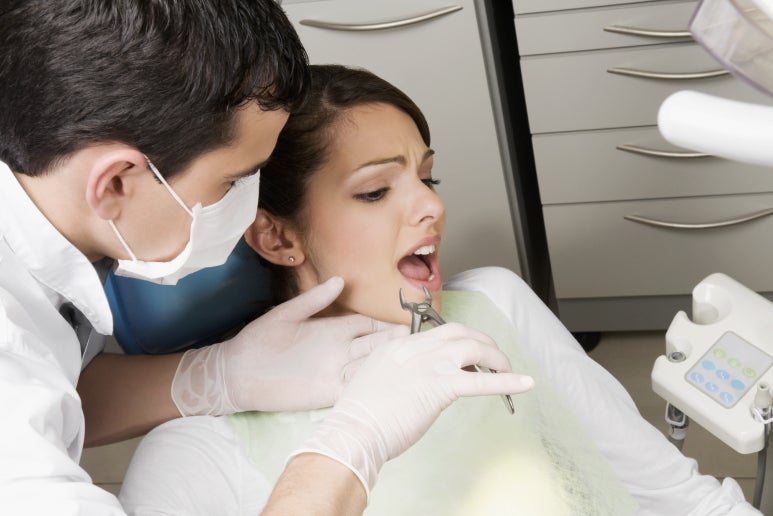
Another important point is whether extraction is needed. Many people are very afraid of tooth extraction when it comes to orthodontics, but in fact, depending on the case, extraction may be one of the essential treatment steps. In order for the teeth to be arranged neatly, space is needed, so in many cases a premolar in front of the molars or canines is extracted to secure that space.
Of course, many places now advertise that non-extraction orthodontics is possible, but non-extraction is not always better. In fact, forcing alignment without extraction can result in protruding lips or a worse bite. Therefore, the decision about extraction must be made based on an accurate diagnosis by the dentist, and it should not be refused simply because it is scary or painful.
- The retention period is important.
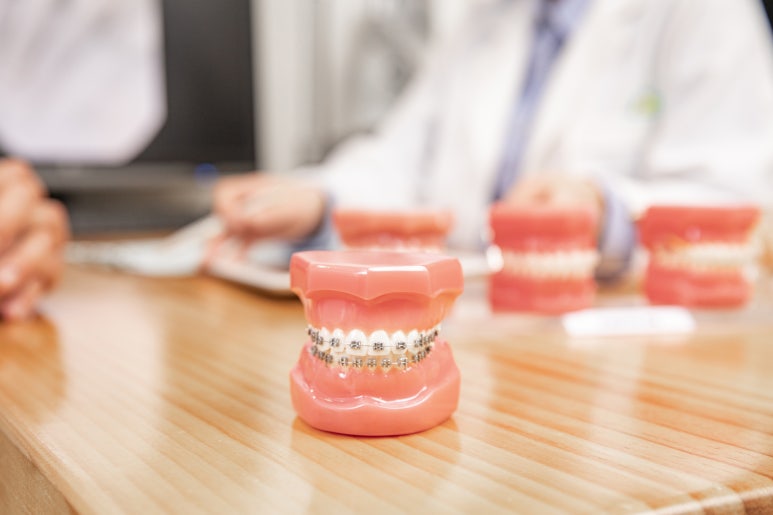
Lastly, orthodontic treatment does not end when the active treatment ends. The “retention period,” during which you wear a retainer, is very
important.
In most cases, the retention period needs to be as long as the treatment period, and if this period is neglected, the teeth can shift again. This is the situation where so-called “post-orthodontic” treatment becomes necessary. That is why, when starting orthodontic treatment, it is important to plan with the long journey to completion in mind.
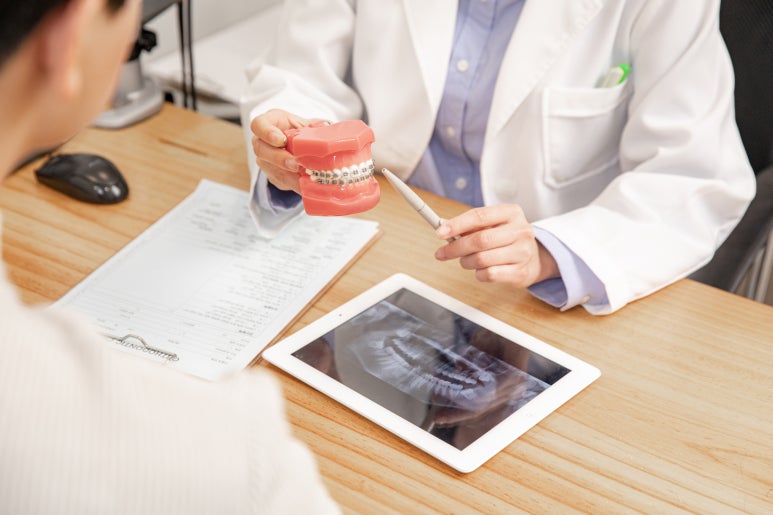
Orthodontic treatment is not a simple cosmetic procedure, but a valuable process that can improve your overall oral health and increase your quality of life for years to come. Before treatment, I hope you will study enough, receive thorough consultations, and make a careful decision based on your lifestyle and circumstances.