Hello, this is S Leader Dental Hospital in Gwangjin-gu.
Why do teeth feel sensitive after scaling?
A complete guide to the causes and how to manage it!
Scaling is a treatment people receive regularly for dental health, but many of you may have experienced saying, “My teeth feel sensitive,” or “They sting even when I drink cold water” after the procedure.
Scaling is clearly a treatment for your health, so why does sensitivity appear instead?
In this post, we’ll take a detailed look at why teeth feel sensitive after scaling and how to ease it.

What is scaling?
Scaling is a treatment that removes tartar (hardened masses of bacteria) attached to the surface of the teeth. No matter how carefully you brush, tartar will eventually form between the teeth and gums, and because it cannot be removed on your own, it must be removed regularly at a dental clinic using professional equipment.
Scaling is a very important treatment for maintaining gum health and preventing gum disease and cavities.
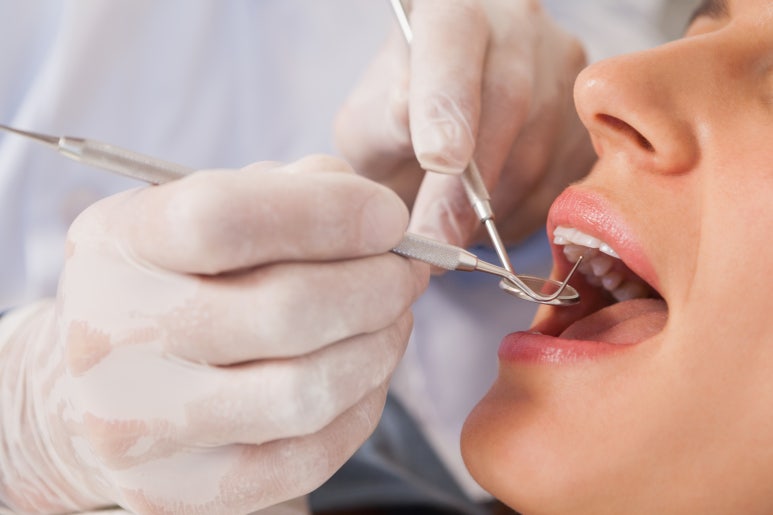
Then why do teeth feel sensitive after scaling?
There are several reasons why teeth may feel sensitive after scaling.
- Because the tooth roots that tartar had been covering are exposed
Tartar sticks firmly to the teeth and also acts like a “barrier” that blocks some stimulation. But this is not a healthy protective layer; it is a mass of bacteria.
When tartar is removed through scaling, the tooth roots underneath (the cervical area) become exposed and may react sensitively to external stimuli such as cold water or cold wind. In particular, if the gums have receded significantly or tartar has built up for a long time, the sensitivity may feel stronger.
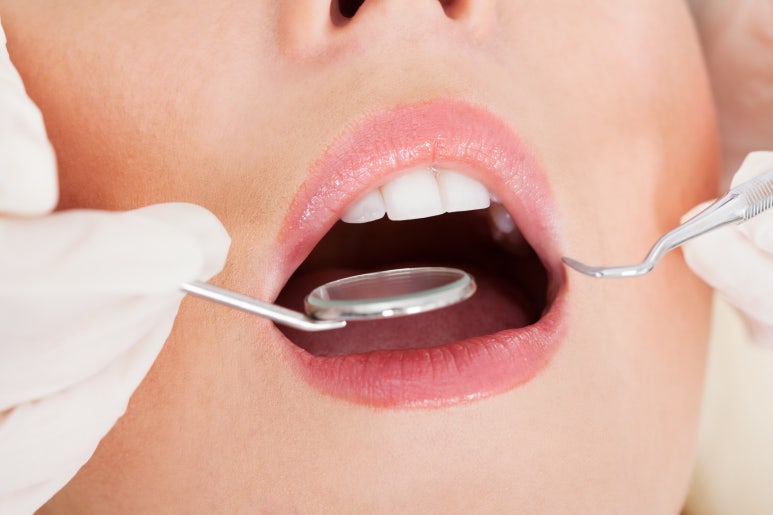
- The tooth surface becomes temporarily rough
When tartar is removed with scaling instruments, the tooth surface may become slightly rough, which can make it more sensitive to cold stimuli. In general, after a few days or about a week, the surface naturally becomes smoother and the sensitivity eases.
- The gums are recovering from inflammation
Before scaling, inflammation in the gums may have made them numb, and after treatment, as they recover, you may actually feel the sensitivity more clearly. It is similar to the feeling of numbness wearing off and sensation returning.

How long does the sensitivity last?
In most cases, sensitivity after scaling improves naturally within 1 to 2 weeks. However, the degree of symptoms can vary from person to person.
If the sensitivity lasts longer than 2 weeks or even feels painful, there may be another cause (such as cavities or cracks), so it is best to visit the dental clinic again for an accurate examination.
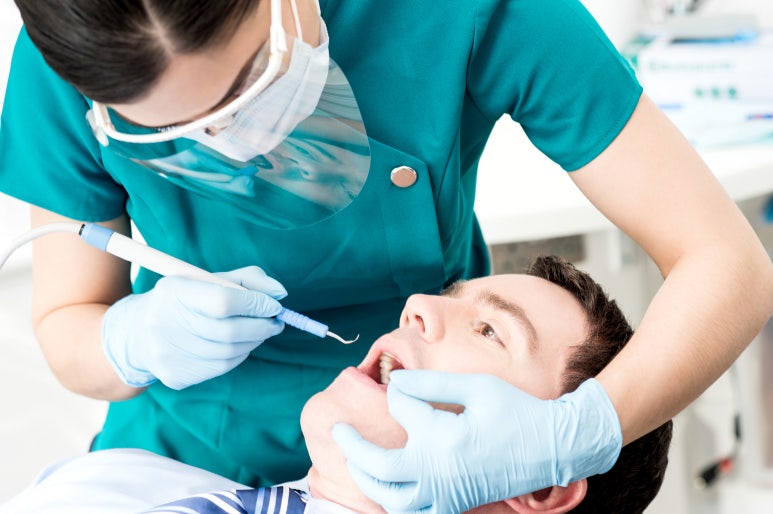
How to relieve sensitivity after scaling
If you are worried about sensitivity, try practicing the following everyday care tips!
- Use toothpaste for sensitive teeth
Using a toothpaste made for sensitive teeth (for example, Sensodyne, Cinederm, etc.) can help relieve irritation and protect exposed nerves.
→ For best results, it is recommended to use it consistently for at least 2 weeks.
- Avoid cold foods and cold drinks
For a few days right after scaling, it is best to avoid iced coffee, carbonated drinks, ice cream, and similar items for a while. Stimulating foods can make sensitivity stronger.
- Brush with a soft toothbrush
Brushing too hard can wear down the teeth even more and irritate the gums.
→ Use a soft-bristled toothbrush (SOFT), and instead of scrubbing hard, brush gently in a circular motion.
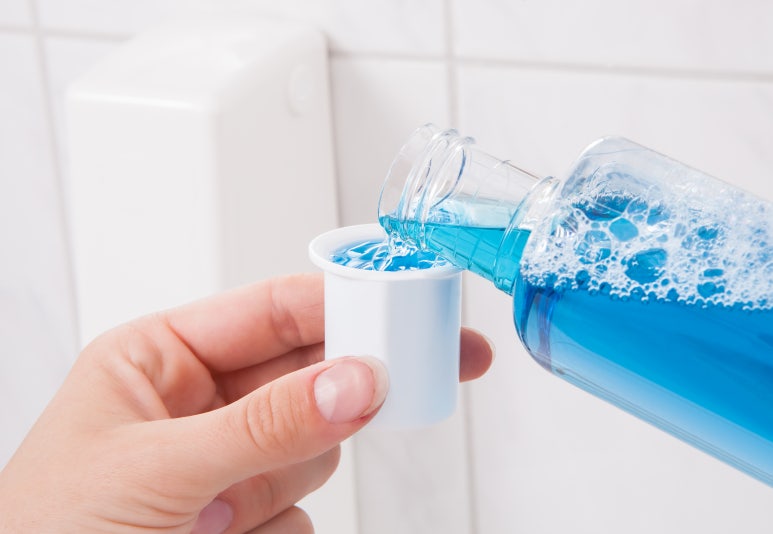
- Use an alcohol-free mouthwash
A strong gargle can worsen sensitivity. Please consider using an alcohol-free mouthwash, or choose a less irritating option such as a saltwater rinse.
- Prevent it with regular checkups
If you delay scaling because you are afraid of sensitivity, tartar may build up even more and the symptoms can worsen. Getting scaling regularly is also the best way to prevent sensitivity.
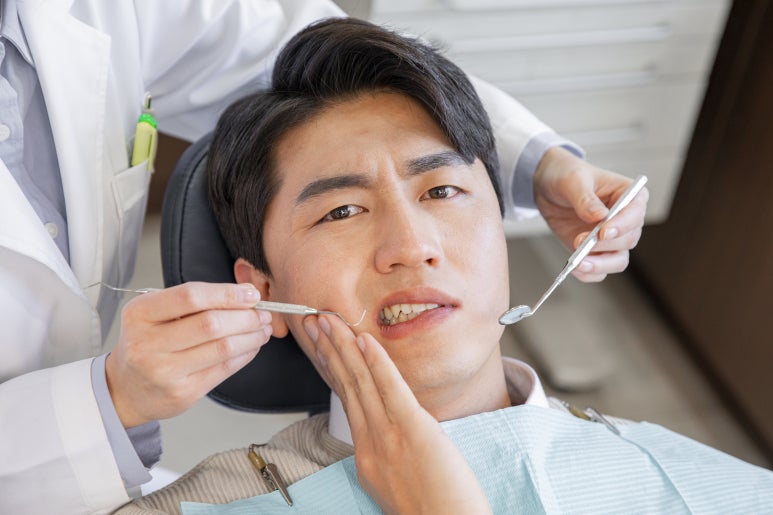
Sensitivity after scaling is a temporary reaction that many people experience. Feeling sensitivity does not mean the treatment was done incorrectly; rather, it can be seen as part of the recovery process as the teeth and gums return to their original healthy state.
In particular, people who usually have a lot of tartar buildup or weak gums may feel more sensitive at first, but in most cases the symptoms naturally decrease over time.
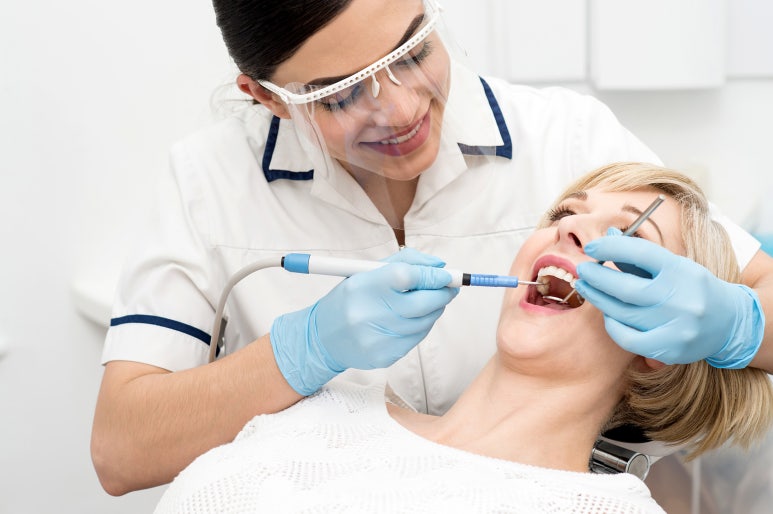
Rather than just enduring it, knowing the right information and managing it properly.
The most important thing is not to simply endure symptoms when they appear, but to know the right information and manage them properly. Small habits such as using toothpaste for sensitive teeth, brushing gently, and avoiding irritants can greatly reduce discomfort. And if you keep up with this care consistently, your next scaling treatment will be much more comfortable.
Also, please remember that scaling is not a one-time treatment—it is “regular preventive care” for the health of your teeth and gums.
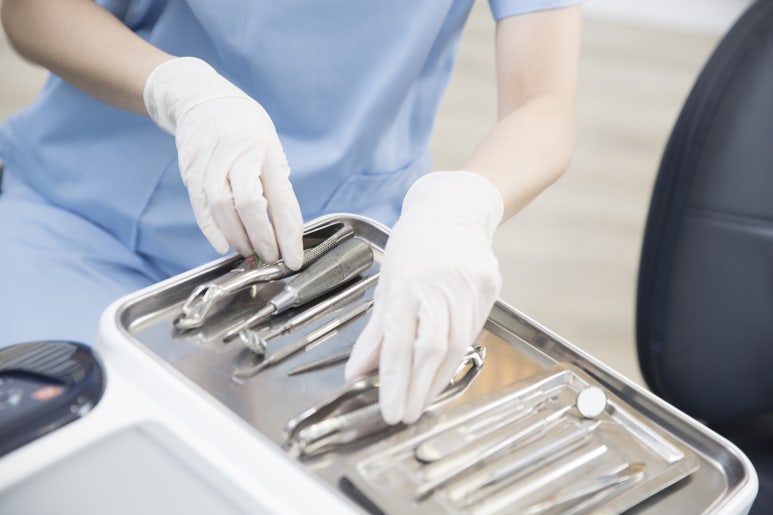
Even if visiting the dentist feels scary or makes you hesitate, it helps to get used to the idea that the dental clinic is not a place you go when you are in pain, but a place you go so you won’t be in pain.
Healthy teeth are not made overnight. Paying attention to the small changes in your mouth right now, and letting that concern turn into everyday habits—that is the first step in protecting your teeth for a lifetime.