Do wisdom teeth have to be removed?
The most common question among people who come in for advice about wisdom teeth is, “Do wisdom teeth always have to be removed?” Many people have heard from the internet or from people around them that “if you don’t remove wisdom teeth, it will cause big problems,” while others have heard that “if they don’t hurt, there’s no need to remove them.” In a situation where opinions are split like this, patients often feel confused.
At times like this, I respond as follows: “Not all wisdom teeth must be removed. But what matters is where the wisdom tooth is, at what angle, and in what condition it has erupted.” In other words, the issue is not the wisdom tooth itself, but whether it is positioned in a way that can push the teeth in front, cause inflammation in the gums, or harm the surrounding teeth.

For example, the most common case is a “horizontal wisdom tooth.” A wisdom tooth lying sideways in the gums or bone cannot erupt because there is not enough space, and it continuously pushes against the root of the molar in front. This can throw off the entire alignment of the teeth, even affecting the front teeth,
and in severe cases, it can cause root resorption in the molar. In addition, these wisdom teeth are prone to trapping bacteria, which raises the risk of repeated inflammation or even infection spreading to the jawbone.
On the other hand, wisdom teeth that have come in completely straight and are well maintained do not necessarily need to be removed. In some cases, after the opposing
molar has been lost, a wisdom tooth may even be used for prosthetic treatment. But such cases are not as common as you might think, and most wisdom teeth negatively affect the bite or are located in a position that makes them difficult to manage. That is why, when deciding about wisdom teeth, it is important to look not at whether they hurt right now, but at how much trouble they may cause in the future.

Many people also say, “It doesn’t hurt right now, so I’ll just leave it alone.” But once wisdom teeth start hurting, they usually cause problems at the worst possible time—at night, or while traveling, or during exam periods. In particular, for wisdom teeth buried deep in the gums,
inflammation can spread throughout the jaw, causing serious disruptions to daily life, such as facial swelling and difficulty opening the mouth.
That is why I always say this: “What matters more than whether a wisdom tooth must be removed is when and how to plan for it.” Unnecessary extractions should be avoided, but it is much safer and recovery is faster to diagnose in advance and remove them in a planned way before problems arise.
In conclusion, wisdom teeth are not a matter that can simply be approached as “must remove” versus “can leave alone.” More important than the tooth itself is accurately determining where it is positioned and how it is affecting the surrounding tissues.
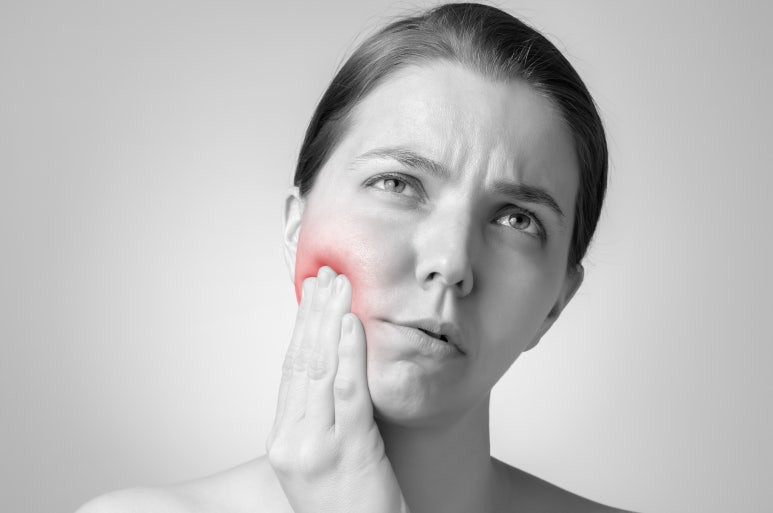
Also, just because it does not hurt does not mean you can feel reassured. Wisdom teeth often develop problems quietly, and by the time pain
begins, inflammation is often already well advanced. That is why I always emphasize this.
“Even if your wisdom tooth does not hurt right now, it may be a ticking time bomb that could cause problems someday. What matters is knowing its current condition accurately and managing it in a planned way.”
It is right to avoid unnecessary extractions, but taking action before it is too late when treatment is needed is also wisdom for protecting oral health.
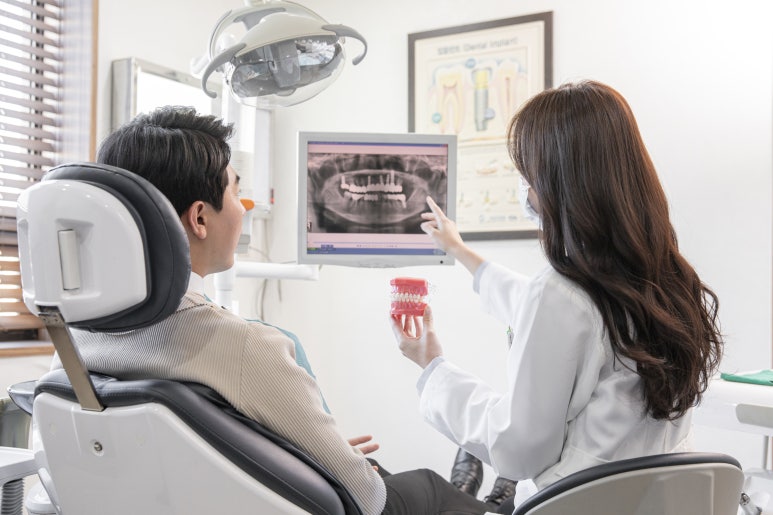
This is the ‘really important thing’ I am talking about.
This is the ‘really important thing’ I am talking about.
Wisdom teeth are not teeth that must always be removed. But they are teeth that need “planning,” not “neglect.”
Accurate diagnosis and steady management—that is the smartest way to protect yourself from wisdom teeth.