Hello, this is S Leader Dental Hospital, located in Gwangjin-gu, Seoul.

If you received a diagnosis of “malocclusion” during an oral examination,
do you have to get orthodontic treatment?
Through regular school oral examinations, workplace health checkups, or the National Health Insurance Service’s free oral examinations, some people receive the result, “There is a sign of malocclusion.” When hearing this for the first time, it is common to wonder, “My teeth are a bit misaligned, but would it be okay to leave them as they are?”, or “Do I really need orthodontic treatment?”
Orthodontic treatment is by no means simple or minor, so rather than starting treatment unconditionally, it is important to carefully determine whether it is truly necessary for your condition.

What is malocclusion?
Malocclusion refers to a condition in which the teeth of the upper and lower jaws do not properly fit together. It can appear not only as crooked teeth, but also in various forms such as asymmetry in jawbone position, protrusion of the upper or lower teeth, or an abnormal positional relationship between the upper and lower teeth.
Representative types include overbite, where the upper teeth excessively cover the lower teeth; underbite, where the lower teeth protrude farther forward than the upper teeth; open bite, where the front teeth do not touch and remain apart; and crowding, where the teeth overlap or are rotated as they erupt.
These bite abnormalities are not limited to aesthetic issues that affect appearance. They can also negatively affect chewing function, pronunciation, tooth and gum health, and even temporomandibular joint function. For example, in cases of severe protruding teeth, brushing becomes
difficult and plaque or food debris easily gets trapped, increasing the risk of cavities and gum disease. If the jaws are used asymmetrically, strain can be placed on the jaw
joint, which may lead to sounds, pain, and difficulty opening the mouth. In addition, speech may become unclear, or a habitual
mouth-breathing pattern may develop, increasing the risk of dry mouth and gum disease.
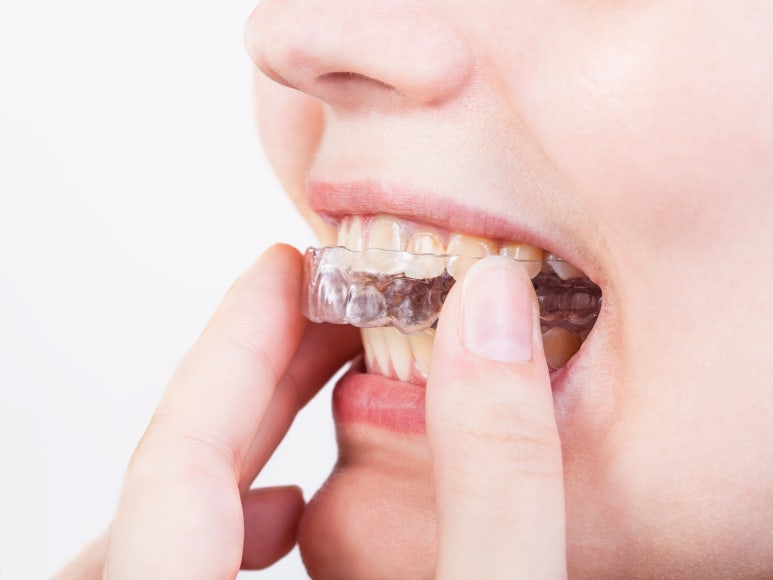
Not all malocclusion necessarily requires correction.
However, the important point is that receiving a malocclusion finding during an oral examination does not necessarily mean orthodontic treatment is required. Since health screenings are simple assessments rather than detailed diagnoses, treatment decisions cannot be made based only on the observation that the tooth alignment or jaw structure differs from what is considered normal.
Whether actual treatment is needed can only be determined through a comprehensive analysis using specialized diagnostic equipment to evaluate the bite, chewing function, movement of the temporomandibular joint, and the skeletal relationship between the upper and lower jaws. In other words, the need for orthodontic treatment should be considered based on how the current malocclusion affects daily life and whether it is likely to cause oral health problems in the long term.

The need for orthodontic treatment
For example, if teeth are crowded so brushing is difficult and oral hygiene cannot be properly maintained, if chewing places excessive force on only certain teeth and causes discomfort, or if the jaw frequently makes sounds or feels stiff and painful, orthodontic treatment should be strongly considered. Also, in children and adolescents whose skeletal growth is still ongoing, even if there does not seem to be a major problem at present, there is a high possibility that the jaw position or tooth alignment may worsen in the future. In such cases, early orthodontic treatment can help prevent functional problems and guide the jaw toward normal
growth.
On the other hand, if there are visible issues but no functional discomfort, oral hygiene is being well maintained, and you do not necessarily
want aesthetic improvement, there may be no need to rush into treatment. However, because there are many cases where things may seem fine now but the teeth gradually become more misaligned over time and the problem grows, it is wise not to leave the issue unattended after receiving a finding. Instead, you should get evaluated by a specialist and monitor the progress.
The purpose of orthodontic treatment is not simply to create evenly aligned teeth.
The purpose of orthodontic treatment is not simply to create evenly aligned teeth. It is a long-term investment and treatment that balances the bite, resolves functional problems, and creates a healthier oral environment. Therefore, if you received a malocclusion finding during an oral examination, we recommend first getting an accurate diagnosis rather than merely worrying about whether treatment is necessary.
A person’s facial shape, jaw structure, tooth alignment, age, and lifestyle are all important factors in orthodontic treatment planning, and it is important to find the treatment direction that best suits you through consultation with a specialist. Rather than wondering on your own whether treatment is needed, the most reliable way to protect your oral health is to clearly determine the timing and necessity of treatment through an early and accurate diagnosis.
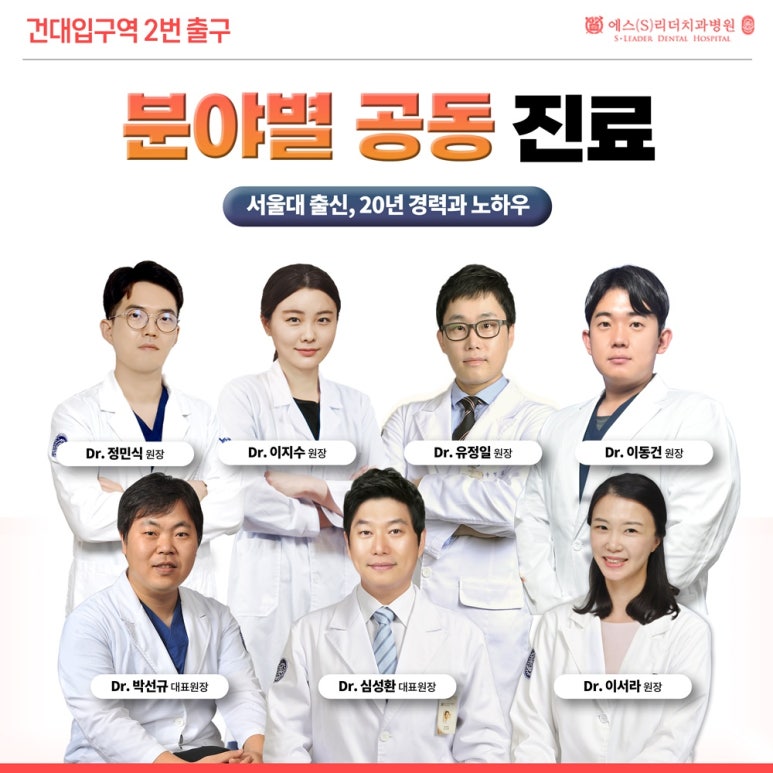
Are you considering orthodontic treatment?
Do not hesitate to
consult with an orthodontic specialist.
So far, we have looked at malocclusion and the need for orthodontic treatment. If the results of your oral examination are bothering you, we recommend that you do not hesitate to consult with an orthodontic specialist. This is because an accurate judgment is needed, taking into account not just the arrangement of the teeth, but also function and
health.
Diagnosis is better the earlier it is done. Starting orthodontic treatment at the right time can shorten the treatment period and lead to a better prognosis. If it is difficult to judge on your own, visit a nearby dental clinic and receive professional counseling tailored to your oral condition.