Hello, this is Sagajeong Station Dental Clinic, and greetings from S Leader Dental Hospital in Gwangjin-gu.

Dental care by age group:
Which treatments are most commonly received at each age?
Dental care is a habit that should stay with us for life, but in fact, the key points and treatment methods change depending on age. In childhood, the focus is on preventing cavities; in young adulthood, orthodontics and wisdom teeth become major concerns; in middle age, gum care becomes central; and as we get older, prosthetics and implants take on an increasingly larger role.
If you understand the different characteristics of dental health by age group like this, you can prepare and manage things in advance and maintain healthy teeth for much longer.
Starting now, let’s take a deeper look at the dental treatments most commonly received by age group and the key points of care.
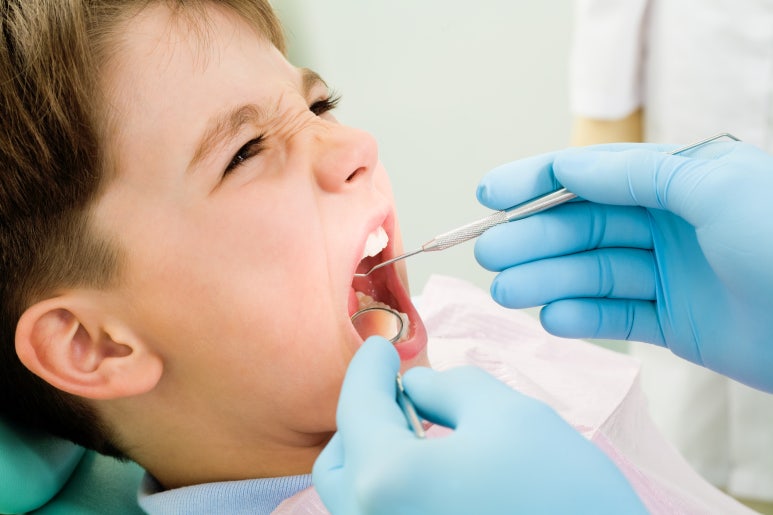
Infancy and childhood: cavity treatment
First, infancy and childhood. This is the time when primary teeth erupt and fall out, and permanent teeth take their place, so even one small habit can affect lifelong dental health. Young children like sweet foods and are still developing proper brushing habits, so the incidence of cavities is high. For that reason, preventive treatments such as fluoride application and tooth sealing (sealants) are often recommended.
At this stage, what matters more than the treatment itself is creating positive experiences through regular dental visits so that children can learn that “the dentist is not a scary place.” If dental fear develops in childhood, many people end up putting off treatment even as adults.
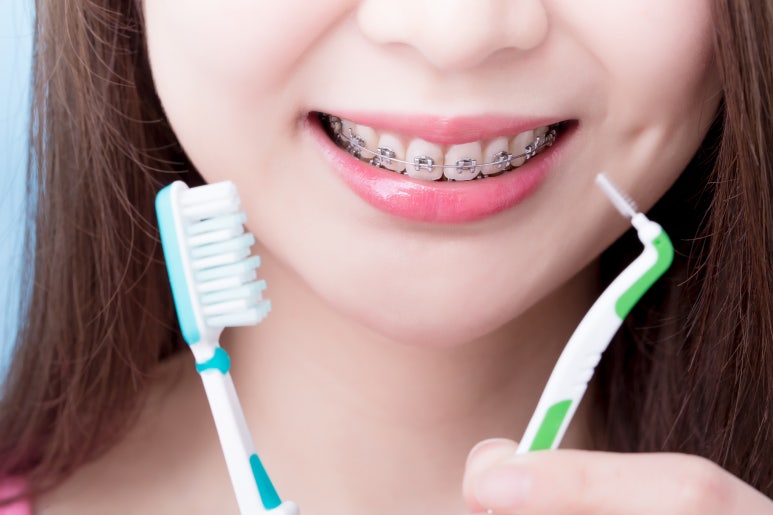
Teenage years and the 20s: wisdom teeth or orthodontic treatment
As we move into the teenage years and early 20s, the focus of dental health changes. Orthodontic treatment is a representative example. If there are issues with tooth alignment or bite, many people begin orthodontic treatment during this period. Orthodontics is an important treatment not only from an aesthetic standpoint but also in terms of function.
At the same time, wisdom tooth problems begin to appear in earnest during this stage. Wisdom teeth that are partially buried in the gums or growing crooked often need to be removed because they can cause pain and damage surrounding teeth as well.
In addition, during college years or early working life, cavities and gum inflammation are also common due to irregular eating habits, drinking, and stress. It is easy to assume there will be no major problems because the teeth are still strong, but small cavities or gum disease that develop at this time should not be neglected, as they can lead to more extensive treatment later on.
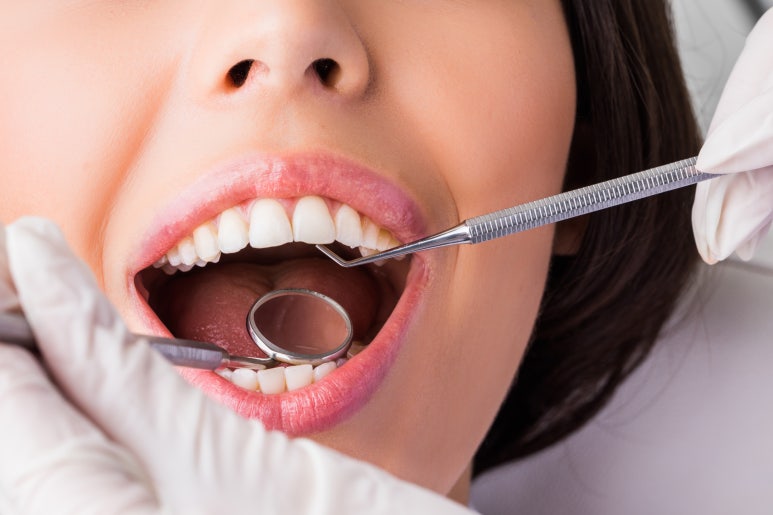
30s and 40s: periodontal disease, gum disease treatment
The 30s and 40s are a period when responsibilities at work and at home grow and life becomes busier. From this stage on, managing periodontal disease, in other words gum disease, becomes essential. Rather than the teeth themselves being the main issue, the gums and jawbone weaken, leading to gum bleeding and sensitivity. At this time, regular scaling and gum treatment are essential. Another feature of this period is the increase in prosthetic treatments that restore teeth damaged by cavities with inlays or crowns.
In particular, smoking, drinking, and stress directly harm gum health during this stage, so it is no exaggeration to say that lifestyle management is dental care. If you neglect dental health, from your 40s onward teeth may become loose or fall out more quickly.
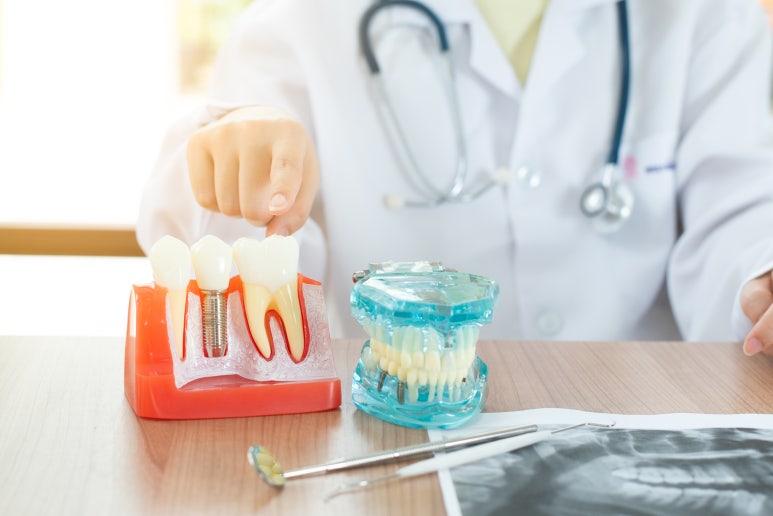
After 50: denture or implant treatment
Once you enter your 50s and beyond, the focus of dental care gradually shifts from “preservation” to “replacement.” In other words, the key issue becomes how to restore missing teeth and live comfortably without inconvenience. During this period, partial dentures and implant treatment are the most common procedures. At the same time, because the jawbone weakens with age, bone grafting or gum-strengthening treatment is often needed for implants.
In addition, because teeth themselves often wear down or break, the proportion of crown treatment also increases. But more important than anything else is letting go of the idea that “it’s natural for all your teeth to fall out as you get older.” With regular checkups and consistent care, you can protect the teeth you have for a long time, and prosthetic treatments such as implants or dentures can also be performed much more comfortably when your oral health is in better condition.
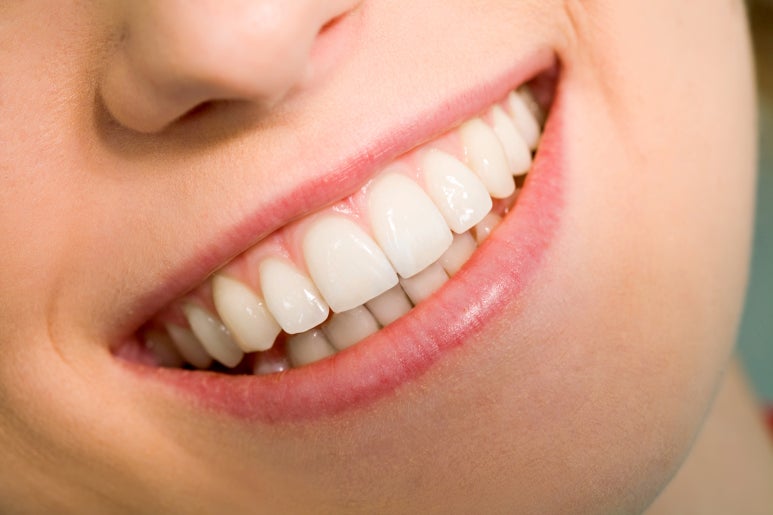
Ultimately, dental care changes focus at each stage of life. In childhood, the focus is cavity prevention and getting used to the dental clinic; in young adulthood, orthodontics and wisdom teeth; in middle age, gum care; and in later adulthood, prosthetic treatment and implants become central. But even if the treatment methods differ by age group, there is one principle that does not change.
That is regular checkups and prevention-focused care. The habit of visiting the dentist only when pain or problems arise only makes treatment more difficult. If you understand what kind of care is needed at your current age and put it into practice in advance, healthy teeth can stay with you much longer than you might think.
S Leader Dental Hospital protects patients’ oral health with age-specific customized treatment and regular checkups.
Sagajeong Station Dental Clinic, S Leader Dental Hospital, operates customized care and a regular checkup system tailored to the characteristics of each age group, making it a dental clinic where children and seniors alike can receive care with peace of mind at any stage of life. If you are concerned about your dental health, we recommend visiting regularly to receive professional diagnosis and consultation.
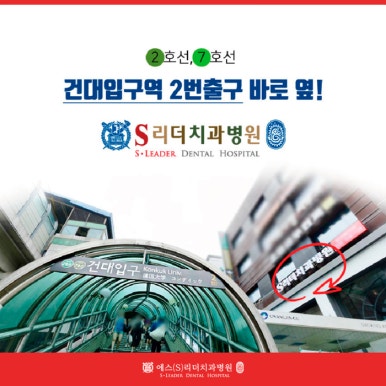

Sagajeong Station Dental Clinic :: S Leader Dental Hospital