Hello, we are S Leader Dental Hospital, located in Gwangjin-gu, Junggok-dong Dental Clinic.
When you look at your teeth in the mirror, you may notice uneven alignment or protruding teeth. In particular, the appearance of teeth when smiling has a big impact on a person’s first impression, so many people consider orthodontic treatment.
Orthodontic treatment is not simply the process of straightening teeth; it is also a process of restoring chewing function and oral health. That is why the choice of orthodontic appliance, and how it is maintained, has a major impact on treatment results.
 What is a self-ligating bracket?
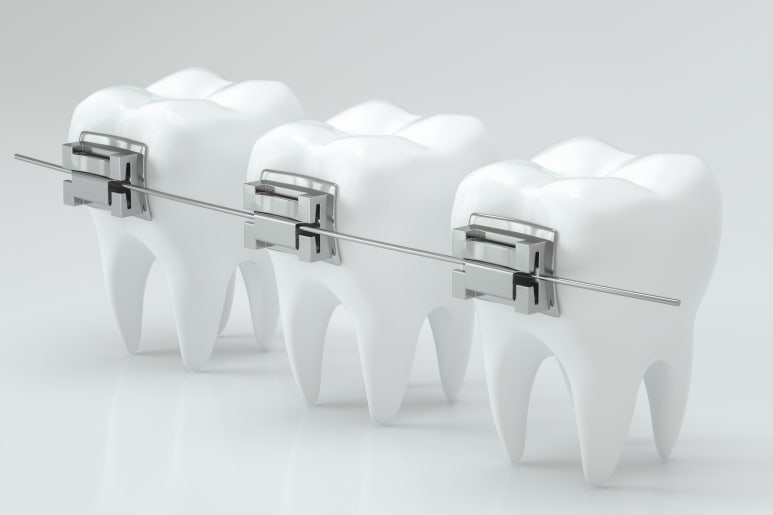
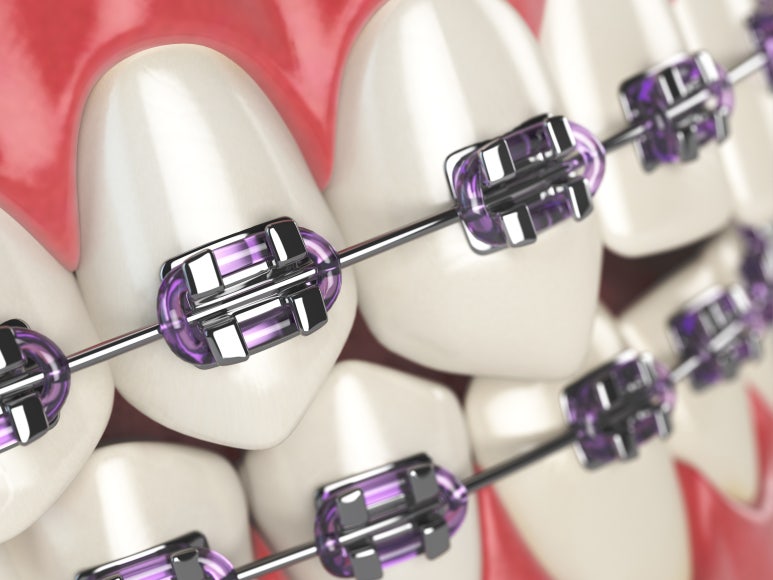
Among orthodontic appliances, one that many patients are currently interested in is the self-ligating bracket. Unlike the traditional method of securing the wire with rubber bands or wires, this appliance has a mechanism that secures the wire within the bracket itself, reducing friction and allowing tooth movement to be smoother. As a result, the treatment period can be relatively shorter, and the pain or discomfort patients feel during adjustments can also be reduced.
The biggest feature of self-ligating brackets is their low friction and efficient force delivery. With conventional brackets, friction between the wire and the bracket can slow tooth movement, but self-ligating brackets are designed so that the wire moves more freely and only the necessary force is transmitted, allowing teeth to move more smoothly. For this reason, they are especially effective in the early stages of orthodontic treatment, and they can also reduce the number of visits needed for adjustments.
What types of self-ligating brackets are there?
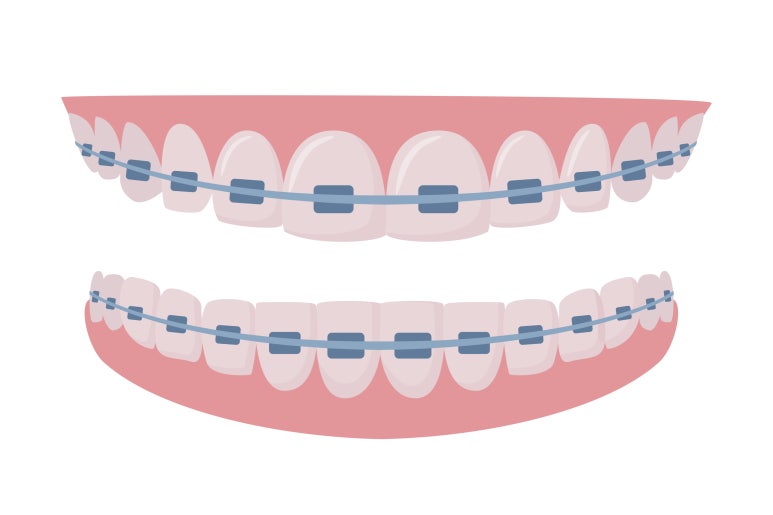
Self-ligating brackets are divided into passive and active types depending on their structure and function. Passive types are designed to allow the wire to move relatively freely within the bracket slot, resulting in less friction and less pain during the early stages of tooth movement. Active types, on the other hand, use an internal spring or clip to lightly press the wire, allowing stronger control of the teeth and making them suitable when precise movement or detailed orthodontic correction is needed.
They are also classified by material into metal and ceramic types. Metal types are highly durable and smaller in size, which makes them less noticeable and more comfortable inside the mouth. Ceramic types are similar in color to teeth, so they are less visible and are popular among adult patients and office workers. Recently, hybrid brackets that combine the advantages of both metal and ceramic have also been introduced, making it possible to satisfy both esthetics and functionality.
Self-ligating brackets: advantages and cautions for cleanliness
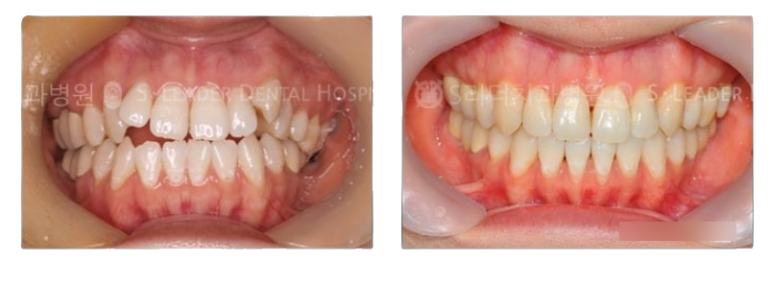
Self-ligating brackets also have the advantage of being relatively easy to keep clean. With conventional brackets, food debris tends to get trapped between the rubber bands, making hygiene difficult, but self-ligating brackets have a simpler wire-retaining structure, making brushing and the use of interdental brushes more convenient. Because they help prevent cavities and gum disease during orthodontic treatment, the burden of maintaining cleanliness around the appliance is reduced.
However, having many advantages does not mean they are equally suitable for every patient. If the gums are weak or there is insufficient alveolar bone, careful management is needed during the initial tooth movement stage. In addition, to make full use of the appliance’s benefits, proper brushing habits, the use of auxiliary tools,
and dietary management must also be followed. Orthodontic treatment should not forget that, just as much as appliance selection, the patient’s
consistent care is the key to success.
How to care for self-ligating brackets
To protect the appliance and improve treatment effectiveness, proper lifestyle habits and dietary management are essential. It is best to avoid hard or chewy foods and to eat foods that do not place strain on the appliance, such as gently cooked vegetables, porridge, soup, tofu, and egg dishes. Also, after meals, you should use auxiliary tools such as dental floss, interdental brushes, and a Waterpik to prevent food from getting trapped. These small habits play a major role in maintaining the appliance’s function and shortening the treatment period.
Orthodontic treatment goes beyond simply straightening teeth; it also restores chewing function and provides a healthy smile. Self-ligating brackets are appliances that help teeth move more smoothly while reducing discomfort during treatment, so it is important to choose one based on each patient’s condition and lifestyle pattern. When appliance selection and care are properly managed, the effectiveness of orthodontic treatment can be maximized.
Proper orthodontic care recommended by S Leader Dental Hospital
S Leader Dental Hospital in Junggok-dong, Gwangjin-gu considers each patient’s teeth and gum condition, lifestyle habits, and overall health comprehensively to recommend the most suitable bracket type and a customized orthodontic plan. We go beyond simply attaching and adjusting appliances by also providing guidance on proper care methods and dietary habits throughout the treatment period, allowing patients to continue their orthodontic treatment in a healthy way without unnecessary trial and error.
Orthodontics is something anyone can try regardless of age, but true results are achieved when appliance selection and proper care go together. Please remember that even a small habit can greatly affect treatment results, and we hope you can maintain healthy lifestyle habits along with self-ligating brackets to complete a healthy and beautiful smile.

 Junggok-dong Dental Clinic :: S Leader Dental Hospital