Hello, this is S Leader Dental Hospital, greeting you from Seongsu Station Implant.

Implants have become the most representative treatment method for replacing missing teeth. They do more than simply fill in missing teeth; they help restore function and aesthetics similar to natural teeth, greatly improving quality of life. However, not every patient can receive an implant right away.
Implant treatment involves firmly placing an artificial root that replaces the tooth root into the jawbone. At this stage, the amount and quality of the bone must be sufficient for the procedure to be performed stably. If the alveolar bone is insufficient, a process called bone grafting must be performed first. Since this process is directly related to implant success rates, it is a very important step.
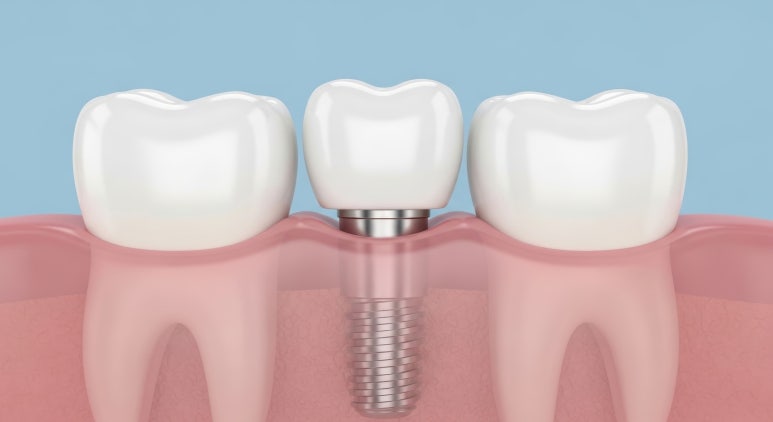
- When a long time has passed after tooth loss
When a long time passes after losing a tooth, the alveolar bone gradually resorbs and decreases in amount. This happens because the stimulation that the original tooth root provided to the bone disappears, causing the bone to gradually atrophy. Just as unused muscles weaken, bone also decreases when there is no stimulation.
If you try to place an implant immediately in this reduced bone state, the fixation will be weak and there is a higher risk of it becoming loose or failing. Therefore, a certain level of bone is necessary for an implant to settle properly, and if there is not enough, bone grafting is needed to reinforce the foundation.
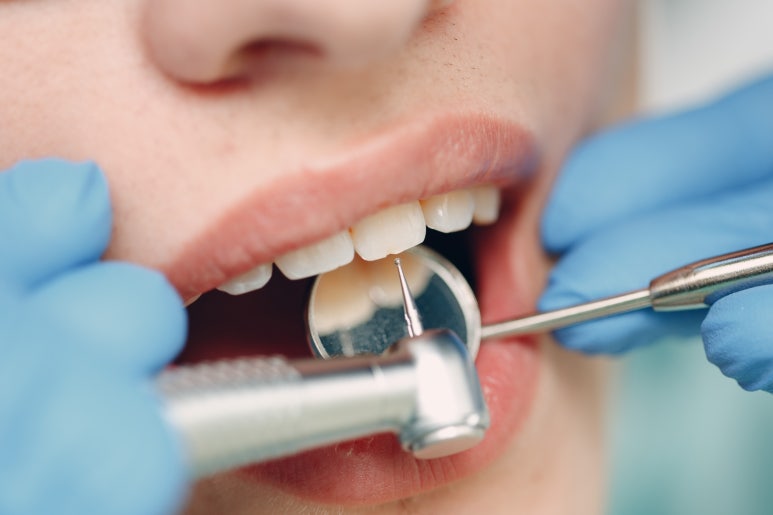
- When the bone has been damaged by periodontal disease
Another case is when bone has been lost due to periodontal disease, that is, gum disease. Periodontal disease starts with symptoms such as swollen gums and bleeding, and as it progresses, it destroys the alveolar bone.
As a result, the teeth become loose and eventually fall out, but the problem is that even after the teeth are lost, the alveolar bone has already been greatly reduced. In such cases, simply placing an implant is not enough; bone graft treatment to restore the alveolar bone must be performed together so that the implant can be placed stably.
- When bone grafting is needed due to trauma or an accident
Bone grafting may also be necessary when the bone has been damaged due to trauma or an accident. In many cases, traffic accidents, sports injuries, or strong impacts damage not only the teeth but also the surrounding bone.
At this time, the shape and height of the bone collapse, leaving insufficient space for implant placement. In such situations, it is safer to first restore the bone structure through bone grafting and then place the implant. This is not simply a process of filling in bone; the graft material and method must be carefully selected according to each patient's condition.

- Maxillary implants and sinus lift surgery
Also, when placing an implant in the maxilla, that is, the upper jaw, a special type of bone graft called a sinus lift may be required. The upper jaw is often anatomically thin, and because the maxillary sinus is located above it, there are many cases where the bone height is insufficient.
In this case, the membrane of the maxillary sinus is lifted and bone is grafted into that space so that the implant can be placed stably. Among patients considering Seongsu Station Implant treatment, there are many cases that require a sinus lift, and this is a high-difficulty procedure that must be performed delicately by experienced dental professionals.

A necessary step for a strong implant: bone grafting
Bone grafting is not merely a supporting step for implant placement; it is also a core process that determines whether the implant will succeed. Only when the bone is sufficiently strong can the implant remain stable without movement for a long time, and chewing force can be distributed naturally. If an implant is placed forcefully without bone grafting, the implant is more likely to loosen or fail over time. Therefore, it is safer to accurately check the condition of the bone through a thorough examination from the start and, if necessary, proceed with bone grafting.
From the patient's perspective, you may worry, "Do I really need bone grafting?" However, it is better to understand bone grafting not as simply adding another treatment step, but as a safety measure that helps the implant settle comfortably for a long time. In addition, various bone graft materials and techniques have recently advanced to reduce patient discomfort and support faster recovery, so results can be much more stable and predictable than before.
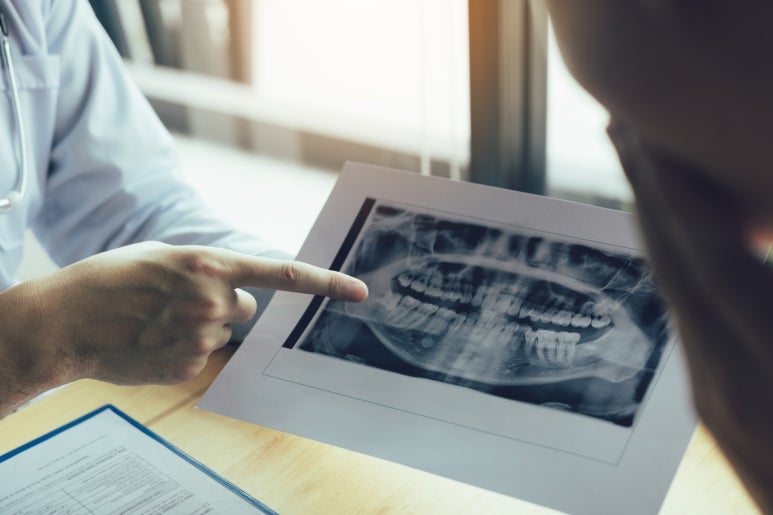
The scope of bone grafting determined by precise diagnosis
What matters in the treatment process is an accurate diagnosis and plan tailored to each patient's condition. Even in cases of tooth loss, some patients may not need bone grafting, others may only need a small amount of bone grafting, and in some cases a larger procedure such as a sinus lift may be required. Therefore, when considering implants, it is most important to receive guidance on the necessary procedures through a precise examination at a dental clinic with sufficient experience.
The best implant results,
with Seongsu Station Implant S Leader Dental Hospital
If you are considering Seongsu Station Implant treatment, rather than deciding based only on cost or time, it is a good idea to carefully check whether bone grafting is necessary for your situation and, if so, how the procedure can be performed. Depending on whether bone grafting is needed, the overall treatment period and results may change, so it is advisable to receive a thorough explanation at the initial consultation stage and understand it before starting treatment.
Finally, what I want to emphasize is that implant treatment is not simply a process of placing a single tooth, but is directly connected to overall oral health. Bone grafting is an important process that helps implants be used more safely and for a longer time, and especially for people who lead busy daily lives in urban areas such as Seongsu Station, ensuring stable long-term results is more important than anything else.
At the Seongsu Station Implant dental clinic, we closely analyze the patient's bone condition, reduce unnecessary treatment, and perform bone grafting only when it is truly needed to achieve the best possible results.