Hello :) Greetings from S Leader Dental Hospital, Janghanpyeong Station Implant.

If you are considering implants near Janghanpyeong Station, you can feel at ease with Seoul S Leader Dental Hospital.
Implants provide functions and esthetics similar to natural teeth, but without proper post-surgery care, they can be difficult to use for a long time. In particular, inflammation around the implant tissue and peri-implantitis can make treatment more complicated if not managed early, so caution is needed.
Today, we will explain in detail the four essential care methods that patients who have received Janghanpyeong Station implants should practice to keep their implants healthy for a long time.

- Right after surgery, you need to pay attention to the first stage of recovery care.
The first few days after implant surgery are a very important period in the recovery process. If early care is not done properly,
inflammation may develop or pain may last longer.
Cold compresses to reduce swelling and pain: On the first day after surgery, it is recommended to apply cold compresses at 10-minute intervals. This helps constrict blood vessels, reduce swelling, and minimize inflammation.
Food adjustments: For 24 hours after surgery, eat only soft foods and avoid hot or hard foods. Stimulating foods can place a burden on the tissue around the implant and delay recovery.
No smoking or drinking: Smoking and drinking can interfere with blood flow and delay wound healing, so it is best to avoid them for at least two weeks.
Maintain oral hygiene: In the early stage, it is important to brush gently without excessively touching the surgical area and to keep the mouth clean.
Even for those who have undergone Janghanpyeong Station implant surgery, be sure to follow the above points during the first few days to help ensure a stable recovery.
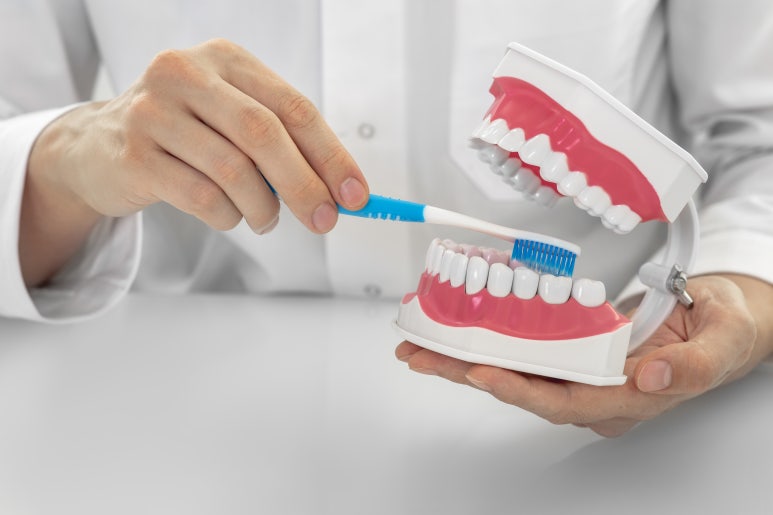
- Thorough hygiene management to prevent peri-implantitis
To keep an implant healthy for a long time, preventing peri-implantitis is key. Once inflammation develops, peri-implantitis can damage the supporting tissue of the implant, so regular and thorough care is necessary.
Proper brushing: After a certain period following surgery, use a soft toothbrush to carefully clean the gums around the implant. Careful attention is important so that no food remains around the implant.
Use dental floss and interdental brushes: To remove food debris that accumulates between implants and near the gums, it is recommended to use dental floss and interdental brushes. This allows you to keep even the hard-to-reach areas clean.
Use an antibacterial mouthwash: Using an antibacterial mouthwash together can help prevent peri-implantitis by stopping bacteria from multiplying.
For Janghanpyeong Station implant patients in particular, meticulous hygiene management in the early stage is important for helping the implant settle stably.
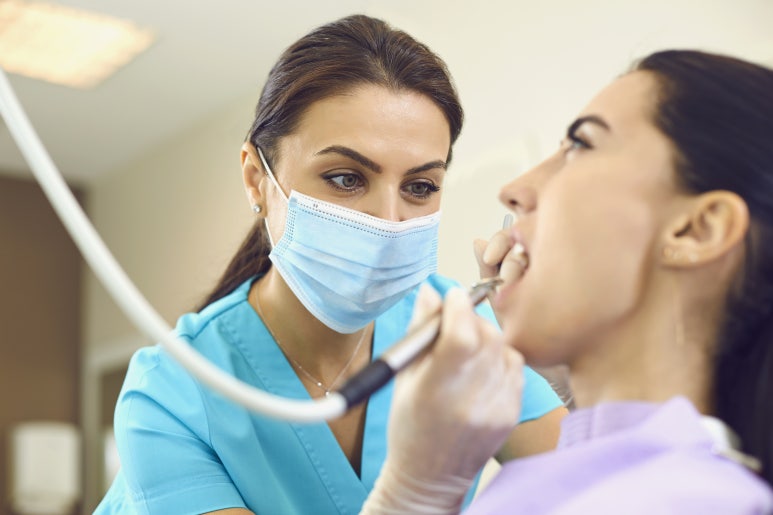
- Regular dental checkups and scaling are important.
Unlike natural teeth, implants do not get cavities, but it is necessary to regularly check the health of the tissue around the implant.
Regular scaling: If tartar builds up around the implant, it can cause inflammation. At least every 6 months, tartar should be removed through scaling to maintain gum health.
Checkups every 3 to 6 months: It is important to regularly check the condition of the gums and bone around the implant. If early inflammation or a problem is found, treatment can be provided quickly.
Examination with advanced equipment: At S Leader Dental, the condition of the installed implant is carefully checked using the latest equipment,
and customized care methods are provided when necessary.
For those who have undergone Janghanpyeong Station implant surgery, regular checkups are essential to help keep the implant healthy for a long time.

- Implant health starts with daily habits
To extend the lifespan of an implant, daily habits are very important.
Balanced meals: Avoid hard foods and eat foods rich in calcium and vitamin D, which help the health of the gums and bone around the implant.
No smoking: Smoking is one of the main causes of gum disease and implant failure. If you want your implant to last a long time, you must avoid it.
Proper stress management: Stress can weaken immune function and increase the likelihood of inflammation. Managing stress through meditation,
light exercise, and similar methods is also beneficial for implant health.
Regular oral care habits: Brushing at least twice a day, using dental floss and mouthwash, and using interdental brushes consistently are the secret to making implants last longer.
What S Leader Dental Hospital checks for
Customized implant care methods
Janghanpyeong Station implant patients can improve the stability and lifespan of their implants by consistently practicing these lifestyle habits and care methods.
At S (S) Leader Dental Hospital, Janghanpyeong Station Dentistry, we provide personalized consultations and regular checkups so that patients who have undergone Janghanpyeong Station implant surgery can manage their implants healthily and use them for a long time. A single small care habit can make a big difference in protecting implant health and a long-lasting smile.
If you have undergone Janghanpyeong Station implant surgery or are considering it, visit S Leader Dental anytime to review a systematic care plan with the help of specialists. S Leader Dental is here for healthy implants and a perfect smile.