Hello, this is S Leader Dental Hospital for Seoul implants.

If you are considering implants, there is one question you may have. It is: “How long can an implant be used?” and “If a problem occurs, how is retreatment carried out?” An implant is a treatment that replaces natural teeth, but unlike natural teeth, it has no nerve, so even if a problem occurs, there are many cases where pain is not felt in the early stages.
That is why it is very important to know how to manage it after treatment and how retreatment is planned.
How long do implants last?
In general, implants can be used for 10 to 20 years or more, and with good care, they may even last a lifetime. However, the exact period of use depends on the patient’s oral hygiene, gum health, lifestyle, eating habits, and whether they receive regular dental checkups.
Oral hygiene: Thorough brushing and the use of interdental brushes or floss can help prevent inflammation around the implant.
Regular checkups: You should visit the dental clinic at least every 6 months to 1 year to check the implant condition and gum health.
Lifestyle: Smoking, excessive drinking, and frequent strong impacts can shorten the lifespan of an implant.
Tooth structure: The bone condition in the area where the implant is placed and the structure of the surrounding teeth also affect how long it can be used.�b�
Because the lifespan of an implant varies greatly depending on care and environment, consistent management is essential, not just the initial treatment.
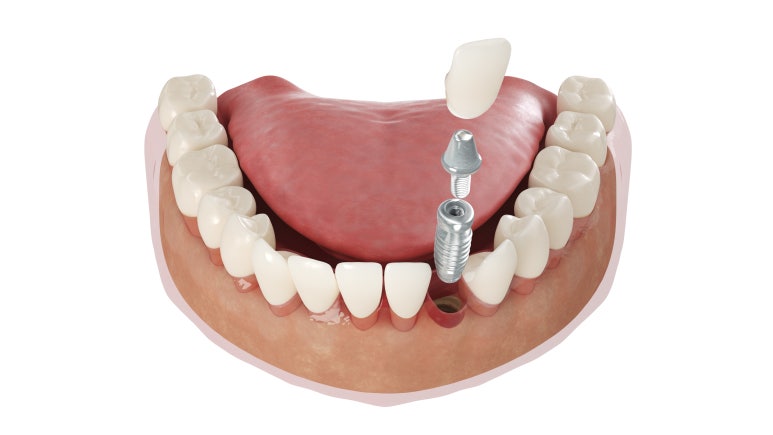
How is retreatment carried out when an implant problem occurs?
Implants can usually be used stably for a long period, but in rare cases, problems may occur. Typical examples include the following.
Peri-implantitis: This is inflammation of the gum and bone around the implant, and in the early stages it may appear only as swelling or
slight bleeding.
Implant mobility: The implant may become loose due to severe inflammation or trauma.
Prosthetic problems: The crown or prosthetic restoration may break or become loose.
If such problems occur, partial retreatment or full retreatment may be needed depending on the situation.
Partial retreatment: If there is a problem with the prosthetic restoration, this is a method of replacing only the crown or inlay while leaving the implant body in place. It is relatively simple and the recovery period is short.
Implant re-placement: If there is a problem with the implant body itself or if the bone condition is poor, the existing implant must be removed and a new implant placed. This process may require bone grafting or a re-osseointegration process, so it can take longer.
In other words, whether retreatment is needed and how it is performed depends on the cause and extent of the problem, and early detection is most important.
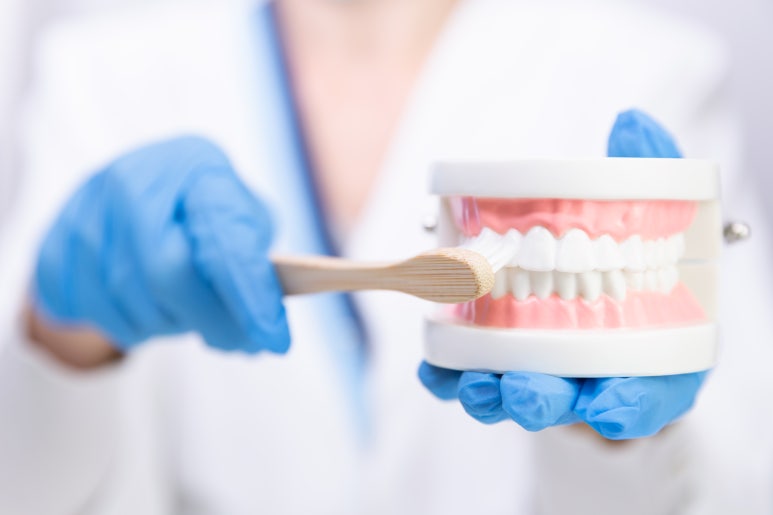
Lifestyle habits for implant care in Seoul
To use an implant for a long time, you need the habit of managing it consistently rather than simply leaving it alone after treatment.
Proper brushing: The area around the implant should be brushed especially carefully. It is recommended to brush at least twice a day, thoroughly down to the gum line with a soft toothbrush.
Use of interdental brushes and floss: These can remove plaque between teeth and around the implant, making them effective for preventing inflammation.
Regular professional scaling: If you receive professional scaling and checkups at a dental clinic at least every 6 months, you can maintain the health around the implant.
Habit management: Excessive intake of hard foods, smoking, and drinking can shorten the lifespan of an implant, so caution is needed.

Timing and importance of retreatment
If an implant problem is detected early, retreatment can also be carried out simply. However, if the problem is left untreated, retreatment becomes more
complex, and bone grafting or a long recovery period may be needed. Therefore, if the following symptoms appear, it is best to visit the dental clinic immediately.
-
Swelling or bleeding of the gums around the implant
-
Pain when chewing or a feeling that the implant is loose
-
Crown or prosthetic restoration detachment or damage
Just an early visit can help keep the implant healthy for a long time and avoid unnecessary retreatment.
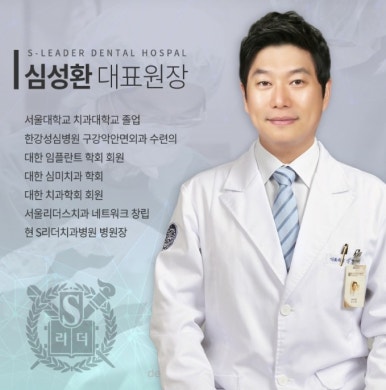
Implant care with S Leader Dental Hospital
For those planning implants or those who have already received treatment in Jayang-dong, Gwangjin-gu, S Leader Dental Hospital can be a reliable choice. Based on the latest equipment and extensive clinical experience, our hospital provides implant procedures and follow-up care programs tailored to each patient.
Even after treatment, we maximize implant lifespan through regular checkups, scaling, and customized care plans, and if a problem occurs, we provide fast and accurate retreatment. Because specialized medical staff personally provide consultations and treatment, you can maintain stable and healthy implants over the long term.
For Seoul implants, consistent management and a prompt response are more important than the treatment itself. If you are considering implants in Jayang-dong, Gwangjin-gu, we recommend experiencing systematic care and specialized treatment with S Leader Dental Hospital. For healthy teeth and a long-lasting smile, get a consultation today.

Seoul implants :: S Leader Dental Hospital