Hello, this is S Leader Dental Hospital, a Konkuk University dental clinic.
Scaling is one of the most basic dental treatments and one that many people receive regularly. Often called “teeth cleaning,” scaling is more than just cleaning the surface of the teeth; it is an important way to protect oral health and prevent various periodontal diseases. However, people who have never had scaling often wonder, “What exactly is this treatment, how often should I get it, and what should I be careful about?”
In this article, we will go through the meaning of scaling performed at a Konkuk University dental clinic, as well as its effects, frequency, and precautions before and after treatment.
What Is Scaling?
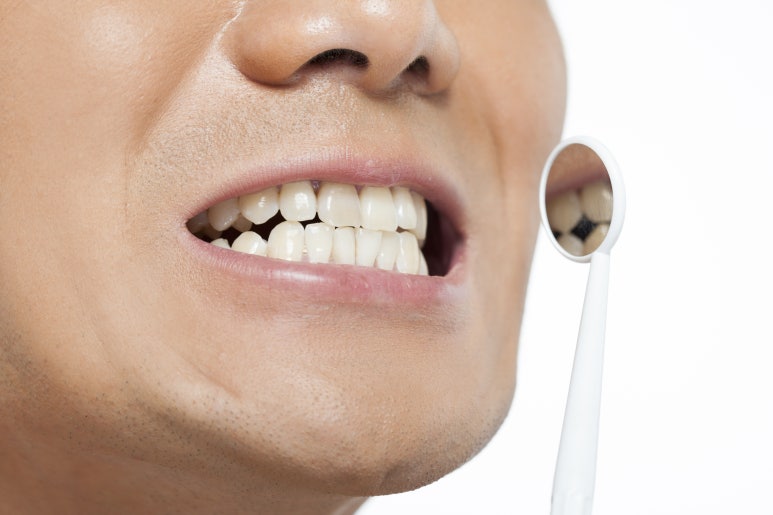
Scaling is a treatment that removes tartar and plaque (bacterial film) buildup on the teeth. Even if we brush our teeth every day,
debris and bacteria can still remain in hard-to-reach areas such as between the teeth and gums or on the back surfaces of the teeth. Over time, this debris hardens into tartar, which is not just a cosmetic issue but a major cause of gum inflammation and
periodontal disease.
In particular, tartar cannot be removed with regular brushing or mouthwash. It must be removed at a dental clinic using specialized instruments,
which is why regular scaling is necessary. Put simply, scaling should be understood not as a cosmetic procedure but as a treatment for health.
Why Is Scaling Important? What Are Its Benefits?
The benefits of scaling are more varied than many people expect. First, the most noticeable effect is cleaner teeth and gums. When tartar and bacterial film are removed, bad breath decreases and the mouth feels much fresher.
Scaling also plays a key role in preventing periodontal disease. Because tartar is a breeding ground for bacteria, leaving it untreated can cause the gums to swell and bleed, and in more severe cases, it can even damage the jawbone that supports the teeth. In situations like this,
you may need major treatments such as tooth extraction or implants, but regular scaling alone can help prevent this worsening.
The cosmetic effect should not be overlooked either. Once tartar is removed, the natural color of the teeth becomes visible, creating a noticeably brighter appearance. Of course, it is not the same as whitening treatment, but consistent care alone can still give a cleaner and healthier impression.
[How Often Should You Get Scaling?]
One of the most common questions is the scaling interval. In general, it is recommended to have scaling regularly once a year. In fact, under the national health insurance system, scaling coverage is available once a year for adults aged 19 and older.
However, not everyone needs to follow the same schedule. People who do not have good brushing habits, those with weak gums,
smokers, or people who are vulnerable to gum health problems due to systemic conditions such as diabetes may need care every 6 months or at even shorter intervals. On the other hand, people who maintain excellent oral hygiene may find once a year sufficient. Ultimately, the most appropriate interval should be determined after checking each person’s condition through a dental examination.
How Is the Scaling Procedure Done?
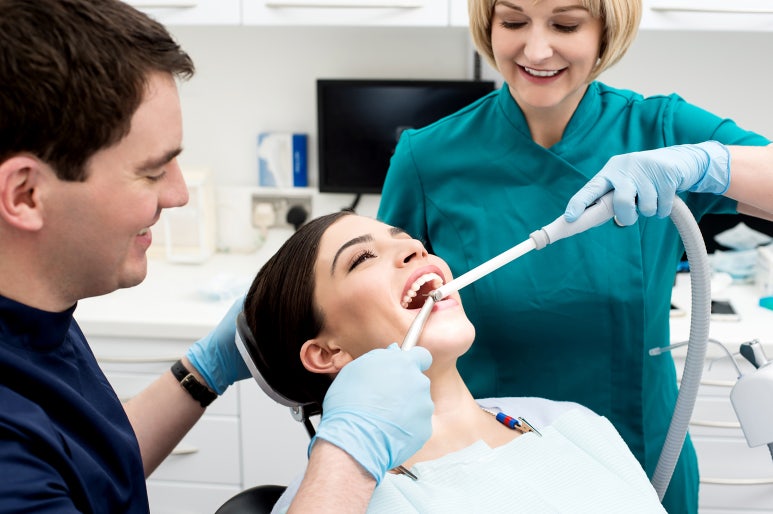
When you receive scaling at a dental clinic, an ultrasonic device is usually used. This equipment removes hardened tartar attached between the teeth and gums through fine vibrations, while water is sprayed at the same time to wash away debris. Afterward, a polishing process smooths the surface of the teeth so that bacteria are less likely to adhere again.
The treatment usually takes about 30 minutes and is not very long, and in most cases, anesthesia is not needed. However,
if the gums are not in good condition or a lot of tartar has built up, you may feel some pain or sensitivity during the procedure. This is likely to be a temporary symptom that gradually disappears after treatment.
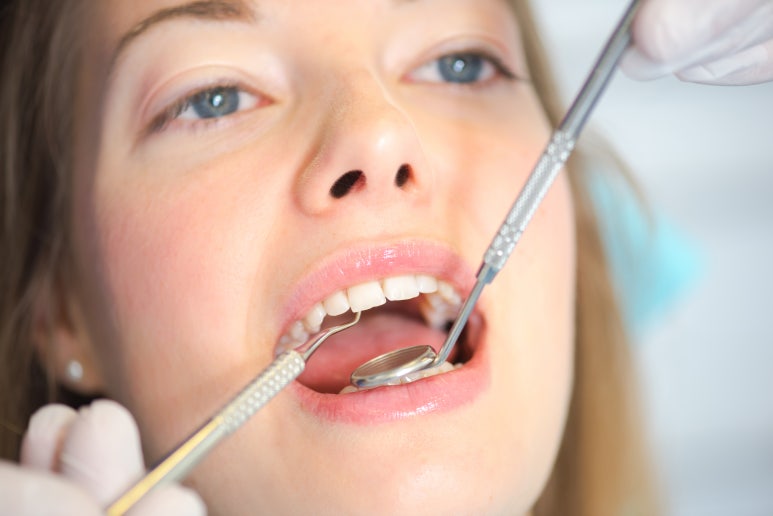
Here Are the Things You Should Be Careful About After Scaling.
Immediately after scaling, it is a good idea to follow a few precautions.
First, it is best to avoid food that is too hot or too cold on the day of the procedure. Right after tartar is removed, the roots of the teeth may be temporarily exposed and become sensitive.
Second, bleeding may occur. This happens because areas weakened by gum inflammation are irritated during tartar removal, and it usually subsides within a few days.
Third, just because you have had scaling does not mean no further care is needed. Rather, from this point on, the effect can be maintained only if you continue proper brushing
habits, flossing, and regular checkups. The most accurate way to understand it is: “Scaling is not the end of treatment, but the beginning of management.”
[Is Scaling Different from Periodontal Treatment??]
Many people tend to confuse scaling with periodontal treatment. Scaling is, quite literally, a preventive treatment that removes tartar and plaque, whereas periodontal treatment is the process of treating periodontal disease that has already developed. For example, if the gums are severely swollen,
pus comes out, or the teeth are loose, simple scaling alone is not enough. Root planing to remove tartar deep inside the gums or gum surgery may be necessary. Therefore, if the symptoms are severe, you must receive an accurate diagnosis at a dental clinic and choose the appropriate treatment method.
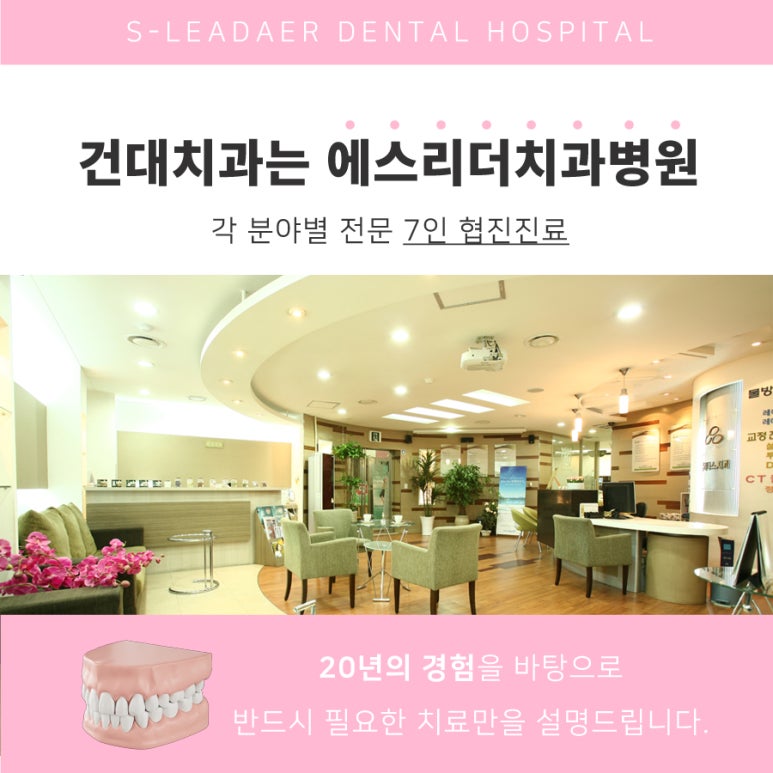
Are You Considering Scaling at a Konkuk University Dental Clinic?
Scaling may seem like a relatively simple treatment, but the treatment method and frequency can vary depending on the patient’s oral condition and periodontal health. Therefore, rather than focusing only on tartar removal, it is important to have your current teeth and gums carefully examined.
At S Leader Dental Hospital, a Konkuk University dental clinic, we first accurately diagnose each patient’s oral condition and then provide guidance on scaling
as well as any necessary gum care methods. Our goal is not simply to clean the teeth, but to help patients maintain a healthy mouth in the long term. If you are planning regular scaling, we recommend receiving professional diagnosis and treatment near Konkuk University Entrance Station.

Konkuk University Dental Clinic :: S (S) Leader Dental Hospital