Hello, we are greeting you from S Leader Dental Hospital for Dapsimni-dong implants.

Teeth are closely related not only to chewing food, but also to pronunciation, appearance, and even quality of life. However, as people age, or due to unexpected accidents, cavities, or gum disease, they may lose teeth. When a tooth is lost, you may end up chewing on only one side, which can strain digestion, or surrounding teeth may tilt and the jawbone may be resorbed, leading to bigger problems. That is why it is
most important to replace missing teeth through appropriate treatment as soon as possible.
Today, for those considering Dapsimni-dong implants, we will talk about how implants are placed and the situations in which implants are needed.
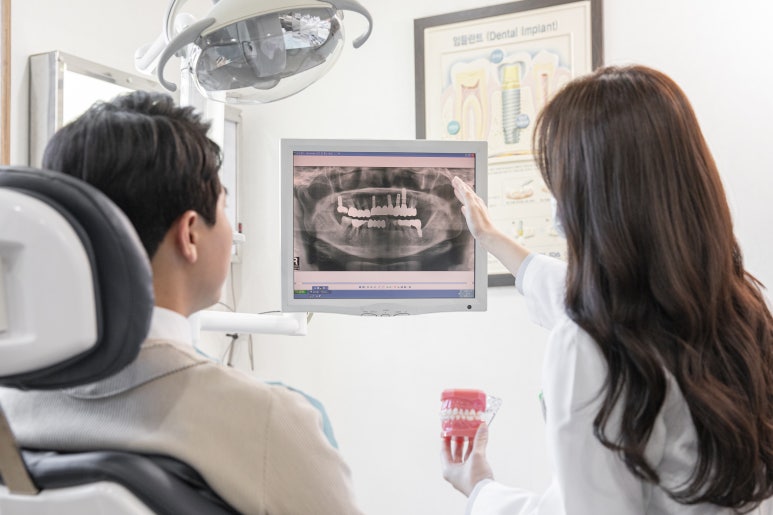
What is an implant?
An implant is a treatment method in which an artificial root is placed into the jawbone and a prosthetic restoration is attached on top to restore function and aesthetics like a natural tooth. Unlike traditional dentures or bridges, it does not damage adjacent teeth and can independently restore chewing function, which is why many patients prefer it. In particular, its chewing force is similar to that of natural teeth, and if properly maintained,
it has the advantage of being usable for a long time.
Implant placement process
An implant is not simply a treatment that involves placing a screw. It is an advanced procedure that requires precise diagnosis and planning. The general process is as follows.
Precise diagnosis
CT scans and other imaging tests are used to check the height and thickness of the jawbone, the location of nerves, and more. Through this process, a placement plan suited to the patient is established.
First surgery – placement of the artificial root
A titanium artificial root is placed into the jawbone. After that, time is given for the jawbone and implant to firmly integrate over a certain period. This is called osseointegration.
Second surgery – attachment of the abutment
Once the gums have healed, a post that connects the artificial root and the prosthetic restoration is attached.
Placement of the prosthesis
Finally, a crown made to match the patient’s tooth color and shape is placed. This allows the patient to regain aesthetics and chewing function that are almost indistinguishable from natural teeth.
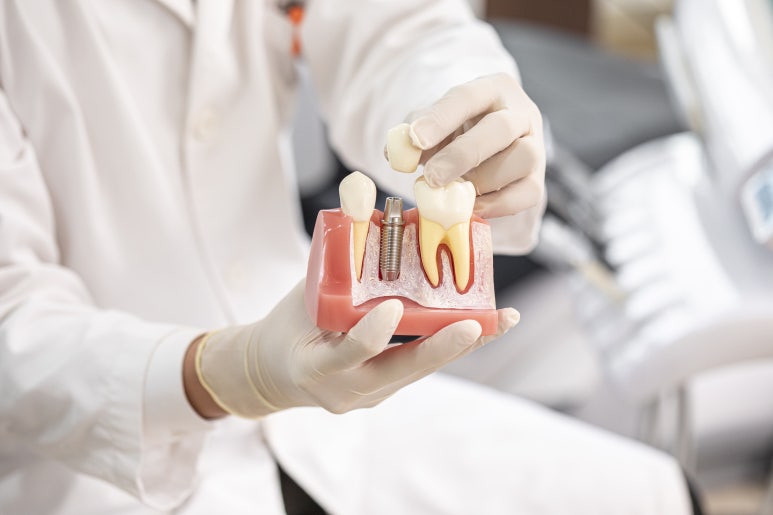
Are you wondering in what situations implants are needed?
Implants are not applicable in every case, but they are especially recommended in the following situations.
Single tooth loss: When one tooth is missing, it can be naturally replaced without grinding down adjacent teeth.
Multiple tooth loss: Even when multiple teeth are missing in a row, implants can restore function stably.
Discomfort with dentures: For those who experience discomfort with existing dentures or frequent removal issues, implants can be a good alternative.
Reduced chewing function: When you cannot chew food properly because of the area where a tooth is missing, implants can restore function.
Points to consider before implant treatment
Because implant treatment requires advanced skill, there are many things to consider in advance. If the condition of the jawbone is not sufficient, bone grafting may be necessary, and if you have systemic conditions such as diabetes or high blood pressure, you should confirm safety through 충분한 상담 with a specialist. In addition, because regular checkups and management are essential even after the procedure, it is best to choose a hospital with a well-established aftercare system.

How do you manage yourself after implant treatment?
Implants do not develop cavities like natural teeth, but the surrounding gums are still vulnerable to inflammation. This is called peri-implantitis, and if left untreated, the implant may loosen or fall out. Therefore, after treatment, the following management is needed.
-
Proper brushing habits and use of floss and interdental brushes
-
Be careful when eating hard or chewy foods
-
Regular dental visits and scaling
-
If you have a habit of grinding your teeth or clenching your jaw, wear a mouthguard
※ It is no exaggeration to say that consistent care determines the lifespan of an implant.
Dapsimni-dong implants: what kind of hospital should you choose?
Without precise diagnosis and experienced support, implant treatment can have a higher chance of failure. Therefore, when choosing a hospital, do not look only at cost or location; it is important to consider overall factors such as extensive clinical experience, whether advanced equipment is available, and the aftercare system. Also, be sure to check whether the hospital can provide a customized treatment plan suited to the patient’s condition.
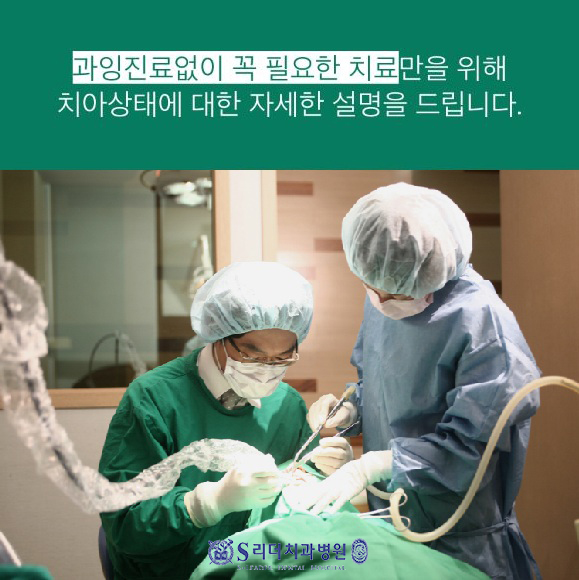
Recovery beyond the lost tooth,
please come with S Leader Dental Hospital
Because once a tooth is lost, it does not naturally return, implant treatment can be a valuable first step toward restoring a healthy mouth. If you are considering implants in Dapsimni-dong, we hope you will keep in mind that this is a treatment that can restore both function and aesthetics, not merely fill in a missing tooth.
In Dapsimni-dong as well, S Leader Dental Hospital for Dapsimni-dong implants is trusted by many people in the area and is helping patients recover their oral health through an experienced medical team and a systematic care system. If you are considering implants,
we recommend finding the most suitable method through professional consultation.