Hello, this is S Leader Dental Hospital, Konkuk Dental Hospital.

One of the most common things people hear before implant treatment is, “You need bone grafting.” If a tooth has been missing for a long time or the gum bone has been resorbed and weakened, bone grafting is needed to firmly place the implant.
But the moment people hear this, many start to worry.
“Bone grafting...? Isn’t that going to hurt a lot?”
Today, to answer that question, let’s talk about how much pain there actually is after implant bone grafting and how it can be managed.
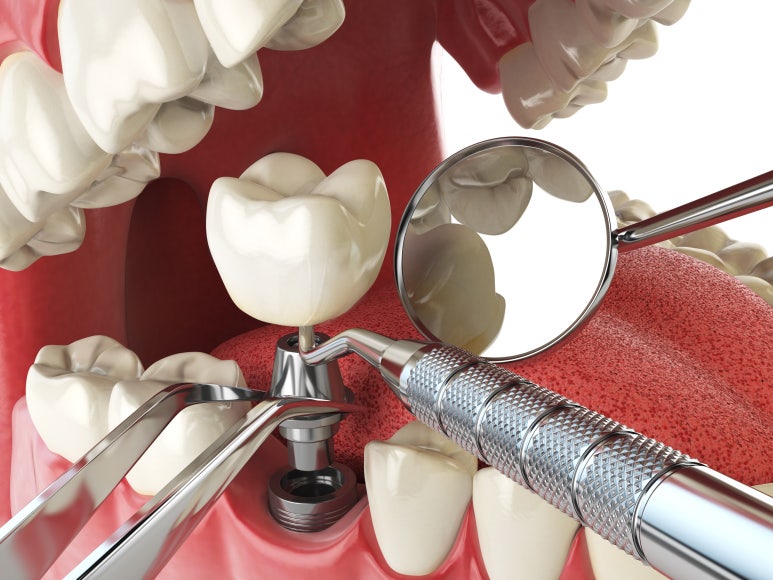
Shall we first look at why bone grafting is necessary?
If a tooth is lost and left untreated for a long time, the jawbone in that area (alveolar bone) gradually gets resorbed and becomes thinner. This is a natural
physiological process, because once the role of supporting the tooth is gone, the body determines that it no longer needs to maintain that bone.
The problem is that an implant requires an artificial root (titanium) to be placed into the bone, and if there is not enough bone left to serve as support,
its stability will be reduced.
In other words, bone grafting is not simply a “supplementary procedure”; it can be an essential step for placing an implant stably.
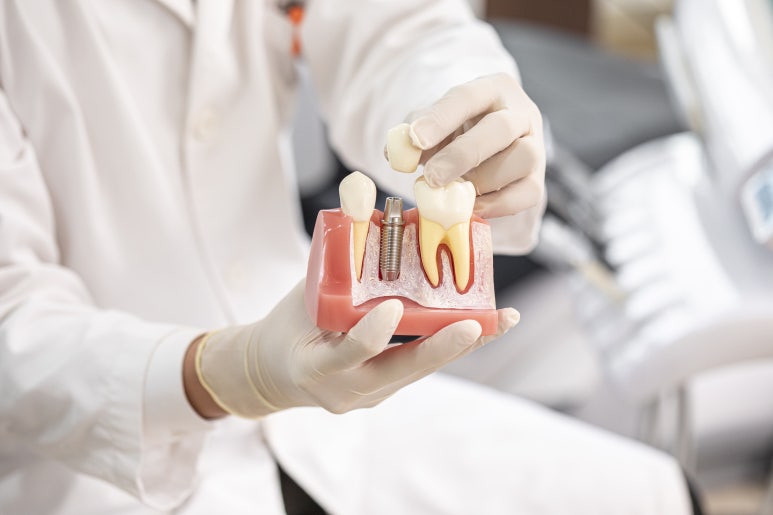
There are several methods for bone grafting.
Various materials are used, such as autogenous bone grafting using the patient’s own bone, grafting with synthetic bone, or a combination of the two.
Depending on the patient’s bone condition, location, and the amount to be grafted, the medical team will determine the most appropriate method.
Then, how severe is the pain after bone grafting?
To start with the conclusion, most patients do not experience the extreme pain they imagine.
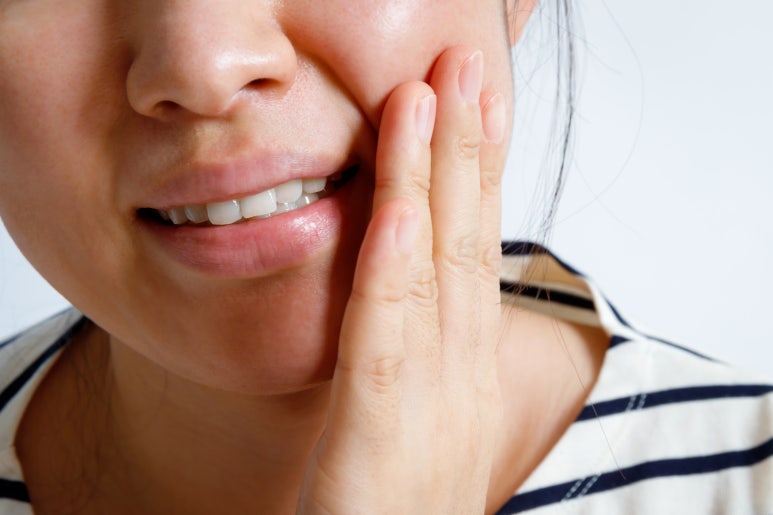
Because bone grafting is performed under local anesthesia, there is almost no pain during the procedure, and after the anesthesia wears off, you may feel mild throbbing or stiffness. This is a natural recovery response, and it usually gradually subsides after about 2 to 3 days.
Of course, there are individual differences.
If the graft area is wide or if the graft is placed in the maxillary sinus area (the space below the nose), there may be slightly more swelling or longer-lasting pain. However, in most cases, it can be sufficiently controlled with the prescribed painkillers alone, and it is rare for discomfort to become so severe that daily life is difficult.
Many people think, “Bone grafting must hurt no matter what because it involves cutting bone,” but in reality, it is a relatively minor procedure in which the gums are incised, the bone is shaped, and graft material is inserted. In recent years, advances in surgical tools and materials have made it possible to minimize pain and swelling.
What matters even more than pain is the recovery process.
After bone grafting, time is needed for the grafted area to settle stably. Over a period of about 3 to 6 months, new bone forms and the grafted bone and existing bone go through the process of firmly joining into one.
During this time, there may be some discomfort, but more important is protecting and managing the graft site well.
For example, immediately after surgery, it is good to reduce swelling with ice packs and avoid foods that are too hot or too hard. Brushing should be done carefully, and using the mouth rinse prescribed by the dental clinic can also help prevent infection.
Some people ask, “Is it okay if there’s almost no pain?” In fact, little pain can be a sign that you are recovering well. However, if the pain suddenly becomes severe, or if there are symptoms such as marked swelling, pus, or a bad smell, it is best to visit the clinic immediately for an examination.
A few tips to reduce discomfort after bone grafting
Apply ice packs intensively within 24 hours after surgery
– Repeating 10 minutes of icing and 10 minutes of rest can help reduce swelling.
Keep your head slightly elevated while sleeping
– This helps relieve swelling caused by blood circulation.
Avoid smoking, alcohol, and saunas
– Because they slow recovery and increase the risk of inflammation, you should avoid them for at least 1 to 2 weeks.
Be sure to take the prescribed medication until the end
– Antibiotics and painkillers are important not only for easing pain but also for preventing infection.
If you follow these basic rules, most patients are able to go through recovery without major inconvenience in their daily lives.
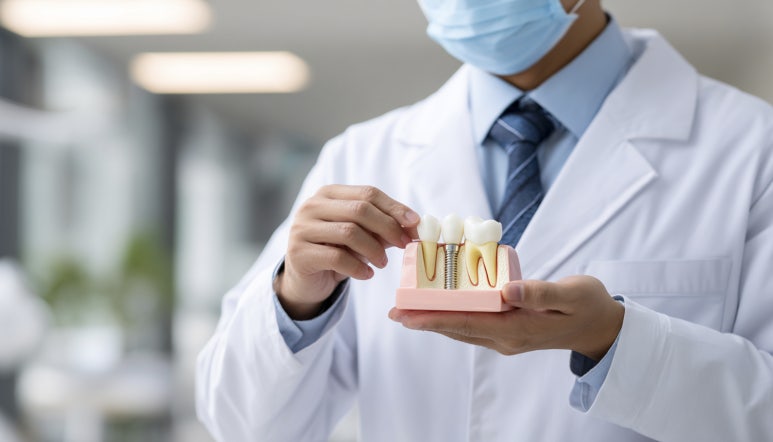
Bone grafting is nothing to be afraid of.
In fact, the word “bone grafting” can sound a little frightening. But in modern dentistry, it has already become a very standardized and safe procedure.
Unlike in the past, it does not necessarily require a large incision or a long recovery period; in many cases, it can be sufficiently performed with local anesthesia and microsurgery.
Most importantly, it is essential to accurately understand the current condition of your gum bone. Bone grafting is not always necessary, and if enough bone remains to place an implant, it may be possible without grafting.
On the other hand, if there is a thin or weakened area, even a small amount of grafting can greatly increase the success rate of the implant.
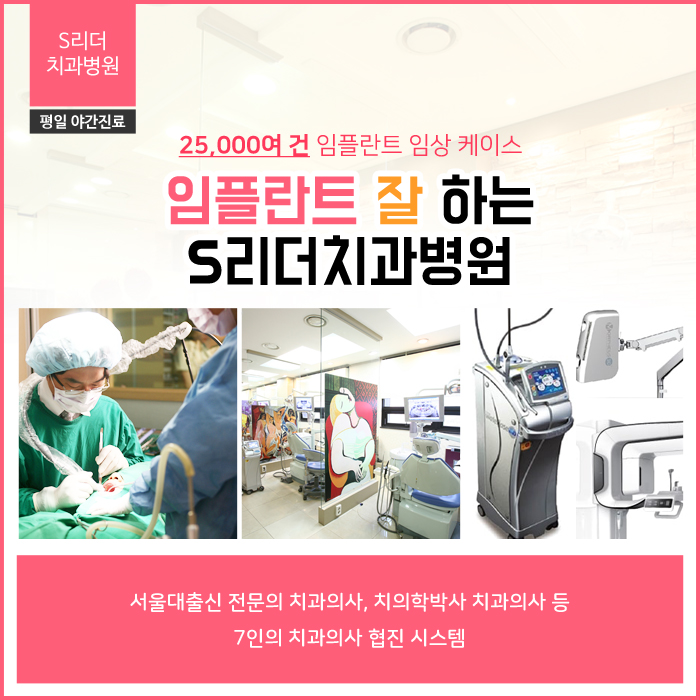
At S Leader Dental Hospital, Konkuk Dental Hospital,
if you are considering an implant
Many patients who visit Konkuk Dental Hospital often say, “I’m really worried because they said I need bone grafting.”
But those who have actually received treatment often say, “It didn’t hurt at all, as much as I thought it would.”
“Now the implant feels as comfortable as my own tooth.”
Ultimately, what matters most is the skill of the medical team performing the procedure and the management system in place. Bone grafting performed under an accurate diagnosis and plan can minimize pain while achieving stable results.
Based on extensive clinical experience, S Leader Dental Hospital, Konkuk Dental Hospital, provides specialized bone grafting and implant treatment.
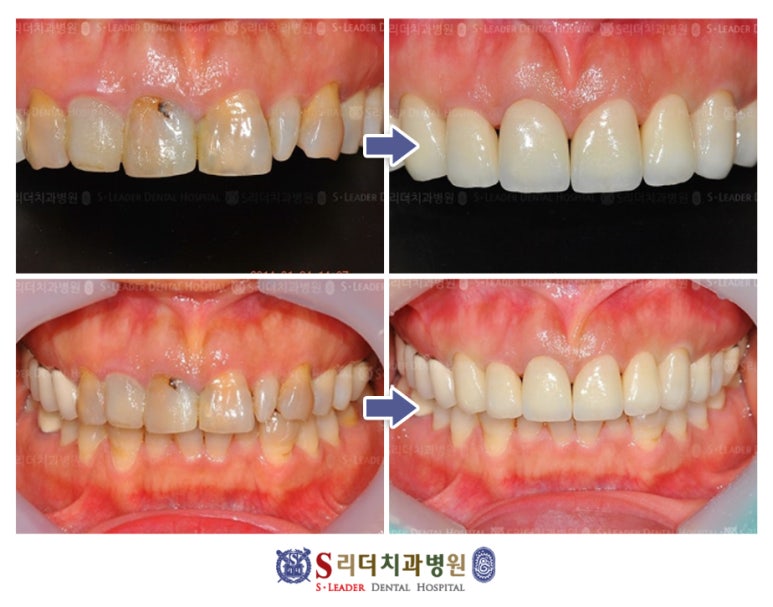
We precisely analyze each patient’s gum bone condition with 3D CT and perform only the minimum grafting necessary when needed, while also carefully monitoring the recovery process after surgery through systematic care.
If you are hesitating because you are worried about bone grafting, we recommend getting an accurate diagnosis through a consultation with a specialist.


Konkuk Dental Hospital :: S Leader Dental Hospital