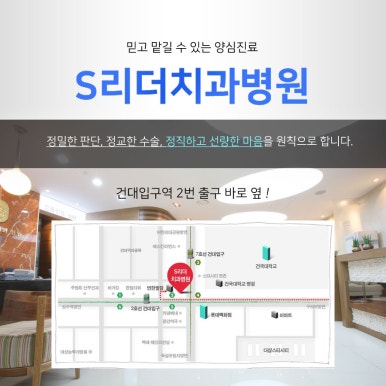
Hello, this is S Leader Dental Hospital, Gunja Station Implant.
The recovery period after implant surgery varies from person to person, but it is easy to get confused because people say different things, such as “you’ll feel better in 3 days” or “you have to wait 6 months.”
Today, we’ll take a step-by-step look at how long recovery actually takes at S Leader Dental Hospital, Gunja Station Implant, and what care methods can help support faster recovery.
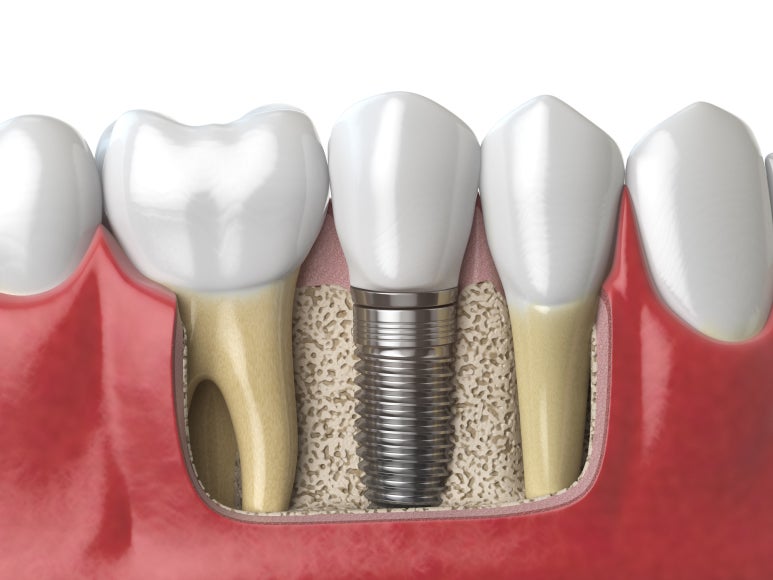
✅ The implant recovery period differs by stage
To understand the Gunja Station implant recovery period accurately, it is important to break the treatment process into stages. Implant treatment does not end simply by placing the artificial tooth root (implant fixture); it must go through a process in which the bone and the artificial root become firmly integrated.
1️⃣ Immediately after surgery to 3 days
This is the so-called “initial recovery period.” On the day of surgery, as the anesthesia wears off, mild pain and swelling may occur, and in most cases the pain gradually eases within 2 to 3 days. Following ice packs and taking the prescribed medication properly can help speed up recovery.
2️⃣ 1 to 2 weeks
During this period, the wound heals and the stitches are removed. In many cases, only a little discomfort remains rather than pain, and from this point, daily life and eating are generally not too difficult. However, since the bone inside the gums and the implant are not yet fully integrated, very hard foods should still be avoided.
3️⃣ 3 to 6 months
The key recovery period for implants is right here. It usually takes about 3 to 6 months for the artificial root to fully integrate with the jawbone (osseointegration). Even if there is no particular pain during this period, regular follow-up visits are needed to check whether the implant is settling in properly.
👉 In other words, “recovery in 3 days” refers to pain relief, while “6 months of recovery” refers to the real recovery process in which the implant fully integrates with the bone.
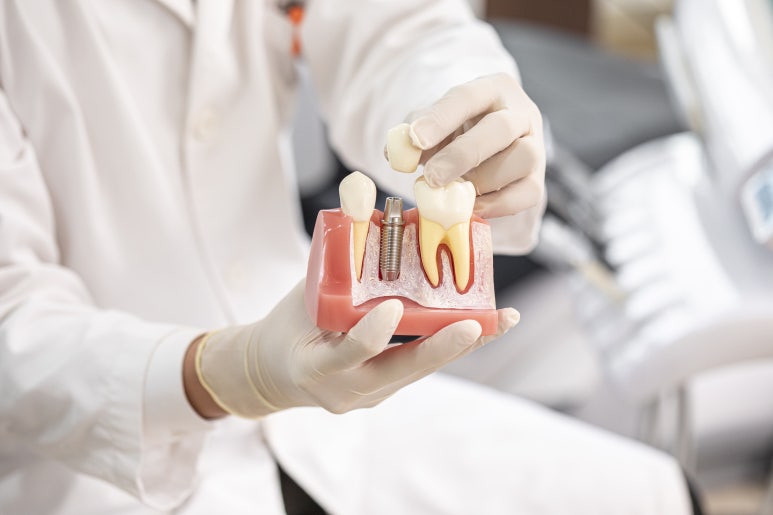
✅ Three factors that influence the recovery period
The speed of implant recovery is not determined by time alone. It can vary depending on the patient’s oral condition, the difficulty of the surgery, and post-treatment care habits.
- Amount and quality of the jawbone
The higher the bone density and the healthier the bone, the faster the implant is stabilized. On the other hand, if the bone is weak or insufficient, bone grafting may be needed, which can extend the recovery period by 1 to 2 months.
- Systemic conditions such as smoking and diabetes
Smoking interferes with blood flow and delays recovery, while diabetes increases inflammatory reactions and raises the risk of infection. In such cases, the recovery period may be longer, and post-surgery care becomes even more important.
- Care habits and oral hygiene status
If the surgical area is not kept clean, bacterial infection can occur and recovery may be delayed. Brush carefully, eat mainly soft foods, and avoid alcohol and smoking for at least 2 weeks.
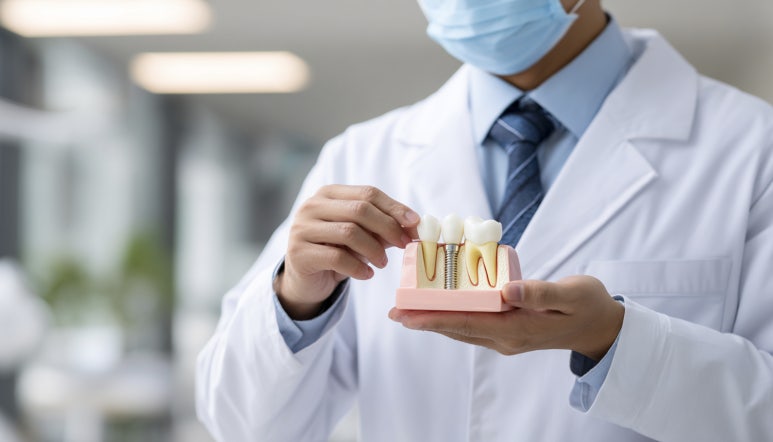
✅ How to care for yourself after implant surgery — habits that can help recovery happen faster
Even if the surgery goes well, poor aftercare can lead to inflammation or complications. In particular, during recovery, please follow the care methods below.
① Eating care
Right after surgery, avoid hot or hard foods and eat mild foods such as rice porridge or soft porridge. Also, avoid chewing directly on the surgical area.
② Oral hygiene
Until the stitches are removed, brush gently while avoiding the wound area, and keep your mouth clean using the prescribed mouthwash.
③ No smoking or drinking
Smoking interferes with blood flow and causes inflammation, while alcohol lowers immune responses. For at least 2 weeks after surgery, and ideally for 4 weeks or more, avoid smoking and drinking.
④ 충분한 휴식과 약 복용
When the body is fatigued, recovery slows down as well. Avoid strenuous exercise or staying up all night, and take the prescribed antibiotics or anti-inflammatory pain relievers consistently at the scheduled times.
⚠ Warning signs to watch for during recovery
Temporary pain or swelling is a normal reaction, but if the following symptoms appear, you must visit the hospital.
-
When swelling and pain last more than a week
-
When pus or bleeding continues
-
When there is a strong odor or severe pain at the implant site
-
When your temperature rises or one side of your face swells up
In such cases, there may be inflammation or infection, so early treatment is necessary. If you respond early, recovery is possible without removing the implant.
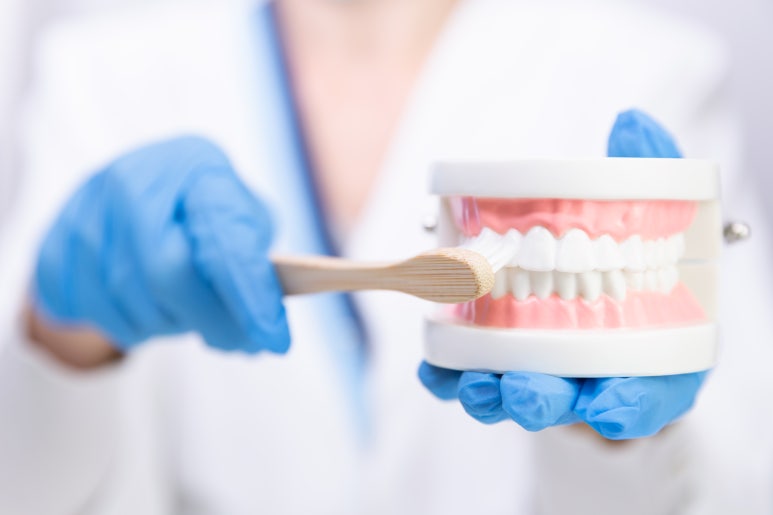
Ongoing care is still needed after recovery.
Gunja Station implant treatment is said to have a semi-permanent lifespan, but that does not mean it is guaranteed to be used for life. Even after recovery is complete, proper care must continue consistently.
In particular, peri-implantitis is a disease in which bone is destroyed, similar to gum disease around natural teeth, and it can recur at any time if hygiene is not properly maintained.
Therefore, you should have regular dental checkups every 6 months to 1 year to examine the condition of the jawbone, the implant’s stability, and whether there is any gum inflammation. It is also good to receive regular scaling and cleaning using implant-specific instruments.
Gunja Station Implant: the completion of recovery is “management.”
Rather than defining the implant recovery period as “days” or “months,” it is much more important to understand what changes occur at each stage and what care is needed. From pain relief immediately after surgery to the period when osseointegration is completed, careful care directly affects the lifespan of the implant.
At S Leader Dental Hospital, we carefully monitor each patient’s recovery speed and oral condition, and systematically help with both pre- and post-surgery care. If you are planning an implant or are curious about the recovery process, please consult with a specialist medical team soon.
At S Leader Dental Hospital, we carefully monitor each patient’s recovery speed and oral condition, and systematically help with both pre- and post-surgery care.

Gunja Station Implant :: S Leader Dental Hospital