Hello, we’re greeting you from Gwangjin-gu orthodontics, S Leader Dental Hospital.
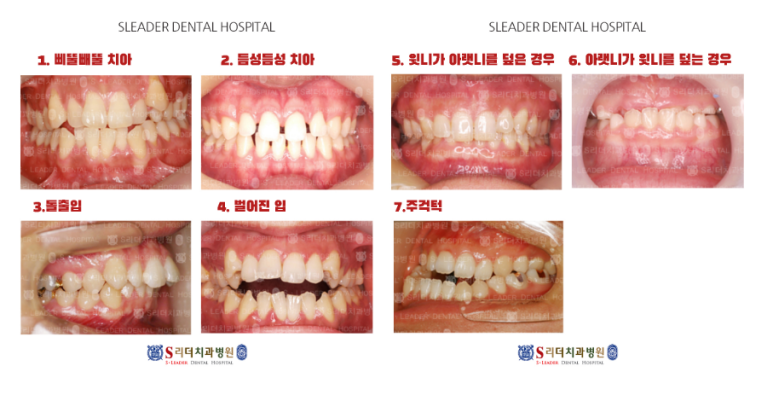
If you’re concerned about facial balance and tooth alignment, many people in particular lose confidence because of an underbite. An underbite refers to a condition in which the lower jaw protrudes excessively forward, creating an imbalance in the way the upper and lower teeth fit together. It can affect not only appearance, but also chewing function, pronunciation, and temporomandibular joint health.
If you are considering underbite correction at a dental clinic in Gwangjin-gu, the first important step is an accurate diagnosis.
It is not enough to look only at tooth alignment; a comprehensive evaluation of the facial skeleton, temporomandibular joint condition, and the degree of muscle development is necessary.
Only then is safe and satisfactory treatment possible.
Today, together with S Leader Dental Hospital, Gwangjin-gu orthodontics, let’s take a detailed look at how underbite correction is carried out step by step.
- Initial consultation and detailed diagnosis are performed.
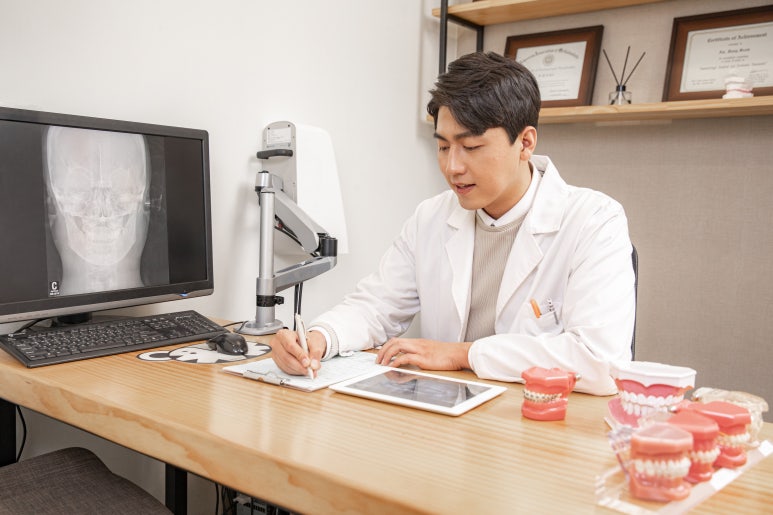
The first step in underbite correction is consultation and diagnosis.
We listen to the patient’s concerns and expectations, and evaluate the current jaw position, tooth alignment, and overall facial proportions. After that, we conduct an accurate analysis using various diagnostic tools such as panoramic X-rays, cephalometry (lateral skull X-ray), and 3D CT.
During this process, the doctor does not simply check whether the teeth are irregular,
-
the length and position of the maxilla and mandible
-
tooth alignment and occlusal relationship
-
the condition of the temporomandibular joint and muscles
-
whether there is facial left-right asymmetry
and so on.
This stage must be accurate, as it greatly affects treatment planning and the outcome of the procedure.
- A treatment plan is established.
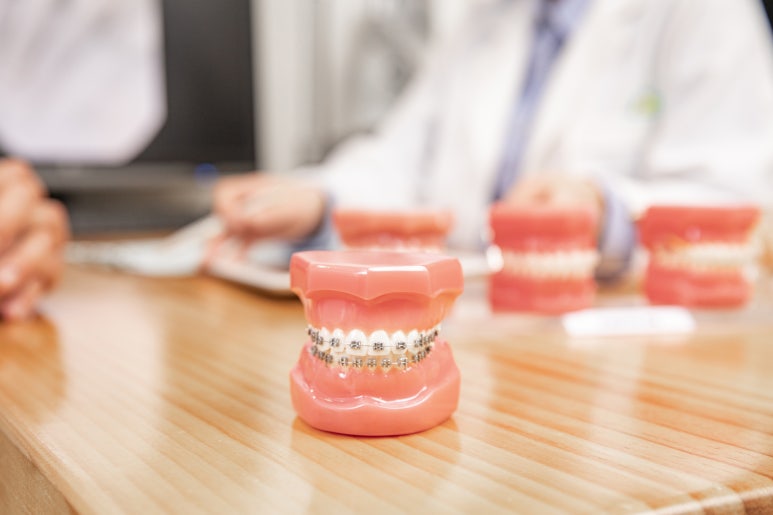
After the detailed diagnosis, a customized orthodontic plan is created.
Underbite correction is broadly divided into two methods.
Growing patients (adolescents)
If growth plates remain, correction can be done using functional appliances that control tooth and jaw growth.
This can help control the forward protrusion of the jaw and balance the growth ratio of the maxilla and mandible, creating a more natural facial shape.
Adult patients
When growth is complete but jaw protrusion is severe, simple orthodontics alone has limitations. In such cases, it is common to combine double-jaw surgery with orthodontics, or to perform surgery after adjusting as much as possible with orthodontic appliances.
By moving the mandible backward through jaw surgery, both bite function and aesthetics can be improved at the same time.
The treatment plan explains in detail the treatment period, type of appliance used, whether surgery is needed, and the expected results.
- Wearing orthodontic appliances and adjusting tooth alignment.
Once the plan is established, the treatment enters the stage of actually wearing orthodontic appliances.
For growing patients, functional appliances, headgear, trainers, and other devices that adjust the jaw and teeth together are mainly used.
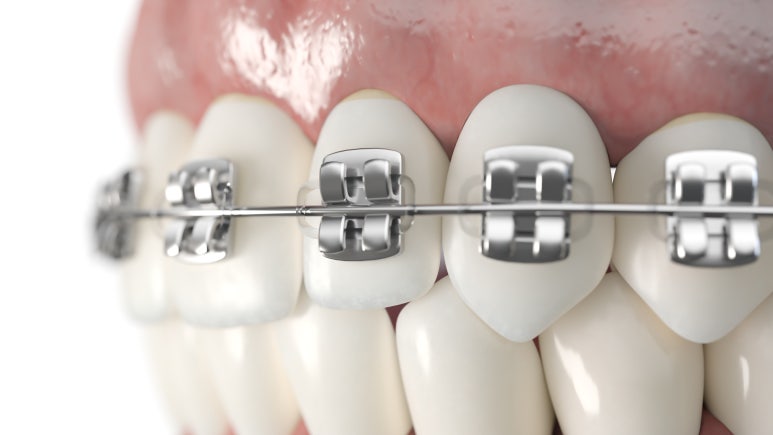
For adult patients, brackets (metal/ceramic) or clear aligners (such as Invisalign) are used to correct tooth alignment.
In this process, each tooth is gradually moved to align the bite, and the tooth arrangement is optimized to match the jaw position.
While wearing the appliance, the patient visits the clinic regularly to adjust the orthodontic wire or check the condition of the appliance.
Although the treatment process varies from person to person, it generally takes about 12 to 24 months. During orthodontic treatment, managing food intake and maintaining oral hygiene are very important.
In particular, patients with an underbite have a sensitive front-tooth bite, so care must be taken to prevent tooth mobility or damage.
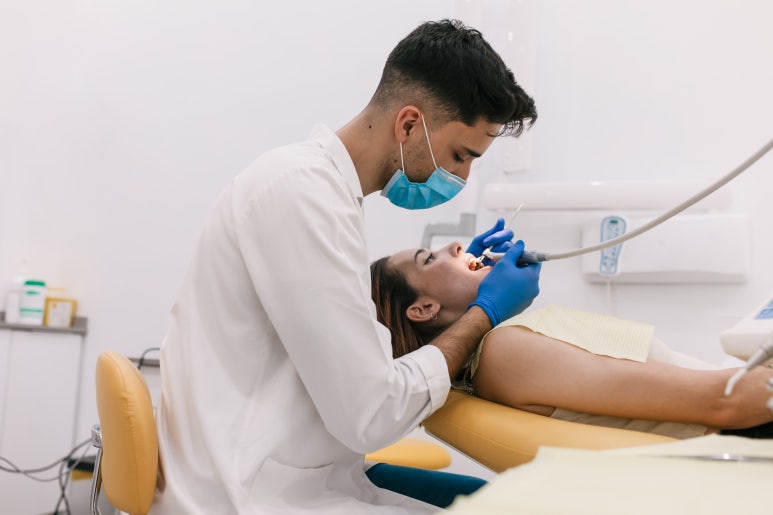
- If necessary, surgical correction is performed.
Among adult underbite patients, if the protrusion is severe, double-jaw surgery may be needed.
Before surgery, orthodontics are used to optimize tooth alignment and prepare for jaw position adjustment.
The surgical process generally proceeds as follows.
-
Pre-surgical orthodontics completed: Tooth alignment is prepared so that accurate occlusion can be achieved during jaw surgery
-
Double-jaw surgery performed: The positions of the maxilla and mandible are adjusted, and if necessary, part of the jawbone is removed or moved
-
Post-surgical stabilization period: Immediately after surgery, a stabilization device is worn on the jaw and face during recovery
-
Post-surgical orthodontic finishing: Final bite adjustment and fine tooth movement complete a natural occlusion
Recovery after surgery varies by person, but generally daily life is possible in about 2 to 4 weeks, and the final completion of orthodontic treatment takes several months.
- Wearing retainers and post-treatment care are important.
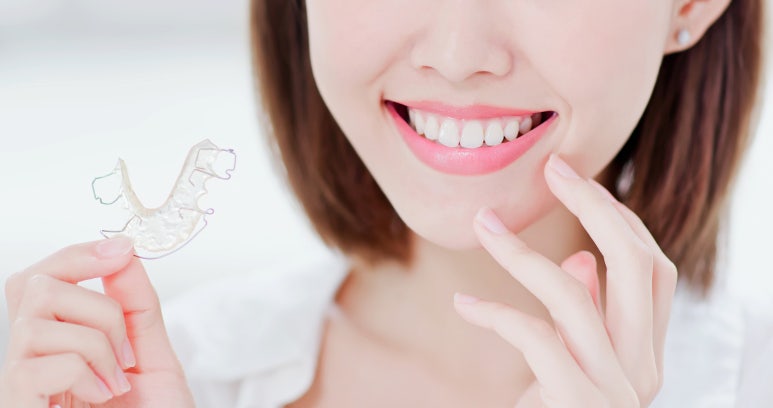
When orthodontic treatment ends, most patients tend to think, “It’s over now.” However, retainers are essential until the teeth fully stabilize in their new position. Teeth have a natural tendency to return to their original positions, so if retainers are not worn, some of the orthodontic effect may be lost.
Retainers are divided into fixed and removable types, and are selected according to the individual oral condition and the degree of tooth movement. In some cases, they are worn only for a certain number of hours a day, but for most underbite correction patients, it is recommended that they be worn every night for the first 6 months to 1 year.
In addition to wearing retainers, the following post-treatment care is important.
Maintaining regular checkups
Even after orthodontic treatment is finished, the patient should visit the dentist every 3 to 6 months to check the bite and the condition of the temporomandibular joint. Checking for temporomandibular joint imbalance, subtle changes in tooth alignment, and gum health can improve long-term stability.
Oral hygiene management
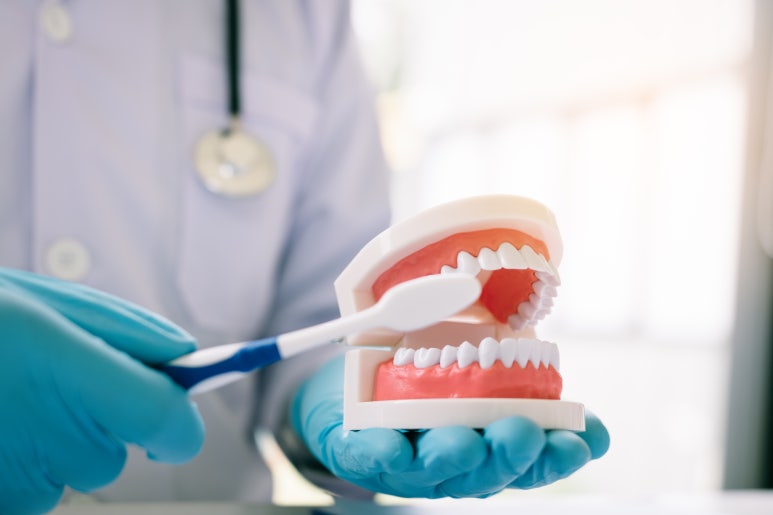
Because orthodontic appliances increase the areas where the tooth surface contacts, bacteria can build up more easily. Even while wearing retainers, it is essential to actively use dental floss, a water flosser, and interdental brushes to manage oral hygiene.
If gum inflammation or tartar builds up, tooth movement may occur again or the orthodontic results may become unstable.
Adjusting lifestyle habits
Be careful with hard foods and habits that apply excessive force, such as teeth grinding or nail biting. In particular, for underbite patients whose upper and lower front teeth meet with only a slight overlap, harmful habits can cause relapse over time.
Keeping the appliance clean
Removable retainers must be cleaned thoroughly.
If bacteria accumulate on the appliance, they can cause oral inflammation, bad breath, and gum damage, so it is a good idea to regularly clean it with a dedicated cleaning solution or
lukewarm water and a soft toothbrush.
In this way, post-treatment care and retainer wear are not just supplementary steps, but essential processes for maintaining the treatment effect for a long time.
Once the teeth stabilize in their new position, the wearing time of the appliance can gradually be reduced, but regular checkups should ideally continue for life.
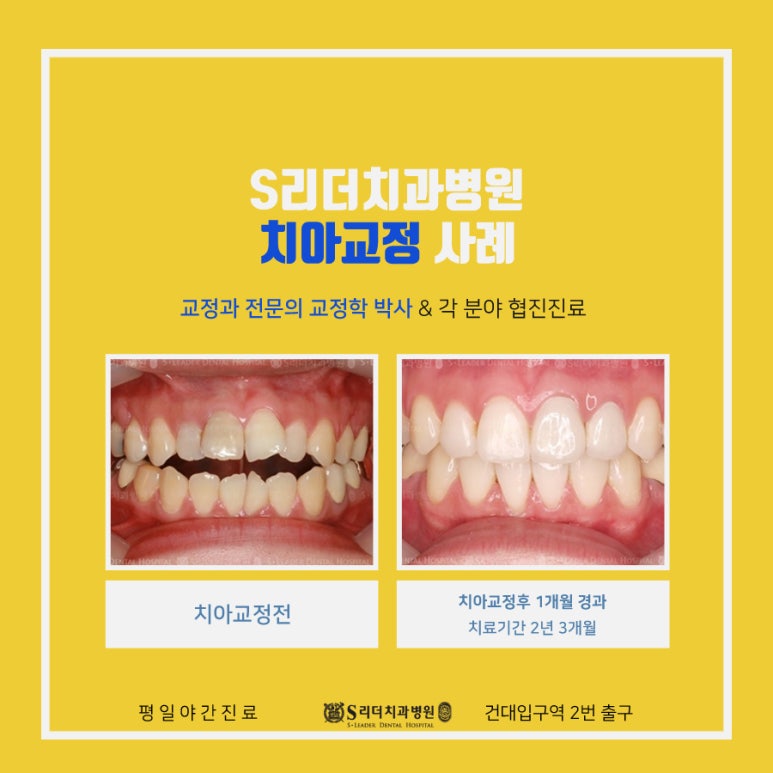
Are you curious about the benefits of underbite correction?
Underbite correction is more than just adjusting the position of the lower jaw; it also means restoring overall facial harmony and function.
Improved aesthetics
The most noticeable change is the restoration of facial balance.
When the protruding mandible is adjusted and the tooth alignment is corrected, the lips and gums become naturally visible when smiling, and the side and front facial proportions also change in a more harmonious way. Many patients experience improved confidence and greater social confidence due to changes in appearance.
Improved bite and chewing function
Because underbite often involves an unbalanced upper and lower tooth relationship, the force used for chewing may be concentrated on one side, or tooth wear may occur.
By correcting the bite so that the teeth fit together properly, chewing efficiency improves and eating becomes more comfortable.
In the long term, it also helps reduce the uneven force placed on the temporomandibular joint, aiding in the prevention of jaw pain and joint problems.
Improved pronunciation
A protruding lower jaw can affect some sounds, especially the “s,” “th,” and “z” sounds. By correcting tooth alignment and lip position, pronunciation becomes clearer, and a natural tongue position can be maintained while speaking.
Long-term protection of oral health
When the bite is normalized, uneven force on the teeth is reduced and the burden on the gums is also eased.
This can help prevent long-term oral health problems such as tooth wear, periodontal disease, and temporomandibular joint disorders.
Mental and psychological effects
Improved appearance and restored function do not simply mean physical changes.
After treatment is completed, patients also experience psychological benefits such as increased confidence, improved smiles, and greater willingness to participate in social activities.
Underbite correction is not just a process of attaching orthodontic appliances and moving teeth, but an integrated treatment that considers the entire face, jaw function, oral health,
and psychological satisfaction.
When accurate diagnosis and a customized plan are provided, the most ideal results can be achieved.
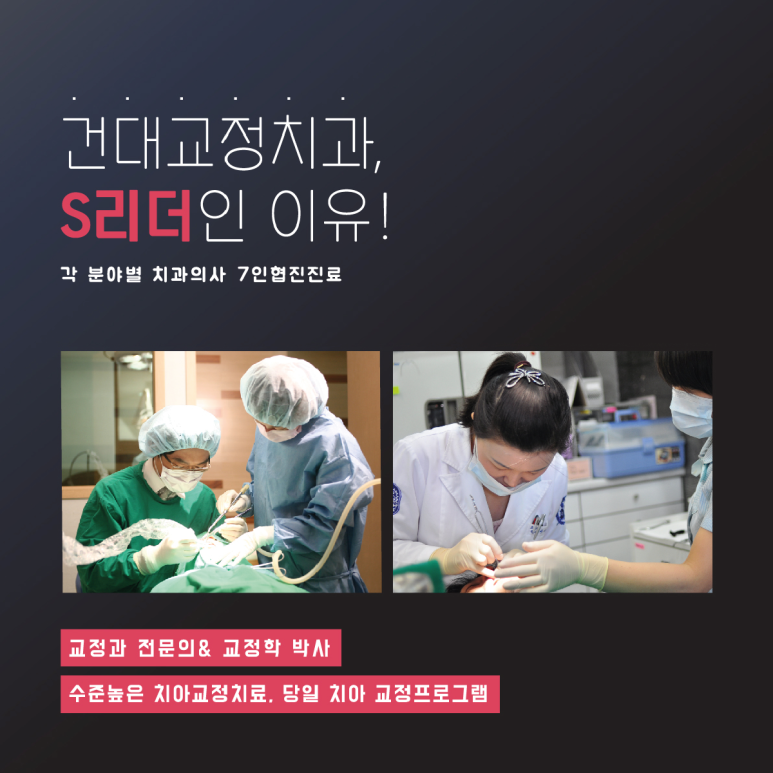
Gwangjin-gu orthodontics, S Leader Dental Hospital,
is a hospital you can trust and choose with confidence.
If you are considering underbite correction in Gwangjin-gu, accurate diagnosis and extensive experience are important criteria.
Gwangjin-gu orthodontics S Leader Dental Hospital is equipped with the latest devices such as CT and 3D scanners, and its medical team with extensive experience in underbite correction and double-jaw surgery provides 1:1 customized treatment.
By comprehensively analyzing the positions of the teeth and jaw, the clinic creates a personalized orthodontic plan that considers both function and aesthetics, and systematically manages the entire orthodontic process as well as post-treatment care.
Even those who are deeply concerned about an underbite can, through professional diagnosis and careful orthodontic treatment at S Leader Dental Hospital, restore a natural,
balanced face and healthy tooth function.
 Gwangjin-gu orthodontics :: S Leader Dental Hospital