Hello, this is S Leader Dental Hospital with a Seoul dental clinic recommendation.

When you start orthodontic treatment, you may feel satisfied as you look at your teeth becoming more aligned in the mirror, but at the same time, you often realize how difficult it is to manage. In particular, once orthodontic appliances are attached, food gets trapped more easily and brushing becomes harder, so the risk of cavities and gum disease becomes much higher than before. Orthodontic treatment is not simply about changing the alignment of the teeth;
it is a long-term process that must be carried out while protecting oral health, so careful management is essential.
In this post, we will take a detailed look at the reasons cavities develop during orthodontic treatment and how to prevent them, with a Seoul dental clinic recommendation.
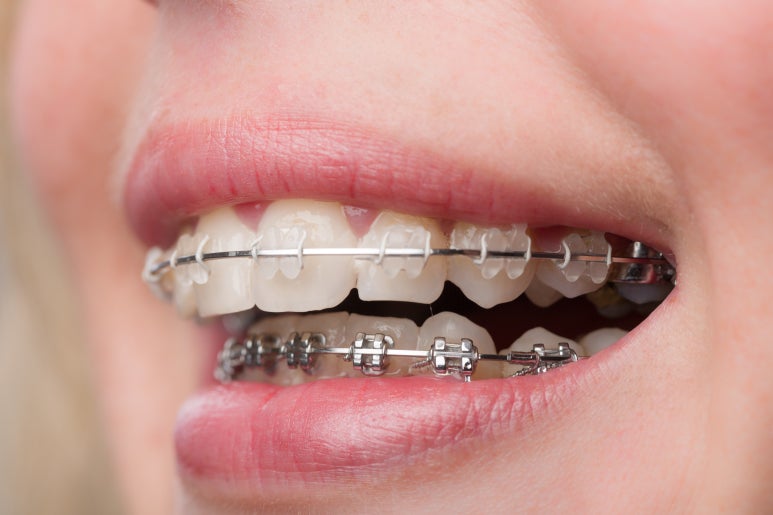
Why do cavities form so easily during orthodontic treatment?
The biggest cause is bacteria and food debris around orthodontic appliances. Due to the structure of appliances such as brackets, wires, and rubber rings, there are many crevices where food can easily get stuck, and because it is not washed away by saliva, it becomes an environment where bacteria can thrive.
In particular, frequent consumption of sugary foods or sticky snacks allows bacteria to attach to the tooth surface and produce acid, which slowly dissolves the enamel and leads to cavities.
Another major reason is that brushing becomes difficult. Before orthodontic treatment, brushing simply up and down may have been enough, but during treatment there are many hard-to-reach areas such as around the brackets, at the boundary between the teeth and gums, and under the orthodontic wire. Because of this, residue remains even after brushing, and over time plaque and biofilm build up more thickly.
In addition, during orthodontic treatment, the tooth surface can become dry and an acidic environment is easier to maintain, snack intake may increase, and changes in the oral pH all work together to raise the risk of cavities.
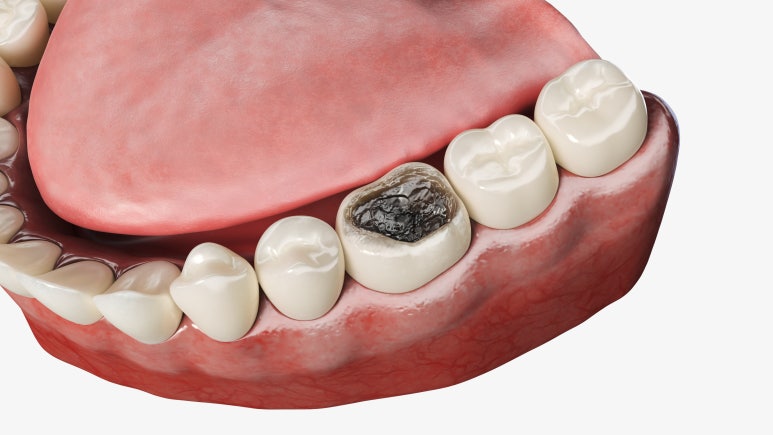
What problems occur if cavities develop during orthodontic treatment?
If cavities develop during orthodontic treatment, it does not simply end with one treatment session. To treat the cavity, the appliance may need to be temporarily removed, or the wire in that area may need to be cut. When these steps are repeated, the treatment period becomes longer and it may also affect the accuracy of the orthodontic result.
Also, if the cavity progresses severely, root canal treatment or restorative treatment may be needed, and in such cases it can become complicated enough that the orthodontic plan must be revised. Because cavities that develop during orthodontic treatment usually start in areas that are not easily visible, they are difficult to find through self-checks alone, and regular professional examinations are important.
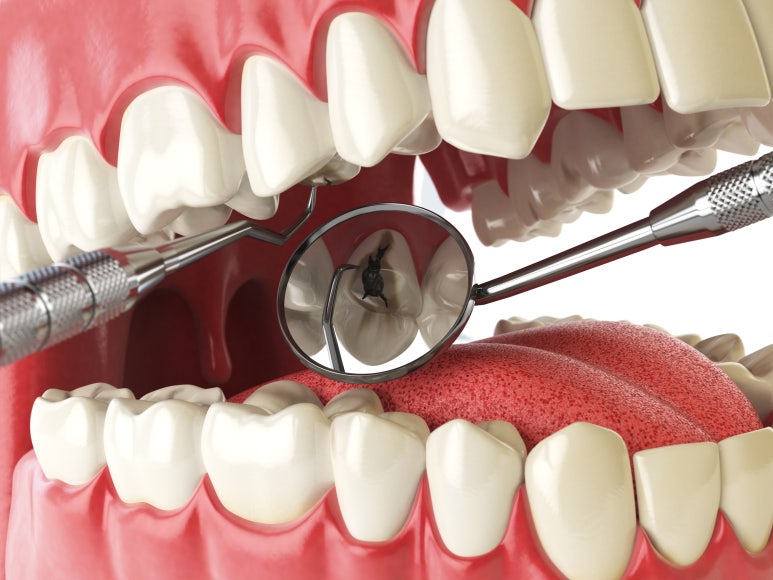
Healthy oral care habits to prevent cavities
- Use an orthodontic toothbrush and interdental brush
A regular toothbrush alone makes it difficult to clean between brackets thoroughly. An orthodontic toothbrush has V-shaped bristles, allowing efficient cleaning above and below the brackets, and an interdental brush is very effective for removing food debris from narrow spaces such as under the wire.
- Use fluoride toothpaste or mouthwash
Fluoride strengthens the tooth surface and increases resistance to acid. During orthodontic treatment, using fluoride toothpaste or combining it with a mouthwash product can help prevent cavities. However, using it too often may dry out the oral mucosa, so once or twice a day is appropriate.
- Avoid sugary, sticky snacks
Caramel, jelly, and chocolate are representative foods that easily stick to orthodontic appliances. If brushing immediately after eating is difficult, rinse your mouth with water several times so that no residue remains.
Also, beverages with high acidity, such as carbonated drinks or fruit juice, can cause demineralization on the tooth surface (an early cavity symptom where the teeth turn white), so caution is needed.
- Do not rinse too thoroughly after brushing
Many people have the habit of rinsing their mouth thoroughly after brushing, but if all the fluoride is washed away in the process, the cavity-prevention effect is reduced. It is better to rinse lightly so that some toothpaste foam remains.
- Receive regular scaling and checkups
During orthodontic treatment, you visit the clinic every 4 to 6 weeks to have the appliances checked, and at that time it is important to also check oral hygiene status.
If there is a lot of tartar or plaque, professional scaling or plaque removal is necessary, and if early cavities are found, it is best to treat them right away.
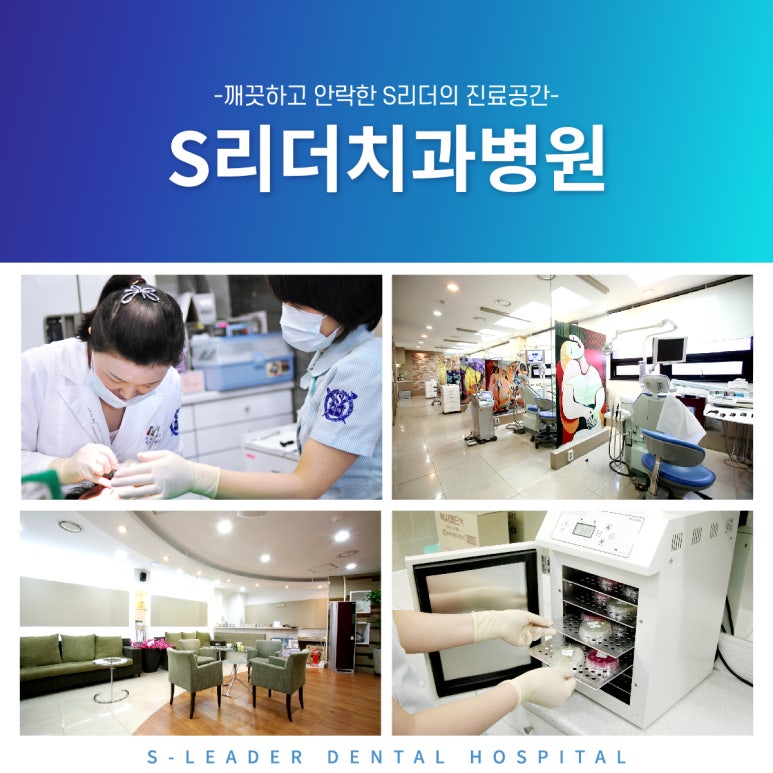
Hospital management system to help prevent cavities during orthodontic treatment!
Recently, more dental clinics have been combining orthodontic treatment with oral hygiene management programs, rather than simply correcting tooth alignment.
During regular checkups, oral cleanliness tests or plaque staining tests can be used to identify areas that are hard to reach with brushing, and you can receive direct guidance on the correct brushing method. If necessary, fluoride application or professional cleaning can also lower the risk of cavities.
In particular, if the gums are swollen or bleeding, combining gum treatment or laser care can help maintain healthy gums even during orthodontic treatment. If this type of care continues steadily, tooth color can remain even after orthodontic treatment ends, and the orthodontic results can last longer.
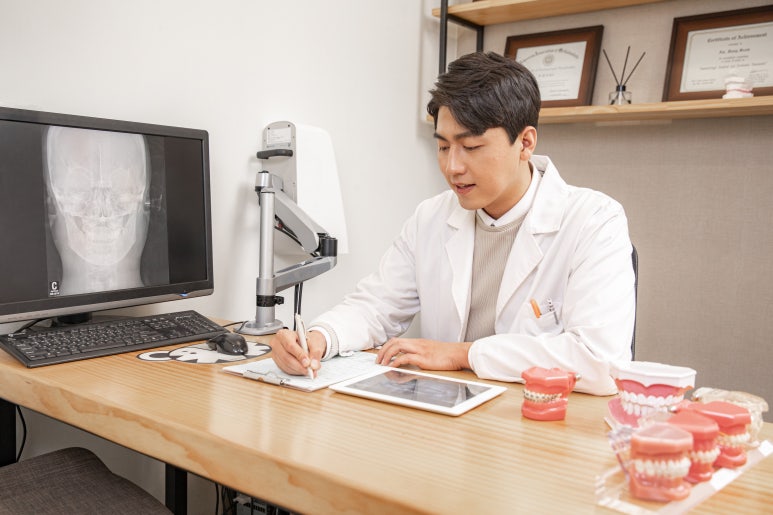
The key to orthodontic treatment without cavities is a steady routine.
In the end, the key to preventing cavities during orthodontic treatment is consistency in daily habits. Brushing three times a day alone may not be enough, and small habits such as rinsing with water right after meals or carrying a travel toothbrush when going out make a big difference.
Also, after brushing before bedtime, it is best to avoid eating and to use mouthwash or interdental brushes together.
Orthodontic treatment is a long journey, but if healthy care habits become second nature, you can maintain clean and healthy teeth throughout the treatment period.
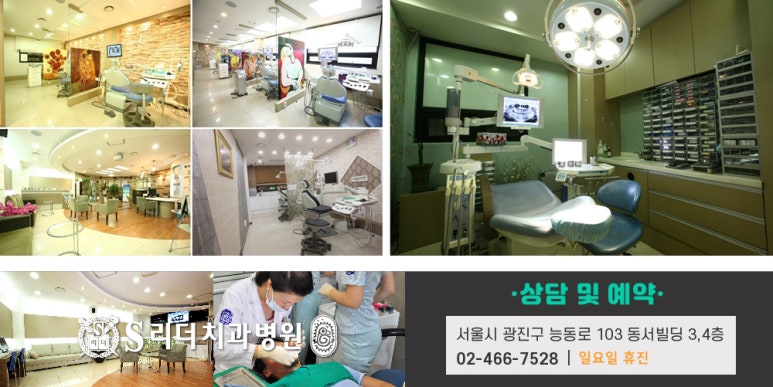
Seoul dental clinic recommendation, start healthy orthodontic treatment with S Leader Dental Hospital
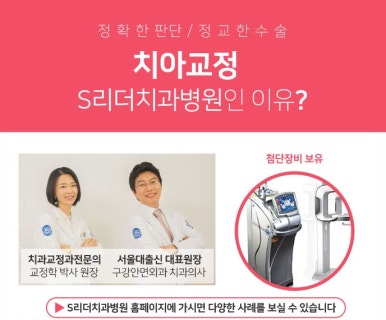
At S Leader Dental Hospital, a Seoul dental clinic recommendation, we also operate a hygiene management system to help prevent cavities during orthodontic treatment.
During appliance checkups, we carefully examine the oral condition, and if necessary, we combine scaling or fluoride application to prevent cavities and gum disease in advance.
We also provide brushing guidance and care tips tailored to each patient's oral habits so that they can maintain healthy and beautiful teeth even after orthodontic treatment is finished.
If you are experiencing discomfort from cavities during orthodontic treatment, check your condition now through a regular examination. The completion of orthodontic treatment starts with
'healthy teeth.'


Seoul dental clinic recommendation :: S Leader Dental Hospital