Hello, this is Yongmasan Station Dental Clinic, greeting you from S Leader Dental Hospital.
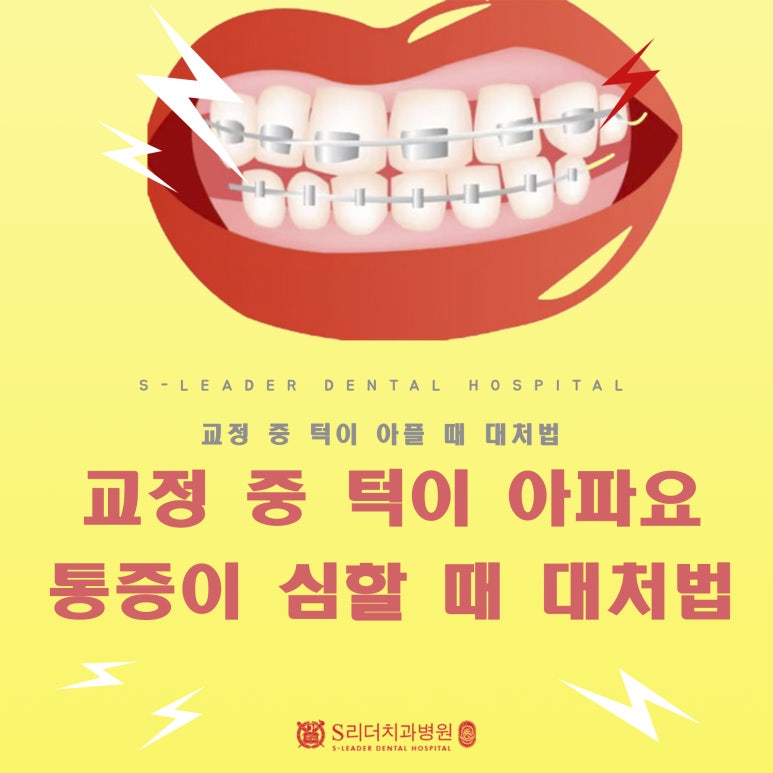
One of the discomforts many people experience when starting orthodontic treatment is jaw and tooth pain.
In particular, when the appliance is first attached or the wire is adjusted, or when the orthodontic stage changes, not only the teeth but also the muscles and joints around the jaw may feel pressure, making the pain feel more severe.
When you start to feel that “my jaw feels heavy” or “it hurts when I chew,” it can greatly interfere with daily life, which is why many patients worry about it.
 There are various causes of jaw pain during orthodontic treatment.
The most common cause is pressure and muscle tension that occur during tooth movement. Teeth move little by little under the force of orthodontic appliances, and in this process, slight pressure is generated on the gums and alveolar bone around the teeth, which in turn
There are various causes of jaw pain during orthodontic treatment.
The most common cause is pressure and muscle tension that occur during tooth movement. Teeth move little by little under the force of orthodontic appliances, and in this process, slight pressure is generated on the gums and alveolar bone around the teeth, which in turn
creates tension in the jaw muscles and ligaments.
Especially during the first 3 to 5 days after wearing an orthodontic appliance, or right after a wire replacement, pain may feel more intense as the teeth and jaw muscles adapt to the new force.
In addition, if there is an imbalance in the temporomandibular joint or structural issues such as protruding mouth, deep bite, or open bite, the pain may persist for a long time or appear more strongly.
Also, if the orthodontic appliance does not fit well or excessive force is concentrated on a specific tooth, jaw and tooth pain may last longer than expected.
Therefore, rather than simply thinking, “I just have to endure it,” it is important to share details such as the location, intensity, and duration of the pain with your specialist during regular visits.
Doing so can help reduce pain efficiently through appliance adjustments or bite correction.
 What are some everyday ways to relieve orthodontic pain?
To ease jaw pain during orthodontic treatment, it is a good idea to combine several practical management methods.
What are some everyday ways to relieve orthodontic pain?
To ease jaw pain during orthodontic treatment, it is a good idea to combine several practical management methods.
First, warm and cold compresses.
When the jaw muscles feel tense, heavy, or stiff, applying a warm compress with a warm towel or heat pack for about 10 to 15 minutes can help
relax the muscles and improve blood circulation.
On the other hand, when the pain is sharp or swelling is present, applying a cold compress for the same amount of time can help reduce inflammation. In this case, it is safer not to apply it for too long or directly on the skin, but to wrap it in a towel first.
Second, eat soft foods.
Hard or chewy foods can put stress on the jaw muscles and orthodontic appliances, worsening the pain.
It is better to eat foods that require less chewing, such as porridge, soup, yogurt, mashed potatoes, and boiled eggs, to minimize the pressure on the jaw muscles.
However, in terms of nutritional balance, it is important to consume enough protein and vitamins, as these also help recovery and tooth movement.

Third, using pain relievers.
If the pain is severe, over-the-counter pain relievers can be used for a short period, but in that case, you must consult a specialist and confirm the proper dosage and how to take them.
Pain relievers are used not to eliminate pain completely, but to reduce the inconvenience in daily life caused by pain.
Fourth, jaw muscle stretching and massage.
Gently moving the jaw from side to side or massaging the joint area in front of the ears may help relieve pain as tense muscles loosen.
However, if the pain is severe, you hear a popping sound in the jaw, or movement is limited, you should avoid forceful stretching and 반드시 consult a specialist.
Lastly, improving daily habits is also important.
Habits such as clenching your jaw all day, teeth grinding, stress, and irregular meals can worsen pain, so it is a good idea to consciously relax the jaw and get enough rest.

[Things to check when the pain persists]
If the pain continues for several days or gets worse, it may be more than simple tooth movement.
A representative case is when the orthodontic appliance applies excessive pressure to a specific tooth or when the bite does not fit properly, causing strain to build up in the temporomandibular joint. In such cases, a specialist can resolve the problem through appliance adjustment, wire replacement, or bite readjustment.
Also, if there is a structural problem in the temporomandibular joint itself or if muscle tension is severe, it is safer to have a dental clinic assess the jaw joint and establish a customized management
plan.
If pain is left untreated, appliance wear time may decrease and tooth movement may slow down, which can prolong the orthodontic treatment period. Also, if the jaw
muscles remain tense, secondary symptoms such as muscle pain, headaches, and shoulder pain may appear.
Therefore, if pain persists, it is important not to endure it on your own, but to respond early through regular visits and specialist consultation.
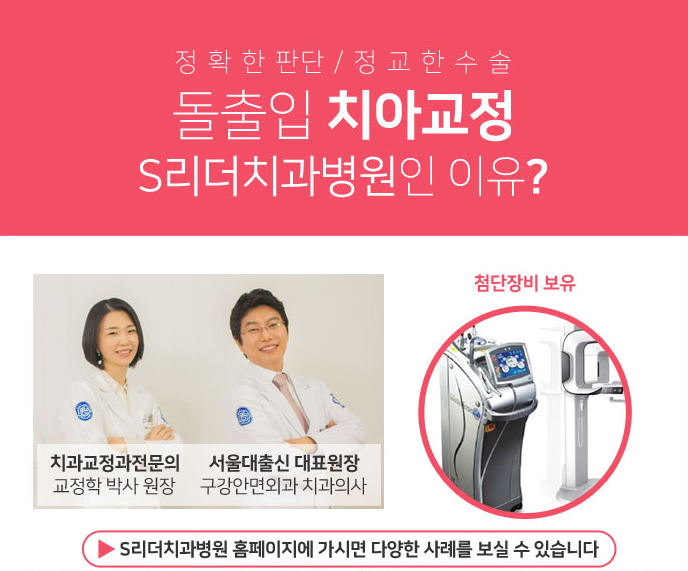 Start personalized care at S Leader Dental Hospital in Gwangjin-gu
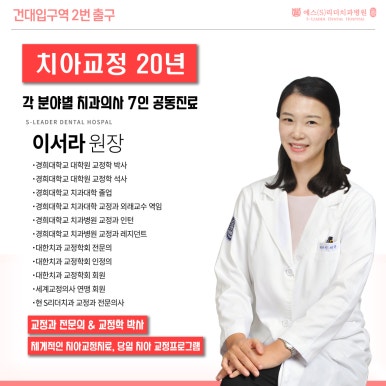
At Yongmasan Station Dental Clinic, S Leader Dental Hospital in Gwangjin-gu, we closely observe each patient’s jaw and tooth condition throughout the orthodontic treatment process.
Start personalized care at S Leader Dental Hospital in Gwangjin-gu
At Yongmasan Station Dental Clinic, S Leader Dental Hospital in Gwangjin-gu, we closely observe each patient’s jaw and tooth condition throughout the orthodontic treatment process.
At the initial stage of wearing the appliance, we check the level of pain and, if necessary, minimize discomfort through appliance adjustments, wire replacement, and guidance on daily habits.
Also, if the pain continues for a long time, we assess the condition of the temporomandibular joint and provide a customized management plan,
including muscle relaxation methods, warm and cold compresses, and the use of pain relievers.
In this way, we do not stop at simply straightening the teeth, but systematically manage treatment so that patients experience as little discomfort as possible and orthodontic treatment can be completed safely.
 With S Leader Dental Hospital in Gwangjin-gu,
you can manage orthodontic pain systematically.
Jaw pain during orthodontic treatment is a natural part of the process, but it should not be ignored or left untreated.
With S Leader Dental Hospital in Gwangjin-gu,
you can manage orthodontic pain systematically.
Jaw pain during orthodontic treatment is a natural part of the process, but it should not be ignored or left untreated.
By combining everyday management methods such as warm and cold compresses, eating soft foods, stretching, and using pain relievers when necessary, and by accurately identifying the cause through regular visits and specialist consultation, pain can be reduced effectively.
Yongmasan Station Dental Clinic, S Leader Dental Hospital in Gwangjin-gu, provides optimal comfort and satisfaction throughout the orthodontic period by customizing care for each patient’s jaw and teeth condition.
We hope you can complete orthodontic treatment safely through pain management and careful daily habits, and achieve healthy, straight teeth.

 Yongmasan Station Dental Clinic :: S Leader Dental Hospital