Hello, this is Seoul orthodontics, greetings from S Leader Dental Hospital.

When starting orthodontic treatment, most patients tend to focus only on tooth alignment. However, during orthodontic treatment, changes can also occur in the gums and periodontal tissues, as well as the teeth.
Today, from Seoul orthodontics at S Leader Dental Hospital, we’ll look at gum inflammation and bleeding that can occur during orthodontic treatment, how to manage periodontal health, and how to maintain healthy gums even after treatment. We’ll also discuss how to protect gum health during orthodontic treatment.
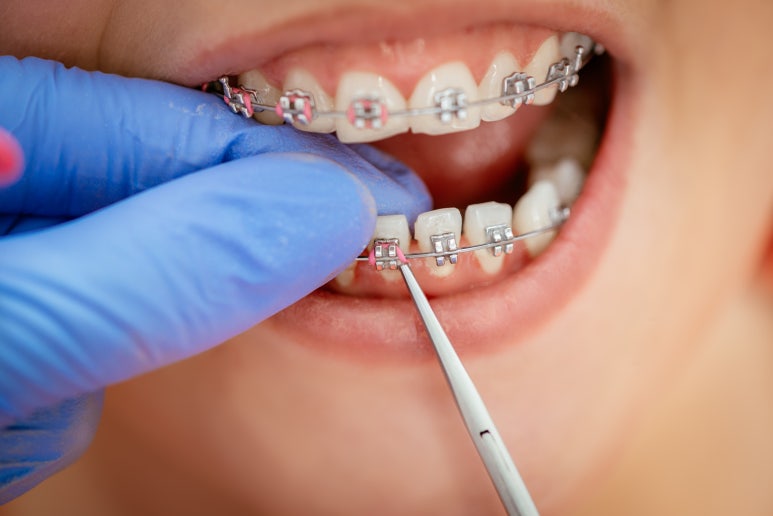
- Why do gum changes occur during orthodontic treatment?
Orthodontic appliances are devices attached to move teeth, and they come in various forms such as wires, brackets, and clear aligners.
Because these devices are placed on the tooth surface or between teeth, food debris and plaque can accumulate more easily than usual.
Plaque creates an environment where bacteria can multiply, which can cause symptoms such as gum inflammation, bleeding, and swelling. In particular, bracket orthodontics makes it easy for food to get trapped around the wires and brackets, so if not properly managed, the risk of gingivitis increases.
In addition, as teeth move during orthodontic treatment, the periodontal tissues are subtly stimulated, which can lead to temporary gum swelling or sensitivity. In particular, when teeth move significantly, or if the gums are already weak, there is a risk of gum damage. Therefore, during orthodontic treatment, it is very important to consistently care not only for the teeth but also for gum health.
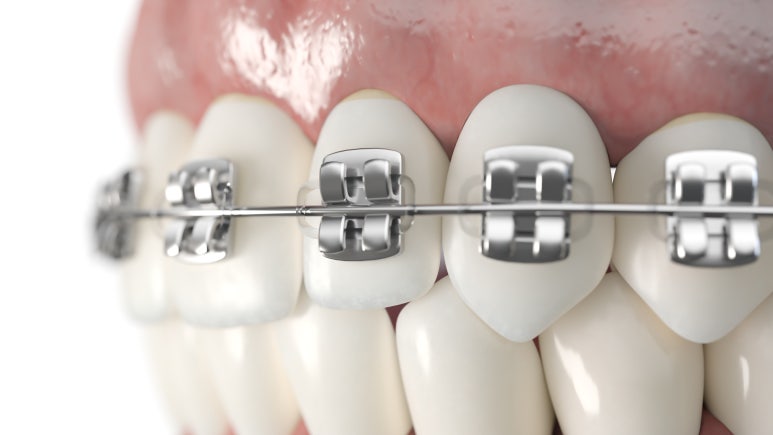
- Let’s look at common gum problems during orthodontic treatment.
(1) Gum inflammation (gingivitis)
When bacteria build up around orthodontic appliances, the gums can become red, swollen, and bleed easily. If early gingivitis is left untreated, it can progress to periodontitis, leading to damage to the jawbone and tooth mobility, so caution is needed.
Gingivitis may have mild symptoms at first, so it is easy to think, “It’ll be fine if I just brush well.” But
if plaque continues to build up, the inflammation gradually worsens, bacteria can penetrate around the tooth roots, and in the end, even after orthodontic treatment,
gum recovery may take a long time.
(2) Gum bleeding
Bleeding from the gums when brushing or flossing is a sign of inflammation. If bleeding repeats, it suggests the possibility of not just simple gingivitis but
damage to the periodontal tissues, so a professional examination is needed.
Especially in the early stage of orthodontic treatment, brushing may be difficult while adjusting to wires and brackets, so bleeding can occur frequently. However, if left untreated, it can affect the entire orthodontic process, so it is best to adjust your care routine immediately when bleeding occurs and seek consultation with a specialist.
(3) Gum recession
In rare cases, during orthodontic treatment, the gums may gradually recede, a condition called “gum recession.” This is more likely to occur when excessive
force is concentrated on certain teeth during orthodontic treatment, or when the gums are already weak.
Once gum recession progresses, it is difficult to recover naturally. If the gums recede and the tooth roots are exposed, it can lead to increased sensitivity, repeated gum inflammation, and in severe cases, tooth loss. Therefore, prevention is most important, and periodontal health should be checked from the early stage of orthodontic treatment while combining proper brushing and flossing.
- How should gum health be managed during orthodontic treatment?
The key to protecting gum health during orthodontic treatment is maintaining cleanliness and regular checkups.
(1) Proper brushing
With orthodontic appliances in place, it is difficult to clean between the teeth and gums and around the brackets properly with a regular toothbrush alone.
-
Use a soft toothbrush and gently brush around the brackets and wires in circular motions.
-
Using an electric toothbrush or a toothbrush designed for brackets can improve brushing efficiency.
-
It is best to brush at least three times a day, especially within 30 minutes after meals.
(2) Use dental floss and interdental brushes
Because a toothbrush alone cannot remove plaque between teeth, use dental floss or interdental brushes.
-
When using floss, gently thread it under the wire to clean between the gums and teeth.
-
Interdental brushes are effective for cleaning wider spaces between teeth and around orthodontic appliances.
-
Using dental floss or interdental brushes at least once a day helps greatly in preventing inflammation.

(3) Use mouthwash
Using a mouthwash with antibacterial effects can help reduce bacterial growth and prevent gum inflammation. In particular, it is best to choose a product suited to your needs, such as whether it contains alcohol and whether it is designed for sensitive gums.
(4) Regular scaling and professional checkups
Even during orthodontic treatment, it is recommended to remove plaque and tartar through scaling at least every 3 to 6 months.
During regular checkups, a specialist can examine gum health and, if needed, combine treatments such as laser therapy, gum-care gels, and gum massage. This kind of customized care helps prevent early inflammation and supports faster recovery.
(5) Healthy lifestyle habits
-
Sweet and sticky foods can affect bacterial growth around orthodontic appliances, so be sure to brush after eating them.
-
Smoking and excessive drinking can worsen gum health, so it is best to avoid them.
-
Adequate water intake promotes saliva production, helping suppress oral bacteria.
-
Stress management and sufficient sleep are also beneficial for preventing gum inflammation.

-
Gum changes during orthodontic treatment: how to manage them well
-
Brush more thoroughly than usual around orthodontic appliances
-
Keep the spaces between teeth clean with floss and interdental brushes
-
Use mouthwash to suppress bacteria
-
Regular scaling and professional checkups are essential
-
Avoid sweets, smoking, and dry mouth
-
Managing stress and sleep also affects gum health
If you consistently follow these six principles, you can prevent gum inflammation and bleeding during orthodontic treatment and maintain periodontal health.
[Check your gum care during orthodontic treatment]
If the following symptoms appear during orthodontic treatment, you should see a specialist immediately.
-
When gum bleeding continues after brushing
-
When the gums become severely swollen and red
-
When the gums recede and the tooth roots are exposed
-
When teeth feel loose or sensitive
-
When bad breath becomes severe and food feels trapped frequently
If you do not miss these early warning signs and manage them properly, you can maintain healthy gums and a beautiful tooth alignment even after orthodontic treatment.
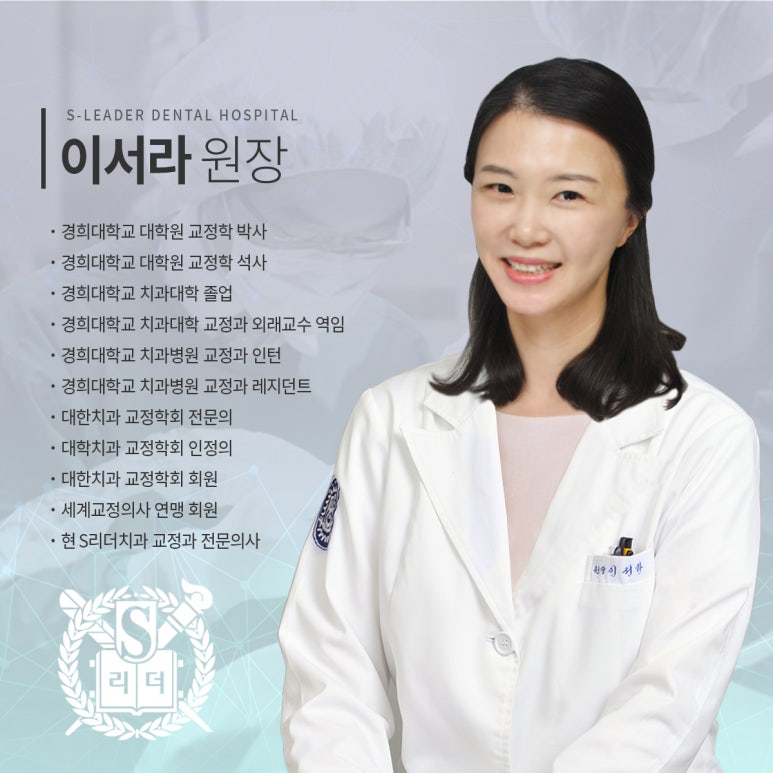
Consistent gum care during orthodontic treatment is the answer.
Orthodontic treatment is not just about aligning teeth; it also requires managing gum and periodontal health together. When wearing orthodontic appliances, bacteria can build up easily, and gum inflammation or bleeding can occur, but these can be sufficiently prevented through proper brushing, flossing, and regular scaling.
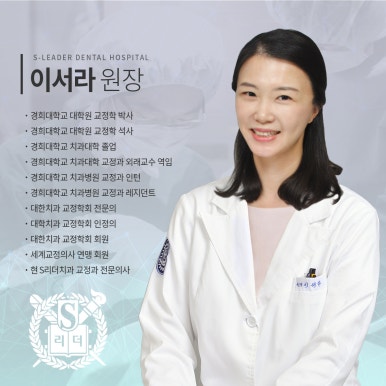
Seoul orthodontics, S Leader Dental Hospital in Gwangjin-gu, checks gum health throughout the orthodontic treatment process and, if needed, provides customized care such as scaling and laser treatment. If you want to protect healthy gums even during orthodontic treatment, systematic care with a specialist medical team is the safest approach.




Seoul orthodontics :: S (S) Leader Dental Hospital