Hello, this is Nungdong Dental Clinic, greeting you from S Leader Dental Hospital.
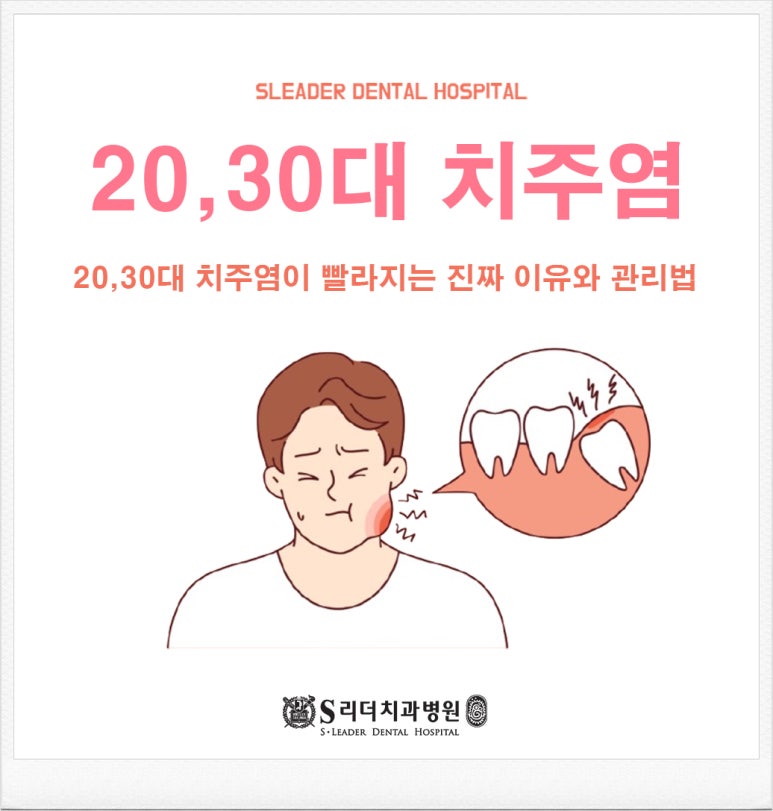
These days, many patients in their 20s and 30s who visit the dental clinic report symptoms such as, “My gums often swell and bleed,” “My teeth feel sensitive when I brush,” and “It feels like the spaces between my teeth are getting wider.”
In the past, periodontitis was mainly common in people in their 40s and 50s or older, but now it is rapidly increasing among younger adults. Many people simply brush it off as, “Maybe it’s just because I’ve been stressed lately,” but in reality, most cases are caused by a combination of lifestyle habits, environmental changes, and oral care
methods, leading to gum disease appearing at an earlier age.
Because the gum bone damaged by periodontitis is difficult to heal naturally, early care and prevention are more important than anything else.
Today, Nungdong Dental Clinic and S Leader Dental Hospital will take a closer look at why periodontitis is surging among younger age groups and how to prevent it.
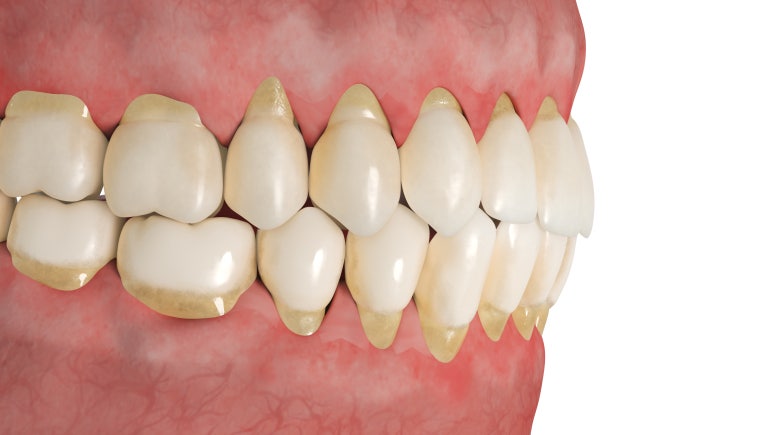 Why is periodontitis increasing among younger people?
In the past, periodontitis was widely viewed as a 대표적인 chronic disease that appears with aging. However, recent studies show that environmental factors and changes in daily patterns have a major impact on gum health.
In particular, with the rise in smartphone use, the number of people who breathe through their mouths has also increased significantly, and modern eating habits have shifted more and more toward processed foods, sweets, and snacks. These foods stick to the tooth surface and easily create plaque, which becomes the starting point of gum inflammation.
In addition, younger people tend to face higher levels of stress from work, school, and relationships, which weakens immune function and creates an environment where gum inflammation develops more easily. In other words, the era when being young meant having less gum disease is now over.
 Stress and lack of sleep - the real reasons gums get damaged
Stress and sleep quality directly affect gum health. Many people think of the stomach or
skin when they are stressed, but the mouth is also a very stress-sensitive area.
When you are stressed, the sympathetic nervous system becomes activated and saliva production decreases. Saliva plays an important role in washing away bacteria in the mouth and neutralizing acidity. When saliva is insufficient, bacteria multiply quickly, making it easier for inflammation to form around the gums.
Also, if you consistently sleep fewer than 6 hours, your immune system weakens and the healing ability of periodontal tissue declines, so symptoms such as swollen and bleeding gums may recur even with minor irritation.
Sometimes, patients in their 20s say, “My bad breath has suddenly gotten much worse lately,” and in most cases, the cause is a chain reaction of reduced saliva due to stress and lack of sleep → increased bacteria → gingivitis.
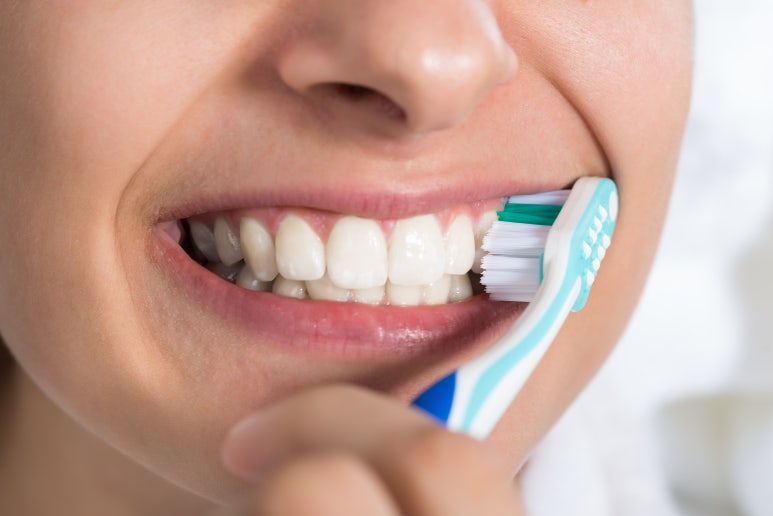 Brushing your teeth is not enough - poor toothbrushing habits
When asked about their toothbrushing habits, most younger patients say, “I brush my teeth 2 to 3 times a day.” However, when checked in practice,
– brushing for too short a time
– barely cleaning the gum line
– scrubbing too hard and damaging the gums
are very common.
Especially on busy mornings and tired nights, people often brush only “routinely,” and the plaque remains incompletely removed by the end of the day.
The problem is that plaque begins to turn into the early stage of tartar after just 24 hours. Even one day of careless brushing can create the seed for tartar. Since tartar hardens and cannot be removed by brushing alone, it eventually leads to tartar → inflammation → bleeding gums → periodontitis.
For people undergoing elastic or clear aligner orthodontic treatment, the appliances make cleaning more difficult, and poor brushing habits can make periodontitis worsen even faster.
 Processed foods and sugary snacks — the main culprits behind gum inflammation
Another issue among younger people is how often they snack. Sweet drinks, energy drinks, coffee, desserts, late-night snacks, and similar foods lower the acidity in the mouth and create an environment where bacteria can thrive.
In particular, foods high in sugar or sticky foods (snacks, jelly, bread products) cling to the tooth surface and remain there for a long time, and if brushing is delayed, the speed of plaque formation and inflammation progression increases.
“I don’t really eat meals, I just drink coffee 2 to 3 times a day.”
“I was a little hungry, so I ate some jelly.”
These habits increase the risk of periodontitis much more than you might think. This is because the acidic components in coffee weaken the tooth surface, and sugar leads to an increase in bacteria around the gums.
In the end, a diet with frequent sugar intake is like a bomb that quietly, but steadily, worsens periodontitis.
 Mouth breathing - breathing through your mouth can damage your gums faster
The habit of breathing through the mouth is very common among younger people these days. There are many causes.
– Rhinitis
– Sinusitis
– Problems with the palate or jaw structure
– A forward-leaning posture when using a smartphone
These factors create an environment in which the mouth is more likely to stay open.
When you breathe through your mouth, the air dries out the moisture in the oral cavity, leaving the gums dry and more prone to cracking. In this process, bacteria multiply quickly, the gums swell easily, and early symptoms of periodontitis appear.
Especially for people whose mouths stay open while sleeping, saliva decreases throughout the night, bacterial activity rises to its peak, and they are more likely to wake up with gum pain, bad breath, and a sticky feeling.
Many patients in the early stages of periodontitis do not realize they are mouth breathers, so cases are often discovered during dental diagnosis.
 E-cigarettes and smoking — they can be even more dangerous for your gums
Smoking and periodontitis are among the most strongly linked factors. In particular, e-cigarettes are used by many people in their 20s and 30s because they are perceived as “less harmful,” but in reality, they can be even more damaging to the gums and gum bone.
Nicotine reduces blood flow to the gums, weakening periodontal tissue, and the signals of inflammation appear later, allowing the disease to progress “silently.”
What is even more frightening is,
❗ Smokers may not feel pain until late even if they have periodontitis, which means diagnosis is often significantly delayed.
In other words, it is often not that there is no problem, but that the condition is more dangerous because it is not being felt. E-cigarettes also rapidly weaken gum health through dryness caused by heat, nicotine effects, and changes in oral microbes.
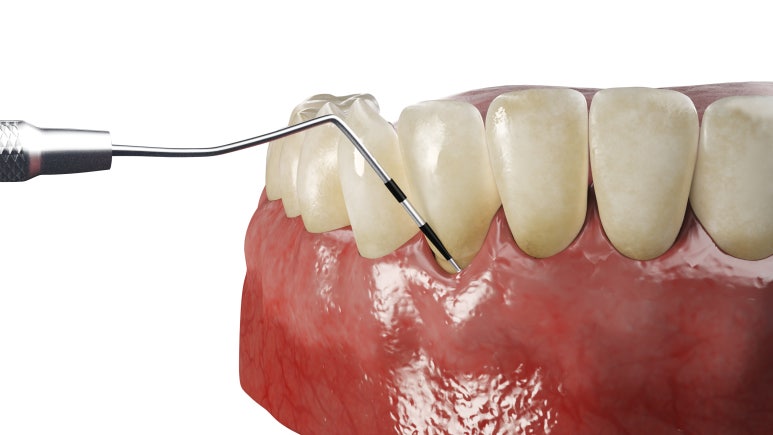 Why periodontitis keeps spreading — once lost, gum bone almost never comes back
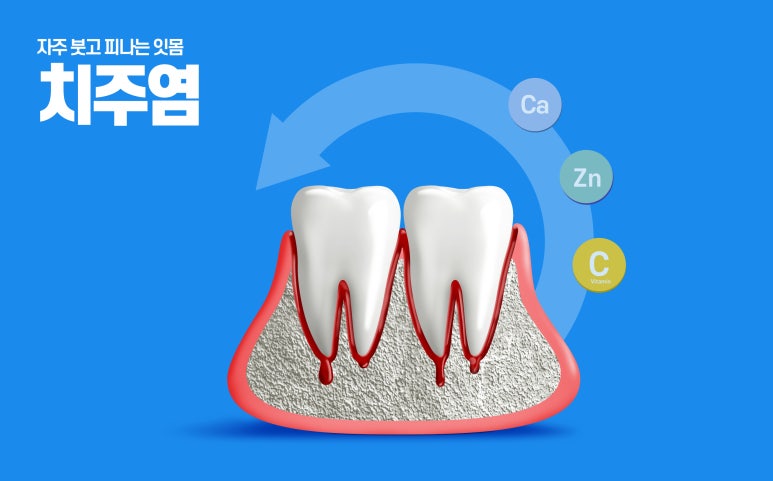
The reason periodontitis is frightening is that it is not simply a matter of swollen gums, but a disease in which the gum bone that supports the teeth slowly melts away.
The problem is that gum bone is not a structure that refills like skin does. In other words, once it is damaged, it is difficult to reverse, which is why this is a disease that must be managed early.
If periodontitis begins at a young age, the oral condition 10 or 20 years later will be very different.
So that small swelling or bleeding when brushing should not be dismissed with, “It’s fine for now.” It may actually be the first sign of periodontitis.
 How should periodontitis that starts at a young age be managed?
✔ 1) Scaling and inflammation treatment are better the earlier they are done
Plaque and tartar are the starting points of periodontitis. In particular, for people who are undergoing orthodontic treatment or whose gums swell easily, regular scaling alone can greatly reduce inflammation.
✔ 2) Improve mouth breathing
Treating rhinitis, correcting sleep habits, and improving jaw posture can all play a major role in helping the gums recover by preventing mouth breathing.
✔ 3) Manage stress and stabilize sleep patterns
Small changes such as sleeping more than 7 hours and reducing smartphone use before bed can greatly help reduce gum inflammation.
✔ 4) Reduce the frequency of sugary drinks and coffee
Coffee should be limited to 1 to 2 cups per day, and sugary snacks should be eaten only when brushing afterward is possible.
✔ 5) Maintain the correct toothbrushing routine
In particular, brushing along the gum line at a 45-degree angle for at least 2 minutes, along with interdental brushes and floss, is essential.
 Please protect your healthy gums with Nungdong Dental Clinic
and S Leader Dental Hospital
Please protect your healthy gums with Nungdong Dental Clinic
and S Leader Dental Hospital
Periodontitis is ultimately a disease created by “lifestyle habits,” not age.
Being young does not automatically mean your gums are healthy, and in fact modern eating habits, sleep patterns, and stress conditions can make gums weaker more easily.
Fortunately, it can still be prevented through small lifestyle changes and regular care. Even if you only pay attention to small signs such as bleeding while brushing or frequent gum swelling, you can prevent the condition from worsening significantly later.
At Nungdong Dental Clinic and S Leader Dental Hospital, we carefully check and manage everything from these early gum changes to periodontal treatment.
Because gums are not easy to recover once they become weakened, recognizing the problem now and managing it now is the most important thing.
Please protect your healthy gums in advance through regular dental checkups along with reviewing your everyday habits.


Nungdong Dental Clinic :: S Leader Dental Hospital