Hello, this is S Leader Dental Hospital, Guwi Station Dental Clinic.
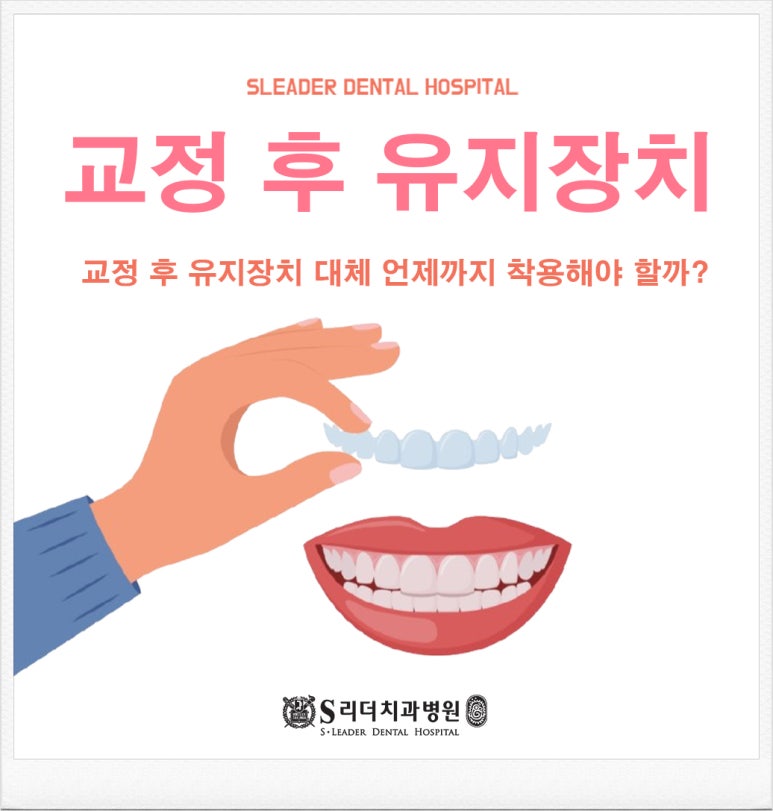
When orthodontic treatment is finished, most patients feel satisfied when they see their neatly aligned teeth. But in fact, the moment the braces are removed is the real beginning. Teeth have a natural tendency to return to their original position, and what prevents that is the retainer.
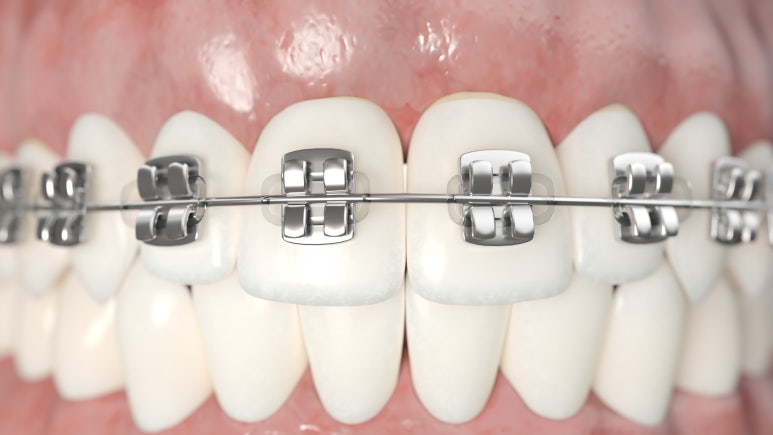
Many patients think, “Now that orthodontic treatment is over, I can relax and stop caring for it, right?” However, if early care is not handled properly, it is common for teeth to begin shifting little by little within just a few weeks. A retainer is not simply a device that holds the teeth in place; it also plays an important role in helping the tissues and muscles around the teeth settle into their new positions and in stabilizing the orthodontic result over the long term.
Retainers are broadly divided into two types.
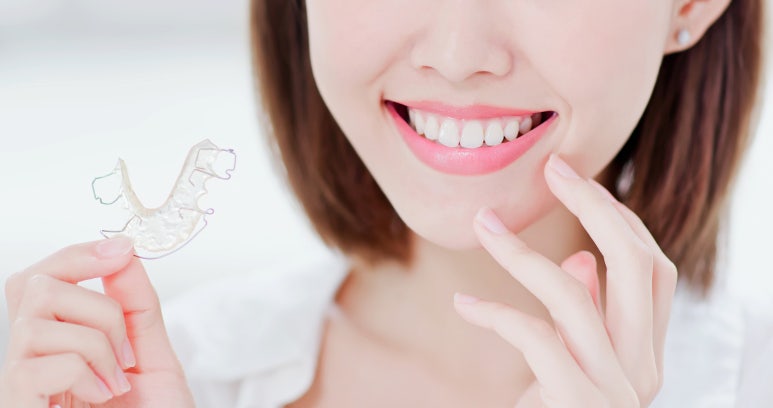
Removable retainers are plastic appliances that can be freely taken out and put back in, and they are worn for several hours a day. In the beginning, they should be worn almost all day, and especially right after orthodontic treatment, when the teeth are not yet stable, neglecting wear time can speed up relapse.
On the other hand, fixed retainers are attached to the back of the teeth, so you do not need to worry about wear time. However, because they remain attached for a long time, cleanliness and regular checkups are essential. If the retainer becomes loose or comes off, the teeth may move, so even with a fixed retainer, it is safer to have it checked at the dental clinic at least every 6 months to 1 year.
 Why is full-day wear important at first?
Right after orthodontic treatment, retainers should, in principle, be worn all day. Generally, for the first 3 to 6 months, it is best to wear the appliance day and night. If you remove it during this period, the force that tries to return the teeth to their original position will act on them, and relapse can happen more quickly.
In particular, the front teeth are the area where relapse appears the fastest. In fact, there are many cases where patients who neglected early wear found that their teeth had slightly shifted within just a few weeks. Also, during the initial adjustment period, removing the retainer affects not only the teeth but also the process by which the gums and surrounding muscles settle into their new positions, which is why early wear is very important.
After the initial adjustment period ends, you gradually move into a stage where wear time is reduced. A removable retainer that was initially worn all day is adjusted so that it is removed during the day and worn only at night. The important point here is that wear time should be adjusted according to various factors such as the stability of each tooth, the condition before orthodontic treatment, age, and gum health.
Because the speed at which teeth stabilize differs from person to person, step-by-step adjustment that matches your own condition is necessary. If you reduce the time too quickly, the teeth may move again.
 Fixed retainers: management is the key.
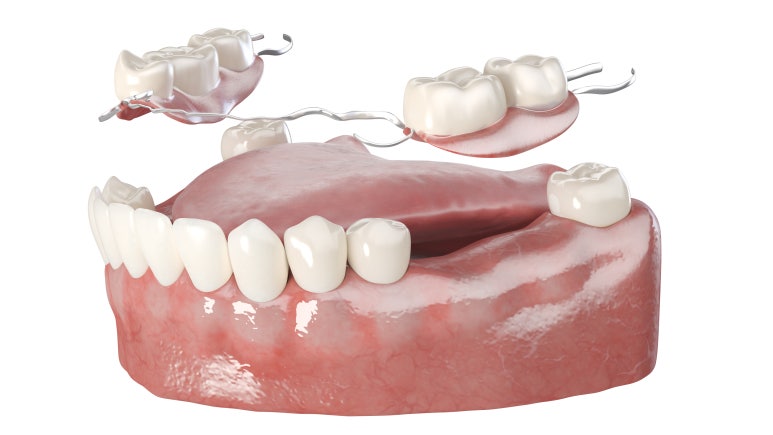
Unlike removable retainers, fixed retainers require thorough brushing and the use of interdental brushes to prevent food from getting trapped on the back side of the teeth where the device is attached. Because the appliance stays in place for a long time, gum health and the condition of the retainer need to be checked regularly. If the retainer becomes loose or comes off, the teeth can move, so regular checkups are essential.
Many patients think, “It’s fixed, so I don’t need to manage it, right?” But if care is neglected, gum inflammation or tartar buildup can increase the risk of relapse.
In addition, food trapped between the appliance and the teeth can cause cavities or negatively affect gum health. Therefore, even with a fixed retainer, regular dental checkups and proper hygiene are essential. At S Leader Dental Hospital, patients using fixed retainers are given detailed guidance on brushing, how to use interdental brushes, and how to check the condition of the appliance, helping them maintain it more safely.
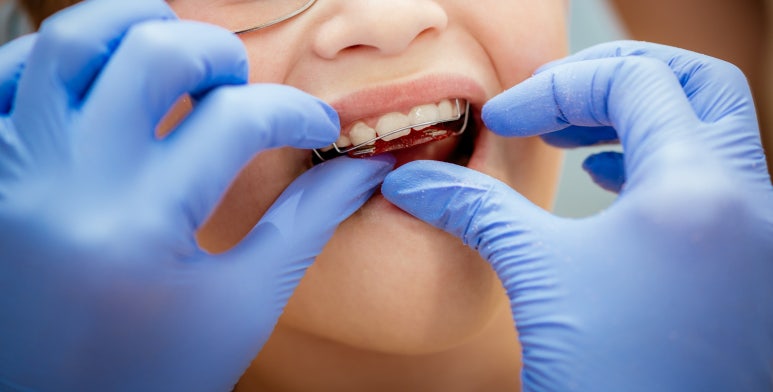 How long should you wear a retainer?
Many patients ask, “How long do I need to wear a retainer?” To give the conclusion first: the exact duration differs from person to person. As a general guideline, intensive wear is recommended for 1 to 2 years right after orthodontic treatment, followed by 2 to 3 years of gradually reducing wear time. Even after that, especially for the front teeth, it is a good idea to wear the retainer briefly when needed.
For adults or patients whose teeth were irregular before orthodontic treatment, there are cases where the retainer is used intermittently for several years until the teeth become fully stable. Relapse does not simply mean the tooth alignment becoming crooked again; it can also affect the bite and gum health. If the front teeth rotate again, the biting force becomes unbalanced, food can get trapped more easily, and gum inflammation may develop. Therefore, it is important to strictly follow the initial wear period and the step-by-step care plan. In our experience, patients who manage their retainers well can maintain stable alignment for more than 5 to 10 years after orthodontic treatment.
Also, looking at actual patient cases, when the appliance is worn regularly for the first 6 months, the rate of stable maintenance without relapse is much higher. On the other hand, patients who neglect wear often experience shifting tooth alignment within a few weeks to a few months. Therefore, wearing a retainer is not simply about “holding the teeth in place,” but is the most important step in preserving orthodontic results over the long term.
[Summary: The retainer is the finishing stage of orthodontic treatment.]
A retainer is not just a device that “holds the teeth in place”; it is the finishing stage of orthodontic treatment. It helps the tissues and muscles around the teeth settle into their new positions and is an important process for stabilizing the orthodontic result over the long term.
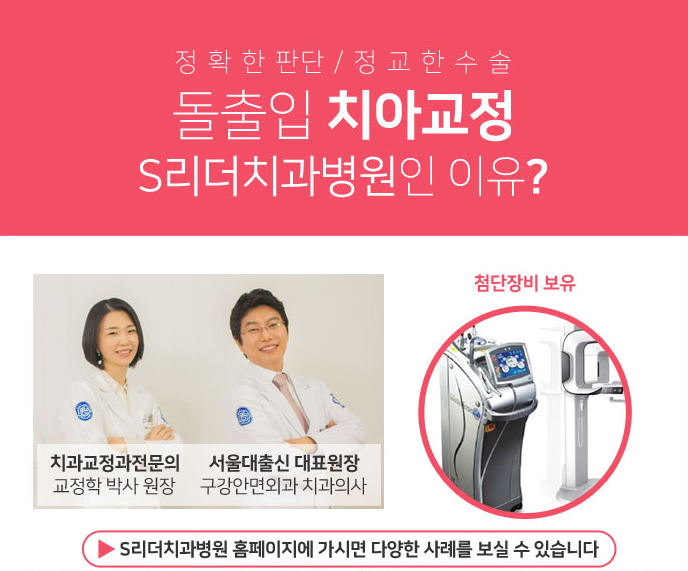 Systematic orthodontic care with S Leader Dental Hospital, Guwi Station Dental Clinic
At S Leader Dental Hospital, Guwi Station Dental Clinic, we provide a customized retainer wear plan for each patient after orthodontic treatment ends. We systematically guide patients through intensive early wear, step-by-step adjustment of wear time, fixed retainer management, and regular checkups, helping minimize relapse and maintain the best orthodontic results for a long time.
A few minutes of care and regular checkups each day become the key to maintaining a satisfying smile for years, even decades, to come. Please remember that one small habit is the surest way to protect the effort and time you invested in orthodontic treatment.

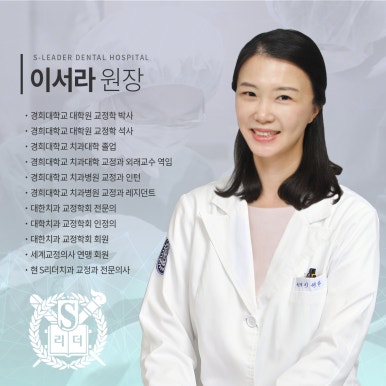

Guwi Station Dental Clinic :: S (S) Leader Dental Hospital