�
�
Hello, this is S Leader Dental Hospital with a Seoul dental clinic recommendation.
�
�
Among patients who come for orthodontic consultations, many ask this question.
�
“My temporomandibular joint isn’t in good condition... is it okay to get orthodontic treatment?”
Or
“Won’t orthodontics make my jaw hurt more?”
�
Temporomandibular disorders (TMD) are typically characterized by symptoms such as clicking sounds from the jaw, difficulty opening the mouth, or pain when chewing. The problem is that people with these symptoms always feel anxious when considering orthodontics. It is true that orthodontics can affect the temporomandibular joint, but it is absolutely not true that “orthodontics always makes the jaw worse.” In fact, there are quite a few cases where orthodontics helps people with weak temporomandibular joints.
�
Today, I’ll explain in detail whether orthodontic treatment is possible for people with weak temporomandibular joints, what to watch out for during treatment, and how to prevent problems.
�
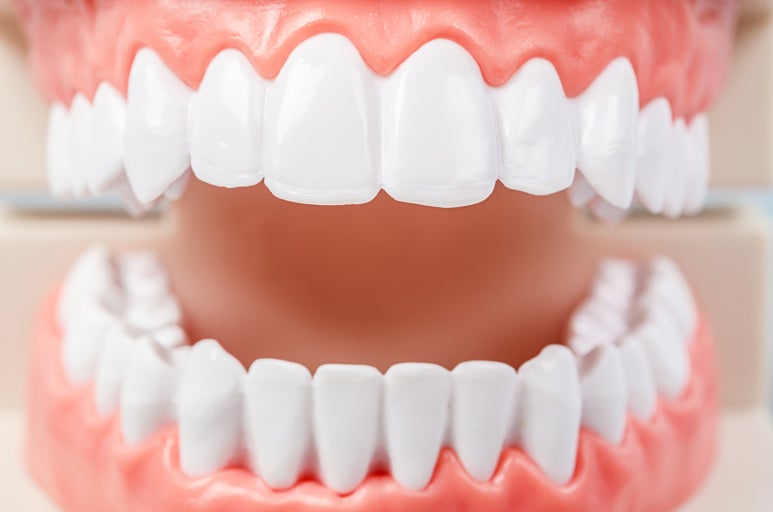 What does it actually mean to have a weak temporomandibular joint?
People often vaguely say, “My temporomandibular joint is weak,” but there are many different underlying causes.
What does it actually mean to have a weak temporomandibular joint?
People often vaguely say, “My temporomandibular joint is weak,” but there are many different underlying causes.
�
- Clicking or popping sounds when opening the mouth
- The jaw feels heavy and stiff when waking up in the morning
- The jaw gets tired easily after chewing for a long time
- Limited mouth opening
- A habit of chewing only on one side
- Teeth grinding or clenching during sleep
�
If you have these symptoms, your temporomandibular joint may be sensitive or easily strained.
�
But the important fact is that having a weak temporomandibular joint rarely means orthodontic treatment is impossible. The problem arises when treatment begins without identifying the cause of the weak temporomandibular joint. If a treatment plan is not established with the cause and the characteristics of the bite in mind, pain may worsen during orthodontic treatment or jaw discomfort may continue.
�
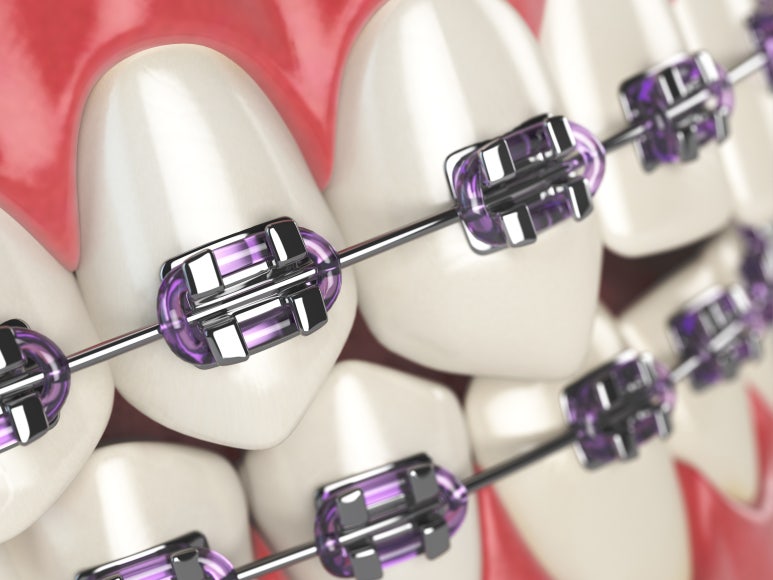
[What is the relationship between the temporomandibular joint and orthodontics?]
This is where many people are mistaken.
The formula “orthodontics = worsening of the temporomandibular joint” is not true.
�
The temporomandibular joint and teeth move in connection with each other.
Orthodontics is the process of adjusting tooth position to stabilize the bite, and the temporomandibular joint is affected by this movement.
�
▶ Cases where orthodontics can help people with weak temporomandibular joints
- When an old malocclusion causes force to be concentrated on one side of the jaw
- When the jaw position is abnormally shifted by the teeth
- When dental arch imbalance leads to asymmetrical jaw movement and then strain on the joint
- When a clenching habit becomes worse because of tooth contact
�
In these cases, as orthodontics normalizes tooth position, jaw movement becomes more stable, overloading decreases, and symptoms often improve.
�
▶ Cases to be careful with
- When there is already severe joint disc displacement
- When opening the mouth causes significant pain and mouth opening is limited
- When the jaw frequently dislocates
- When MRI shows disc damage
�
In these cases, joint stabilization treatment should be combined before starting orthodontics, or the treatment plan should be adjusted.
�
The conclusion is clear.
Because the teeth and temporomandibular joint are connected to each other, whether orthodontics should be done or not varies completely depending on the individual condition.
�
 Can people with weak temporomandibular joints still get orthodontic treatment?
The answer is yes. However, the plan must be more precise.
Can people with weak temporomandibular joints still get orthodontic treatment?
The answer is yes. However, the plan must be more precise.
�
People with weak temporomandibular joints need not a general orthodontic plan, but a “temporomandibular-joint-customized orthodontic plan.”
✔ 1) Check the temporomandibular joint condition first
- Jaw joint sounds
- Level of pain
- Mouth opening range
- Clenching habit
- Balance of bilateral occlusion
- 3D CT, and MRI if necessary
If the temporomandibular joint condition is not accurately identified, the likelihood of worsening pain during orthodontic treatment or recurrence of malocclusion may increase.
�
✔ 2) Avoid forcing tooth movement
For people with sensitive temporomandibular joints, orthodontic force must be applied very slowly, gently, and step by step.
�
✔ 3) Design the bite with the jaw position in mind
For people with weak temporomandibular joints, a stable bite is more important than an ideal bite. In other words, a design that naturally guides the jaw into a comfortable position is needed.
�
✔ 4) Analyze lifestyle habits
Temporomandibular joint problems are not only about the bite.
If you have habits like the following, discomfort can easily recur during orthodontic treatment.
- Teeth grinding
- Clenching
- Chewing only on one side
- Resting the jaw on your hand
- Using a smartphone for long periods with your head bent forward
Correcting these habits is just as important as orthodontic treatment.
�
 Why does temporomandibular joint pain sometimes get worse during orthodontic treatment?
This is the situation people with weak temporomandibular joints fear the most.
Why does temporomandibular joint pain sometimes get worse during orthodontic treatment?
This is the situation people with weak temporomandibular joints fear the most.
�
But in most cases, it is due to one of the following causes.
✔ When orthodontic force is suddenly too strong
Excessive force places strain on the temporomandibular joint.
�
✔ When the bite temporarily becomes unstable as the teeth move
During orthodontic treatment, the bite may feel awkward for a while as the teeth are rearranged.
�
✔ When orthodontics begins while existing temporomandibular joint problems are left untreated
If treatment proceeds without addressing the cause, symptoms may become more sensitive.
�
✔ Increased stress and poorer sleep quality
Stress → increased clenching → worsening jaw pain
This pattern is very common.
�
Even if these situations occur, most of the time they improve if the orthodontic force is adjusted or auxiliary devices are used.
�
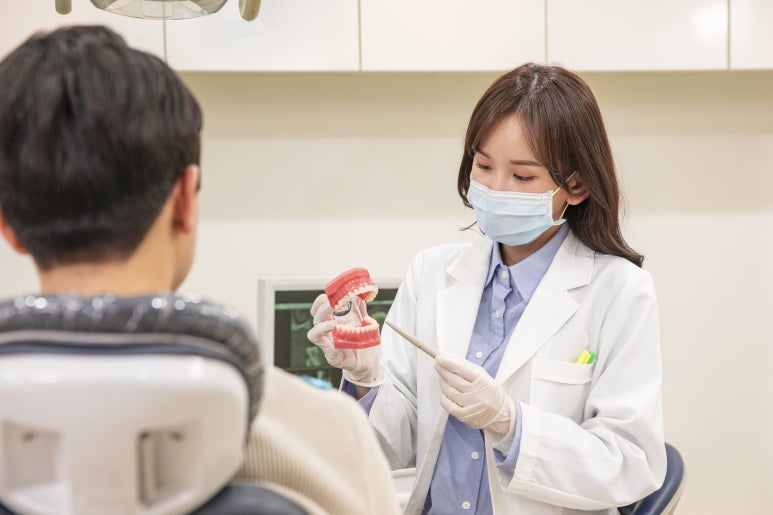 How should orthodontic treatment be carried out safely for people with weak temporomandibular joints?
When the temporomandibular joint is sensitive, it is safest to go through the process below rather than a typical orthodontic process.
How should orthodontic treatment be carried out safely for people with weak temporomandibular joints?
When the temporomandibular joint is sensitive, it is safest to go through the process below rather than a typical orthodontic process.
�
① Precision diagnosis is key
Check the temporomandibular joint condition → CT → occlusal analysis → lifestyle habit check
A plan should be made by combining these four factors.
�
② The order of joint stabilization before orthodontics is important
If jaw pain is severe,
there are many cases where the joint is stabilized first through splint (occlusal stabilization appliance) treatment
rather than starting orthodontics right away.
�
③ Force control and gradual movement
Small steps, slowly, and safely
These are the core principles of orthodontics for patients with weak temporomandibular joints.
�
④ Monitoring the temporomandibular joint during treatment is essential
At every visit,
- Changes in jaw sounds
- Changes in mouth opening range
- Degree of pain
- Changes in chewing position
These four items should be checked.
�
⑤ Use a collaborative care system when necessary
For temporomandibular joint problems, it is best when orthodontic dentistry, oral medicine, and prosthodontics work together.
S Leader Dental Hospital also increases safety in such cases through collaborative care.
�

[At S Leader Dental Hospital, a Seoul dental clinic recommendation, this is how it is handled.]
The more sensitive the patient’s temporomandibular joint is, the more precise the orthodontic plan must be.
�
At S Leader Dental Hospital,
✔ Temporomandibular joint function analysis
✔ Skeletal-occlusal diagnosis based on 3D CT
✔ Lifestyle habit evaluation
✔ Fine adjustment of orthodontic force
✔ Splint treatment when necessary
✔ Regular occlusal checks
�
All of these steps are carried out systematically to minimize stress on the temporomandibular joint.
�
Orthodontics is not simply treatment that makes teeth look neat and aligned. To produce lasting results, the jaw, muscles, bite, and lifestyle habits must all be viewed as one system.
�
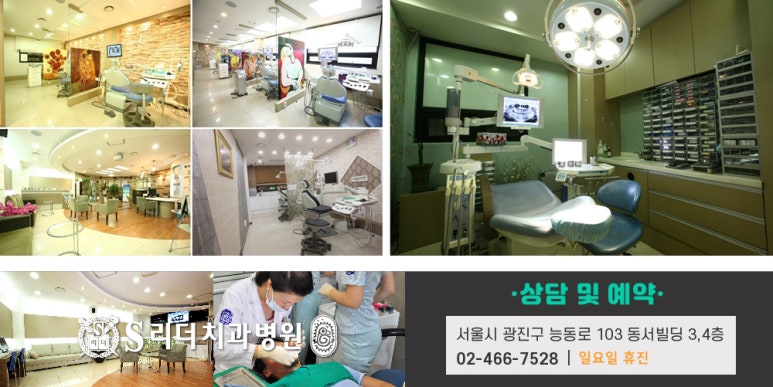 Orthodontics that reduces joint strain,
Start at S Leader Dental Hospital, a Seoul dental clinic recommendation.
For many patients, orthodontics can even become a treatment that reduces the burden on the temporomandibular joint.
Orthodontics that reduces joint strain,
Start at S Leader Dental Hospital, a Seoul dental clinic recommendation.
For many patients, orthodontics can even become a treatment that reduces the burden on the temporomandibular joint.
�
What matters is accurately understanding your condition and making a plan that fits it.
�
People with weak temporomandibular joints need more delicate orthodontic treatment, and accurate diagnosis and continuous monitoring are the key to treatment.
�
If you have been hesitating to get orthodontic treatment because of your temporomandibular joint, please do not feel burdened and get a professional consultation.
�
At S Leader Dental Hospital, a Seoul dental clinic recommendation, we comprehensively assess the condition of your joint and the function of your teeth to propose a stable and safe orthodontic plan.
�
 Seoul dental clinic recommendation :: S Leader Dental Hospital