Hello, this is Seoul Dental Hospital and S Leader Dental Hospital.
There are times when teeth that were neatly aligned suddenly start to spread out again or feel out of place.
The part that worries patients the most after completing orthodontic treatment is relapse. It is only natural to feel upset if the aligned teeth, gained by investing a lot of time and money and enduring pain, begin to separate again as time passes.
In fact, relapse after orthodontic treatment happens more often than many people think. This is not simply because the treatment was done incorrectly; rather, it is largely due to the biological tendency of the teeth, gums, and jawbone to return to their original state.
Today, based on the clinical know-how of Seoul Dental Hospital and S Leader Dental Hospital, we will explain in detail the five main causes of repeated tooth spacing and misalignment after orthodontic treatment, and also look at ways to manage them to minimize relapse.
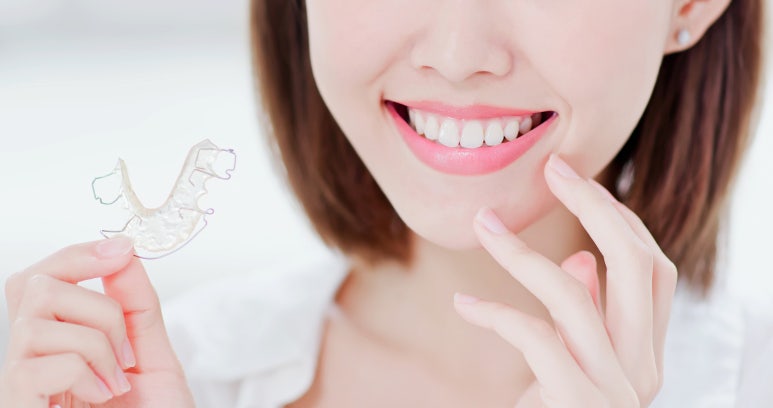
- Insufficient retainer wear – the most common cause of relapse
Just because orthodontic treatment is finished does not mean the teeth are completely fixed in place.
Teeth are somewhat unstable as they adapt to their newly moved positions, and it can take several months to more than a year for the roots and gum bone to stabilize.
During this period, wearing a retainer is more important than anything else. A retainer is not just an option; it is an essential step that stably holds the teeth in their new positions.
The tissues around the teeth retain a memory effect that pulls them back toward their original position, so if the retainer is not worn properly, the teeth may spread again or gaps may form.
Black triangles between the front teeth may appear, or teeth that were previously overlapped may begin to overlap again, with subtle but steady movement.
At Seoul Dental Hospital and S Leader Dental Hospital, to prevent this, we provide a plan of intensive wear for the first 3 months → gradual adjustment of wear time → nighttime wear for 1 to 2 years, and we increase stability through customized retainer design that considers each patient's lifestyle and oral condition.
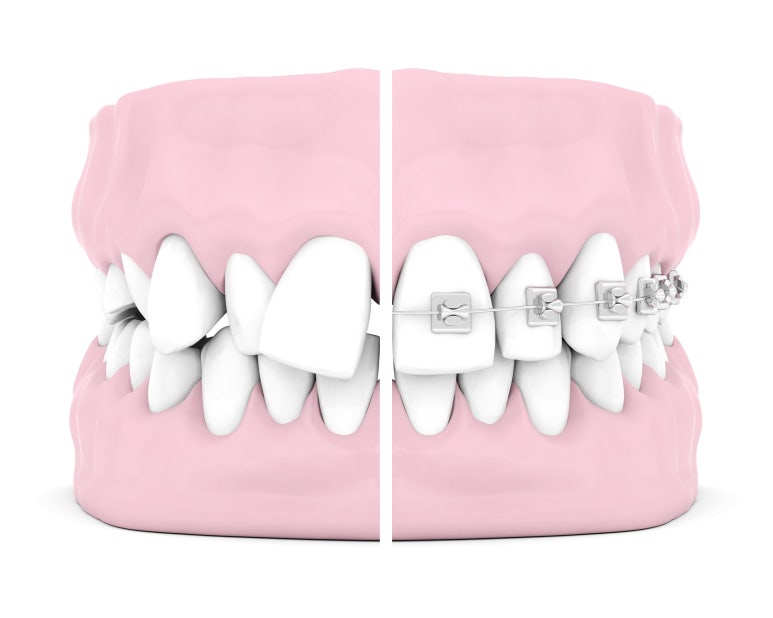
- Failure to resolve bite problems - the force that makes teeth move again must be blocked
Teeth cannot achieve long-term stability simply by being arranged neatly.
If the teeth do not fit together properly after orthodontic treatment, or if excessive force is placed on a specific tooth, the teeth try to return to the direction they were originally tilted.
This type of bite instability is one of the important causes of relapse after orthodontic treatment.
Bite problems can cause the following changes:
-
A specific tooth is pushed out, creating gaps or rotation
-
Uneven force distribution in the molars causes the front teeth to separate
-
The jaw joint compensates for the bite imbalance, causing the alignment of the teeth to shift slightly
At Seoul Dental Hospital and S Leader Dental Hospital, we carefully apply a three-stage structure of alignment–bite–stability throughout the orthodontic process, ensuring not only tooth alignment but also bite stability.
This creates a difference that goes beyond simply making the teeth look straight, and it is a key step that greatly lowers the chance of relapse.
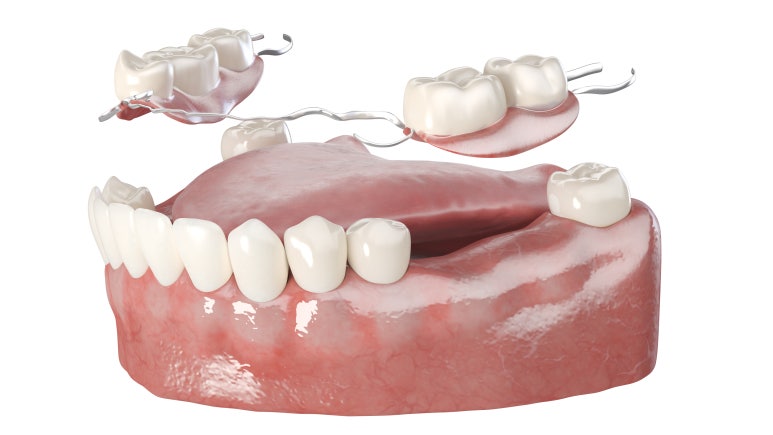
- Weakened gum (periodontal) health - the most common underlying cause that invites relapse
If the gums are not in good condition before and after orthodontic treatment, it is difficult for the teeth to remain stable in the correct position.
In cases of moderate or more severe periodontitis, or when the gum bone is weak, aligned teeth may gradually spread out or tilt again over time, leading to collapse of the alignment.
Typical relapse patterns include the following:
-
The spaces between the front teeth widen
-
Teeth are pushed forward, creating a rabbit-teeth appearance
-
Gum recession worsens black triangles
-
Teeth cannot stay in place even under small amounts of pressure
At Seoul Dental Hospital and S Leader Dental Hospital, we carefully assess periodontal condition before orthodontic treatment and, if necessary, perform scaling and periodontal treatment first before proceeding with orthodontics.
This allows the teeth to move in a sufficiently stable state with the gum bone, minimizing the risk of relapse.
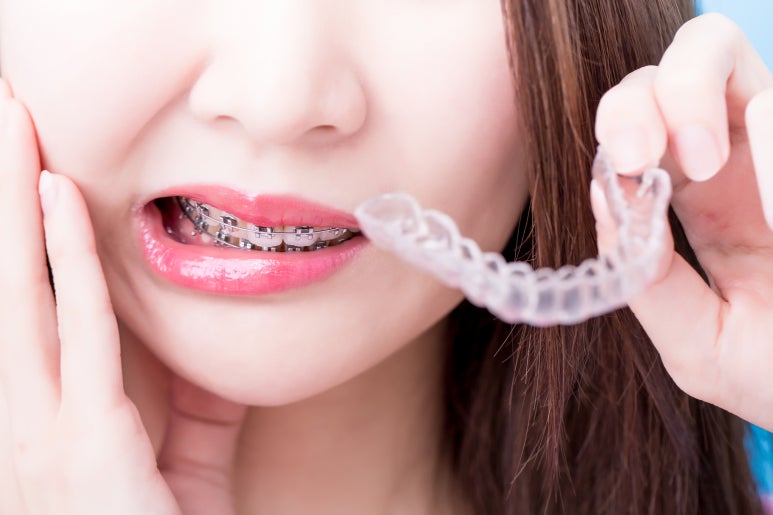
- Tongue, lip, and cheek habits - unconscious actions can disturb tooth alignment again
One hidden cause of relapse after orthodontic treatment is oral muscle habits.
Pressing the back of the front teeth with the tongue without noticing, pushing the tongue forward when swallowing, lip biting, chewing only on one side, clenching the jaw under stress, and mouth breathing while sleeping with the mouth open all place constant pressure on the teeth, even though the force is small.
In particular, during the first 6 months after orthodontic treatment, the teeth are still not firmly fixed, so these habits can easily trigger relapse, such as the front teeth opening up again or leaning forward.
At Seoul Dental Hospital and S Leader Dental Hospital, we provide MFT (oral myofunctional therapy) to patients who need it, helping correct habits and prevent the possibility of relapse.
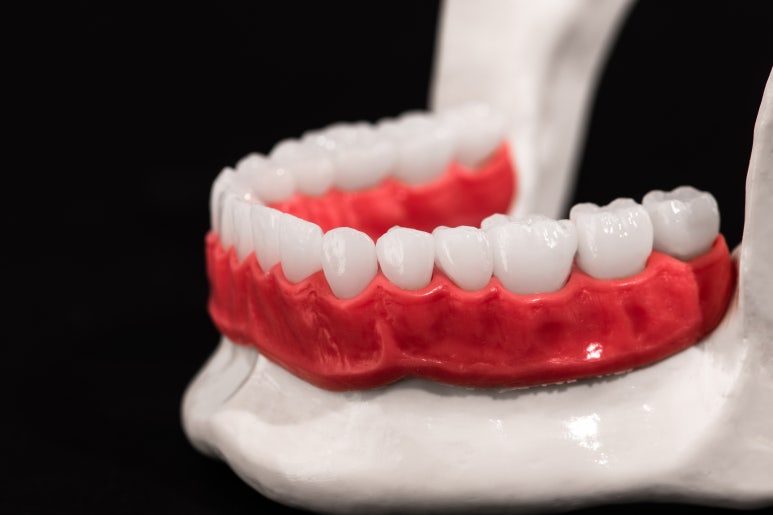
- Natural aging and changes in the jawbone - long-term stability managed by S Leader Dental Hospital
Relapse after orthodontic treatment is not simply a matter of treatment error; it is a physiological change that can occur in anyone.
As we age, the density and height of the gum bone decrease, the tissues around the teeth become looser, and slight movement occurs. Crowding, where the front teeth tilt inward or overlap, may appear, and lifestyle habits such as teeth grinding and clenching during sleep also affect tooth movement.
At S Leader Dental Hospital, we provide a long-term stability plan that takes these natural changes into account.
By comprehensively managing retainer wear, bite stability, gum health, and lifestyle habits, we help maintain a stable alignment of the teeth for years, even decades, after orthodontic treatment.
In other words, relapse is not something that cannot be prevented; it is a phenomenon that can be sufficiently prevented through systematic management and customized strategies.
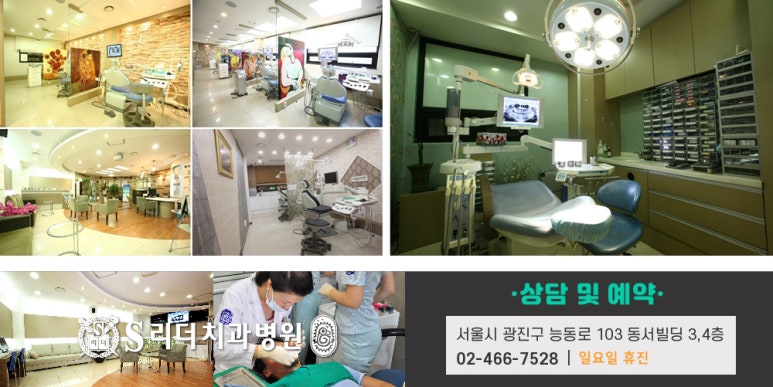
Long-term stability management promised by S Leader Dental Hospital
Relapse after orthodontic treatment is a natural phenomenon that can happen to anyone, but it can be sufficiently prevented through thorough management and customized strategies.
Seoul Dental Hospital and S Leader Dental Hospital do not stop at simply aligning the teeth neatly; they make customized long-term management that allows the teeth to remain stable for a long time their top priority.
To that end, S Leader Dental Hospital thoroughly applies the following three principles.
Customized retainer plan
From intensive early wear to gradual adjustment and long-term nighttime wear, we design a customized retainer plan tailored to the patient's dental condition and lifestyle pattern. This helps the teeth fully adapt to their new position.
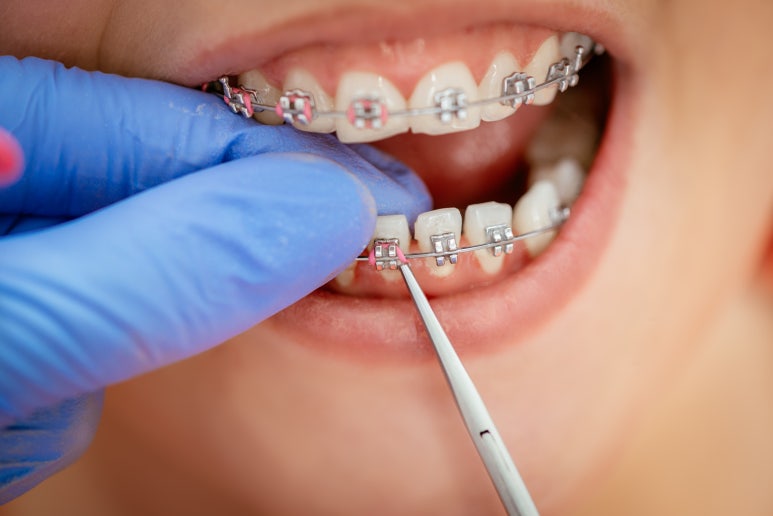
Bite stability-first treatment
It is not enough for the teeth to simply look straight. At S Leader Dental Hospital, we prioritize bite stability and minimize the risk of relapse by carefully analyzing and treating the jaw joint and force distribution.
Comprehensive management of periodontal condition, habits, and lifestyle patterns
For teeth to remain stable, gum health, oral habits, and lifestyle patterns must all be managed comprehensively. At S Leader Dental Hospital, we combine MFT (oral myofunctional therapy), gum treatment, and night guard use when necessary to secure long-term orthodontic stability.
Through these management steps, Seoul Dental Hospital and S Leader Dental Hospital support the long-term health and stability of teeth after orthodontic treatment and provide a customized orthodontic experience that both patients and parents can trust.
Rather than fearing relapse after orthodontic treatment, we hope you can trust that with proper management and planning, your teeth can stay healthy for a lifetime,
and S Leader Dental Hospital will be with you until the end so that you can entrust your treatment with confidence.

 Seoul Dental Hospital :: S (S) Leader Dental Hospital