Hello, this is Seoul Implant Dental Clinic, and greetings from S Leader Dental Hospital.
As we get older, we come to realize that “chewing power” and the ability to enjoy food determine quality of life. In consultations with patients over 65, we often hear concerns such as, “I can’t enjoy meals anymore because I can’t chew hard foods,” “My dentures keep moving, so eating out feels burdensome,” and “I feel like my physical strength is dropping because I’m eating less nutritious food.”
In the past, there was a tendency to accept these inconveniences as a “natural change that comes with age,” but as medical technology has advanced, implant treatment for older adults has become an increasingly important option.
Today, at Seoul Implant Dental Clinic, S Leader Dental Hospital, we will explain in one place why implants are an important treatment for improving quality of life in patients over 65, along with the treatment process, benefits, and precautions.
Why implants are needed in old age
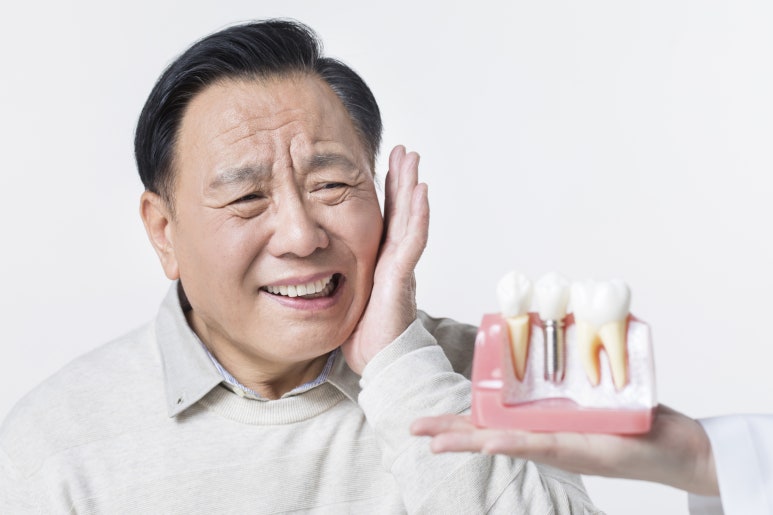
In later life, tooth loss does not simply end with losing one tooth. When a tooth is lost, the surrounding gums and jawbone gradually become resorbed and weakened, the alignment of other teeth can shift, and chewing power continues to decline.
Especially after age 65, the rate of alveolar bone resorption tends to accelerate. If treatment is delayed for a long time, there may not be enough bone left for implants, and additional bone grafting may be required.
The longer a person has worn dentures, the thinner the gum bone becomes, so chewing power naturally declines, food can get caught more easily, and pain may occur with prolonged use.
Considering these physical changes, implants are the most reliable and stable way to restore chewing function in older adults. They allow you to chew hard foods comfortably, expand your food choices, improve nutrition intake, and positively affect overall physical stamina.
[The biggest change implants bring]
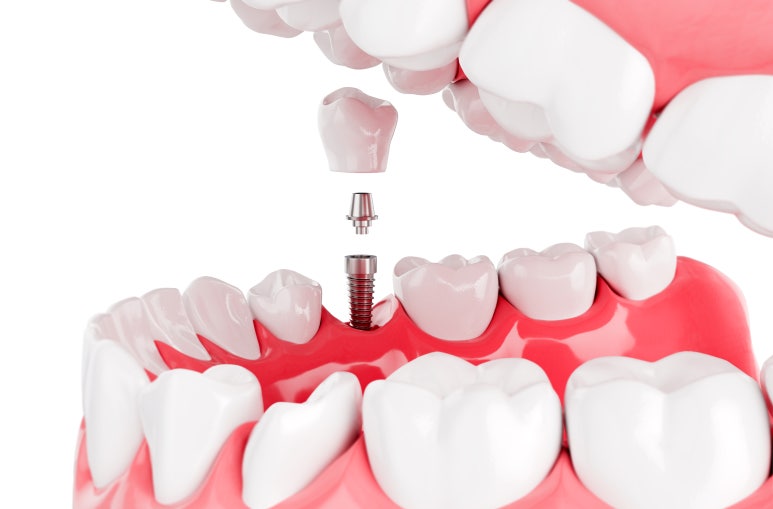
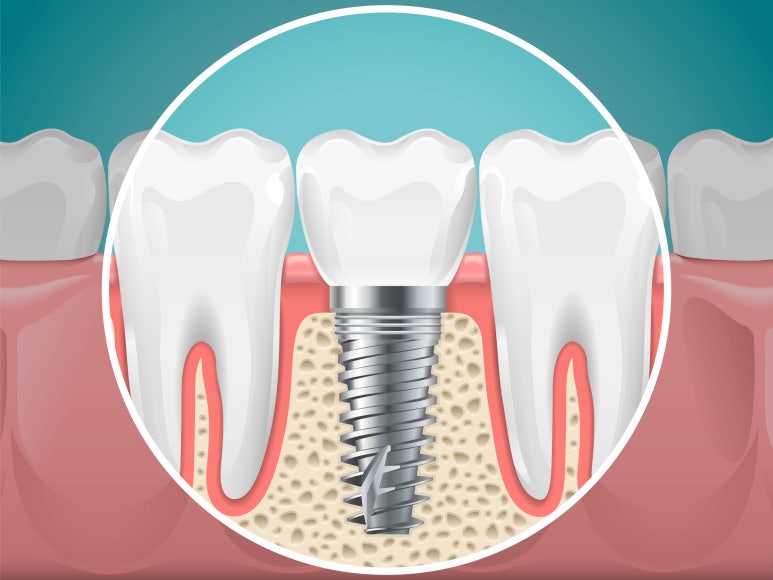
The greatest advantage of implants is that they function very similarly to natural teeth. This is especially important in old age.
Because dentures are placed on top of the gums, they tend to shift easily, and the types of food you can eat are limited.
In contrast, implants are firmly fixed to the jawbone, so chewing power is much stronger and more stable.
Foods you used to enjoy, such as bone soup, pork belly, and multigrain rice, can once again be enjoyed without burden, and you may experience the return of the pleasure of eating that had long been forgotten.
In addition, implants cause less foreign-body sensation in the mouth and allow more natural pronunciation, making conversation more comfortable. Because there is no worry about them coming out like dentures, moments such as talking on public transportation, laughing at a restaurant, or chewing feel much more free, which is a major advantage of implants.
The biggest change older patients often mention is, “I’ve regained my confidence.” When the joy of eating returns, facial expressions brighten, and outings or attendance at gatherings naturally increase, bringing a different sense of vitality to life.
Can implants be placed at an advanced age?
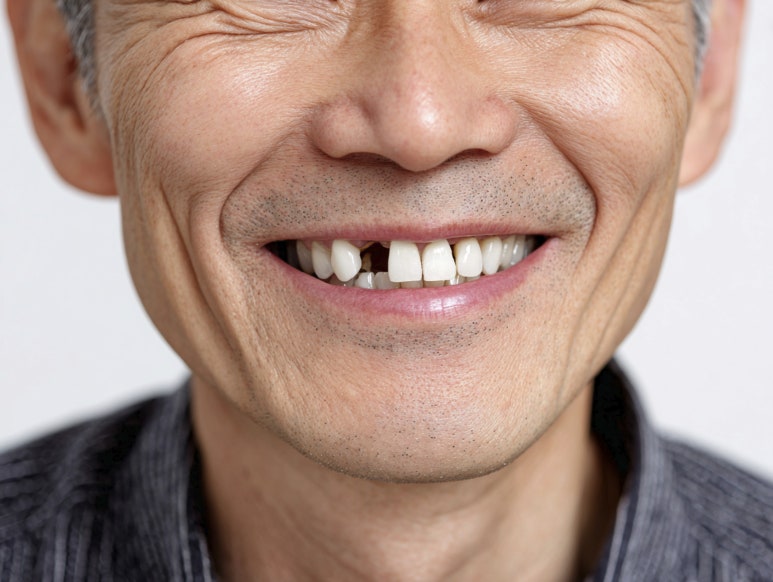
The question patients over 65 ask most often is, “Am I too old to get implants?” To begin with, age itself is not an absolute criterion for implants.
What matters is overall health, bone density, the condition of the gum bone, and whether you are taking any medications.
Before implant treatment, the following items are carefully checked:
- Whether blood pressure and diabetes are well controlled
If they are well managed, implant surgery is fully possible.
- Whether osteoporosis medication is being taken
Depending on the type of medication, the surgical method or timing may need to be adjusted.
- The amount and quality of the alveolar bone
Older adults may have thinner bone, so it is precisely evaluated with a CT scan, and bone grafting is performed if needed.
- Whether the patient smokes and whether they have dry mouth
These affect wound healing speed and gum health, so they are reflected in the treatment plan.
When these factors are comprehensively assessed, implants can be performed safely and successfully even after age 65. In fact, there are many cases in which implants are carried out without issue in patients in their 70s and 80s if their health condition is good.
Why choose implants over dentures: stability, comfort, and long-term durability
In later life, implants are often the more reasonable choice than dentures.
Dentures are relatively less burdensome in terms of cost, but they require daily care, have weaker chewing power, and can easily cause discomfort during use. Above all, because the gum bone continues to thin, discomfort often increases the longer they are used.
On the other hand, implants have the following advantages:
1 Can be used stably for a long time
With proper care, they can be used for more than 10 years without difficulty.
2 Restore chewing power like natural teeth
This expands food choices and improves meal satisfaction.
3 Help maintain gum bone over the long term
Because implants stimulate the jawbone, they help slow bone resorption.
4 Natural and comfortable aesthetically
The teeth visible when smiling look natural, helping boost confidence in social situations.
In particular, the lower jaw is known to be an area where dentures are prone to shifting, so satisfaction is very high when patients switch to implants.
[Why is post-implant care important?]
Although implants are strong, problems can occur if the surrounding gums are not healthy. Older patients have a relatively higher risk of dry mouth and periodontitis, so the following care is especially important after implant treatment:
1 Regular checkups (every 3 to 6 months)
This allows gum changes to be detected quickly.
2 Professional scaling and periodontal care
This is essential for preventing inflammation around implants.
3 Proper brushing at home and use of auxiliary tools
Interdental brushes and oral irrigators should be used consistently.
4 A balanced diet and adequate fluid intake
These are healthy habits that help prevent gum inflammation.
If you consistently practice these care measures, it is entirely possible to maintain a long implant lifespan and use them like natural teeth.
Dental care for a healthy later life, together with Seoul Implant Dental Clinic and S Leader Dental Hospital
After age 65, implants are no longer a special or excessive treatment. Rather, they have become a very important treatment for supporting meal satisfaction, physical stamina, and social confidence in later life.
What matters more than age is accurately evaluating your current gum condition, overall health, and lifestyle habits to create a safe plan that suits you.
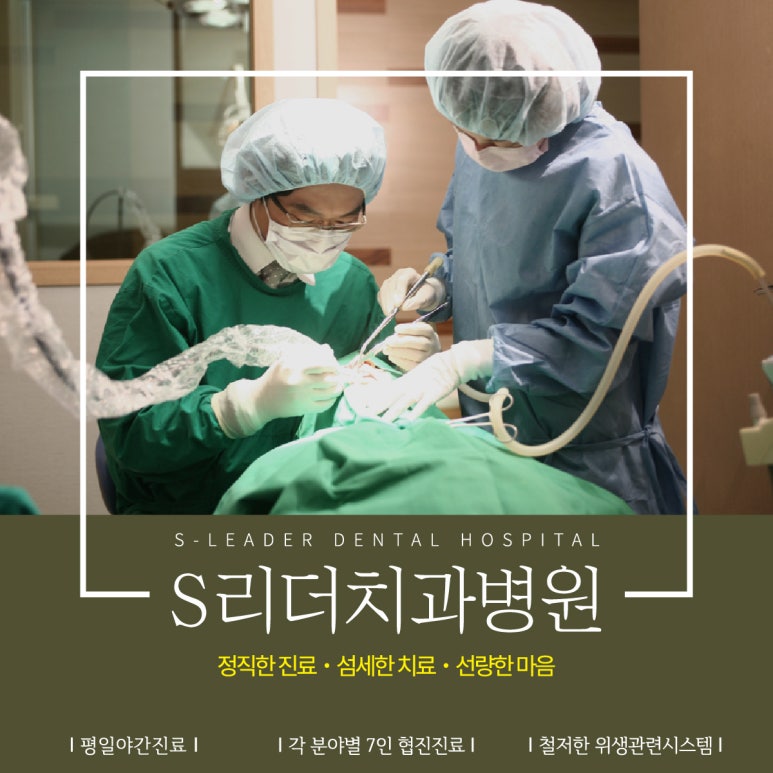
At Seoul Implant Dental Clinic, S Leader Dental Hospital, we establish implant plans tailored to each patient’s health condition, based on precise diagnosis for older adults, gum health checks, and preoperative safety evaluations.
If you want to chew comfortably, enjoy food, and maintain an active daily life even in later years, we hope you will find a comfortable and safe implant treatment direction with S Leader.


Seoul Implant Dental Clinic :: S (S) Leader Dental Hospital