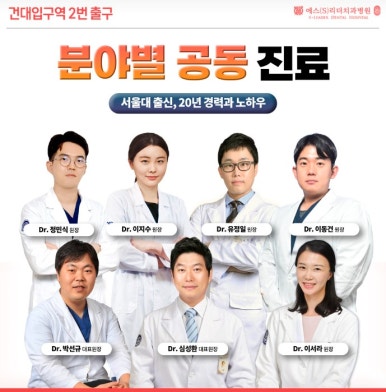
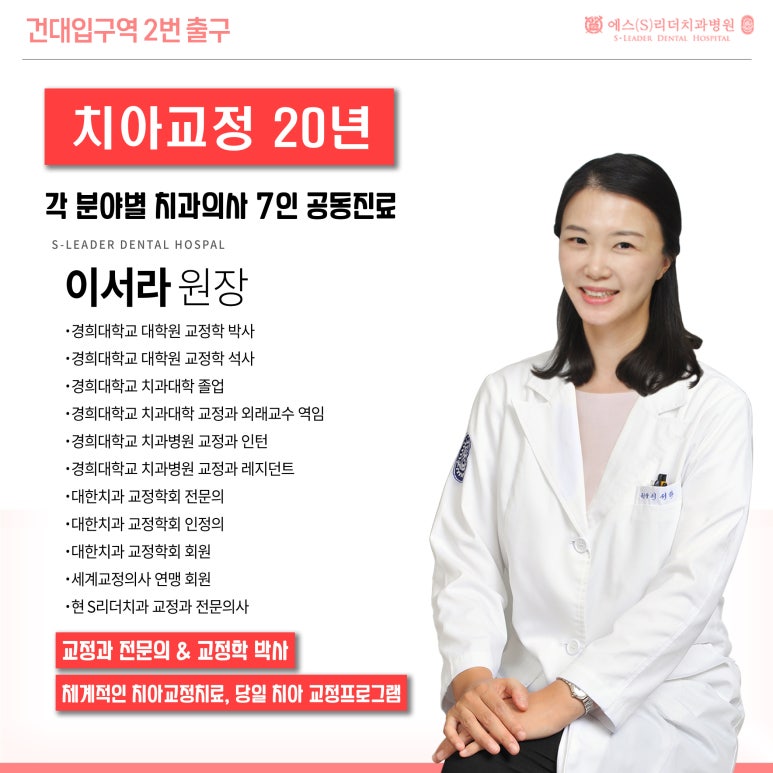
Hello, this is Songjeong-dong Dental Clinic, and greetings from S Leader Dental Hospital.
Orthodontic treatment may seem like a simple process of straightening teeth, but in reality, it is a complex treatment that must take into account the teeth, jaw, gums, muscles, and lifestyle habits all together. Recently, as orthodontic treatment has become more popular, consultations about relapse after treatment have been increasing rapidly, such as, “My teeth have opened up again,” “My lower teeth have shifted back again,” and “It feels like the alignment has become crooked again, just like before treatment.”
In particular, as the proportion of adult orthodontic patients has increased, many people already have weak alveolar bone or periodontal problems before treatment, which can make the risk of relapse higher.
Orthodontic relapse does not occur for just one reason; it is the result of treatment procedures, post-treatment care, and even constitutional factors. If you understand the causes of relapse accurately, it can greatly help with future treatment stability and long-term retention.
- Incomplete bite adjustment
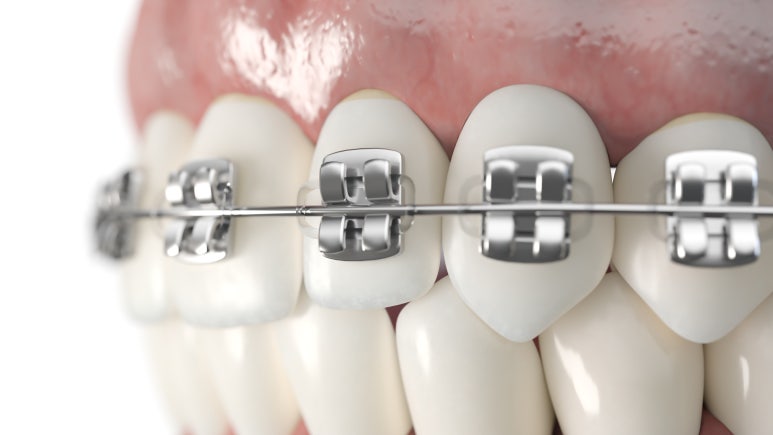
A nicely aligned appearance on the outside is not the “completion” of orthodontics. The key to orthodontics is how precisely the bite—the balance where the upper and lower teeth meet—has been adjusted. If treatment is finished before the bite has fully stabilized, the teeth can start to move back toward their original direction even from the daily force of chewing.
In particular, teeth that were rotated, crowded arches with insufficient space, or teeth with significantly tilted roots are more likely to twist again after orthodontic treatment ends. If the direction of the tooth roots is not properly set, it is difficult to prevent changes.
The problem is that these changes are often not visible at first, and only after comparing photos months later do you notice small gaps opening up again or rotation returning. In many of these cases, the bite was not fully stabilized during treatment.
- Insufficient support from the alveolar bone
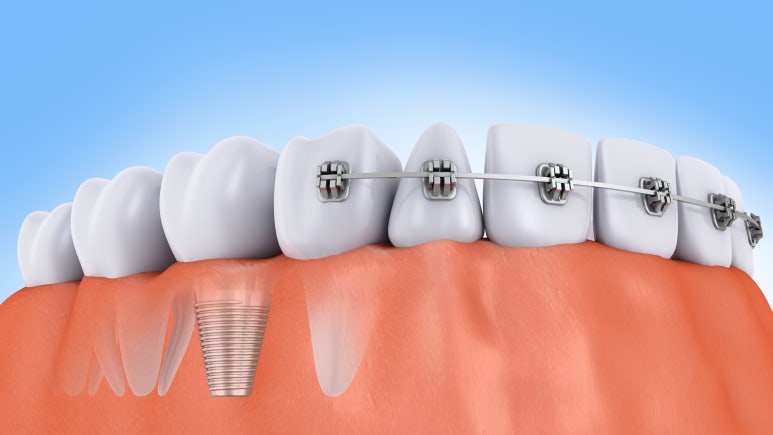
Among adult orthodontic patients, there are quite a few cases where relapse happens quickly because periodontal support is weak. For teeth to stabilize in their new position, the alveolar bone must become firmly set, and since this process takes several months or more, the teeth are in a fairly unstable state immediately after orthodontic treatment ends.
During this period, if the alveolar bone is weak, even a small amount of pressure can create gaps or cause rotation.
Adult patients often appear fine on the outside, but it is surprisingly common for X-rays to show reduced alveolar bone.
If periodontal problems existed before orthodontic treatment, the risk of relapse becomes even higher, so in adult orthodontics it is very important to manage periodontal care together with orthodontic treatment.
- Insufficient retainer wear
This is the most common and the clearest cause of relapse.
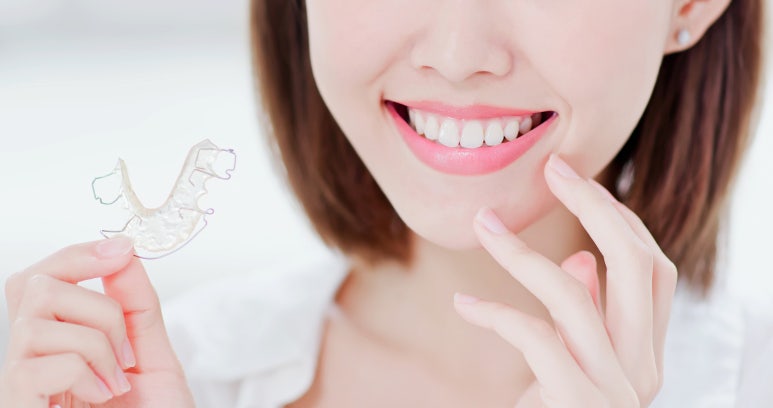
Orthodontic treatment does not end on the day the appliance is removed; the entire process includes the period of wearing a retainer. Because teeth have a tendency to return to their original position, wearing it for long periods during the initial months is essential.
The problem is that after finishing orthodontic treatment, many people feel relieved and think, “It’s finally over!” and then become careless about wearing their retainer. There are also many cases where the retainer has become a little loose, but they leave it as is and later come in with teeth that have shifted.
If retainer wear is insufficient at the beginning, the small daily movements accumulate and become visible after a few months.
So a retainer is not optional; it is an extension of orthodontic treatment.

- Lifestyle habit problems such as tongue, lips, and breathing
A major cause of relapse that patients often do not realize is muscle habits.
Habits such as pushing the front teeth with the tongue, unconsciously failing to keep the mouth closed, one-sided chewing, and mouth breathing all place continuous force on the teeth.
In particular, tongue pressure is much stronger than most people think. If the tongue repeatedly pushes the front teeth thousands of times a day, the teeth naturally shift forward and become spaced out. These muscle habits are a major cause of dental alignment problems whether or not orthodontic treatment has been done.
That is why, when orthodontic treatment ends, the specialist should carefully check tongue position, lip strength, chewing patterns, and more, and if necessary, muscle function training should also be included to reduce the risk of relapse.
- Natural changes that occur with aging
As people age, bone density in the jaw decreases, gum tissue diminishes, and the elasticity of the muscles around the mouth also changes. These natural changes affect the teeth as well, and even people who have not had orthodontic treatment may gradually develop crowding in the lower front teeth.
Therefore, changes due to aging do not immediately mean that “the orthodontic treatment was done wrong”; they are progressive changes that can happen to anyone. People who have had orthodontic treatment may notice these changes more quickly, which is why long-term retainer wear is needed.
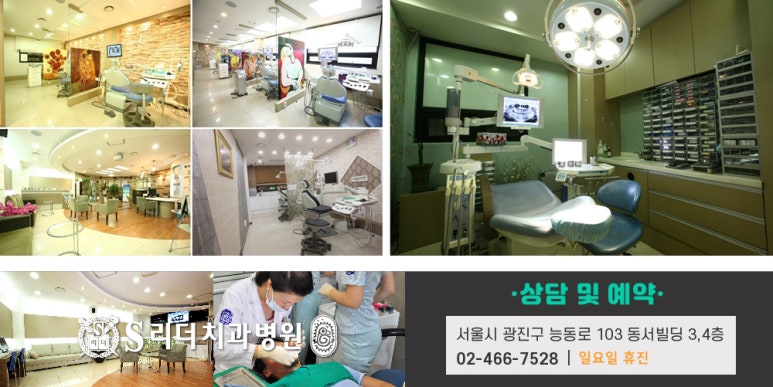
Songjeong-dong Dental Clinic, at S Leader Dental Hospital
An orthodontic system that also manages relapse
Orthodontic relapse may be more than just a change in alignment; it can be a sign that the overall balance of the bite, bone, gums, muscles, habits, and maintenance has broken down. If relapse has already appeared, an accurate diagnosis is needed to determine where the problem began.
Songjeong-dong Dental Clinic, S Leader Dental Hospital, operates a long-term management system that includes regular follow-up checks, gum care, fine bite adjustments, muscle function evaluations, and retainer management even after orthodontic treatment ends. Rather than simply concluding with “the orthodontic treatment is finished,” we suggest customized retention strategies that take each patient’s gum and tooth condition and lifestyle habits into account.
If you have already completed orthodontic treatment or are worried about possible relapse, please get an accurate examination at S Leader Dental Hospital to identify the cause and maintain a stable dental alignment over the long term.


Songjeong-dong Dental Clinic :: S Leader Dental Hospital