Hello, this is S Leader Dental Hospital, a Gwangjin-gu dental clinic.
When considering orthodontic treatment, the first question most people think of is usually similar.
“How long does it take once I get braces?”
When you search online, you may find reviews saying it was done in a year, while others say it took 3 to 4 years, so it can be confusing to know what is correct. It is the same orthodontic treatment, so why is there such a difference?
The orthodontic treatment period does not simply mean the time needed to move the teeth. It includes everything from pre-treatment diagnosis to actual tooth movement, intermediate adjustment processes, and stabilization after treatment. Because each person has different tooth conditions, gums, bone conditions, and lifestyle habits, the treatment period cannot be the same for everyone.
In this post, Gwangjin-gu dental clinic S Leader Dental Hospital will take a closer look at why orthodontic treatment periods inevitably vary from person to person.
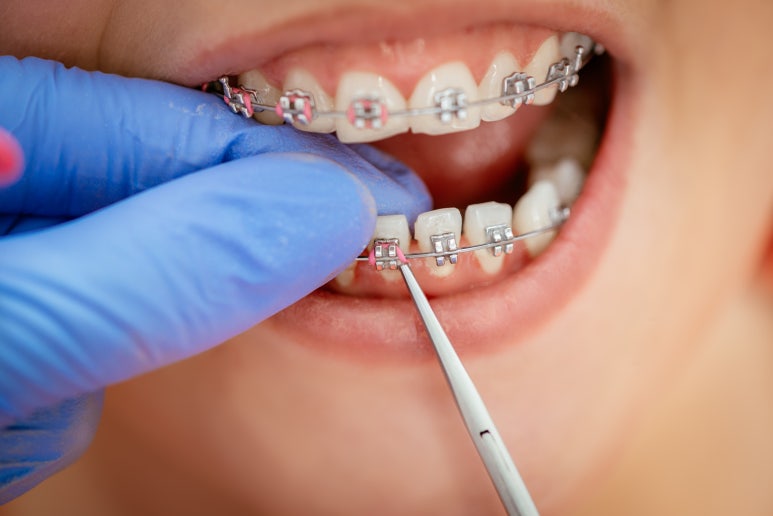 The difference in tooth alignment and the amount of movement before treatment
The most basic factor that determines the treatment period is the condition of the teeth before orthodontic treatment.
The difference in tooth alignment and the amount of movement before treatment
The most basic factor that determines the treatment period is the condition of the teeth before orthodontic treatment.
At first glance, it may seem like the teeth are only “a little crooked,” but in reality, the tilt of each tooth, the degree of rotation,
and even the root position must all be considered. A case where only a few front teeth are slightly misaligned is very different from a case with crowding or asymmetry throughout the entire dental arch in terms of the treatment approach itself.
In particular, if the teeth are severely crowded or there is significant protrusion or impacted canines, the teeth cannot be moved all at once. To move the teeth safely, the process must be carried out step by step in a set order, which naturally increases the time required. Also, if the treatment is not just simple alignment but also includes adjusting the upper and lower bite (occlusion), the stabilization process after tooth movement may be included, making the orthodontic period longer.
[The condition of the gums and alveolar bone affects the speed of treatment]
Orthodontic treatment is not only about the teeth.
The response of the gums and alveolar bone that support the teeth determines the speed of orthodontic movement. If the gums are healthy and the bone condition is stable, the teeth move relatively according to plan. However, if there is inflammation or weak bone, the movement speed may be slower even when the same force is applied.
This difference is especially noticeable in adult orthodontics. During growth, bone metabolism is active, so tooth movement tends to be relatively faster, but in adults the bone becomes harder, and the speed of tooth movement naturally slows down. That said, increasing force recklessly can cause side effects such as gum damage or root resorption, so orthodontic speed must always be adjusted with safety as the top priority.
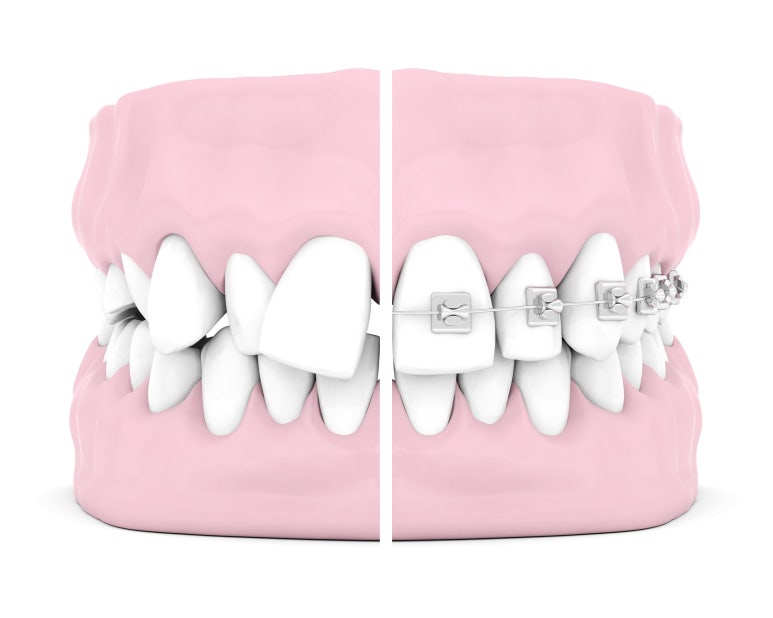 The difference in whether extraction is needed and the treatment plan
One of the most common questions during orthodontic consultations is whether extraction is necessary.
The difference in whether extraction is needed and the treatment plan
One of the most common questions during orthodontic consultations is whether extraction is necessary.
If extraction orthodontic treatment is needed, a plan is required for how and in what order the space created by the extraction will be closed. Rather than simply closing the space quickly, the teeth are moved while adjusting both the alignment and the bite, which takes additional time.
On the other hand, non-extraction orthodontic treatment does not always finish in a short period. In some cases, space must be created by expanding the arch or moving the teeth backward, and the speed of this process also varies depending on the condition of the teeth and gums. What matters most is not extraction itself, but whether a plan suited to the individual oral structure has been established. A poor choice can actually lead to a longer orthodontic treatment period.
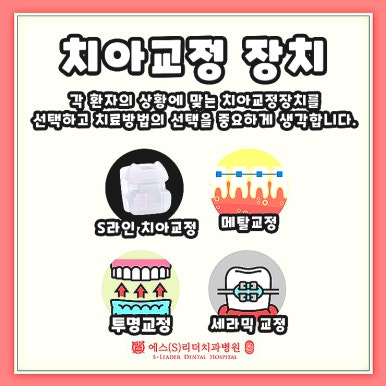
 The impact of appliance type and management method
The type of orthodontic appliance can also affect the treatment period.
The impact of appliance type and management method
The type of orthodontic appliance can also affect the treatment period.
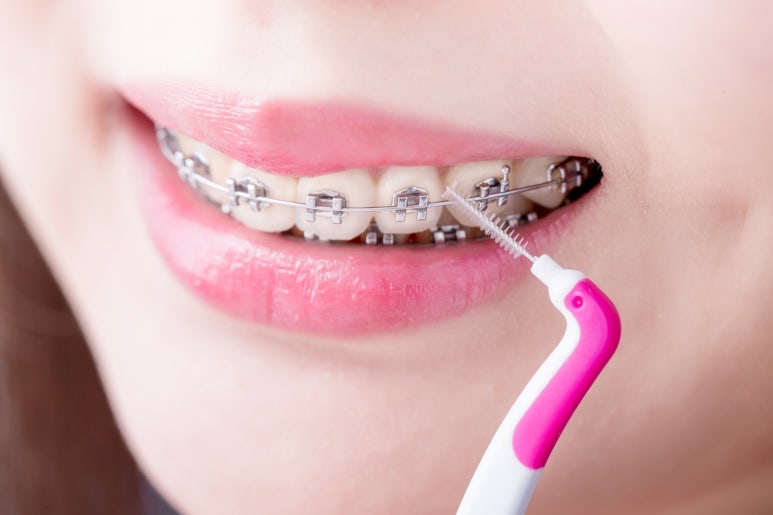
Metal braces, ceramic braces, lingual braces, and clear aligners each differ in how they deliver force and in their range of adjustment. In particular,
clear aligners have the advantage of being removable, but if they are not worn for enough time, the planned tooth movement may not occur
and treatment may be delayed.
However, diagnosis and management are more important than the appliance type.
Even when the same appliance is used, if the treatment plan is not detailed or if intermediate adjustments are not made appropriately, unnecessary rearrangement may be repeated and the overall orthodontic period can become longer. That is why orthodontics is more about “how it is planned and managed” than “which appliance is used.”
 The effect of patient cooperation on the orthodontic period
Orthodontic treatment is not something that happens only at the clinic.
The effect of patient cooperation on the orthodontic period
Orthodontic treatment is not something that happens only at the clinic.
Wearing elastics, managing the appliance, and attending regular appointments are all part of the treatment. If elastics are not worn on time or appointments are frequently postponed, tooth movement will inevitably be delayed compared with the original plan.
Also, if appliance detachment or breakage keeps happening, the treatment flow is interrupted each time. From the patient’s perspective, it may feel like only a matter of a few days, but when these situations accumulate, it is not uncommon for the orthodontic period to be extended by several months or more. It is important to understand that the treatment period depends not only on the medical team’s plan, but also on the patient’s participation.
[Variables that occur during orthodontic treatment]
Orthodontic treatment does not always proceed exactly as planned.
If cavities or gum inflammation are found during treatment, those issues may need to be treated before the orthodontic adjustment. In addition, if the timing of wisdom tooth extraction or an unexpected change in the bite occurs, the treatment plan may need to be adjusted again.
These variables are also why it is difficult to provide an exact date for the orthodontic period. Usually, we explain it as a projected range, and what matters most is how quickly we respond when variables arise and how stably we maintain the overall process.
 Orthodontic treatment, from planning to management -
Gwangjin-gu dental clinic, S Leader Dental Hospital
Gwangjin-gu dental clinic S Leader Dental Hospital does not explain the orthodontic treatment period simply by average figures or rough month estimates. Because orthodontic treatment differs from person to person in tooth alignment, gum and alveolar bone condition, bite, and lifestyle habits, we believe that precise individual diagnosis from the very beginning is the most important factor. Based on this, rather than simply aiming for fast results, we set a treatment speed and direction that allow the teeth and gums to adapt without strain.
Orthodontic treatment, from planning to management -
Gwangjin-gu dental clinic, S Leader Dental Hospital
Gwangjin-gu dental clinic S Leader Dental Hospital does not explain the orthodontic treatment period simply by average figures or rough month estimates. Because orthodontic treatment differs from person to person in tooth alignment, gum and alveolar bone condition, bite, and lifestyle habits, we believe that precise individual diagnosis from the very beginning is the most important factor. Based on this, rather than simply aiming for fast results, we set a treatment speed and direction that allow the teeth and gums to adapt without strain.
Even during treatment, we regularly check tooth movement through follow-up visits and carefully adjust the treatment plan according to gum health and changes in the bite. Managing the treatment so that the overall flow remains stable even when unexpected variables arise is also an important part of orthodontic care. From the time the appliance is attached to the retention phase after removal, we provide treatment so that every process is smoothly connected.
For orthodontic treatment, results that can be maintained over time are more important than short-term changes. Gwangjin-gu dental clinic S Leader Dental Hospital also provides guidance on retainer management and post-treatment checkups so that the tooth alignment and function can remain stable even after orthodontic treatment ends. Understanding exactly why the orthodontic treatment period differs from person to person and establishing a treatment plan that fits that difference is the basic treatment principle of S Leader Dental Hospital when it comes to orthodontics.


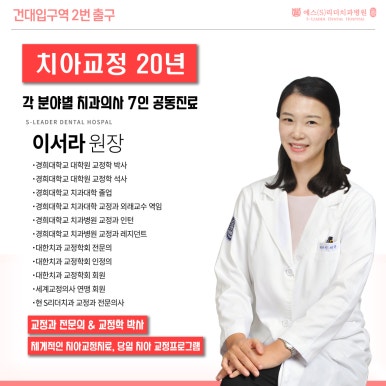
Gwangjin-gu dental clinic :: S (S) Leader Dental Hospital