Hello, this is Jangan-dong Implant, greetings from S Leader Dental Hospital.
Would it really be okay even if you lost just one tooth?
In everyday life, suddenly losing a single tooth happens more often than you might think. It can happen because severe decay has progressed, a tooth has been damaged by trauma, or a tooth weakened after root canal treatment has broken and ultimately had to be extracted. In such situations, many people probably first think something like this.
“Losing one tooth probably won’t cause a big problem right away.”
“It's not a front tooth, and it's a back molar that people can't see, so I can wait a little.”
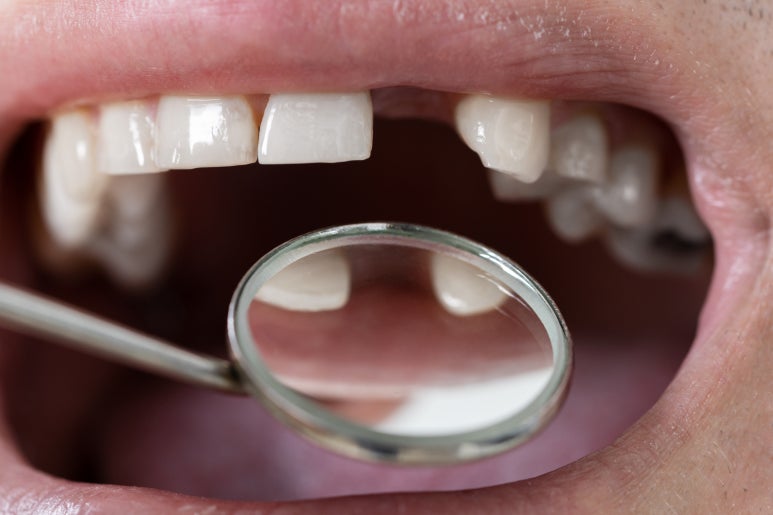
In reality, many people can still eat and talk much as usual even when they are missing one tooth. Because of that, it is common to delay treatment. But did you know that while treatment is being postponed like this, unfavorable changes are gradually, but clearly, taking place inside the mouth?
Today, focusing on the question many people are curious about—“Do I really need an implant if I lose one tooth?”—we will organize the changes that can result from the loss of a single tooth, the factors to consider when deciding on treatment, and various alternative treatments, including implants.
Through this post, let’s take a closer look at the fact that the absence of just one tooth can have effects beyond simple inconvenience.
The aftereffects that the thought “It’s only one tooth...” can bring
Teeth, 28 to 32 in total, are arranged in a fixed pattern and are organically connected with one another. If one of them is lost, it may not immediately cause pain or make daily life difficult. That is why many people tend to think lightly of losing one tooth and put off treatment. In reality, however, the loss of a single tooth can be the starting point for affecting the entire dental structure, the jaw joint, and even chewing function.
In particular, areas such as the molars, which are not visible externally, often go untreated for a longer time because the problem is not apparent to the eye. The issue is that the problem does not remain only in the empty space left by the missing tooth. As time passes, teeth shift, the balance of the upper and lower teeth that bite together is disrupted, and eventually even healthy teeth can be affected. By the time treatment is considered, the condition is often already complicated.

What happens inside the mouth when one tooth is lost?
It may simply look like an empty space, but in fact many changes occur inside the oral cavity. The lost tooth not only plays a role in chewing food, but also supports the position of adjacent teeth and helps maintain the bite between the upper and lower teeth.
When one of these functions is lost, the following problems can occur.
- Tilting of adjacent teeth and collapse of space
Teeth stay in place through the force of pushing against one another. But when one tooth is missing, the neighboring teeth gradually tilt or move into that space. As a result, the alignment collapses, gaps may form between teeth, or more areas where food gets trapped may appear.
- Eruption of the opposing tooth
The opposing tooth—the tooth on the other side of the lost tooth—no longer has something to bite against and gradually moves downward (or upward). This is called “overeruption,” and it can also cause bite imbalance and jaw joint pain.
- Imbalance in chewing force
When one tooth is missing, the area used for chewing food becomes smaller. This makes the remaining teeth take on excessive force, and if a habit of chewing mostly on one side develops, it can lead to jaw joint, neck, and shoulder pain as well.
- Resorption and deformation of the jawbone
When a tooth is lost, the alveolar bone in that area no longer receives stimulation and gradually resorbs. This can result in sunken gums or affect facial shape.
Why is an implant recommended as an alternative?
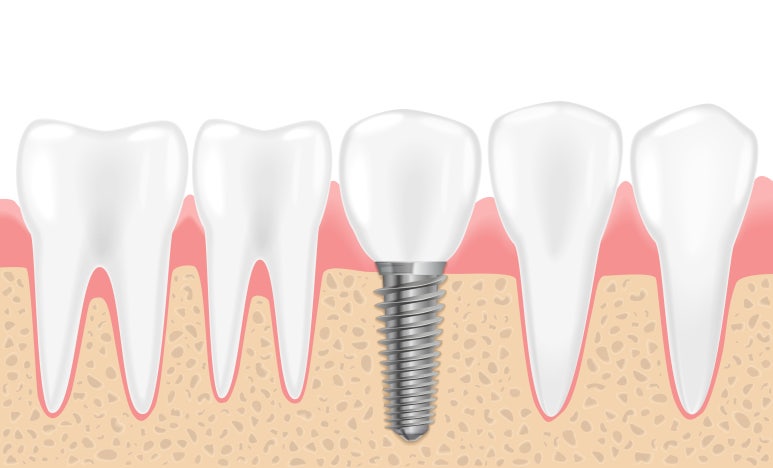
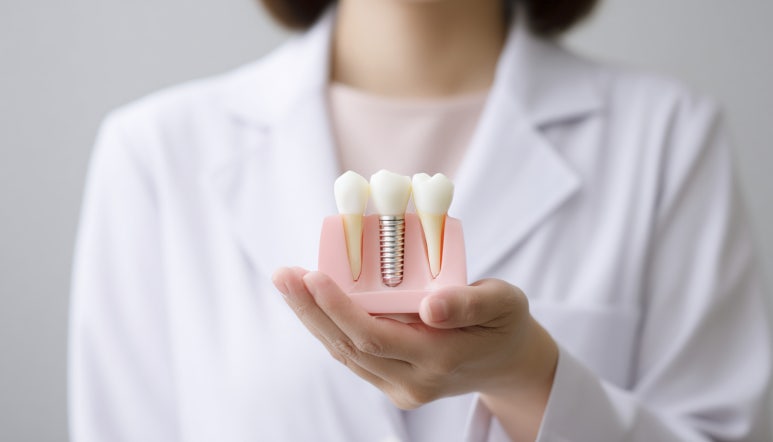
An implant is a treatment method in which an artificial structure that can replace the root of the lost tooth is placed into the jawbone, and then an artificial tooth (crown) is attached on top. Even when only one tooth is missing, it is recommended because it can provide function and aesthetics that are closest to those of a natural tooth.
- Minimizes damage to surrounding teeth
A bridge has the drawback of requiring the healthy teeth on both sides to be ground down, but an implant treats only the affected area independently, allowing natural teeth to be preserved.
- Strong chewing force
Because an implant is fixed directly into the jawbone, it can restore chewing force to a level close to that of a natural tooth. Even hard foods can be eaten without burden.
- Helps prevent bone resorption
Because an implant is maintained by stimulating the jawbone, it has the effect of delaying bone resorption (sunken jawbone). This also offers long-term benefits from an aesthetic standpoint.
- Improves appearance and speech
Especially in the front-tooth area, implants are made to resemble natural teeth in both color and shape, allowing for a natural smile and clearer speech.
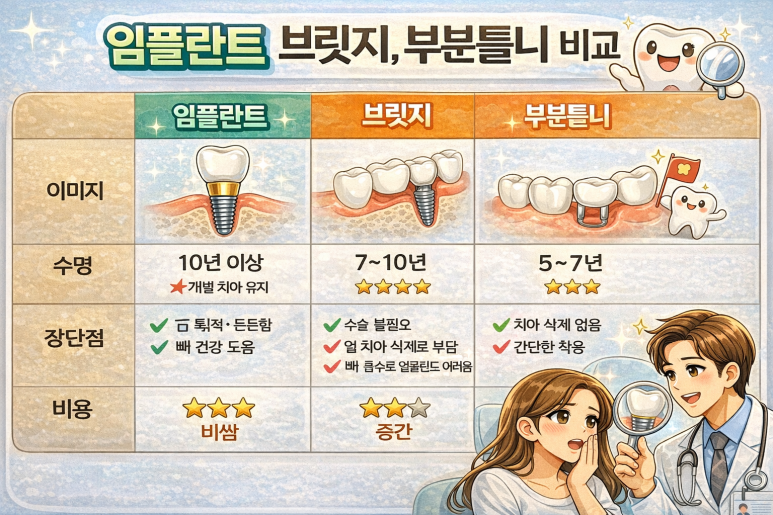
How do implants compare with other treatments?
The choice may vary depending on the patient’s condition, but for those who want to protect oral health over the long term and live as closely as possible to natural teeth, Jangan-dong Implant is considered first.
Problems caused by delaying an implant
The thought, “I can do it later,” can be a shortcut to increasing the complexity of treatment. If a tooth is left missing for several months or longer, the jawbone gradually resorbs, and even if you later try to get an implant, additional procedures such as bone grafting or sinus lifting may be needed. Moreover, if the surrounding teeth have already tilted significantly, orthodontic treatment is often required as well.
Receiving an accurate diagnosis is a wise choice that reduces the burden of treatment and prevents unnecessary additional procedures.
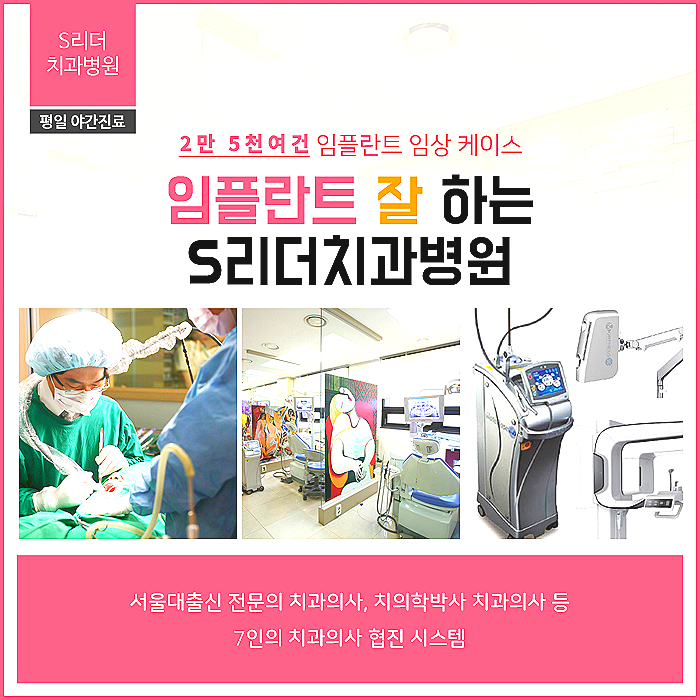
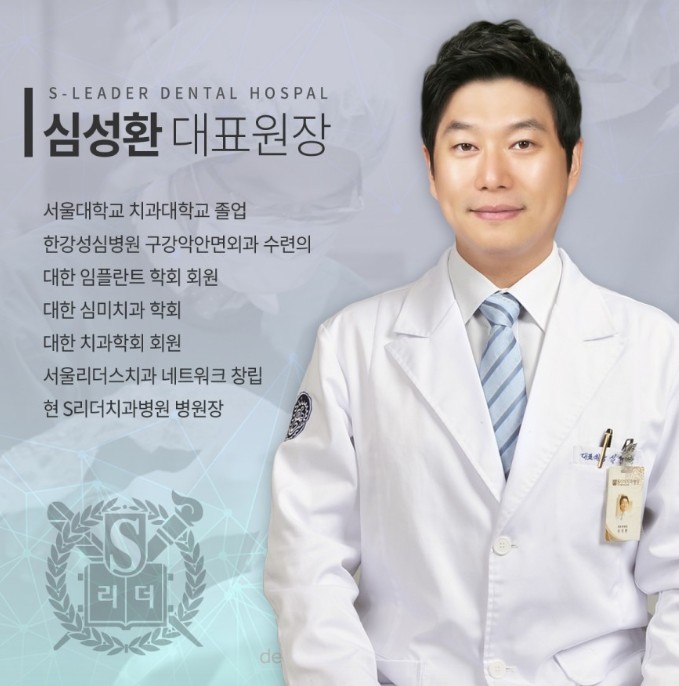
Jangan-dong Implant, at S Leader Dental Hospital
Please think it over with us!!
Many people overlook the fact that the absence of just one tooth can be more than a simple inconvenience and can become the starting point that affects the balance of the entire dental arch and oral function. An implant can be a good solution that helps prevent this chain reaction of changes in advance.
However, treatment should not be chosen simply by listing its advantages; it is important to make a diagnosis that comprehensively considers the patient’s individual oral condition, health, and lifestyle patterns.
At Jangan-dong Implant, S Leader Dental Hospital, based on diverse clinical experience and a collaborative care system, we do not simply recommend implants; we work together to consider and guide each patient toward the treatment method that best fits them.
If you are worried because you have lost one tooth, rather than endlessly delaying treatment, please visit once and receive a professional examination.
For your healthy smile, S Leader Dental Hospital will be with you.
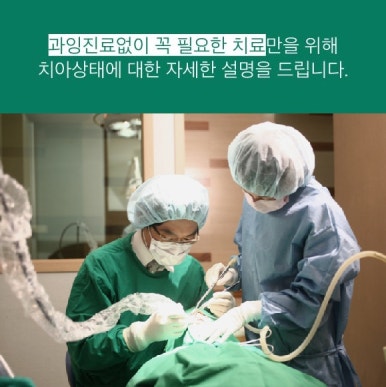
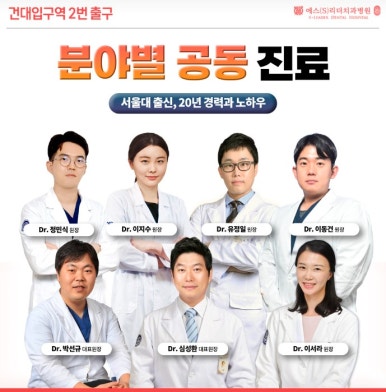

Jangan-dong Implant :: S (S) Leader Dental Hospital