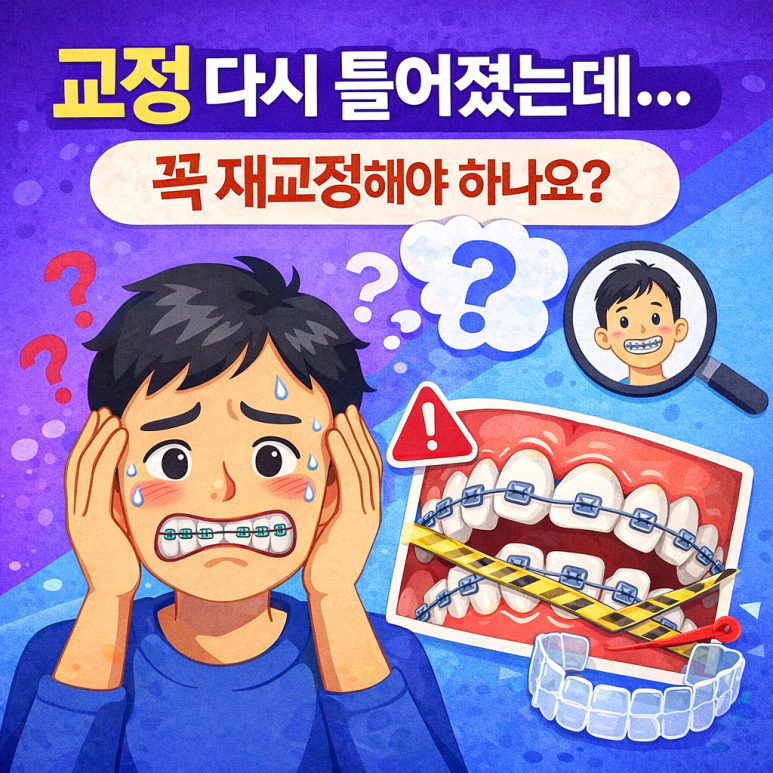
"I had orthodontic treatment before... but it shifted again."
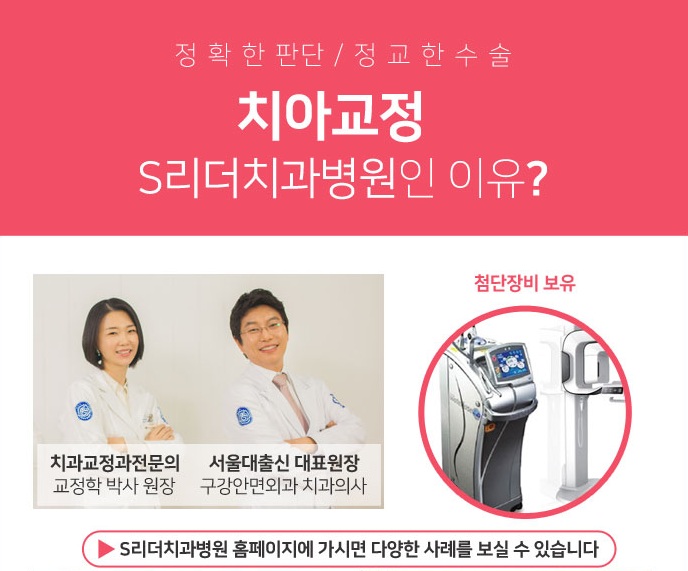
Hello, this is S Leader Dental Hospital, a Seoul dental clinic recommendation.
"I had braces once, but my front teeth seem to be gapping again these days..."
"After I stopped wearing my retainer regularly, it feels like my teeth have rotated a little."
"A full orthodontic treatment feels too burdensome, so I’m wondering whether I need to do it again."
These are things we hear often in the clinic.
In fact, many people who completed orthodontic treatment in their teens or early 20s come back for orthodontic consultations in their 30s, or after marriage and entering social life.
The reason is usually that the teeth started moving again after orthodontic treatment.
Because they have already gone through orthodontic treatment once, patients understand it better.
How long it takes, how much it costs, and what inconveniences come with daily life. For that reason, there are quite a few people who say, "I’m too hesitant to start again."
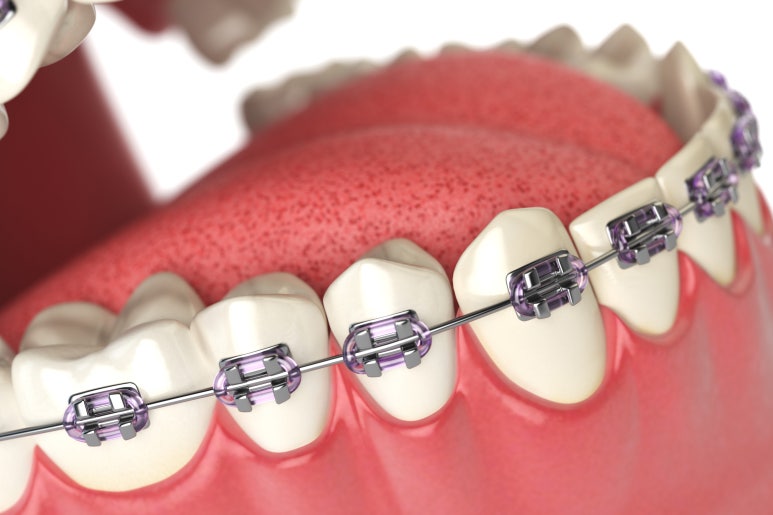
However, if misaligned teeth are left as they are,
-
chewing function may deteriorate,
-
aesthetic satisfaction may decrease, and
-
it may create a less favorable structure for retreatment such as prosthetic work or implants.
In this post, we will talk about the following three points:
🔹 Why teeth shift again after orthodontic treatment
🔹 In what cases retreatment is really necessary
🔹 Whether partial orthodontic treatment is an option
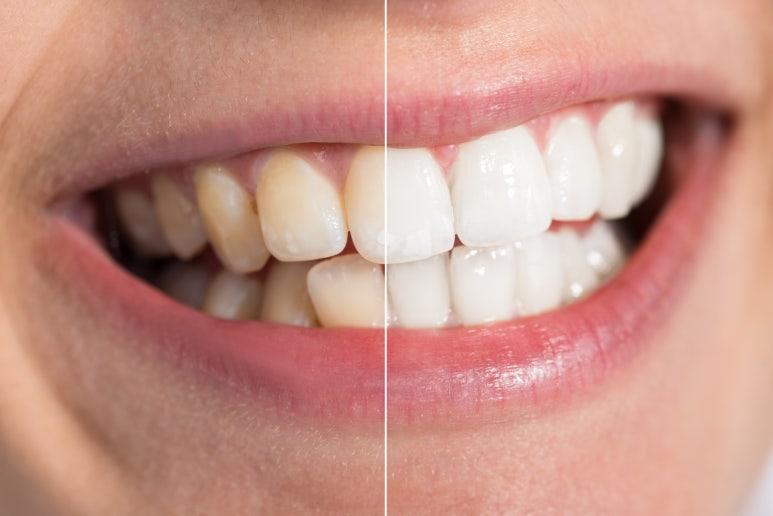 Why teeth shift again after orthodontic treatment
- When the retainer was not worn on time
After orthodontic treatment, many patients think "the treatment is over" and neglect wearing their retainer. However, in reality, it is no exaggeration to say that the real treatment begins after the orthodontic appliance is removed.
Teeth are not structures fixed completely to the bone; they are in a state where they can move within flexible tissues called the alveolar bone and periodontal ligament.
Even if the alignment changes through orthodontics, it takes time for the surrounding bone and tissue to fully adapt to that position.
At this time, the retainer plays the role of keeping that position in place.
Particularly in the first 6 months to 1 year after orthodontic treatment, when the teeth are most sensitive,
✔️ clear retainer (night-guard type)
✔️ fixed wire
✔️ occlusal stabilization appliance
should be worn for long periods to stabilize the bite.
However, if wearing it is stopped before this period passes, or if a retainer breaks and is left untreated, the front teeth will begin to gap again and the teeth will gradually return to their original position.
In particular, adult orthodontic patients already have fixed muscle tension and jaw position, so even a slight neglect of the retainer can easily lead to relapse. Therefore, periodic checkups and appliance inspections are essential even after treatment is finished.
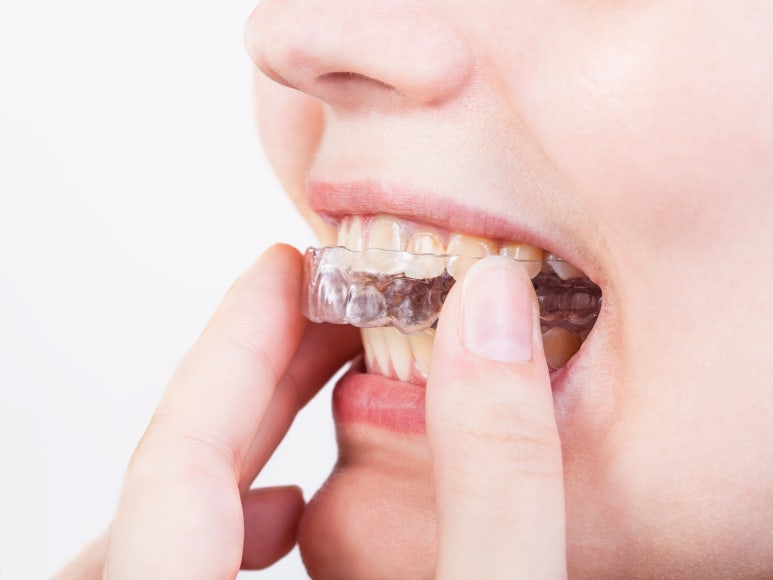
- External factors such as tongue habits, teeth grinding, and oral pressure
Even if the retainer is worn diligently, if forces inside and outside the mouth continue to push on the teeth, the alignment will inevitably change slowly.
A representative cause is tongue position and usage habits.
If the tongue habitually pushes the front teeth,
or if there is a tongue-thrusting habit that exerts force forward every time you swallow,
it is very common for the front teeth to gap again or become crooked.
Also, clenching or grinding the teeth unconsciously during sleep (bruxism), or an unbalanced chewing habit of only chewing in a certain direction, can continue to transmit slight pressure to the post-orthodontic alignment and gradually disrupt the bite.
In such cases, simple "retreatment" alone may not fully solve the problem,
and before orthodontic treatment or retreatment,
-
muscle function test (MFT)
-
correction of oral habits
-
mouthpiece (anti-grinding appliance)
may need to be combined.
In fact, there are frequent cases where even patients who wore their retainers diligently experienced a collapse in their bite and a shift in the front teeth again due to habitual teeth grinding before sleep.
It is important to remember that tooth alignment does not move mechanically alone; if the surrounding muscles and habits do not change together, there is always a possibility of relapse.
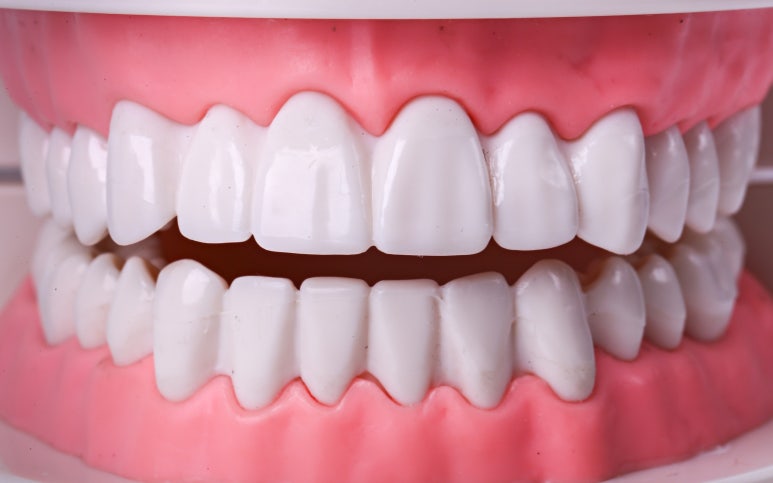
- When skeletal imbalance such as TMJ or arch size remained
Another fundamental cause of misaligned teeth is imbalance in the oral structure itself. In other words, even if the tooth alignment was properly arranged, if the jawbone structure or arch size underlying it is abnormal, the alignment can become distorted again over time.
For example,
-
if the upper jaw protrudes more than the lower jaw,
-
if the arch is narrow and the teeth were crowded,
-
if space was created by extraction during orthodontic treatment, but the jaw itself is small,
-
the teeth may not remain stable after orthodontic treatment and may collapse inward or rotate again.
Also, if only functional orthodontic treatment was performed while skeletal malocclusion during growth (protruding mouth, underbite, etc.) was present, there are cases where jaw asymmetry appears again in adulthood, causing the entire alignment to shift again.
In this way, if the cause is a structural imbalance rather than a problem with the teeth alone, stable tooth alignment can be maintained for a long time only when TMJ analysis, bite analysis, and skeletal diagnosis are conducted together rather than relying on simple retreatment.
 Do I really need retreatment? Full orthodontics again??
The question that many people find most burdensome is, "Do I have to put braces on again and do this for two more years?"
But fortunately, full retreatment is not necessary in every case.
Retreatment is definitely needed in the following cases.
🟥 Cases where full orthodontic treatment is necessary
-
When not only the front teeth but also the molars are not fitting properly
-
When there is TMJ pain or bite problems as well
-
When the spaces between the teeth have opened up significantly again
-
When extraction spaces have reopened and stabilization is impossible
-
When skeletal asymmetry has progressed due to failed orthodontic treatment
In these cases, because it is not just a simple alignment problem but a matter of redesigning the overall tooth structure and bite, professional full retreatment may be necessary.
🟧 Cases where partial orthodontic treatment is enough
However, in the following cases,
partial orthodontic treatment (focused on the front teeth) alone may be sufficient:
-
When only the front teeth visible when smiling are slightly misaligned
-
When mild alignment collapse occurred after stopping the retainer
-
When you want to lightly arrange the front teeth before prosthetic work
-
When the main purpose is aesthetic improvement rather than functional issues
Partial orthodontic treatment generally has the advantages of
✔️ short-term treatment of about 3 to 9 months
✔️ orthodontics focused on 1 to 6 teeth
✔️ lower cost burden than full orthodontic treatment
and it is the most practical treatment option often chosen in retreatment cases.
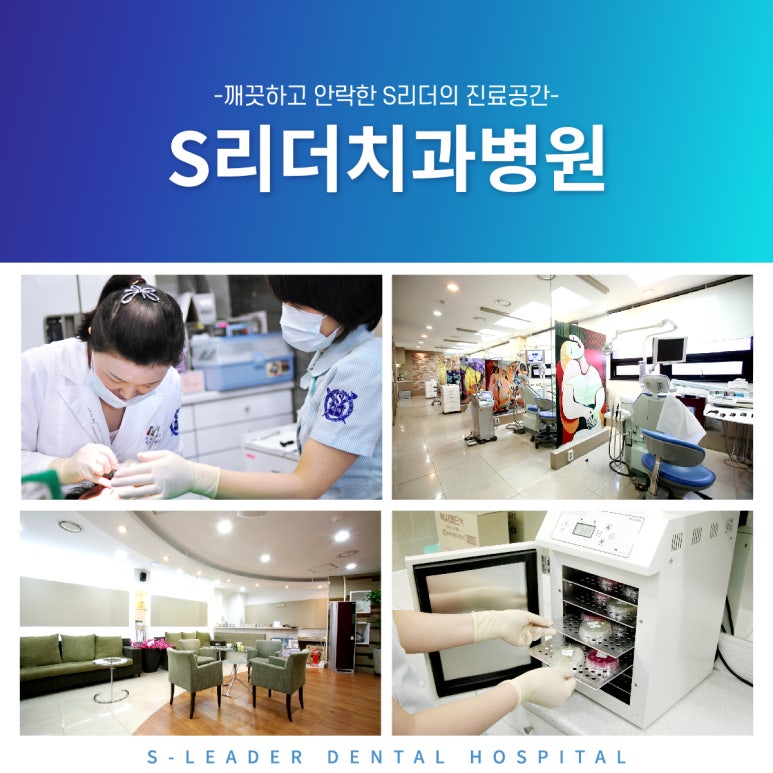 Retreatment is not too late.
Start again lightly, with S Leader Dental Hospital
If several years have passed since you finished orthodontic treatment, and your front teeth have become misaligned again, making you self-conscious in photos and causing discomfort because interdental brushes no longer fit, this may be more than a simple "aesthetic issue"—it can be a sign that the tooth structure is collapsing again.
At S Leader Dental Hospital, a Seoul dental clinic recommendation,
📌 whether retreatment is needed, or whether partial orthodontic treatment is enough
📌 what effect tooth realignment has on gum health and chewing function
📌 what is needed to maintain stable results for a long time without a retainer
we comprehensively analyze all of these factors and guide each patient toward a retreatment plan suited to their condition.
Also, for those who find full retreatment burdensome,
✔️ partial orthodontic planning based on 3D oral scanning
✔️ aesthetic appliances such as clear aligners and ceramic braces
✔️ short-term intensive orthodontic plans
are available, so even if you start again, we can reduce the burden and increase satisfaction.
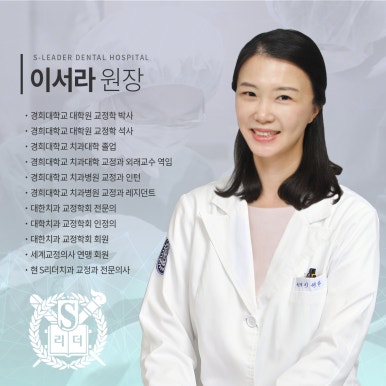
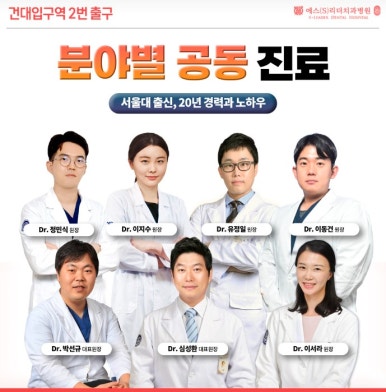
"Do I need orthodontic treatment again?"
"Can I just lightly straighten my front teeth?"
The answer to those questions
can be given accurately through a precise diagnosis at S Leader Dental Hospital.
The second orthodontic treatment is even more hesitant because you have already been through it once.
But if it is done properly, this time it can be faster, more comfortable, and last longer.
S Leader Dental Hospital, a Seoul dental clinic recommendation, will be the partner that helps make that second start as careful and as practical as possible.
 Seoul dental clinic recommendation :: S (S) Leader Dental Hospital