“Would Orthodontic Treatment Still Be Worth It If I Start Now?”
Hello, this is Seongsu Station Dental Clinic, S Leader Dental Hospital.
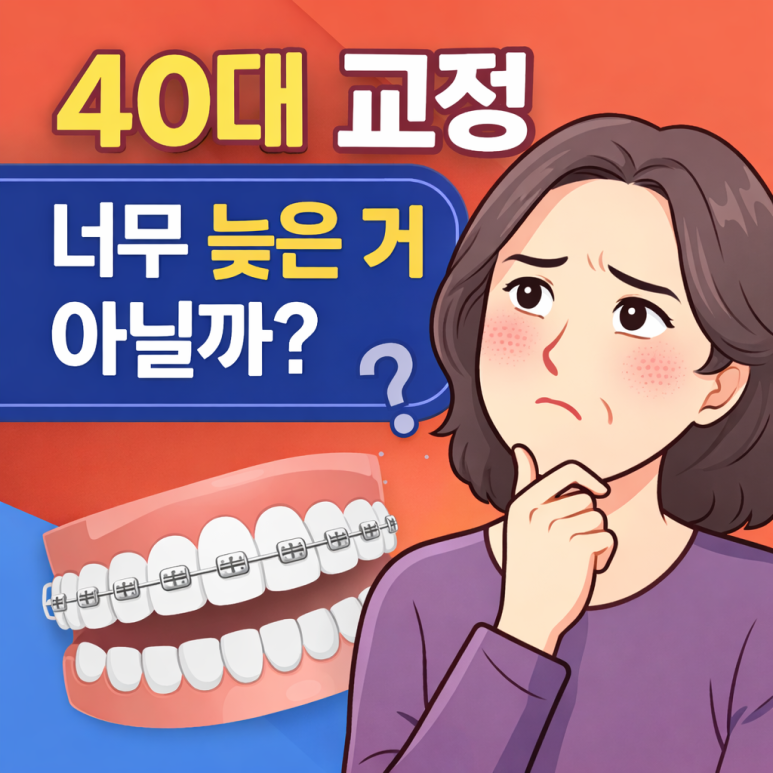
As we get older, we spend less time looking in the mirror. But when we suddenly take a selfie, take a photo with someone we know, or sit face-to-face and talk with someone, what often becomes more noticeable than expected is the alignment of our teeth and our smile line.
“My front teeth seem to be overlapping more and more.”
“My smile doesn’t look good in photos...”
“If I’m going to do it anyway, can’t I do clear aligners?”
And then the decisive question comes to mind.
“Isn’t it too late to start now?”
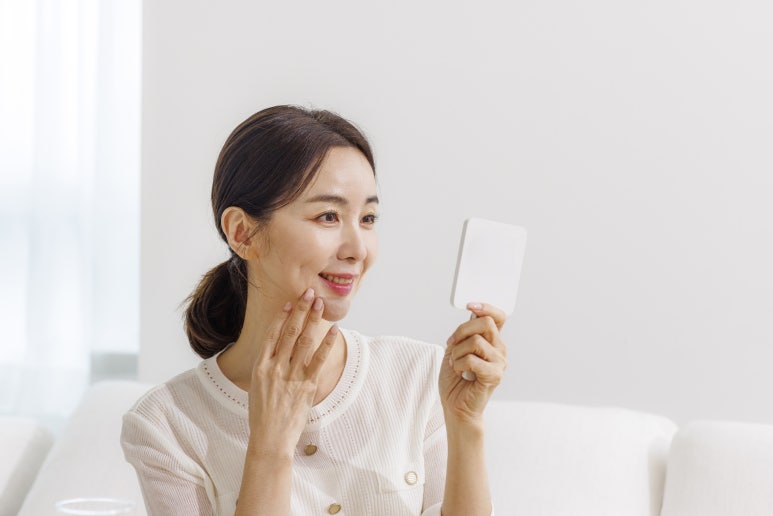
Especially after turning 40, people naturally hesitate, thinking, ‘Is it still meaningful to get orthodontic treatment now?’
Or, ‘Isn’t orthodontic treatment something for teenagers and people in their 20s?’
However, in dental clinics these days, the number of adult orthodontic patients, especially those in their 30s to 50s, is steadily increasing.
In fact, at Seongsu Station Dental Clinic, S Leader Dental Hospital, a variety of adults in their 40s—office workers, self-employed patients, and even parents visiting with their children—are receiving orthodontic consultations and starting treatment.
Today, at S Leader Dental Hospital near Seongsu Station, we will explain in detail whether orthodontic treatment after your 40s is really a late choice, and what changes you can expect if you start now.
✅ Teeth can 'move' regardless of age.
Teeth may seem fixed to hard bone, but in reality they are supported by the alveolar bone (jawbone around the gums) and an elastic tissue called the periodontal ligament.
Although the response speed of this tissue varies with age, it has the characteristic of producing a movement response when constant pressure is applied at any age.
In other words, tooth movement—the core of orthodontic treatment—is not impossible or inefficient just because you are older.
However, compared with teenagers, the density of the alveolar bone or the speed of bone remodeling may be slower, and there are often existing prosthetics or cavity treatments,
so more careful consideration is needed when planning treatment.
Rather, orthodontic treatment in your 40s should be seen as an opportunity to improve not only alignment but also overall bite and function. Well-designed adult orthodontics can greatly help not only with appearance but also with extending the life of your teeth.
[As you get older, orthodontics is more about 'function' than 'appearance.']
The reasons patients in their 40s decide to get orthodontic treatment are not limited to aesthetic concerns.
In fact, many people begin treatment in the dental clinic for reasons like the following.
✔️ When the front teeth gradually start overlapping
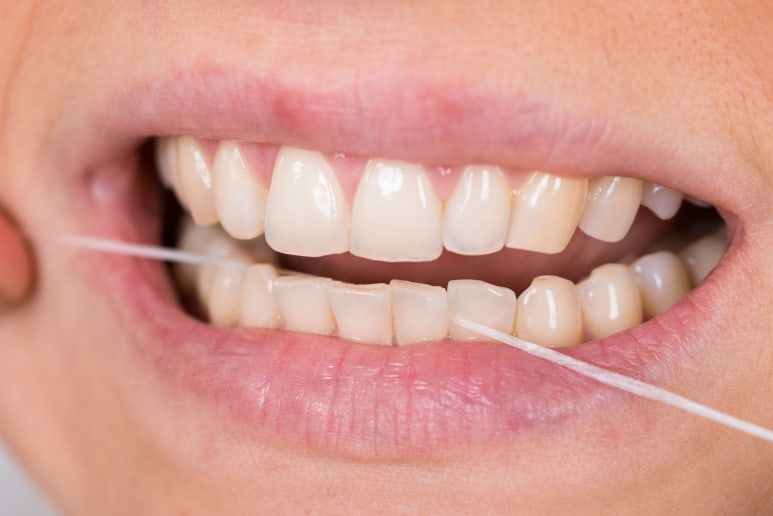
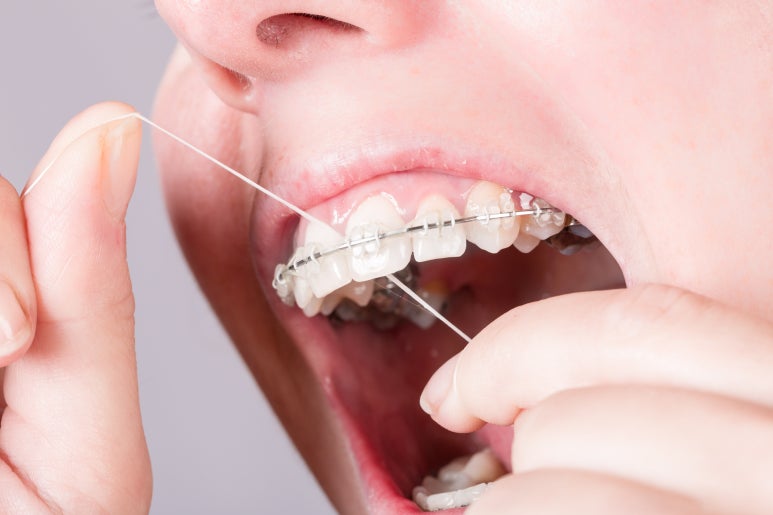
As the gums weaken and the dental arch collapses inward, teeth become twisted or overlap, and floss no longer fits between the teeth. In severe cases, teeth may push against each other, causing damage or fractures.
✔️ Food gets stuck frequently and brushing becomes difficult
Misaligned teeth trap food more easily and can cause gum inflammation and tartar buildup.
As a result, the risk of cavities and periodontal disease also increases.
✔️ Jaw joint pain and an uneven chewing habit
When the teeth are misaligned, people tend to chew on only one side, which can lead to jaw joint pain, migraines, and in severe cases even teeth grinding or clenching.
✔️ Bite adjustment is needed before existing prosthetics or implants
If a previous implant position feels uncomfortable, or if additional prosthetic work is needed in the future, aligning the foundation first through orthodontics can improve both the lifespan and comfort of the prosthetics.
[❗“Isn’t it too late now?” Correcting a common misconception]
❌ Misconception 1. I’m too old, so my teeth probably won’t move
→ Movement is possible. However, the speed needs to be adjusted.
Through professional diagnosis and adjustment of orthodontic force, healthy movement can be guided.
❌ Misconception 2. Orthodontic appliances are too visible
→ These days, almost invisible clear aligners (Invisalign, Clippy-C) are the mainstream choice.
If needed, lingual orthodontics (placed on the inside of the teeth) is also possible.
❌ Misconception 3. I think my teeth will become weaker during orthodontic treatment
→ In fact, continuously putting stress on teeth due to a poor bite is more harmful.
When the teeth are properly aligned, it helps prevent periodontal disease, distribute chewing force, and extend tooth life.
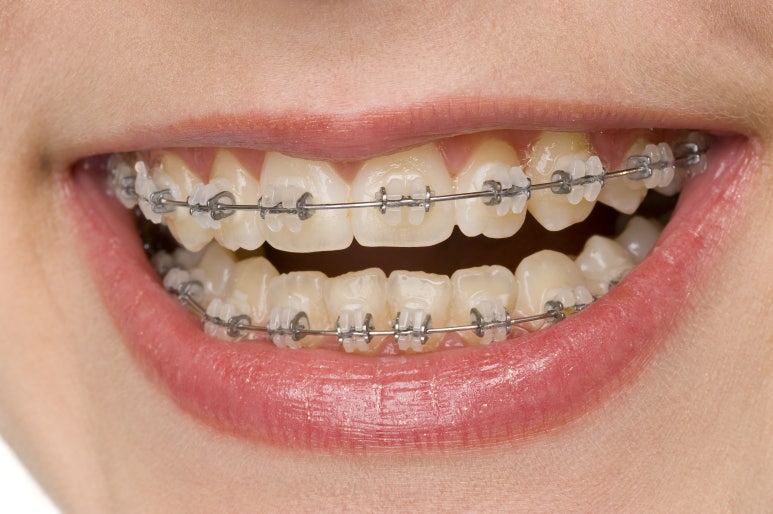
Changes you can expect if you start orthodontic treatment now
- Aesthetic changes
When the front teeth visible while smiling become aligned, your expression looks more natural and your confidence is restored.
Facial asymmetry is also often improved.
- Improved oral hygiene and health
Once the teeth are aligned, brushing becomes easier, and the risk of tartar and inflammation decreases.
- Improved jaw and chewing function
When the bite is corrected, symptoms such as jaw joint sounds, teeth grinding, and migraines may be reduced.
- Longer tooth lifespan
Excessive wear and fractures of existing teeth can be prevented, and it also creates a foundation for longer use of prosthetics and implants.
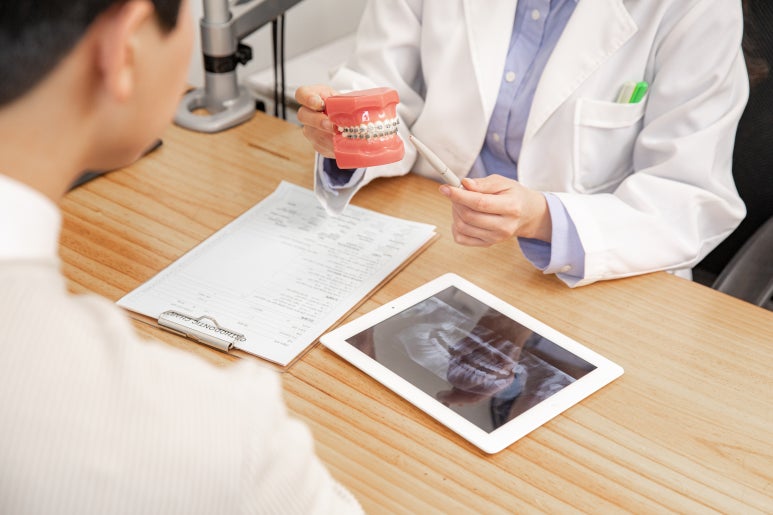
Treatment duration and appliance selection can also be adjusted flexibly.
Since many adult orthodontic patients are balancing work and family life, the treatment period and appliance selection should be designed with greater flexibility.
-
If full orthodontic treatment feels burdensome, partial orthodontics can be used to align only the front teeth
-
If the dental condition is good, non-extraction orthodontics can be done simply
-
Appliances can also be chosen according to lifestyle, such as clear, lingual, Clippy-C, or ceramic
In addition, regular visits can be scheduled every 4 to 6 weeks, so even busy office workers can manage treatment with a well-established system.
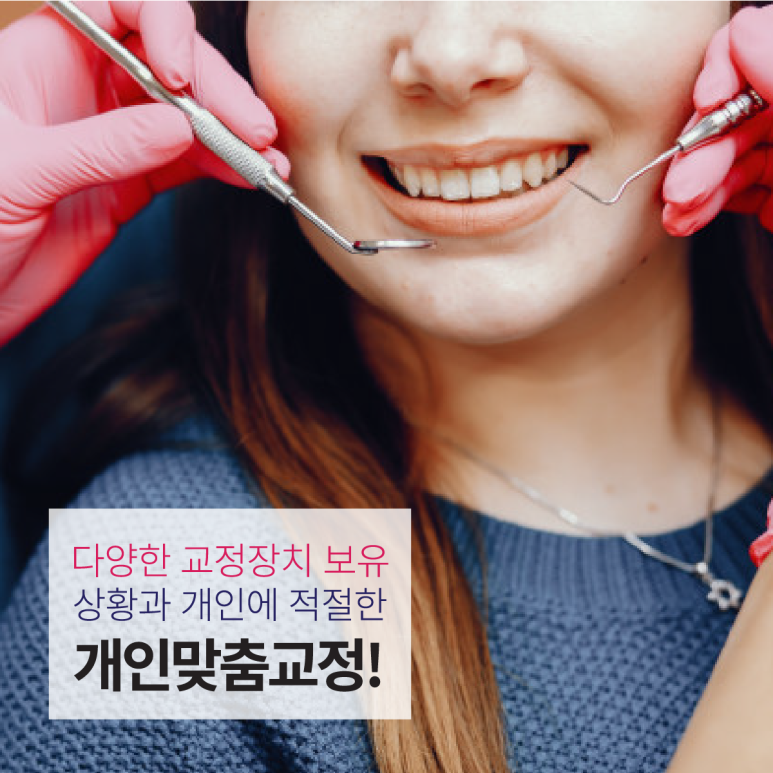
Seongsu Station Dental Clinic, in partnership with S Leader Dental Hospital
Customized orthodontics for your 40s, the fastest time to start is now.
Orthodontic treatment after your 40s requires a major decision on its own, and we understand that well.
In the midst of supporting your children, working, raising a family, and prioritizing your loved ones, hasn’t your own dental health been postponed as something for ‘later’?
But if the discomfort and dissatisfaction you feel now continue to build, and you live another 10 or 20 years in that condition...
Wouldn’t the regret only grow?
Orthodontic treatment is not simply about aligning teeth. It can also be seen as the most fundamental 'oral reset'—a way to correct the foundation of oral health and improve function, appearance, and hygiene at the same time.
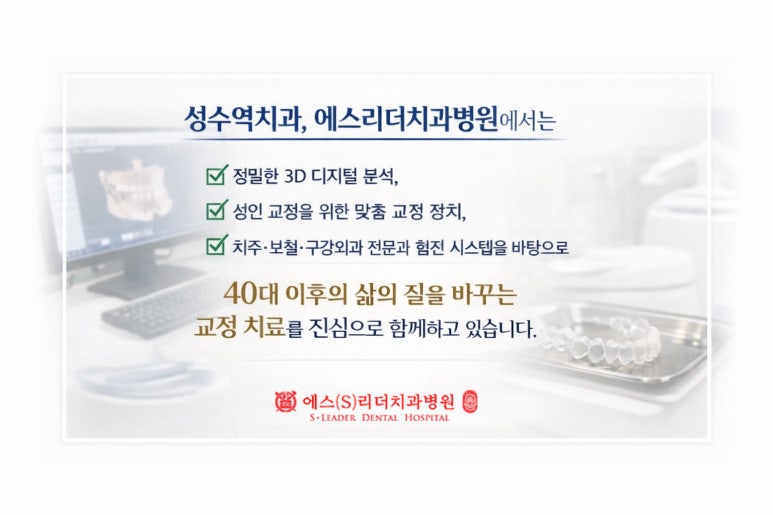
At Seongsu Station Dental Clinic, S Leader Dental Hospital,
✔️ based on precise 3D digital analysis,
✔️ customized orthodontic appliances for adult orthodontics,
✔️ and a collaborative system with periodontics, prosthodontics, and oral surgery specialists,
we sincerely work together on orthodontic treatment that changes the quality of life after your 40s.
For busy people in their 40s with many things to manage, adding orthodontic treatment may feel burdensome.
But if that choice
✔️ changes my smile,
✔️ helps maintain a healthy mouth for a long time,
✔️ and moves me one step closer to the direction of life I want,
wouldn’t it be fair to say it’s no longer too late?
If you are thinking, “Is it okay to start orthodontic treatment now?”, we hope you receive the most accurate and warm answer from S Leader Dental Hospital.

Seongsu Station Dental Clinic :: S Leader Dental Hospital