"I brush every day, so why do I still get tartar?"
Hello, this is Konkuk University area scaling, from S Leader Dental Hospital.

Have you ever used dental floss and brushed diligently, only to look in the mirror one day and find a yellow, hard deposit stuck between your gums and teeth?
Or have you started noticing that your gums keep bleeding when you brush, and that bad breath is becoming a concern?
If you are wondering about these things, it may be a sign that tartar is building up right now.
Especially in the back side of the molars and the gum area behind the front teeth, tartar can build up quickly if you let your guard down even a little, and if left untreated,
it can lead to the start of gum disease and, in severe cases, loose teeth and even tooth extraction.
Today, at Konkuk University area scaling, S Leader Dental Hospital will explain the signs that appear when tartar builds up, why regular scaling is important,
and what happens if you do not get scaling in an easy-to-understand, detailed way.
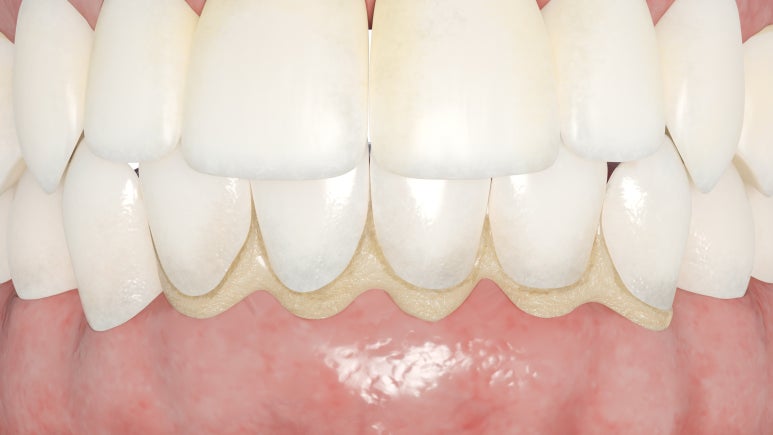
What is tartar, and why does it form?
Tartar is not simply hardened food debris.
Tartar refers to a hard deposit formed when dental plaque, a sticky bacterial film, combines with minerals such as calcium and hardens.
Even if you brush twice a day, or miss flossing for just three days, do not clean your tongue, or do not drink much water
→ countless bacteria are active in the mouth and plaque forms,
→ and if that plaque is not removed, it turns into hard tartar.
✅ Areas where tartar forms easily
-
The inside of the front teeth
-
The outside of the molars
-
Dark areas of the mouth that the tongue cannot reach
-
Around brackets and prosthetics
Once tartar forms, it cannot be removed with brushing or flossing,
→ it must be removed at a dental clinic through "scaling."
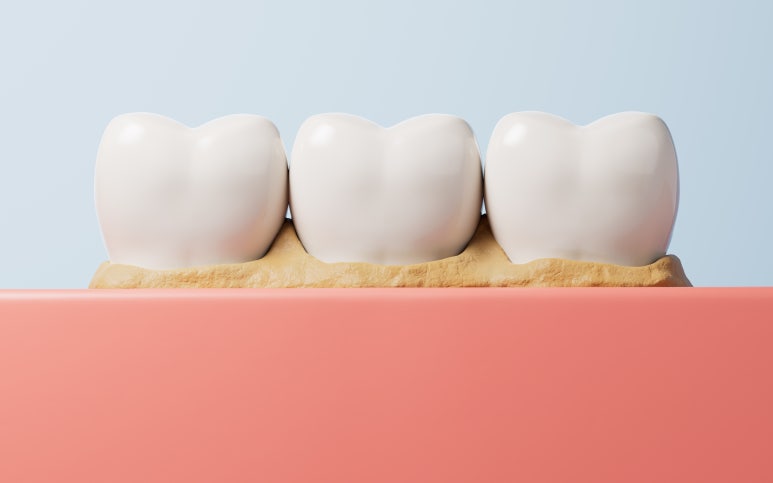
What are the 5 major signs that tartar has built up?
As tartar gradually accumulates, your mouth sends out warning signs in different places.
However, many people tend to dismiss these signs as simple fatigue or temporary changes.
⚠ 1. Your gums bleed when you brush.
This is the most common early symptom.
→ Bleeding during brushing is a sign that the gums are already reacting to inflammation.
⚠ 2. You keep getting bad breath.
Bacteria live in large numbers inside tartar, and the sulfur-related gases they produce by breaking down proteins (volatile sulfur compounds)
→ are a major cause of bad breath.
⚠ 3. Your gums are swollen and itchy.
Especially after eating, feeling as if the spaces between your teeth are itchy
→ is due to inflammation, swelling, and increased blood flow.
⚠ 4. It feels like there are gaps between your teeth.
When tartar works its way between the teeth and begins to push back and damage the gums
→ the teeth can feel slightly separated, and a sensitive feeling may occur.
⚠ 5. Your teeth feel sensitive or achy when exposed to cold water.
→ If the gums have receded and the tooth roots are exposed,
Tooth neck wear may progress and cause sensitivity.
📌 If two or more of the above symptoms apply to you, it is highly likely that it is time for scaling.
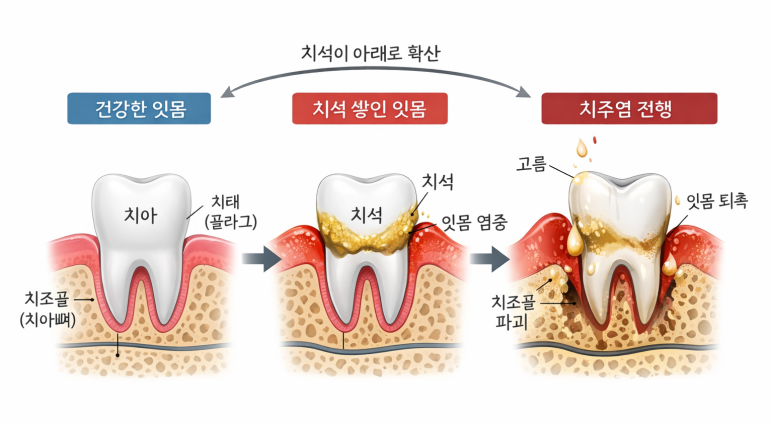
What problems can happen if tartar is left untreated?
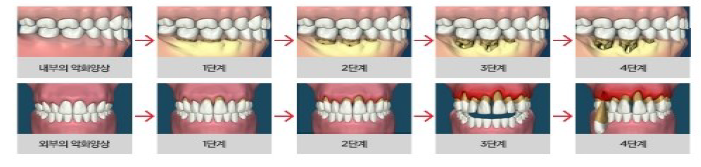
Tartar is not just "unsightly"; over time, it becomes the starting point of periodontitis, which damages the gums and bone.
❗ Gingivitis → periodontitis → alveolar bone destruction
When tartar digs below the gum line
→ the gums swell, bleed, and pain begins.
→ If this continues, the bone that supports the teeth (alveolar bone) gradually dissolves.
❗ Loose teeth, widened gaps between teeth
→ As the alveolar bone is destroyed, the teeth become gradually loose,
→ and in severe cases, natural teeth may need to be extracted.
❗ It can even ruin the results of orthodontic and prosthetic treatment
If tartar is not properly managed during orthodontic treatment, gum recession and black triangles can occur.
If tartar forms around prosthetics, the bond strength may weaken, and the prosthetics may come off.
In other words, tartar can create a chain reaction that undermines overall oral health.
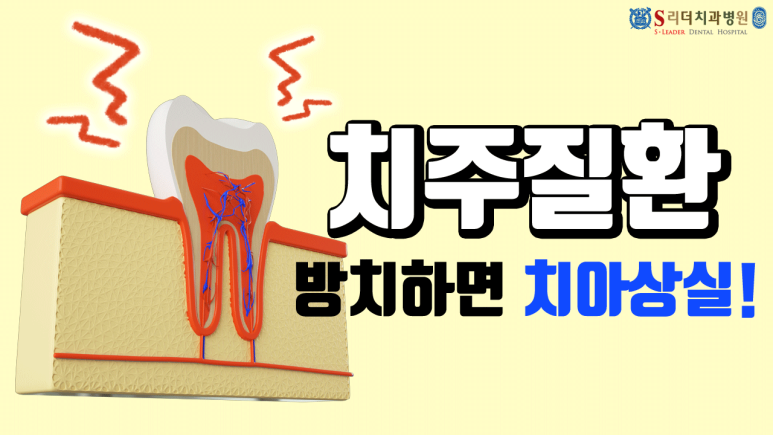
Scaling is not just a simple cleaning.
Konkuk University area scaling is more than just cleaning the tooth surfaces; it is one of the most effective treatments for keeping the connection structure between the teeth and gums healthy.
✅ Effects of scaling
-
Removes tartar
-
Reduces gum inflammation
-
Eases bad breath
-
Prevents periodontal disease
-
Helps prevent root exposure
-
Faster recovery after treatment
In particular, health insurance coverage is available once a year, and scaling is an approach closer to "prevention" than treatment,
→ making it an opportunity to detect and manage problems early.
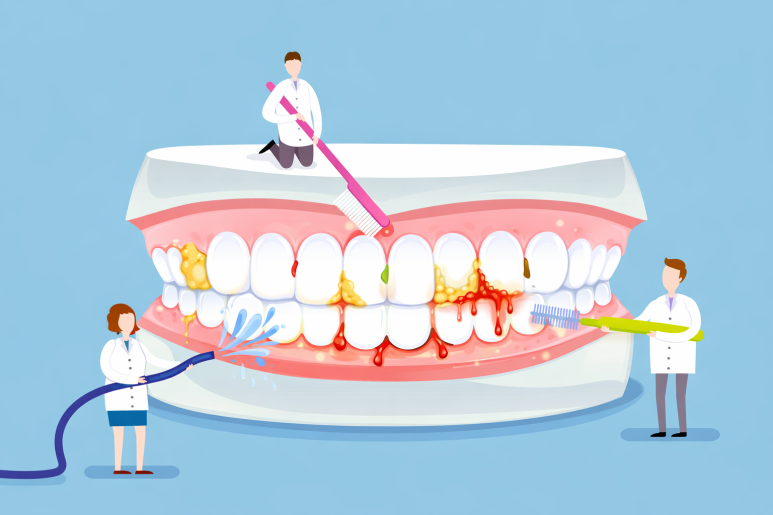
Here are some everyday tips to help prevent tartar.
Tartar can form in anyone, but with a little attention, it can be prevented.
🪥 1. Brush twice a day for at least 2 minutes
Especially be sure to brush before bed!
→ At night, saliva production decreases, so bacteria become more active.
🪥 2. Make a habit of using interdental brushes and floss
The spaces between teeth that a toothbrush cannot reach
→ should be cleaned daily with floss and interdental brushes.
🪥 3. Use a tongue cleaner and mouthwash
The coating on the tongue surface is also a cause of bacterial growth.
→ Try using a tongue cleaner together with alcohol-free mouthwash.
🪥 4. Regular scaling and checkups
→ Visiting the dentist every 6 months to 1 year for scaling and an oral examination is the most reliable way to prevent problems.

Konkuk University area scaling, as explained by S Leader Dental Hospital
The reason you should not overlook tartar
Tartar starts as a "small yellow buildup that is a little visible," but as time passes, it can become a silent enemy that threatens the health of your gums, bone, and teeth as a whole.
Rather than brushing it off,
✔️ listen to the signals your gums are sending now,
✔️ and preventing it now with scaling
is the surest way to reduce future treatment costs and pain.
At S Leader Dental Hospital, located near Konkuk University Station in Gwangjin-gu, Seoul,
✔️ scaling and gum care by periodontics specialists,
✔️ precise examinations for tartar buildup and gum disease,
✔️ regular checkup reminders and preventive programs
are provided, with scaling care focused not just on cleaning but on managing the overall health of the mouth.
"If your teeth feel a little sensitive, your gums itch, and they bleed," that may be the first warning from your gums.
Konkuk University area scaling, S Leader Dental Hospital, carefully manages even the smallest signs sent by tartar.


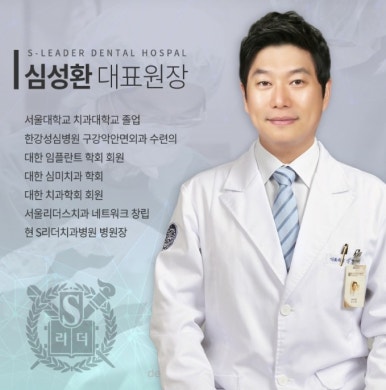



Konkuk University area scaling :: S (S) Leader Dental Hospital