Hello, this is Seoul Dental Recommendation, from S Leader Dental Hospital.

After successfully finishing orthodontic treatment and removing the braces, you may feel a brief sense of relief. But the moment you smile in the mirror, you might think, “My gums look strangely too exposed.”
“My teeth look longer, and the spaces between my front teeth look dark. It feels more awkward than before treatment.”
Many people have this kind of feeling.
In fact, while treating patients from the Jayang-dong area at S Leader Dental Hospital, we often see people whose bite has improved but who complain that after orthodontic treatment their “gums feel like they have receded,” or that “the spaces between the teeth look black.”
In most cases, this is due to gingival recession or the black triangle phenomenon, which can occur during orthodontic treatment or immediately afterward.
This is not just a visual concern. It can also lead to functional problems such as food getting stuck, sensitivity, and an increased risk of periodontitis, so it should not be taken lightly.
In this post, we will carefully explain why the gums appear to have receded after orthodontic treatment, when it is simply a natural adjustment period, when active treatment is needed, and what treatment options and preventive measures are available, along with real clinical cases.
 Why do the gums seem to recede after orthodontic treatment?
▪ The response of gum tissue to tooth movement
Orthodontic treatment is not just about moving the visible position of the teeth. It is a complex process involving three-dimensional movement, including the angle of the roots, their direction within the alveolar bone, and the gum structure around the teeth.
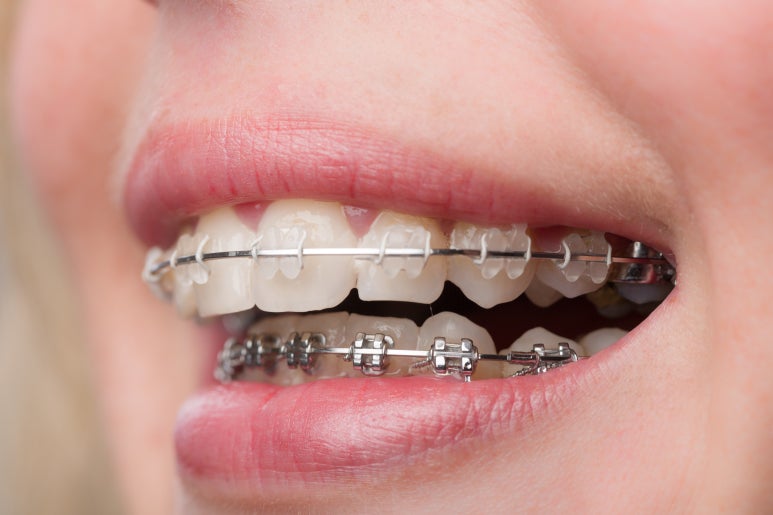
In particular, when teeth have been crowded or overlapping like a misaligned tooth, aligning them through orthodontic treatment can widen the spaces between teeth. The gum tissue that used to fill those spaces can no longer rise upward, making it look as if the gums have receded.
This often leads to a loss of the interdental papilla and can result in the black triangle phenomenon, where the spaces between teeth appear dark.
▪ When actual gingival recession has occurred
Another case is when gum health was already poor before treatment, or when oral hygiene was careless during treatment, or management was insufficient while inflammation or periodontitis was present.
In such cases, it is not simply a change in the gums. The gum tissue actually decreases, exposing the roots and potentially causing sensitivity, heightened nerve sensitivity, and even root caries.
Even small changes like these can affect the overall impression and disrupt the balance of the smile line, the line of teeth visible when smiling.
 Black triangles after orthodontic treatment are not just a cosmetic issue.
▪ What is a black triangle?
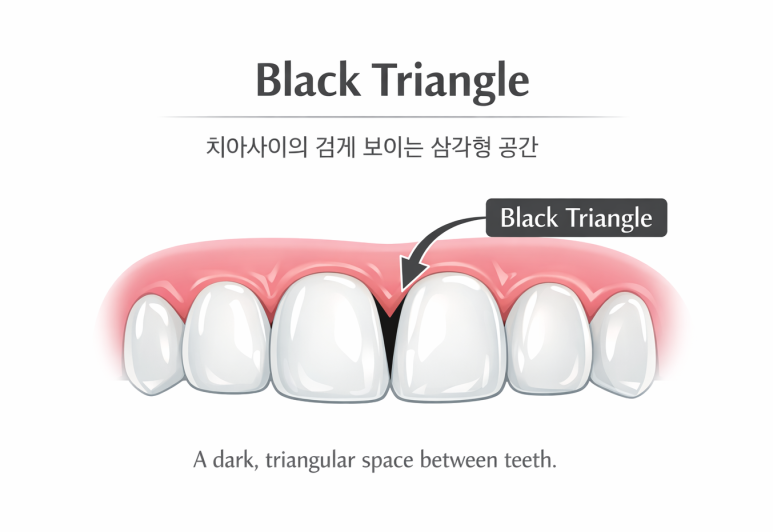
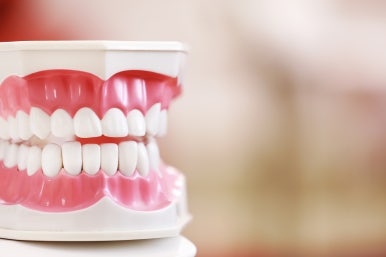
A black triangle is a phenomenon in which the space below the teeth remains empty, and the area that the gums do not fill appears dark in a triangular shape.
As the teeth become more neatly aligned, this space can stand out even more, and it is especially noticeable in the front teeth.
▪ It can cause problems not only with appearance, but also with function.
The dark shadow that stands out when smiling can reduce satisfaction with the orthodontic result, and the face may even appear older.
Food may get stuck between the teeth more often, increasing the possibility of periodontitis and leading to bad breath and bleeding.
The change in airflow may cause some vowel sounds to leak or sound awkward.
This is the typical effect of a black triangle: the teeth look better, yet the overall impression somehow looks worse.
 When is treatment needed, and when is it okay?
Gum changes after tooth movement are not always something that requires treatment.
In many cases, the tissue may simply be in an early re-adaptation period, and discomfort may lessen as it naturally recovers or adjusts.
However, if any of the following apply, it is a good idea to receive a specialist’s diagnosis and consider the necessary measures.
| Check item | Description |
|---|
| Exposed tooth roots | Roots are exposed by 2 mm or more and sensitivity occurs |
| Black triangle size | The space between front teeth is 2 mm or more and is noticeable when smiling |
| Speech issues | Repeated air leakage or a feeling of air escaping when speaking |
| Increased food impaction | Increased frequency of food getting stuck between teeth |
| Recurrent gum inflammation | Swelling, bleeding, or gum pain continues even after orthodontic treatment |
※ In particular, if black triangles are clearly visible in the front teeth area or discomfort persists, a treatment approach that considers not just cosmetic improvement but also functional recovery is needed.
How can it be solved? There are various options, from aesthetic restorations to gum surgery.
Fortunately, gingival recession and black triangle issues after orthodontic treatment can be improved with various customized treatment methods.
✅ ① Esthetic resin restoration
This method fills the space between the teeth with esthetic resin to cover the dark triangular area.
It can be done on the same day, is relatively affordable, and recovery is quick.
However, it may wear down or discolor, so regular checkups are necessary.
✅ ② Gum grafting and laser contouring
If the gums have receded too much, the gum line can be restored by grafting the patient’s own gum tissue or an artificial membrane, or the line can be softened through fine adjustment with a laser.
✅ ③ Periodontal care + supplementary orthodontic treatment
Mild black triangles can sometimes be encouraged to fill in naturally through adjustments to the retainer and stimulation of the gums.
If periodontitis has progressed after orthodontic treatment, combined treatment such as scaling and gingival curettage may be necessary.
Lifestyle habits for maintaining orthodontic results over the long term
At S Leader Dental Hospital, we think about both the moment teeth are moved and the smile after orthodontics is finished.
We believe orthodontic treatment is only truly “complete” when not only the alignment of the teeth, but also the gum line, smile line, and the oral environment that will remain stable over time are all carefully managed.
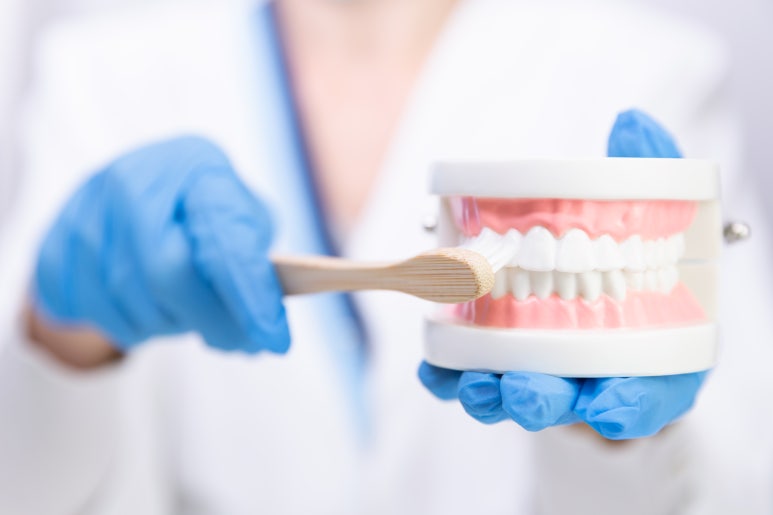
In particular, gum changes after orthodontic treatment are greatly affected by lifestyle habits. Smoking reduces gum blood flow and slows recovery, which can disrupt even a well-done orthodontic result.

That is why, at S Leader Dental Hospital, Seoul dental recommendation, we provide personalized smoking cessation counseling alongside orthodontic treatment to help create an environment where the teeth and gums can stay healthy for a long time.
If your teeth are straight but your impression when smiling or the condition of your gums still feels lacking, now may be the time to “finish” your orthodontic treatment.
At S Leader Dental Hospital in Jayang-dong, Gwangjin-gu, Seoul, experience the completion of orthodontic treatment that lets you smile confidently for a long time, with your teeth, gums, and smile all in harmony 😊
What S Leader Dental Hospital considers the “completion of orthodontics”
Orthodontic treatment is not simply a treatment that changes alignment.
It is the overall design of a person’s impression, connecting every element: the way they look when smiling, the harmony between the lips and teeth, and even the gums and smile line.
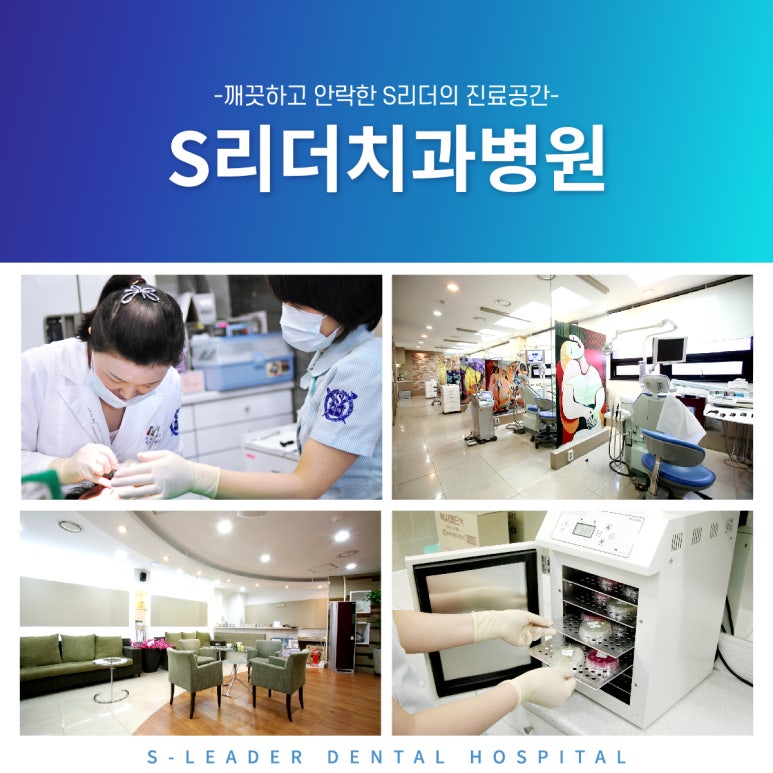
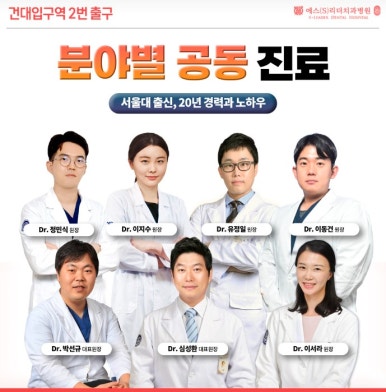
Located in Jayang-dong, Gwangjin-gu, Seoul, S Leader Dental Hospital, Seoul dental recommendation, uses a collaborative system involving orthodontics specialists and periodontic specialists to closely check changes in the gums after orthodontic treatment. We go one step further than simple alignment and aim for orthodontic care that completes both the gums and smile line.
If you are thinking, “My teeth are straight, but my gums have receded,” or “Something looks more awkward when I smile,” that may be a sign that your orthodontic treatment is not yet complete.
At S Leader Dental Hospital, Seoul dental recommendation, we hope you can complete both your teeth and gums into a smile you are fully satisfied with.

 Seoul Dental Recommendation:: S (S) Leader Dental Hospital