Hello, this is S Leader Dental Hospital, a Sangbong-dong dental clinic.
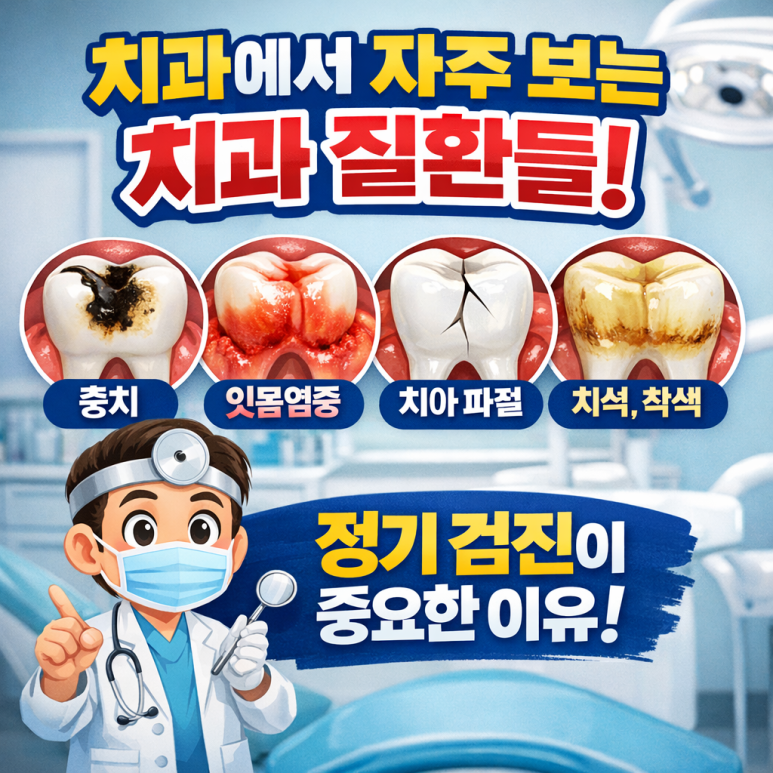
“Do I really need to go if it doesn’t hurt?”
This is often the first thought many people have when they think about the dentist.
In fact, if there is no major inconvenience in daily life, a dental visit is often pushed to the back of a busy schedule.
However, dental diseases are a little different.
Most problems do not start with pain. Instead, they progress slowly without noticeable symptoms.
By the time pain is felt, it is not uncommon for the treatment scope to have grown or for the condition to have progressed to a stage that requires time to recover.
That is why dentists often say, “If you had come just a little earlier, the treatment could have been much simpler.” Today, based on situations we often encounter in actual practice at S Leader Dental Hospital, a Sangbong-dong dental clinic, we will talk about common dental diseases that are easy to miss and why regular checkups and care are important.
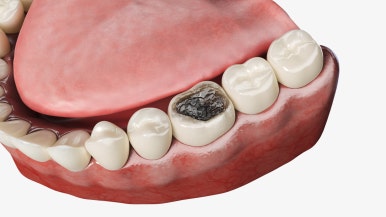

Cavities, the most common problem, but also the most often found too late
Cavities are a condition many people experience, but they are also easy to let slip by. Sugar in food meets bacteria in the mouth to create acid, and this acid gradually weakens the surface of the tooth, which is how cavities begin.
The problem is that this process progresses quite slowly and quietly. Early cavities cause almost no pain, and they are not very noticeable on the outside, so it is hard to recognize them on your own. That is why, if you go through life without regular checkups, you may end up visiting the dentist only after
feeling sensitivity to cold food or discomfort while chewing.
Cavities that have already reached the nerve are difficult to treat with a simple procedure and may require root canal treatment and prosthetic treatment.
On the other hand, if they are found at a very early stage through regular checkups, they can often be managed with only a short treatment. This difference is the key to cavity prevention.
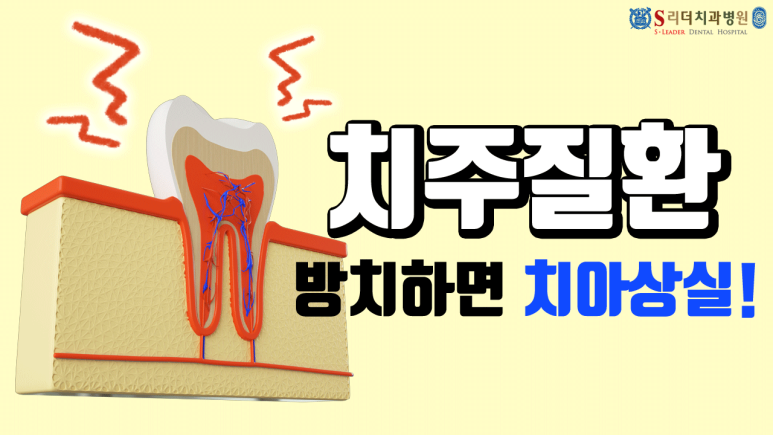
Periodontitis, which starts in the gums, eventually threatens the teeth.
Gum disease progresses even more quietly than cavities. It often starts with slightly swollen gums or bleeding when brushing, so most people easily dismiss it, thinking, “I guess I’m just tired.”
But periodontitis is not a problem limited only to the gums. As the inflammation progresses below the gums, it affects the bone that supports the teeth, eventually causing the teeth to loosen or fall out. In fact, periodontitis is one of the major causes of adult tooth loss.
What makes it frightening is that there is often little pain until periodontitis has progressed significantly. So by the time the symptoms become obvious,
it is often already at a stage where recovery is difficult. This is why regular scaling and gum checkups are so important.
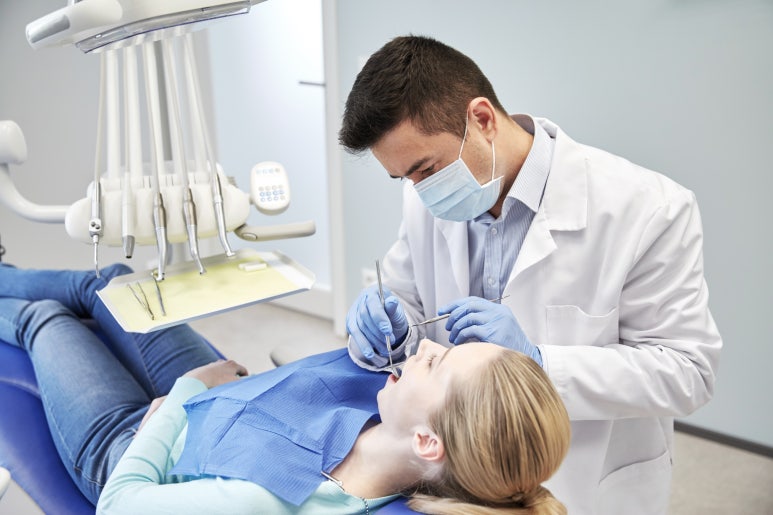
Scaling is not optional; it is the foundation of oral care.
The most common reason people delay scaling is, “I’m not uncomfortable right now.” But tartar keeps accumulating regardless of discomfort. Tartar that cannot be removed by brushing is a direct cause of gum inflammation, and over time it settles deeper below the gums.
Even if the outside looks clean, there are surprisingly many cases where tartar has built up inside the gums. If this continues for a long
time, the gums gradually weaken, and the risk of developing periodontitis also increases.
Just getting scaling regularly can make a big difference in gum health. Because it is more preventive care than treatment, not putting it off is the wisest choice.
Root canal treatment does not suddenly become necessary one day
Many people who undergo root canal treatment say, “It was a little uncomfortable, but I kept putting up with it.” Before cavities reach the nerve, they often appear as mild sensitivity or discomfort.
But once decay reaches the nerve, it does not recover on its own. At this stage, treatment is needed to clean and disinfect the inside of the tooth, and multiple visits may be required. After that, prosthetic treatment to protect the tooth is often
necessary as well.
In the end, root canal treatment can be seen as the result not so much of the cavity itself, but of the time during which the cavity was left untreated.
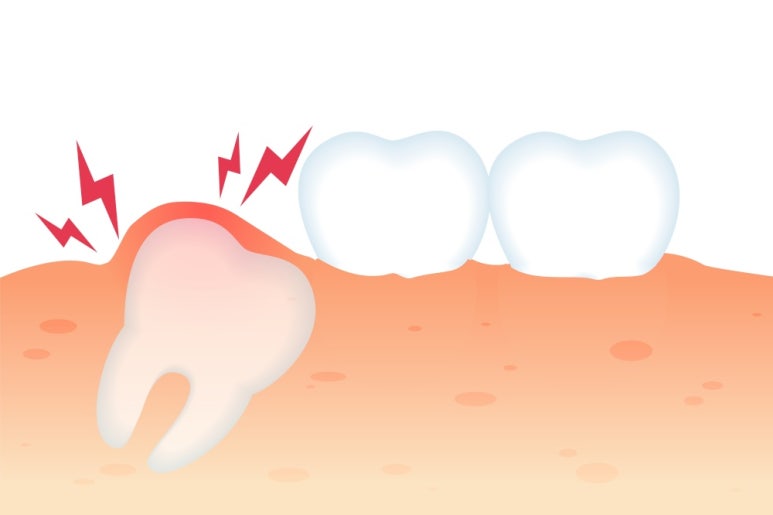
Wisdom teeth are not only a problem when they hurt.
Depending on their position and direction, wisdom teeth can cause various problems. Even if they do not look like a major issue on the surface, food often gets trapped, and they frequently cause repeated gum inflammation because they are difficult to clean.
In particular, wisdom teeth that may push the front teeth or interfere with orthodontic treatment should be assessed early. Rather than simply leaving them alone because they do not hurt, it is necessary to examine both the current condition and the possibility of future problems through a detailed evaluation.
Preventive care, the direction of S Leader Dental Hospital
Located near Konkuk University Station in Gwangjin-gu, Seoul, S Leader Dental Hospital, a Sangbong-dong dental clinic, sees dental treatment not as something you do once and are done with, but as a process of maintaining oral health over the long term.
Through a collaborative system across multiple departments and digital equipment, we provide care that considers not only current problems but also risks that may arise in the future.

In addition, smoking is one of the main factors that worsens gum health and lowers the success rate of implants and prosthetic treatments. That is why S Leader Dental Hospital, a Sangbong-dong dental clinic, also runs a smoking cessation counseling program alongside dental treatment to help maintain treatment results
for a longer time.
The dentist is not a place you go when you are in pain, but a place that helps keep you from getting there.
Regular care is ultimately the path to achieving the best results with the least treatment. 😊



Sangbong-dong Dental Clinic :: S Leader Dental Hospital