A complete summary of the selection criteria for clear aligners, brackets, lingual braces, and partial orthodontics
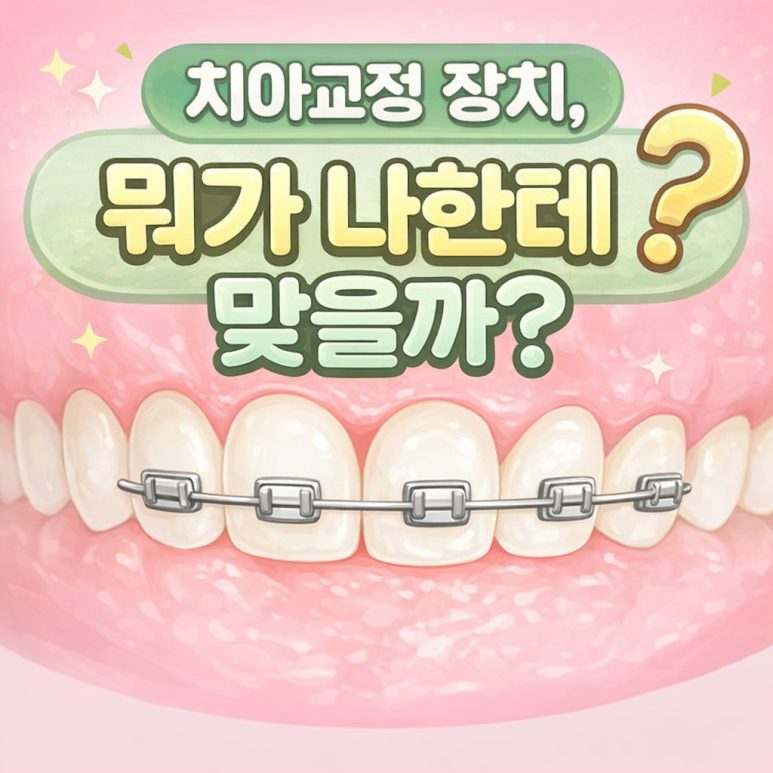
Hello from Sanggye-dong Dental Clinic, S Leader Dental Hospital.
When you decide to get orthodontic treatment and start searching, the first thing that comes up is excitement. That’s because you often see comments like, “Braces make your teeth straight,” or “Your impression changes.” But if you look a little further, the options become so numerous that it’s easy to put off making a decision.
Clear aligners are said to be less noticeable, and bracket braces are said to be the most common. Lingual braces are said to be almost invisible from the outside, and partial orthodontics may finish more quickly. The problem is that, along with the advantages, the disadvantages also become apparent. Before long, you end up returning to this question.
“So, which appliance is right for me?”
Today, from Sanggye-dong Dental Clinic, S Leader Dental Hospital, we’ll take a step-by-step look at how to set selection criteria based on your dental condition, lifestyle, and priorities, rather than concluding that one appliance is simply “better,” for those considering different orthodontic appliances such as clear aligners, bracket braces, lingual braces, and partial orthodontics.
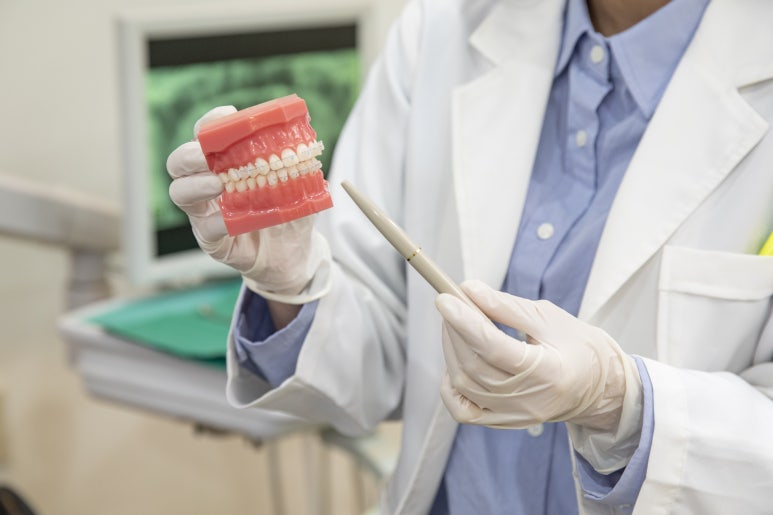
Three things to decide before choosing an appliance
Before comparing appliances, it’s a good idea to first set your criteria. Without criteria, it’s easy to be swayed only by what sounds “good.”
① First decide how far you want to go with treatment
Orthodontic goals differ from person to person. Some people want to straighten only the visible front tooth line when they smile, while others need bite adjustment because of chewing discomfort or jaw fatigue.
Even if the teeth look straight on the surface, satisfaction can be low if the bite feels uncomfortable. So rather than focusing only on “looking nice,” it’s better to think first about whether you want a state where you can chew and speak comfortably in daily life as well.
② Check your daily routine realistically
An orthodontic appliance often affects the outcome more based on whether it can be maintained than on whether it is “possible.” That’s because discomfort and management difficulty vary depending on whether you have a lot of face-to-face work, whether your job involves a lot of speaking, whether you eat out or snack often, or whether you enjoy exercising.
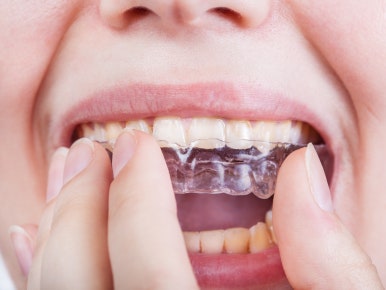
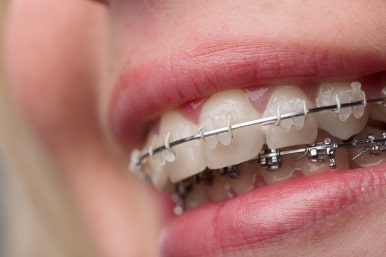
For example, clear aligners are relatively aesthetic, but if you need to remove them frequently because you eat meals or drink coffee often, your wearing time may become insufficient. On the other hand, bracket braces stay attached throughout treatment, so you don’t need to worry about wearing time, but food trapping and brushing routines become more important. In the end, what matters is not the appliance that looks good, but the one that fits your lifestyle.
③ Set one priority
Most people want a method that is less noticeable, takes less time, is easier to manage, and is less costly. But in reality, it is difficult to satisfy all of these conditions at once. So to make the choice easier, it helps to set one priority.
-
Is being less noticeable the top priority?
-
Is treatment time the top priority?
-
Is ease of management the top priority?
-
Is reducing cost the top priority?
Even deciding just one of these first makes the criteria much clearer when comparing appliances.
What orthodontic appliances are there? Here’s a simple summary of four types.
Before getting into the detailed criteria, it’s easier to understand if we summarize each appliance in one sentence.
Clear aligners: less noticeable, but wearing time is key.
Bracket braces (outside braces): broad applicability and precise adjustments, but the management routine is important.
Lingual braces (inside braces): almost invisible from the outside, but adaptation and management may be more difficult.
Partial orthodontics: may progress quickly, but the applicable range is limited.
From here on, we’ll organize things not by listing pros and cons, but by identifying the conditions under which each option fits well.
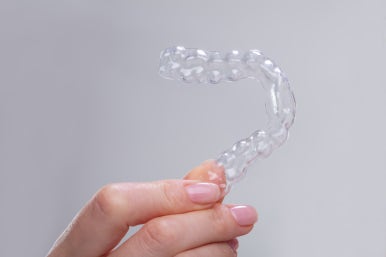
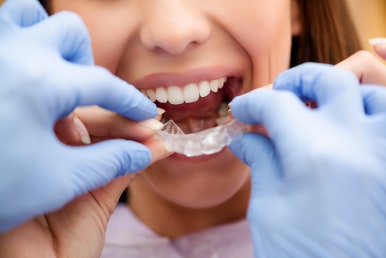
Clear aligner selection criteria: cases where they fit well and cases that need caution
Clear aligners attract a lot of interest because they are aesthetically pleasing. However, due to the nature of the appliance, user cooperation is strongly reflected in the result.
Cases where clear aligners fit well
-
When face-to-face work is frequent and appliance visibility is stressful
-
From relatively mild alignment issues to a moderate range (depending on the individual case)
-
When you are thorough with brushing and management and have a set routine
-
Most importantly, when you can consistently maintain the required wearing time
Clear aligners are better understood as an appliance that does not “automatically” work just by putting them in, but rather as one that progresses as planned when worn consistently for the prescribed amount of time.
Situations where progress with clear aligners can become slower
-
When meals, snacks, and coffee are frequent, reducing wearing time
-
When a busy schedule delays appliance changes or checkups
-
When “just for today is fine” keeps happening repeatedly
This does not mean clear aligners are a bad choice. However, if your lifestyle does not match the treatment, progress may slow down, so it’s a good idea to honestly assess your habits before starting.
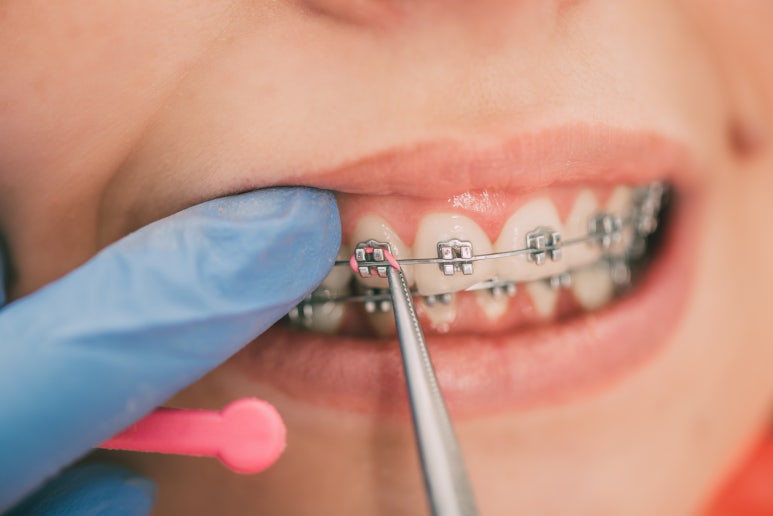
Bracket brace selection criteria: broad applicability and stable adjustments.
Bracket braces are one of the most common orthodontic methods. The reason is that they apply to a wide range of cases and are advantageous for stable control of tooth movement.
Cases where bracket braces fit well
-
When not only alignment but also bite adjustment is needed
-
When the amount of tooth movement is large or the adjustments are complex
-
When managing wearing time feels burdensome
-
When a method with regular adjustments feels more comfortable
Metal vs. ceramic: how to approach it
Ceramic is sometimes preferred because it is less noticeable, but the perceived experience can vary depending on lifestyle and management habits. Metal may be more visible, but many people feel it is structurally stable and easier to manage.
The important thing is not to choose the “better material,” but to choose the method that causes you less stress.
The most important thing with bracket braces is the management routine
The reason people feel bracket braces are difficult often starts not with the appliance itself, but with daily inconveniences such as food trapping and the hassle of brushing. However, rather than making management overly complicated, setting a routine that you can realistically keep reduces the burden. For example, just paying attention to interdental care at night can make a difference.
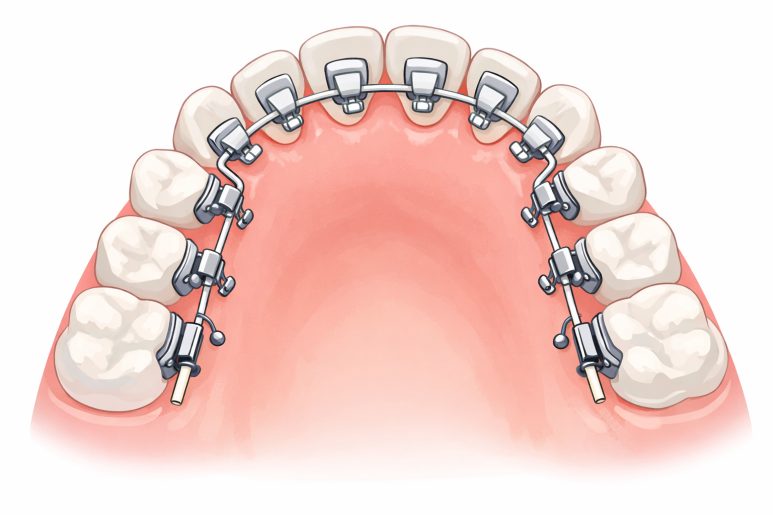
Lingual brace selection criteria: less visible, but adaptation is needed.
Lingual braces are attached to the inside of the teeth, so they are almost invisible from the outside. That’s why many people seek them out to reduce aesthetic concerns. However, because of their position, adaptation and management may require more effort.
When lingual braces are appealing
-
When appliance visibility is a major stress factor because of your job
-
When aesthetics are the priority due to important events such as photo shoots or performances
-
When you clearly want orthodontic treatment but don’t want visible braces
Things worth knowing before starting
At the beginning, speech may feel awkward or the tongue may feel uncomfortable contacting the appliance. Management can also be more difficult, so during consultation it is a good idea to check whether the process of adaptation and the care instructions are explained thoroughly.
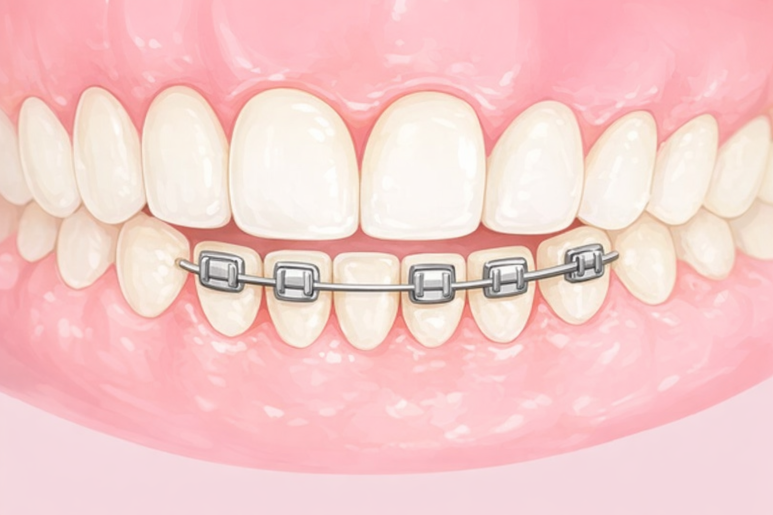
Partial orthodontic selection criteria: the key is to define the applicable range precisely.
Because partial orthodontics often raises expectations like “just straighten the front teeth a little,” there are also many misunderstandings. Partial orthodontics is not a method that applies to everyone; it has a clearly defined range of cases where it can be used.
Cases where partial orthodontics fits well
Slight misalignment of the front teeth
Small gaps, mild asymmetry
When the goal is to “tidy up the front tooth line”
Cases where partial orthodontics alone is difficult
If the bite itself is uncomfortable, a large amount of movement is needed, or the balance of the entire dentition must be changed, partial orthodontics alone may not solve the problem. For cases beyond its range, forcing it can lead to unstable results and may require additional treatment later. Partial orthodontics can be “fast and efficient” when possible, but if it goes beyond the applicable range, it can become a disadvantage.
Frequently asked questions from patients Q&A
Q1. Is orthodontic treatment very painful?
Right after an appliance is first attached or adjusted, you may feel soreness. However, most people adapt within a few days.
Q2. Why does the treatment period differ from person to person?
It can vary depending on the amount of tooth movement, whether bite adjustment is needed, gum condition, and management habits.
Q3. Is tooth decay or gum trouble okay during treatment?
Having an appliance can make management more difficult, so a routine is important. However, with consistent care, prevention is certainly possible.
Q4. Is tooth extraction always necessary?
Whether extraction is needed depends less on the type of appliance and more on how much space is required and what the goal is. During consultation, it’s a good idea to check your goals and plan together.
Q5. Why are retainers important?
After orthodontic treatment, teeth have a tendency to return to their original position, so retainers help reduce relapse.
The right appliance for me is decided by
"dental condition + lifestyle + priority."
Statements like clear aligners are good, bracket braces are reliable, or lingual braces are the least visible are partly true. But they do not apply to everyone as-is. In the end, choosing an appliance is helped by looking at these three things together.
-
Dental condition (movement range, bite, space)
-
Lifestyle (whether wearing time is possible, management routine, face-to-face work)
-
Priority (visibility, treatment time, management, cost)
Therefore, when starting orthodontic treatment, it is more stable not to decide on the appliance first, but to first organize the options possible for your condition and then choose the method that is most realistically sustainable within them.
At Sanggye-dong Dental Clinic, S Leader Dental Hospital, orthodontic consultations do not begin by recommending a specific appliance first. Instead, we guide patients by organizing options while considering both dental condition and lifestyle. If you are thinking about orthodontic treatment, rather than searching alone for a long time, it may also help to first check what options are possible for your current condition.



Sanggye-dong Dental Clinic :: S Leader Dental Hospital