Hello, this is S Leader Dental Hospital, a Haengdang-dong dental clinic.
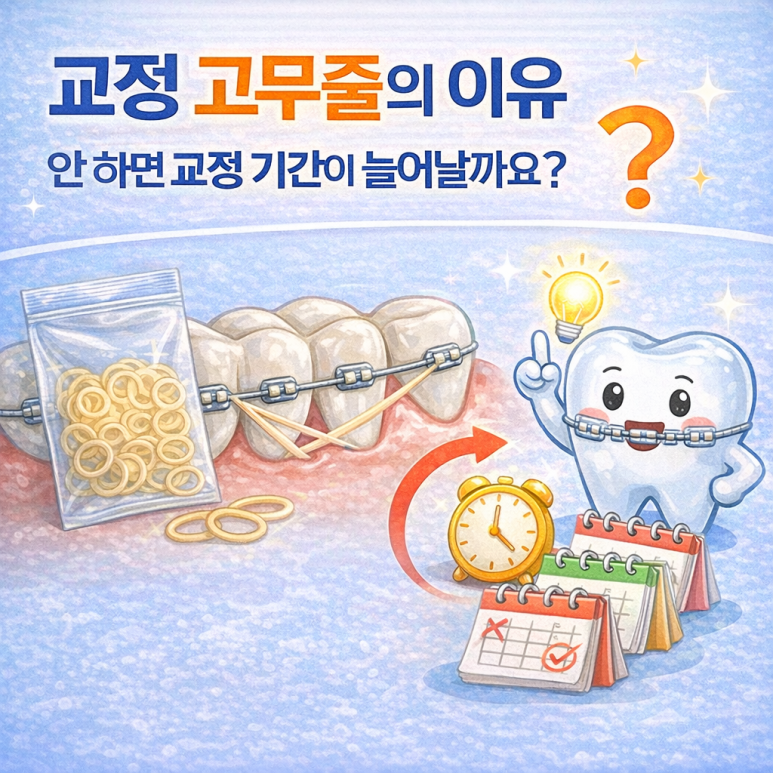
Even if they are bothersome and uncomfortable, there is a reason elastics are needed at “this stage.”
Once you have started orthodontic treatment and become somewhat used to it, many people think, “It should be easier now.” But around that time, the clinic often gives you elastics and says:
“You need to wear these elastics from now on.”
The reaction at that moment is usually similar.
“Oh… why do I have to do this?”
“What happens if I forget to wear them?”
“Will the treatment period really get longer if I don’t?”
“Does it hurt?”
Honestly, elastics are inconvenient. You have to take them out when eating, put them back in, they sometimes snap, and you can even lose them outside. During the first few days, the pulling sensation can feel quite strong and uncomfortable.
But elastics are not an “extra option.” Depending on the case, they are an important device that can affect the quality and duration of orthodontic treatment. Once you understand why they are used, what they do, and how to make them less difficult to wear, your anxiety drops a lot.
Today, at S Leader Dental Hospital in Haengdang-dong, we will organize everything at once: why elastics are needed, what they do, when to wear them until when, why treatment may take longer if you don’t wear them, common mistakes and how to wear them properly, tips to reduce pain and discomfort, and signs that you should contact the clinic.
First, remember just this and it gets easier.
Elastics are important more for completing the bite (occlusion) than for simply “straightening teeth.”
If you think of orthodontic treatment only as “lining up the teeth,” elastics may feel like an unnecessary extra assignment. But the goal of orthodontics is not just to place the teeth neatly. The important part is completing the process so that the upper and lower teeth fit together properly and chewing becomes more comfortable, that is, completing the bite (occlusion).
Wires and brackets are strong for aligning teeth. However, when it comes to pulling the relationship between the upper and lower teeth in a specific direction or holding one side more firmly, elastics are often more efficient. That is why elastics usually appear after treatment has progressed to some extent, during the finishing bite stage.
And the placement of elastics differs from person to person. This is not because each clinic does things differently, but because each person needs a different kind of change. Some people need to adjust the front tooth bite, some need to balance the back teeth, and some may need more pull on just one side.
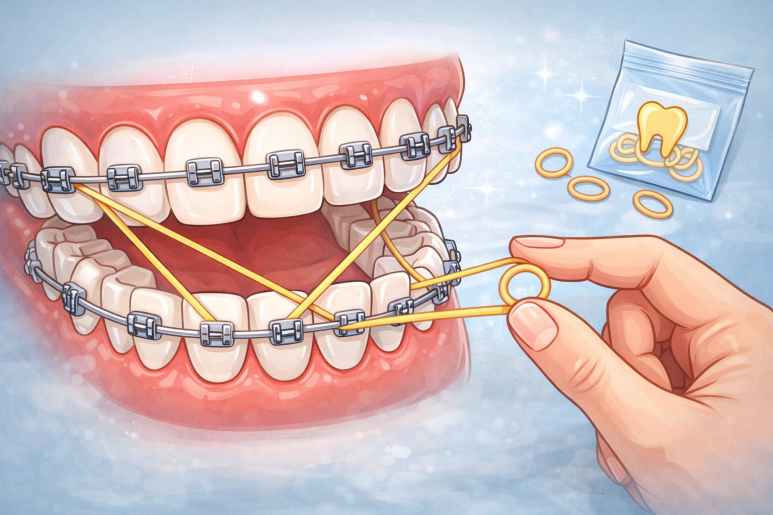
What do elastics do? What changes are they actually used for?
Elastics are small, but their role is clear. In orthodontic treatment, they are usually used for these purposes.
① They adjust how the upper and lower teeth fit together
For example, if the way the upper and lower teeth bite together is off, chewing may feel uncomfortable even if the teeth look aligned. Elastics can help adjust this “upper-lower relationship.”
② They help balance a bite where only one side contacts properly
If one side of the molars touches first, or if one side feels easier to chew on, you may need a balancing process during the middle or later stages of treatment. Elastics can play a role here.
③ They are used to pull certain teeth more or stabilize their position
Sometimes one tooth needs to move a little more, and another needs to settle into place. Elastics are useful for applying force in the “needed direction.” That is why they often appear in the fine-tuning stage near the end of orthodontic treatment.
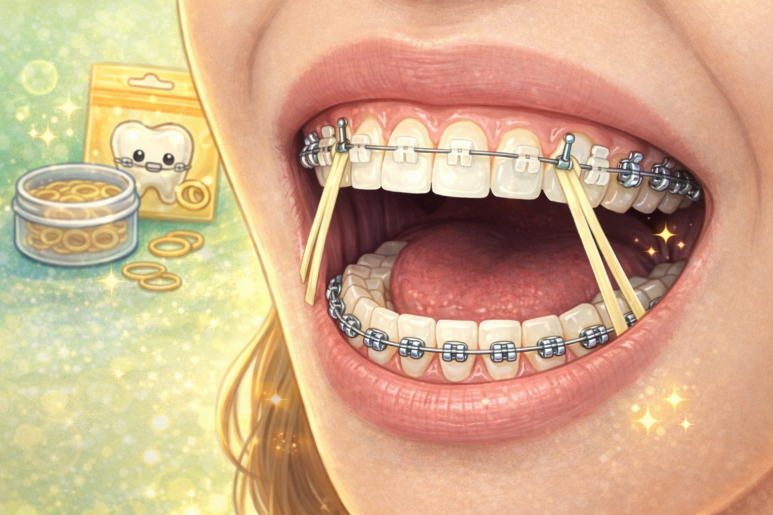
When do you need to wear elastics, and for how long?
Elastics usually do not start at the very beginning of orthodontic treatment. They are often started after the alignment has been somewhat organized. Of course, this varies by case, but the general flow is like this.
Start time: when moving into the bite adjustment stage
Once the teeth are aligned to some extent, the next step is to further adjust the upper-lower relationship. This is when elastics are often started.
Most difficult period: the first 1–3 days
When you first wear elastics, the pulling sensation can feel strong. In addition to the feeling of the teeth being pulled, the muscles around the jaw may also feel tired. This can feel stronger, especially for people who usually clench their teeth or who have a habit of chewing on only one side.
However, this discomfort is usually strongest in the first few days and then becomes more tolerable as you get used to it, rather than lasting continuously.
Adjustment period: 1–2 weeks
For most people, after 1–2 weeks, it starts to feel more familiar. Putting them on becomes easier, and the pulling sensation does not feel as strong as it did at first. At this point, what matters is not to wear them less just because you are getting used to them, because progress can slow down again.
After adjustment: soreness may return for 1–2 days
When the wire is adjusted during regular visits, or when the location/strength of the elastics changes, discomfort may return for a few days. However, it is relatively uncommon for this to last as long as it did at the beginning, and it usually passes more quickly.
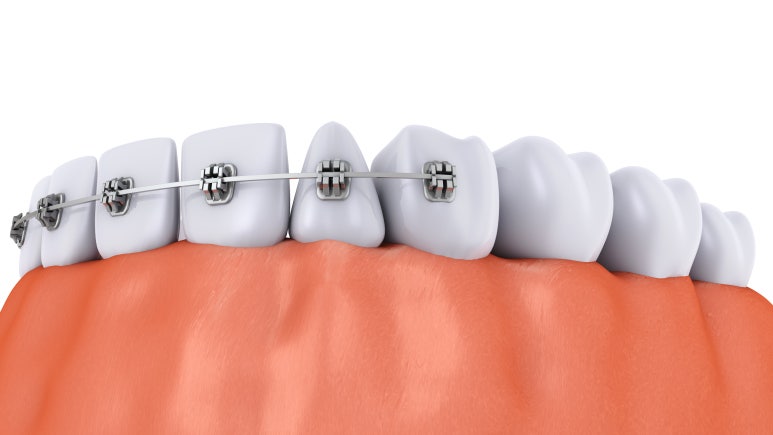
Will treatment take longer if you don’t wear them? (The question everyone wants answered)
To answer first: yes, it can.
However, not everyone experiences the same amount of delay. It can vary depending on why elastics are needed in the first place. Still, being prescribed elastics usually means that there is a force needed at that stage, so if you do not wear them, reaching the treatment goal may take longer.
Why it can take longer is surprisingly simple
Elastics create the “directional force” needed at a certain stage. If that force is insufficient, tooth movement slows down or stops.
In particular, elastics are not something that works by wearing them “just a little.” They tend to work best when a consistent force is maintained steadily. So if wearing them is irregular, the teeth may repeatedly “start to move and then stop,” which lowers efficiency.
Three common real-life scenarios
① Not wearing them at all
The bite needs to be corrected before moving to the finishing stage, but if that stage does not progress, it may feel like the treatment is never ending.
The teeth may look nice, but the bite may remain somewhat unresolved.
② Wearing them only occasionally (weekends only, at night only, only when you remember)
This is the most common situation. You may think, “I am still wearing them, though?” But if you do not meet the planned wear time, progress can be slow. Then, at each visit, you may keep hearing, “Please wear your elastics more consistently.”
③ Wearing them on only one side or in the wrong position
This goes beyond simply extending the treatment period. The direction can be off, which may create time needed to correct the mistake. So if you are confused about the placement, it is much more efficient to take a photo or check again rather than just guessing.
One thing is clear
Being prescribed elastics usually means that this stage is necessary in the orthodontic plan.
In other words, the more you skip them because they are bothersome, the greater the chance they will affect treatment time and results. In the end, the most realistic choice is not to “tough it out for a short time,” but to build a routine and wear them steadily with less stress.
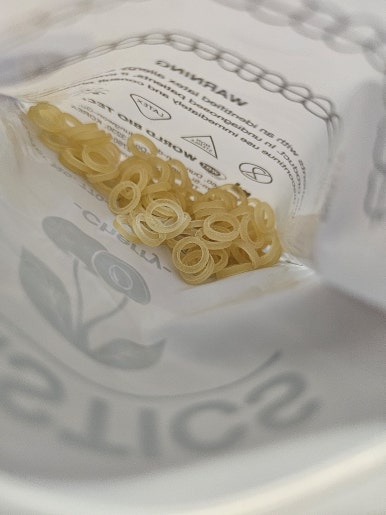
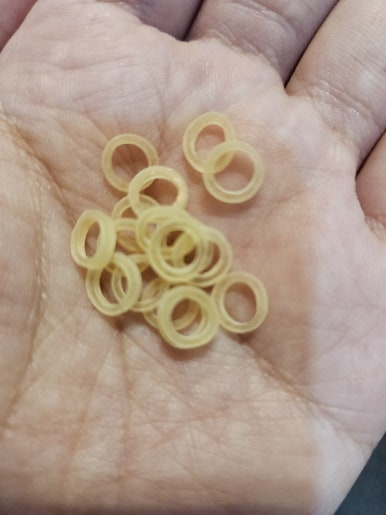
How to wear elastics properly (TOP mistakes to avoid)
With elastics, the way you wear them matters more than simply wearing them. If you know the common mistakes in advance, orthodontic treatment becomes much easier.
- Trying to make up the wear time all at once
Rather than not wearing elastics all day and then wearing them all at night, it may be more efficient to wear them steadily for a consistent amount of time. What matters is maintaining a steady force.
- Wearing them differently because you confused the placement
The position of the elastics determines the direction of the force. If you are confused, follow the method explained by the clinic,
-
Practice in front of a mirror
-
Take a photo of how you wear them and save it
-
Make a note (for example: “upper right → lower left”)
These simple methods can reduce mistakes.
- Letting a broken or lost elastic go without replacing it
It is more common than you might think for an elastic to snap or get lost while eating out. To prepare for this,
-
Keep extras in a pouch or wallet
-
Store them in a small case by the bed, on the dresser, or in your bag
Just this kind of preparation can reduce gaps in wear.
- Stopping completely because it hurts
During the first 1–3 days, there may be a pulling sensation. At that time, it is good to check whether the pain is within a normal range and whether the wearing method is correct; if it is too severe, contact the clinic. Stopping on your own can slow progress.
- Adjusting wear time on your own
Elastics follow a treatment plan. If you adjust them arbitrarily, the goal may become blurred. If you have a difficult day or a schedule issue, it is safer to coordinate with the clinic and adjust realistically.
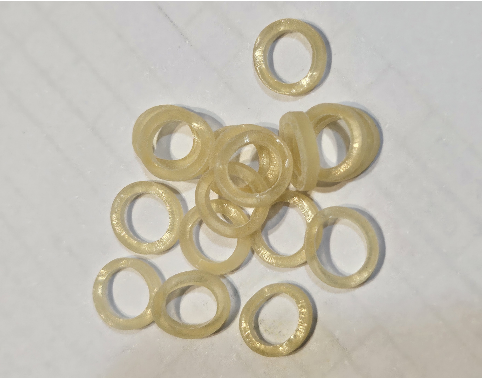
7 practical tips to reduce pain and discomfort from elastics
The reason elastics are difficult is not only because they hurt. They are also inconvenient in daily life, get in the way when speaking, make the jaw tired, and require attention every time you eat.
The tips below can greatly reduce the difficulty of orthodontic life.
- For the first 3 days, eating strategy is half the battle
At the beginning, switching to softer foods is much more comfortable. Foods like porridge, steamed eggs, tofu, noodles, and shredded meat can help. Hard and chewy foods can increase initial pain.
- Relax your jaw (reduce clenching)
Some people unconsciously clench their teeth more tightly when wearing elastics. Simply relaxing the jaw can reduce fatigue.
- Remember that it is not “constantly painful” and that you usually adapt after a few days
Many people feel much better after getting through the first 3 days. Knowing this can reduce psychological stress.
- If needed, use pain relief or cold compresses without overdoing it
If the pain is bothersome, it is also an option to get help in a reasonable way. However, if you are taking other medications or have a sensitive stomach, follow the medical staff’s guidance first.
- If it feels awkward while speaking, time often solves it
It may feel strange at first, but most people adapt. If you think about it too much, you may clench your jaw even more, so it is better to stay relaxed.
- If the inside of the cheek gets irritated, use wax together with the elastics
Sometimes the device, rather than the elastic itself, rubs against the cheek or lips and causes discomfort. In that case, actively using wax to prevent sores can greatly reduce the difficulty of daily life.
- Creating a “routine that works for you” makes things easier
If you set a routine that matches your lifestyle, such as morning-noon-evening or “right after meals,” you will forget less often and it may ultimately help with treatment time as well.
The standard for elastic management, together with S Leader Dental Hospital in Haengdang-dong
Orthodontic elastics may feel bothersome and uncomfortable, but they are usually used at a key stage to complete orthodontic results. Elastics often play a role in correcting the bite, which is just as important as making the teeth look straight. If wear is irregular or stopped, progress may slow down and treatment time may increase.
In the end, the key is simple: correct placement + consistent wear. Once a routine is established, it becomes much easier than expected, and the orthodontic process stabilizes more quickly.
At S Leader Dental Hospital in Haengdang-dong, when elastics are needed, we explain why they are necessary and how to wear them in detail, and we also help patients maintain them comfortably in real life by providing routine tips and guidance for managing discomfort.
If orthodontic elastics feel burdensome, rather than struggling alone, we hope you first understand clearly why they are needed in your case and then proceed more comfortably.

Previous image
Next image

Haengdang-dong Dental Clinic :: S Leader Dental Hospital