Hello, this is Seoul Dental Clinic Recommendation, from S Leader Dental Hospital.
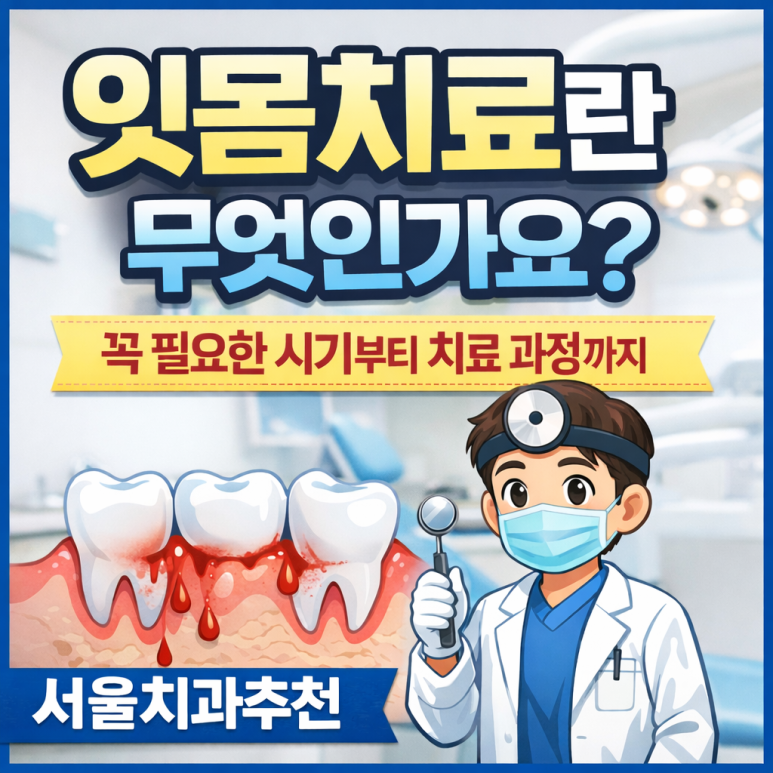
“My gums bleed when I brush my teeth... Could it be a serious problem?”
“My breath seems to have suddenly gotten worse, and my gums feel swollen too.”
“I’m afraid it’ll hurt if I go to the dentist, and I’m also scared of getting an injection for anesthesia...”
To be honest, when many people search for the term gum treatment, they are already full of worry. Tooth pain gives a clear signal called “pain,” but gum problems often start with vague discomfort, which makes people even more anxious. If you brush off a little bleeding as “I must be tired,” or swelling as “It’ll go down in a few days,” then one day you may start feeling bothered every time you brush, and the smell may begin to bother you too.

However, gum problems are not a matter of whether you can endure them or not; fundamentally, they are a matter of management. Once the gums are damaged, it is difficult for them to naturally return to their original state, and the longer they are left untreated, the further the problem tends to progress. That is why “putting off treatment because a major procedure feels scary” can ultimately lead to even larger treatment later.
Today, at Seoul Dental Clinic Recommendation, S Leader Dental Hospital, we will walk you through the signs that gum treatment is needed, the actual treatment process, common misconceptions about pain, and aftercare.
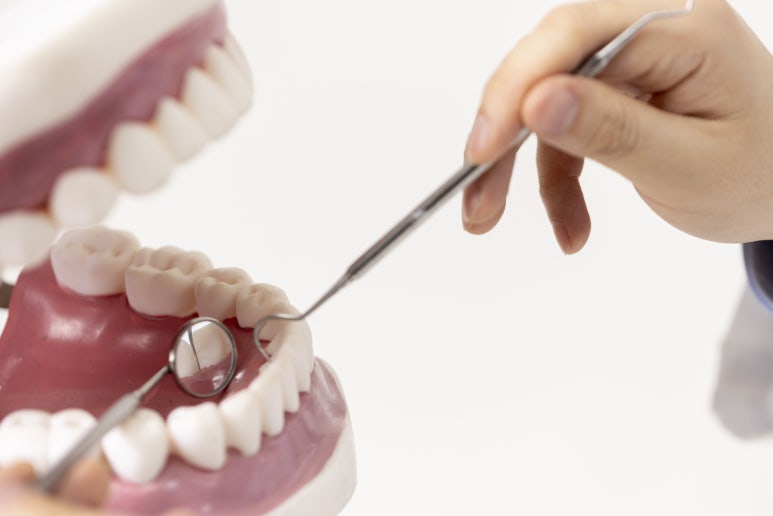
Signs that gum treatment is needed: when is scaling not enough?
Many people ask, “Doesn’t scaling solve everything?” Of course, scaling is the foundation of gum care. But the issue is that if inflammation has already gone below the gums or tartar has firmly built up deep inside, scaling alone may have its limits.
Typical signs that gum treatment should be considered are as follows.
-
Your gums bleed often when brushing, and they feel sensitive even when the toothbrush touches them.
-
Your gums often swell, or a specific area feels uncomfortable when pressed.
-
Your breath has suddenly gotten worse, or your mouth feels sticky in the morning.
-
Food gets stuck between your teeth more easily, and floss keeps snapping.
-
Your gums have receded, and it feels like the tooth roots (the sensitive area) are exposed.
-
Your teeth look longer, or there is a feeling that the spaces between your teeth have widened.
-
Your teeth feel slightly loose, or you feel oddly weak when chewing.
What matters here is not that “treatment is needed only when symptoms are severe.” Because gums may not cause major pain in the early stages, catching the problem when symptoms are still mild makes treatment simpler and recovery faster.
How do gum diseases progress? The flow from gingivitis to periodontitis
Gum disease can be broadly divided into gingivitis (inflammation of the gum surface) and periodontitis (inflammation that affects the bone beneath the gums). In the early stage, it usually starts as gingivitis. At this point, the gums swell and bleed, but since the bone supporting the teeth (alveolar bone) has not yet been significantly damaged, recovery is still relatively possible.
The problem is when gingivitis is left untreated. If tartar and bacterial plaque around the gums continue to irritate the area, the inflammation can gradually spread deeper and progress into periodontitis, affecting the tissues that hold the teeth in place (the periodontal ligament and alveolar bone).
The reason periodontitis is serious is not simply that the gums swell, but that the bone supporting the teeth slowly dissolves, which can cause the teeth to loosen and eventually lead to tooth loss.
This is also why it can seem “fine at first, but become a big problem later.” Gum disease tends to progress like a chronic condition that develops quietly rather than through acute pain, so by the time you actually notice it, the inflammation is often already quite deep.
Difference between scaling and gum treatment: key points to avoid confusion
Scaling is basic care that mainly removes tartar from the tooth surface and around the gum line. Regular scaling helps greatly in stopping gingivitis at an early stage or slowing its progression.
By contrast, gum treatment (periodontal treatment) may include procedures that clean deep tartar and inflammation from below the gums, around the tooth roots, depending on the need. Once tartar has moved below the gums, it is difficult to remove with brushing alone, and it is not easily visible to the eye. At that point, the inflamed area needs to be professionally cleaned to create an environment where the gums can become firm again.
To sum it up, it feels like this.
Scaling: “surface cleaning + the basics of prevention”
Gum treatment: “treatment that cleans inflammation that has gone below the gums”
In other words, if bleeding or swelling keeps recurring even after scaling, it may be necessary not to simply “scale more often,” but to “check the condition below the gums.”
Gum treatment: what actually happens? (steps, number of sessions, and timeline)
When people hear gum treatment, they may think of a “major surgery,” but in reality, the steps vary depending on the condition. Usually, it proceeds in the following flow.
Examination and diagnosis
We check gum depth (periodontal pockets), bleeding, tartar location, and the extent of inflammation. If needed, we also check the bone condition with X-rays. The key here is identifying “which areas are deeper.”
Basic treatment (scaling + inflammation control)
If the inflammation is severe, the first step is to remove tartar and help the gums calm down by guiding proper care.
Deep-area treatment (root planing / periodontal curettage, etc.)
This stage cleans tartar and inflamed tissue that are deeply attached below the gums. To keep the patient comfortable, anesthesia is often used when necessary. This is the core treatment that is commonly referred to as “gum treatment.”
Reevaluation and maintenance plan
After treatment, we check how the gums respond and set a maintenance schedule to help prevent recurrence, such as regular checkups and scaling intervals.
Many people ask, “Can it all be finished in one visit?” In some cases, yes, but if the inflamed area is wide or the depth is significant, it may be done in stages. For gum treatment, what matters more than “finishing quickly” is “cleaning it properly and stabilizing the condition.”
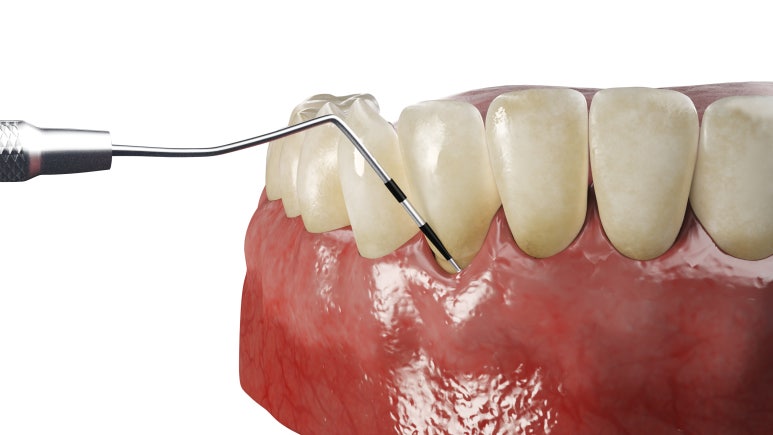
Misconceptions about gum treatment pain and anesthesia: We truly understand the feeling of delaying treatment because you’re afraid it will hurt.
The biggest reason people put off gum treatment is ultimately “fear.”
“I don’t like getting anesthesia injections.” “Will there be a lot of bleeding during treatment?” “I heard it really hurts...” These kinds of worries are completely natural. Especially if you have had a bad dental experience before, it makes sense that you would feel even more anxious.
That said, in many cases, gum treatment is described not as unbearable pain, but rather as a sore or dull aching feeling, and if discomfort is a concern, it can be sufficiently managed with anesthesia. In fact, if treatment is delayed while the inflammation becomes worse and the gums are swollen, even small stimuli can make the area more sensitive and the treatment may feel more uncomfortable.
In other words, while delaying treatment out of fear may feel easier mentally, it can result in a more uncomfortable situation later. That is why getting treatment when discomfort is still small can actually be the less difficult path.
Why aftercare after gum treatment is important: there are many cases where recurrence happens because of “poor maintenance,” not the treatment itself.
The purpose of gum treatment is not simply to remove tartar, but to change the environment so that inflammation does not return. However, if aftercare does not continue properly, tartar can build up again in the same area and the inflammation can recur. In fact, many cases where “treatment was done, but the area became uncomfortable again a few years later” are situations where the maintenance routine broke down.
That is why after gum treatment, the following maintenance strategies are very important:
-
Regular scaling and gum condition checks
-
Choosing the right tools for you, such as interdental brushes, floss, or a water flosser
-
Adjusting habits that place stress on the gums, such as chewing on only one side or teeth grinding
Once the gums become weak, they do not recover right away, and it takes time to improve again. That is why consistent care over time is so important.
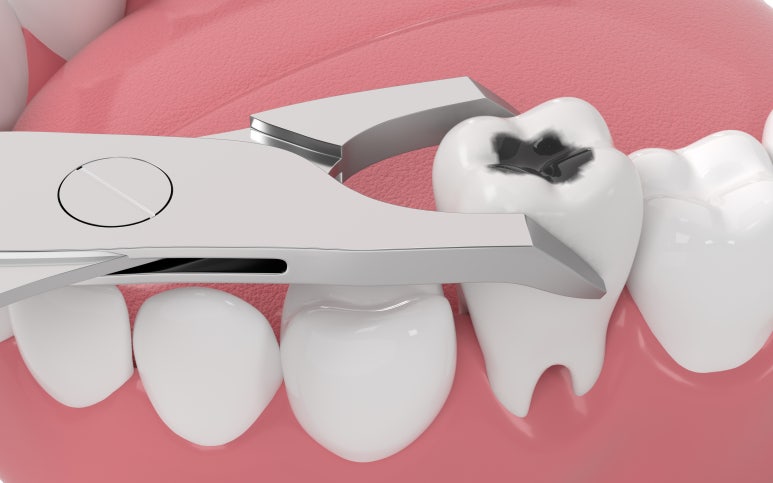
Problems that can happen if gum treatment is delayed: loose teeth > bone loss > possibly leading to implants.
The biggest problem when gum disease is left untreated for a long time is alveolar bone loss (loss of the jawbone supporting the gums). Teeth need firm gum bone support to remain stable. If inflammation continues, the bone gradually dissolves, reducing the support for the teeth.
As a result, the teeth may become loose, you may feel weak when chewing, and eventually it may become difficult to keep the teeth.
At that stage, it becomes hard to solve the problem with gum treatment alone, and the chances of needing restorative treatment, extraction, or even implants increase. Many people ask, “Would I really need an implant because of my gums?” In reality, periodontal disease is one of the major causes of tooth loss. That is why gum treatment should not be seen as a “major treatment” to postpone, but rather as a basic treatment to prevent major treatment later.
These are the people who definitely need a consultation
If any of the items below apply to you, it may be necessary to check the condition below the gums rather than simply extending your scaling interval.
- Your gums bleed repeatedly when brushing.
- Your breath has gotten worse than before, and your mouth feels sticky in the morning.
- Your teeth feel sensitive and your gums seem to have receded.
- You had gum treatment before, but the discomfort has returned.
- A specific area keeps swelling and feels uncomfortable when chewing.
- Your teeth look longer, or there is a feeling that the spaces between your teeth have widened.
For gums, it is much more advantageous to “manage before it gets worse” than to “treat after it gets worse.”

The right timing to start gum care at S Leader Dental Hospital, Seoul Dental Clinic Recommendation
Gum treatment is not simply a treatment to stop bleeding; it is a treatment that rebuilds the foundation for using your teeth for a long time. It may be tempting to delay because of fear and worry, but the longer gum disease is left untreated, the larger the treatment scope becomes and, ultimately, it can lead to bigger treatment. On the other hand, if the inflammation is stabilized through early diagnosis and regular care, you can maintain healthy gums with less burden than you might expect.
At Seoul Dental Clinic Recommendation, S Leader Dental Hospital, we carefully check the condition of the gums and then guide patients step by step through the treatment process, pain control, and aftercare so they do not feel anxious. The time when you think, “It’s probably fine for now,” may actually be the best time. If gum bleeding, swelling, or bad breath keeps recurring, we recommend not enduring it alone, but instead accurately checking your current condition and starting with the care that is needed.







Seoul Dental Clinic Recommendation :: S Leader Dental Hospital