�
Hello, we are S Leader Dental Hospital, a Dongdaemun-gu implant clinic, and this year marks our 22nd anniversary since establishment.
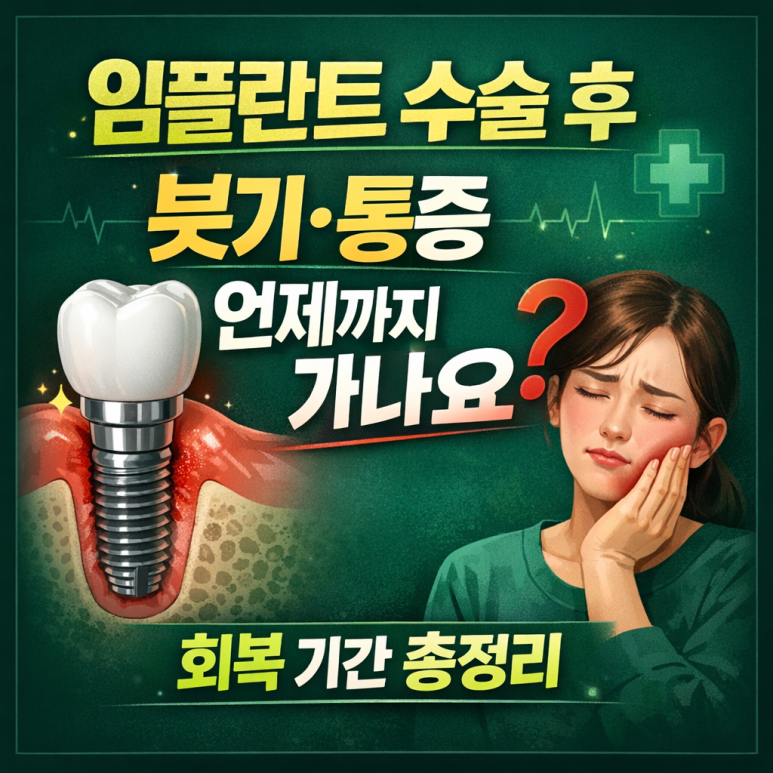
After finishing implant surgery and returning home, it is natural to feel relief that treatment has started, along with many questions about swelling, pain, and the recovery process.
“Is this tightness normal right now?”
“Will it swell more tomorrow? How long will the swelling last?”
“Is this level of pain okay... or did something go wrong...?”
Especially for people getting implants for the first time, even small symptoms can feel more sensitive than usual.
So today, at S Leader Dental Hospital, a Dongdaemun-gu implant clinic, we will organize how swelling and pain progress after implant surgery, what falls within the normal range, and what signs mean you should get checked quickly.
We will also cover the questions patients ask most often, such as coffee, alcohol, smoking, exercise, and tooth brushing.
Swelling and pain are usually at their worst for a few days, but it varies from person to person.
After implant surgery, swelling and pain are often most noticeable during the first 2 to 3 days. During this period, swelling builds up and the tightness is felt most strongly. In general, symptoms often peak around day 3 and then gradually begin to ease.
However, there are large individual differences.
The degree and duration of swelling and pain can vary depending on whether bone grafting or sinus treatment was performed (in the upper molar area), whether the surgery area was large (number of implants, level of difficulty), whether there was existing inflammation, and whether there are conditions that may affect recovery, such as smoking or diabetes.
So rather than saying exactly “how many days,” it is more important to look at the overall pattern—whether symptoms rise and then begin to fall.
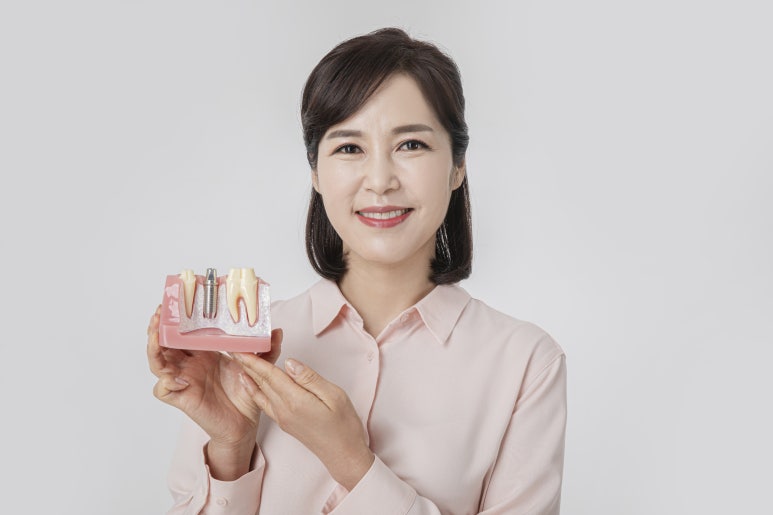
I’ll explain the swelling and pain after implant surgery by day.
Day of surgery (immediately after surgery to night)
-
Tightness begins as the anesthesia wears off.
-
There may be a little blood mixed with saliva, or slight bleeding.
-
Because the surgical site is sensitive, rest is the most important thing if possible.
-
On the day of surgery, pain and tightness are often felt before swelling becomes noticeable.
Days 1–2
-
This is when swelling starts to become more noticeable.
-
Tightness may continue, and you may feel discomfort when chewing.
-
Some people also bruise, which can occur depending on your body type and the extent of surgery.
Days 2–3 (the toughest period)
At this point, the important question is not “Is it strange that it is swelling more?” but whether it starts to gradually decrease after this peak.
Days 4–7
-
Swelling often begins to go down gradually.
-
If there was bruising, the color may change and fade as it improves.
-
Discomfort when chewing often lessens as well.
-
If stitches were placed, this may also be when suture removal is scheduled, depending on the case.
Weeks 1–2
-
Most people can return to daily life.
-
However, some may still feel minor discomfort, such as “a little discomfort when pressed” or “still feels stressful to chew hard foods.”
-
At this point, it is normal for pain to move in a slowly stabilizing direction rather than getting worse.
What are the 6 reasons swelling and pain last longer?
Even with the same implant procedure, some people feel better quickly, while others think, “Why is this taking so long?”
The main reasons are below.
- When bone grafting / sinus treatment is involved
In the upper molar area, the sinus may be close enough that additional treatment is needed in some cases, and when bone grafting is performed, recovery may feel longer.
- When the surgery area is large (multiple implants / difficult case)
If there are many implants, multiple extractions at the same time, or the surgery takes a long time, swelling and pain may feel more intense.
- When there was already inflammation
If the inflammation before extraction was severe or the gum condition was unstable, recovery after surgery may feel slower.
- Conditions that affect recovery, such as smoking / dry mouth / diabetes
Smoking can be unfavorable for gum recovery, and if diabetes is not well controlled, recovery may be delayed. On the other hand, when it is well controlled, many cases proceed without problems. (The key point is the level of control.)
- Violating restrictions such as strenuous exercise / drinking / hot compresses
If you drink alcohol, use hot compresses or a sauna, or do intense exercise soon after surgery, swelling and bleeding can worsen.
- When force is concentrated due to bite (height) problems
If the implant area feels like it is touching “too high,” or if pressure concentrates on one side when chewing, it may feel as though the pain is lasting longer. In such cases, simply adjusting the bite can make things feel much more comfortable.
Normal range vs. signs that need checking (the most important distinction)
During recovery, the most important thing is not whether it hurts, but whether the trend is getting worse or better.
Cases that may be within the normal range
-
Swelling and pain are worst on days 2–3, then gradually decrease
-
Bruising appears and then fades as the color changes
-
Pain is controllable with medication
-
There is no severe warmth, and opening the mouth is possible
-
Daily life becomes a little easier over time
Warning signs that need checking
-
Pain becomes worse after day 4 or 5 instead of improving
-
Severe swelling with a feeling of pus, a strong odor, or warmth
-
Bleeding does not stop or continues to flow
-
Swelling and pain become severe enough that opening the mouth is difficult
-
A specific area hurts especially badly (stabbing pain)
-
A feeling that the implant area is loose, or pain caused by contact with the prosthesis
If you have these symptoms, it is often easier to resolve them the sooner you get checked.
How can you make swelling and pain go down faster?
Let’s summarize the key points.
- From surgery day to 48 hours: focus on cold compresses
Right after surgery, cold compresses are often more helpful than hot compresses.
It is better to do them briefly and repeatedly rather than for a long time at once, and please avoid making them so cold that the skin feels numb.
- Elevate your head while sleeping
Many people feel less swelling if they sleep with their pillow slightly raised. On the other hand, lying completely flat may make the swelling feel worse.
- Eat soft foods and use the opposite side
For the first few days, a soft-food diet helps recovery. Be careful, as hot food may be irritating.
- Follow the restrictions strictly
Smoking, alcohol, straws, strenuous exercise, and hot saunas / hot compresses can be unfavorable for recovery. The first few days are especially important.
- Brush and rinse gently
It is best to avoid rinsing too forcefully or brushing directly over the surgical site. Please care for it gently according to the instructions you were given.

"Can I do this?" Frequently asked daily-life questions (I’ll explain the answers in detail.)
I’ll organize them in an easy-to-understand way by situation.
Q1. When can I drink coffee?
For most people, the issue is not “warm coffee” itself, but that very hot drinks can be irritating. Right after surgery, hot stimulation can worsen swelling or bleeding.
If possible, start with lukewarm drinks in the early period. If you do drink coffee, it helps not to hold it in your mouth for too long and to lightly rinse with water afterward. The exact timing depends on the surgical area and your condition, so following your own instructions is the safest approach.
Q2. When can I drink alcohol?
It is best to avoid alcohol in the early recovery period. It can widen blood vessels and worsen swelling or bleeding, and it may also affect you if you are taking medication. Even “just a little” can be unfavorable at first, so it is better to avoid it until the initial recovery stabilizes, and to follow the guidance of your medical team for when it is okay.
Q3. What about smoking?
Smoking can be unfavorable for gum recovery. It can also create a drier environment and increase the risk of inflammation. Especially right after surgery, it can affect recovery, so it is best to refrain as much as possible.
If it is hard to quit completely, at least reducing it strongly during the early recovery period can help.
Q4. When can I exercise / go to the gym?
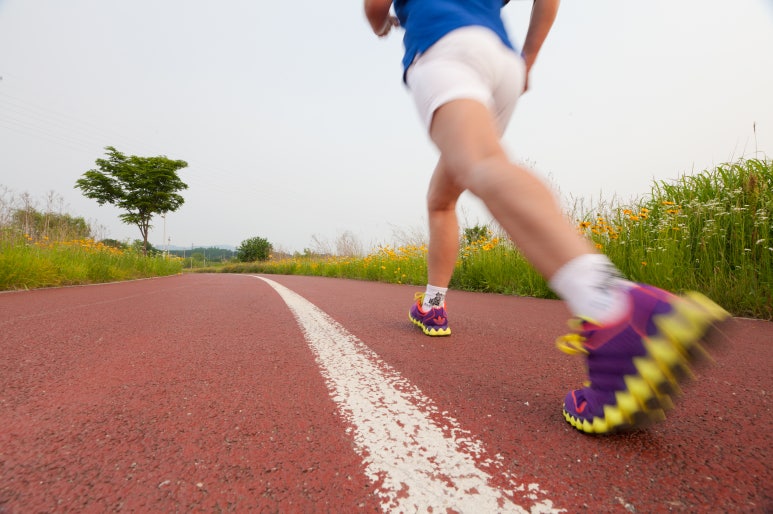
Intense exercise right after surgery can raise blood pressure and trigger bleeding and swelling. So for the first few days, it is better to limit yourself to light activity. Walking is often fine, but gym workouts, running, and strenuous exercise should be adjusted depending on recovery. When your body is swollen and throbbing, avoiding overexertion helps recovery go faster.
Q5. When can I use a sauna / hot compress?
Hot compresses or saunas can worsen swelling and bleeding in the early recovery period, so they should be avoided at first. Some people try using hot compresses to reduce swelling, but if the timing is not right, it can make the swelling worse. The timing for switching to compresses depends on the case, so please follow the instructions.
Q6. How should I brush my teeth, floss, and use mouthwash?
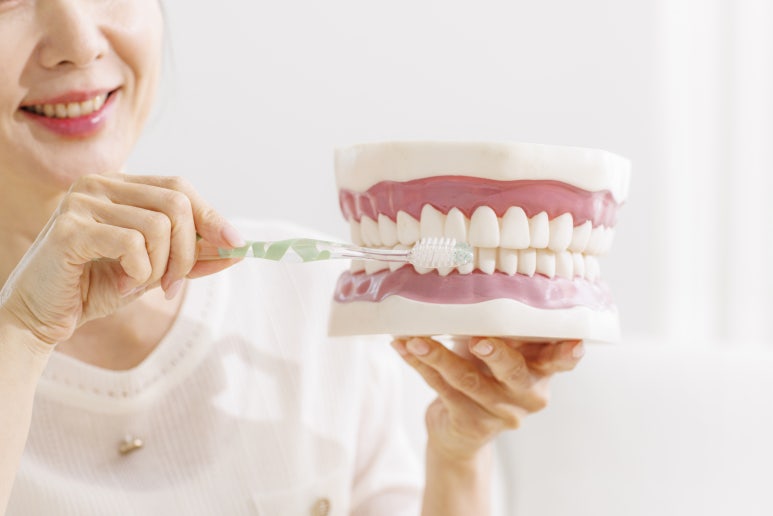
It is best to avoid directly and forcefully touching the surgical site. At the same time, if you do not clean at all, bacteria can increase and make things more uncomfortable.
Usually, you should brush the non-surgical areas as usual while being careful around the surgical site, and apply a gentle rinsing or care routine from the time you were instructed.
For mouthwash too, what matters is not using it “strongly and often,” but using it in the proper way when needed.
Q7. When can I go to work / go out?
Many people return to work the next day. However, swelling and pain can be greater than expected, so if you have an important schedule, it may be more comfortable to move the surgery date or allow an extra day or two if the procedure was extensive.
Rather than the outing itself, be careful about activities that are too strenuous, since those can delay recovery.
Q8. How long should I take pain medication?
Most people take it for the period they were instructed to, and then adjust as the discomfort decreases. The important thing is not to arbitrarily increase or decrease it because you are in pain, but to follow the prescription and instructions while monitoring your condition. If pain does not lessen or gets worse, checking the cause may be more important than the medication itself.
What does the dental clinic check, and how do they help?
When you are worried about pain or swelling after surgery, the clinic checks the following:
-
Whether the wound / suture site is healing normally
-
Whether there are signs of inflammation (swelling, pus, warmth)
-
Whether cleaning or medication adjustment is needed
-
Whether force is being concentrated because of a bite (height) problem
-
In bone graft cases, whether step-by-step care is being done properly
In particular, if the pain decreases and then gets worse again, or if only one side hurts especially badly, checking often helps solve the problem quickly.
Dongdaemun-gu Implant: Recovery check points with S Leader Dental Hospital
After implant surgery, swelling and pain are usually most uncomfortable during the first 2 to 3 days, and then they generally begin to ease gradually.
If the surgery area is large or bone grafting was involved, it may feel longer, but the important thing is whether the symptoms are improving as time passes. On the other hand, if pain gets worse after day 4 or 5, or if signs such as pus, warmth, or a strong odor appear, it is safer not to delay and to get checked.
At S Leader Dental Hospital, a Dongdaemun-gu implant clinic, for patients worried about swelling and pain after implant surgery, we explain the normal range and the signs that need checking based on the recovery stages (from day of surgery to 2 weeks), and we help plan care by checking the wound condition, whether inflammation is present, and the bite (height) so discomfort does not last too long.
Recovery takes time, but early care makes a very big difference. If you are anxious, we recommend getting your current condition checked rather than worrying alone, so you can continue the recovery process more comfortably.

 Dongdaemun-gu Implant :: S Leader Dental Hospital