Hello, we are S Leader Dental Hospital, a Sagajeong Station dental clinic, now celebrating our 22nd anniversary since founding.
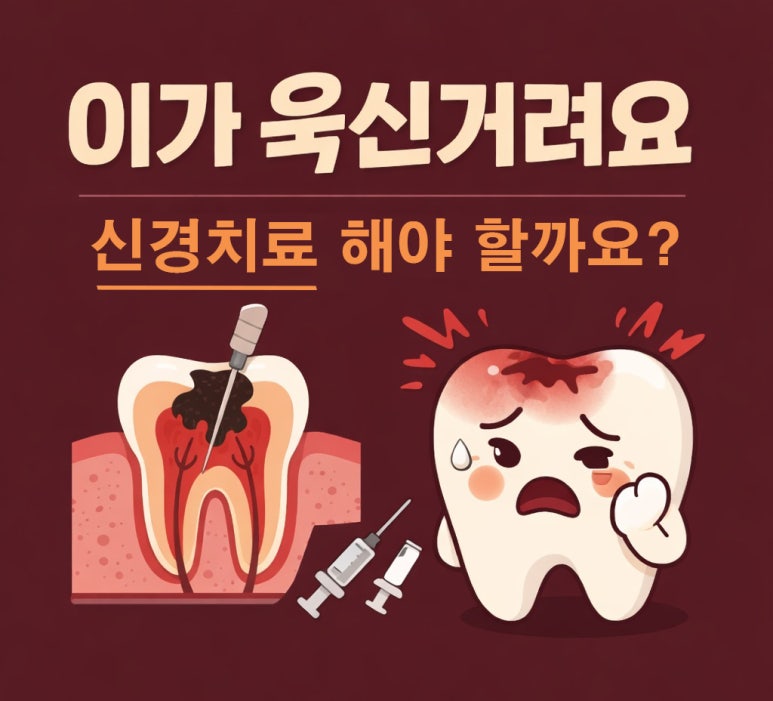
In everyday life, there are moments when a tooth suddenly throbs for no apparent reason.
A heavy pain that you can feel even when sitting still, or a pulsating, throbbing sensation like a heartbeat, can be distracting. However, most people tend to think, “It’ll probably get better soon,” and let it go.
Especially in a busy daily routine, it is not easy to visit the dentist, so many people choose to just endure it and wait even when they feel pain.
But this kind of throbbing pain may not be a simple temporary discomfort; it can be an important signal coming from inside the tooth.
Even if everything looks fine on the outside, there are many cases where a problem is already progressing inside the tooth. If you ignore the pain and leave it untreated, you may miss the right time for treatment and end up needing more extensive care.
So many people wonder why this kind of throbbing toothache happens, and in which cases root canal treatment is necessary.
Today, at S Leader Dental Hospital, a Sagajeong Station dental clinic, we will take a step-by-step look at the causes of this type of tooth pain, its symptoms, when root canal treatment is needed, and how the treatment is performed.
 What causes a throbbing tooth?
The causes of tooth pain are more varied than you might think, but a “throbbing” pain has characteristics that distinguish it from simple sensitivity.
What causes a throbbing tooth?
The causes of tooth pain are more varied than you might think, but a “throbbing” pain has characteristics that distinguish it from simple sensitivity.
If you only feel a brief sting when eating cold food, it may be a relatively mild symptom. But if you have a persistent, pulsating pain, it may not be a simple problem.
This type of pain usually appears when the nerve tissue inside the tooth (the pulp) is irritated.
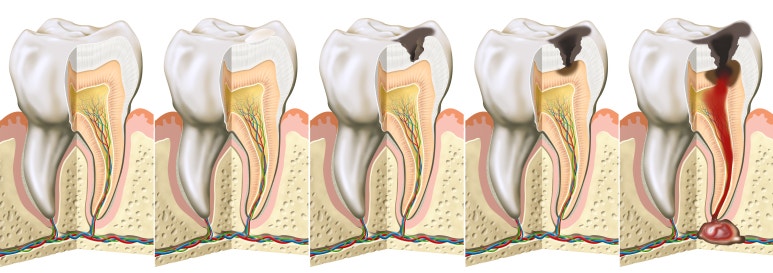
It can occur when decay becomes deep and reaches close to the nerve, when a tiny crack forms, or when the nerve is damaged by repeated irritation.
The problem is that these changes are not easily visible.
Even if the tooth looks fine on the outside, inflammation may be slowly progressing inside. So you can think of pain itself as an important warning sign.
 How to check whether root canal treatment is needed
Because treatment can differ depending on how the tooth hurts, it is important to carefully observe the pain you are feeling now.
How to check whether root canal treatment is needed
Because treatment can differ depending on how the tooth hurts, it is important to carefully observe the pain you are feeling now.
If you have continuous throbbing pain even while sitting still, there is a high possibility that it is not just simple irritation but nerve pain. In particular, pain often becomes worse at night. This is because when you lie down, blood flow moves toward the teeth, increasing pressure in the inflamed area.
Also, if pain continues for a long time after eating cold or hot food, the nerve may already be in a sensitive state. Normally, a healthy tooth’s pain eases quickly once the stimulus is gone, but if there is a problem with the nerve, the pain does not subside easily.
You should also be careful if the pain keeps coming back even after taking painkillers, or if you feel pressure when chewing.
These symptoms may be signs that the condition is progressing to the point where root canal treatment is needed.
 What is root canal treatment?
Root canal treatment is performed when inflammation or infection occurs in the nerve tissue inside the tooth.
It involves removing the damaged nerve inside the tooth, disinfecting the interior thoroughly, and then filling it again.
What is root canal treatment?
Root canal treatment is performed when inflammation or infection occurs in the nerve tissue inside the tooth.
It involves removing the damaged nerve inside the tooth, disinfecting the interior thoroughly, and then filling it again.
The most important goal of this treatment is to “save the tooth.”
Many people think that removing the nerve means the tooth has to be extracted, but in fact, it is more accurate to see it as a treatment meant to prevent extraction.
If inflammation is left untreated, it may eventually become difficult to keep the tooth, so it is important to treat it at the proper time.
 What happens if you delay root canal treatment?
Just because tooth pain has temporarily decreased does not mean the problem has been solved.
In some cases, the nerve becomes completely damaged, and the pain may briefly disappear.
What happens if you delay root canal treatment?
Just because tooth pain has temporarily decreased does not mean the problem has been solved.
In some cases, the nerve becomes completely damaged, and the pain may briefly disappear.
However, because the internal inflammation continues, it can later affect the gums or bone.
In severe cases, it can lead to bigger problems such as facial swelling or pus.
If it progresses to this stage, the treatment process becomes more complicated, and you may eventually have to consider extraction.
Therefore, the time when pain is felt may actually be the best time to treat it.
I’m curious about the root canal treatment process. How does it proceed?
1️⃣ Removal of the damaged nerve and internal treatment
First, the inside of the tooth is opened, and the inflamed or damaged nerve is removed.
2️⃣ Disinfection of the infected area and internal cleaning
After the nerve is removed, the infected area is thoroughly disinfected, and the internal space is cleaned and prepared to prevent reinfection.
3️⃣ Internal filling and protection with a crown
The cleaned interior of the tooth is filled and securely sealed, and in many cases crown treatment is performed to protect the weakened tooth.
Because the treatment is carried out over multiple visits, it may feel lengthy, but it is a necessary process to safely save the tooth.
Can tooth pain be prevented?
Problems with teeth can often be resolved with simpler treatment when detected early.
It is important to manage cavities early through regular checkups and not miss warning signs.
Also, reducing habits that put strain on the teeth and getting checked as soon as you feel pain can help keep your teeth healthy for a long time.
 The beginning of toothache, Sagajeong Station Dental Hospital
Accurately diagnosed at S Leader Dental Hospital
Throbbing tooth pain is not something to simply endure and move past; it can be an important signal that your dental condition needs to be checked.
The beginning of toothache, Sagajeong Station Dental Hospital
Accurately diagnosed at S Leader Dental Hospital
Throbbing tooth pain is not something to simply endure and move past; it can be an important signal that your dental condition needs to be checked.
Not missing these signals and making an accurate diagnosis is the starting point of treatment.
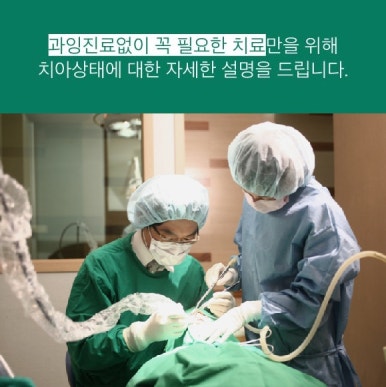
At Sagajeong Station dental clinic, S Leader Dental Hospital, we make it a principle to carefully examine each patient’s condition and guide them only to the treatment that is truly necessary for their current situation.
Rather than simply moving quickly with treatment, we place importance on explaining why these symptoms occurred and helping patients understand them.
We also prioritize preserving natural teeth as much as possible and provide treatment with the goal of stable results, without unnecessary extractions or overtreatment.
We carefully manage the process so that patients can feel less burdened by treatment and receive care with peace of mind.
Tooth pain usually does not get better with time; in many cases, it leads to bigger problems.
Even if it is just a small discomfort you are feeling now, do not brush it off lightly. It is important to check your exact condition.
The earlier it is detected and managed, the less treatment burden there will be, and the longer your natural teeth can stay healthy.
If throbbing tooth pain continues, rather than worrying about it alone, please feel free to visit us and check your current condition.

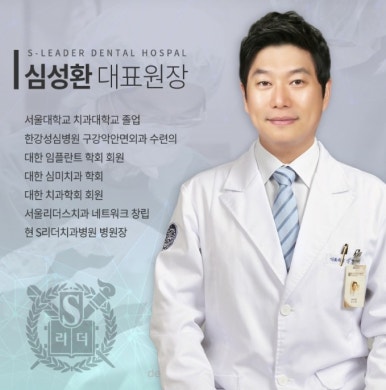

 Sagajeong Station Dental Clinic :: S (S) Leader Dental Hospital