Hello, we are S Leader Dental Hospital, Gangbyeon Station Dental Clinic, now celebrating our 22nd year since establishment.
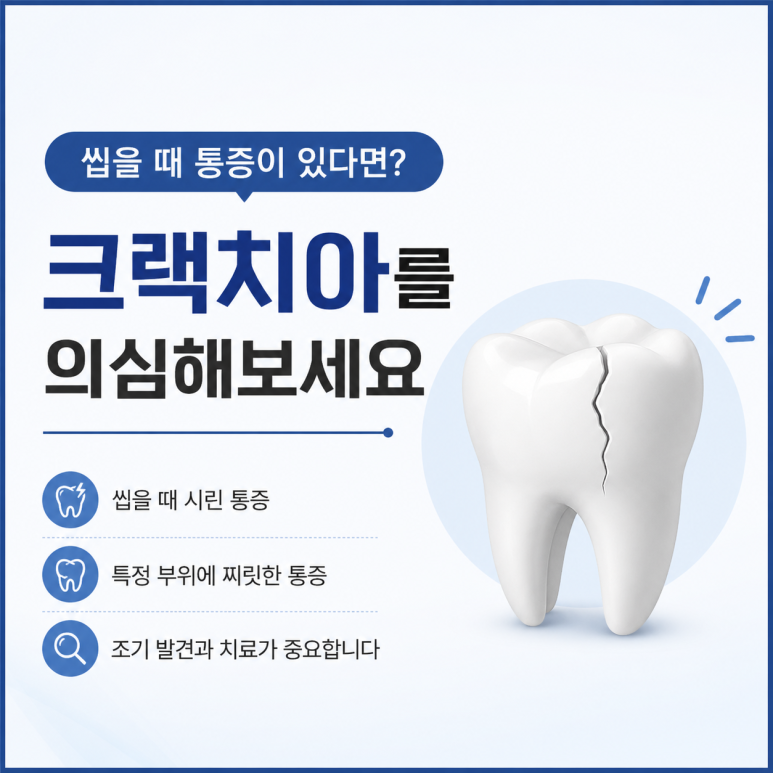
In everyday life, you may have experienced this at least once. Everything feels fine as usual, but the moment you chew food, you feel a sharp pain in a specific tooth. It feels okay when you are just sitting still, and there is no major discomfort when drinking water, but because it only hurts when you chew, you may briefly wonder, “What is this?” and then soon forget about it.
Because the pain does not continue and instead appears intermittently, it is easy to dismiss it as “just temporary.” However, over time, certain foods may gradually become uncomfortable, and at some point, the act of chewing itself can start to feel cautious. Pain that appears in such an unclear way can actually be more confusing, and it may leave you wondering whether you should go to the hospital or not.
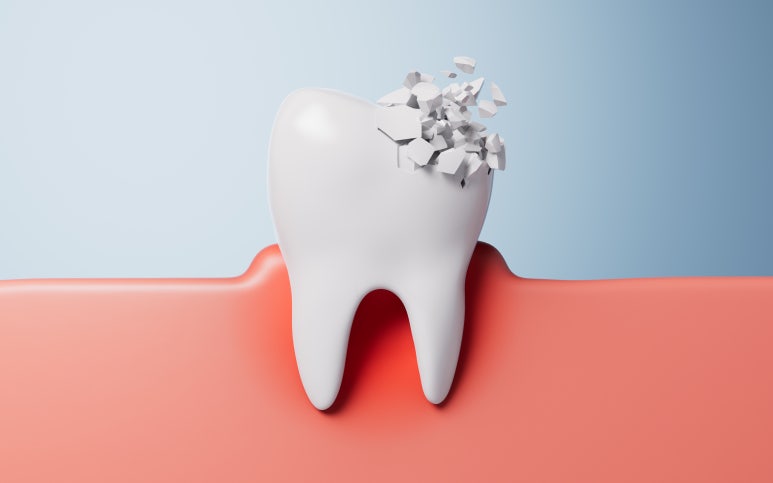
In fact, among patients who visit us, there are many who say, “I’m fine most of the time, but it hurts when I chew,” or “It only hurts when I eat something hard.” Since the tooth may look perfectly fine on the outside, it is easy to think it is just a simple sensitivity issue, but these symptoms may be an early sign of a cracked tooth.
A cracked tooth refers to a tooth with a tiny crack, and in the early stage it is difficult to see with the naked eye and the pain is not consistent, so it is often left untreated. However, as time passes and the crack becomes deeper, the scope of treatment may become larger, so recognizing it early is especially important.
So why does a tooth only hurt when chewing? And in what cases should you suspect a cracked tooth?
Today, Gangbyeon Station Dental Clinic, S Leader Dental Hospital, will explain each point one by one.
 If you have these symptoms, suspect a cracked tooth
The biggest feature of a cracked tooth is that the pain is not “continuous pain” but “pain that appears only at a specific moment.” Many people think of tooth pain as a throbbing sensation even when they are still, or pain that gets worse at night, but cracked teeth show very different symptoms.
Typically, a short, sharp pain is felt the moment you chew food, especially when chewing hard or chewy foods, and then it quickly disappears. Because the pain does not last long, it is easy to overlook, but the important point is that this “momentary pain” keeps recurring.
Also, even with the same tooth, the pain may appear or disappear depending on the direction of chewing or where force is applied. For example, it may feel fine when chewing on one side, but pain may occur when force is applied in the opposite direction. In such cases, patients may say, “I don’t know exactly which tooth is the problem,” or “The painful area is unclear.”
If the pain is irregular and shows an up-and-down pattern like this, rather than simply assuming it is a sensitivity issue, it is worth considering whether a tiny crack has formed inside the tooth. In particular, if the frequency of pain gradually increases over time or if you begin consciously avoiding certain foods, it may be past the initial stage and progressing, so extra caution is needed.
 What is a cracked tooth?
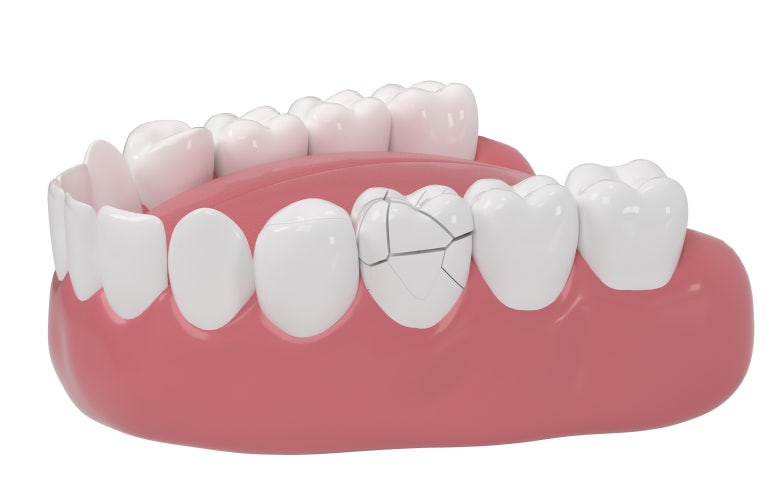
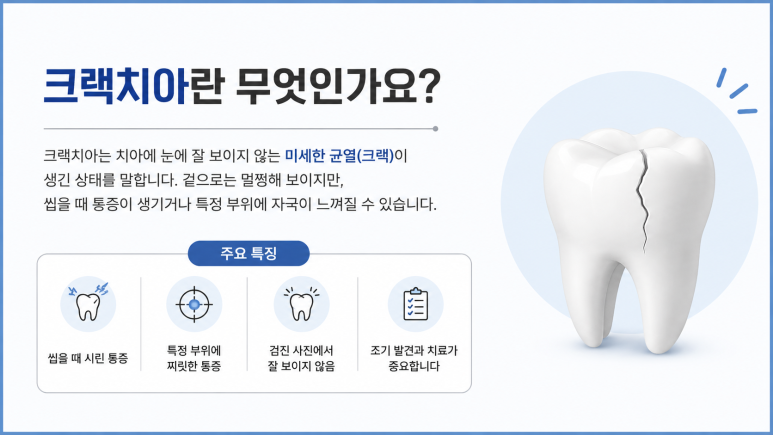
A cracked tooth means that a very fine crack, not easily visible to the eye, has formed in the tooth. These cracks are often extremely thin, like a strand of hair, and they tend to start at the surface of the tooth and gradually progress inward. The problem is that these cracks are barely visible from the outside, making them difficult for patients to notice on their own.
In many cases, even if you check in the mirror or touch it with your hand, nothing unusual is felt, and even a standard X-ray often does not clearly show it. That is why it can be difficult to detect with a simple examination, and it is important to make a diagnosis by comprehensively considering the pattern of pain the patient feels, lifestyle habits, and changes in symptoms.
When pressure is applied to the tooth during chewing, this tiny crack opens slightly. At that moment, the nerve inside the tooth is stimulated, causing momentary pain. As soon as the force is released, it returns to its original state, so the pain quickly disappears.
For this reason, a cracked tooth does not show up as a tooth that is “always hurting,” but rather as a tooth that “reacts only in specific situations,” and this can make early detection more difficult.
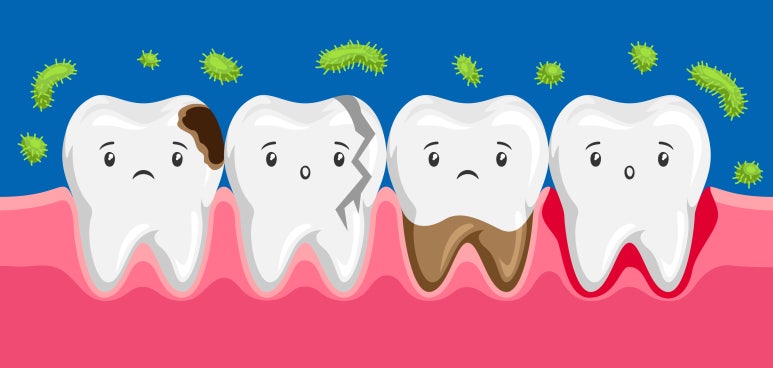
Why do cracked teeth occur?
Cracked teeth are often not caused by a single strong impact, but by the accumulation of repeated small stresses in daily life. The most common cause is the habit of frequently eating hard or chewy foods. Hard foods such as ice, nuts, and dried squid place a large force on the teeth in an instant, and repeated stress like this can create tiny cracks.
Another habit that many people do not realize they have is teeth grinding or clenching. In particular, many people unconsciously clench their teeth when stressed or concentrating, and this habit places continuous pressure on the teeth and can be a major cause of cracks. Teeth grinding during sleep also places a significant burden on the teeth.
In addition, if you have old fillings or crowns, subtle changes can occur over time between the tooth and the restoration, and the area can become relatively weaker, increasing the likelihood of cracks. In other words, cracked teeth are often better understood as something that appears gradually, like “accumulated fatigue,” rather than as the result of a sudden accident.
 How is a cracked tooth different from ordinary tooth pain?
Cracked teeth are often confused with cavities because the symptoms can feel similar. However, the two have clear differences in the pattern of pain. Cavities are characterized by the tooth being gradually damaged by bacteria, with pain that progressively worsens.
Over time, you may feel a throbbing sensation even when you are still, or you may continuously react to cold or hot foods.
On the other hand, the biggest difference with a cracked tooth is that the pain does not continue and appears only in specific situations. That is why patients often describe it as, “It hurt, then it got better,” and as a result, it is not uncommon to miss the right time for treatment.
As such, it is important to look at the “pattern” of pain rather than just the “intensity,” and remembering when and under what circumstances it hurts can be very helpful for diagnosis.
What happens if a cracked tooth is left untreated?
An early crack can be managed with relatively simple treatment, but the problem arises when it is left untreated. A crack in a tooth does not heal on its own; rather, it tends to become deeper over time.
When the crack remains limited to the surface of the tooth, the pain is limited, but as it gradually progresses inward and affects the nerve inside the tooth, the pattern of pain begins to change. From that point on, it may no longer hurt only when chewing, and discomfort may be felt in everyday situations, eventually leading to a stage where root canal treatment is needed.
In more severe cases, the tooth may split completely or fracture to the point where it is difficult to preserve. When that happens, additional treatment such as extraction followed by an implant becomes necessary, which places a much greater burden on treatment compared to the early stage.
Therefore, rather than using “I can still tolerate it” as the 기준, it is more important to pay attention to the fact that “a pain pattern different from before has appeared.”
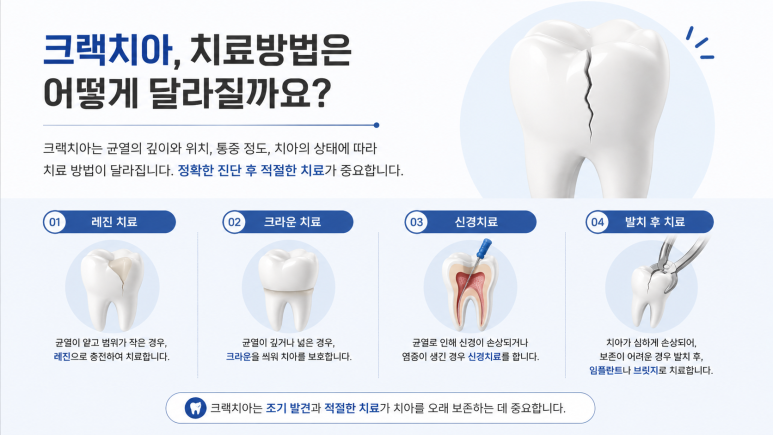 How does treatment for a cracked tooth differ?
Treatment for a cracked tooth varies depending on the location, depth, and extent of progression of the crack. In the early stage, protecting the tooth is the most important thing, so treatment is performed using resin or a crown to reduce external stimulation and prevent the crack from progressing further.
If treatment is received at this stage, the tooth can be preserved with a relatively simple method, and larger problems can be prevented later. However, if the crack becomes deeper and affects the nerve, root canal treatment is needed to remove inflammation, followed by placing a crown to protect the tooth.
If the crack has progressed to the root of the tooth or the structure is no longer preservable, extraction may need to be considered. In that case, function is restored through prosthetic treatment such as an implant.
Because the treatment method and level of difficulty can vary greatly for the same cracked tooth depending on when it is discovered, early diagnosis is extremely important.
 If this applies to you, please visit right away.
If the pain you feel when chewing keeps recurring, or if certain foods continue to feel uncomfortable, it is best not to delay any longer. In particular, if foods that used to be fine increasingly feel burdensome, or if the frequency of pain gradually increases, it may be a sign that the condition is progressing.
Also, if you begin to react to cold or hot foods, the crack may have become deeper, so prompt evaluation is needed. Rather than feeling reassured because the pattern of “it hurt, then it got better” keeps repeating, it is important to remember that this pattern may actually be a typical symptom of a cracked tooth.
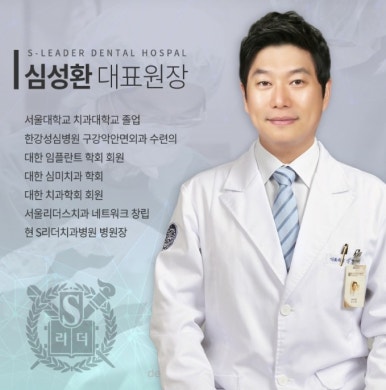
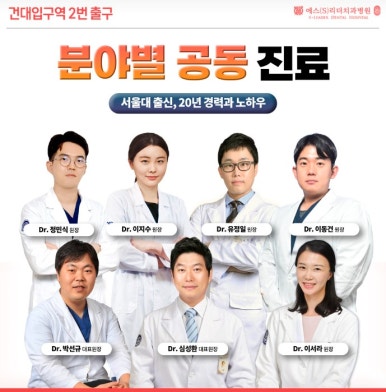
 Gangbyeon Station Dental Clinic, S Leader Dental Hospital
Timing is important when it comes to cracked teeth.
A tooth that hurts only when chewing may seem like a simple symptom, but in reality, it can be an important signal from the tooth. In particular, cracked teeth are often left untreated without an accurate diagnosis because they are difficult to see with the eye and the pain is not consistent.
At Gangbyeon Station Dental Clinic, S Leader Dental Hospital, we use a precise diagnostic process to identify even these tiny cracks and determine the cause accurately. Rather than merely reducing pain, we focus on setting a treatment direction that preserves the tooth as much as possible and prevents larger problems later.
In addition, systematic management is provided after treatment to help prevent recurrence and keep the tooth stable. Even a small pain can ultimately be a way to prevent larger treatment if its cause is identified accurately.
Please do not dismiss discomfort felt while chewing as insignificant, and take the time to check your current condition accurately. Gangbyeon Station Dental Clinic, S Leader Dental Hospital, protects your dental health through responsible care that continues from initial diagnosis to treatment and follow-up management.

 Gangbyeon Station Dental Clinic :: S Leader Dental Hospital