Hello, we are S Leader Dental Hospital, a Seoul implant-dental clinic known for doing implants well, celebrating our 22nd year since establishment this year.
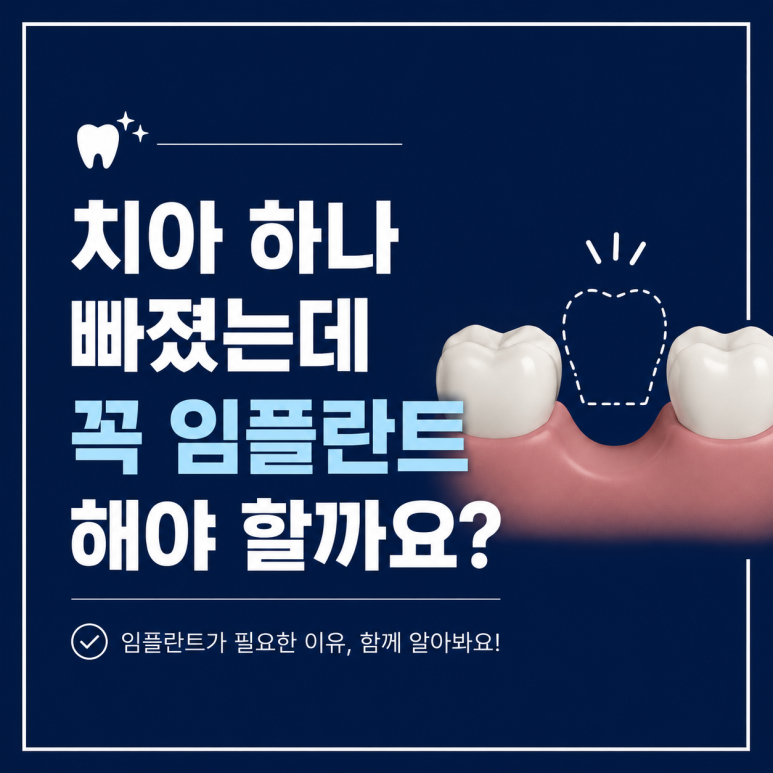
When one tooth falls out, many people initially think, “Isn’t one tooth okay?” Especially if it is a molar area that is not very visible, it may seem like there is no major problem in daily life right away.
In fact, since there is no pain and it is still possible to chew to some extent on the opposite side, many people end up postponing treatment.
Have you ever experienced something like this?
After having a tooth extracted, it was not very uncomfortable at first, but over time you started chewing on only one side or felt food getting stuck frequently. Or you thought, “I should get treatment a little later,” and before you knew it, months or even years had passed.
In particular, implant treatment often gets delayed because of concerns about cost or surgery. If you look online, you will find mixed messages such as
“you don’t need it” and “you absolutely need it,” which can make things even more confusing. As a result, many people wonder whether an implant is truly necessary and what changes can happen when even one natural tooth is lost.
However, teeth are not structures that exist independently one by one; they function by maintaining balance with one another. So when one is missing, a variety of changes can occur unexpectedly.
Today, at S Leader Dental Hospital, a Seoul implant-dental clinic known for doing implants well, let’s take a detailed look at why an implant is needed when one tooth is lost and what changes can occur if treatment is delayed.
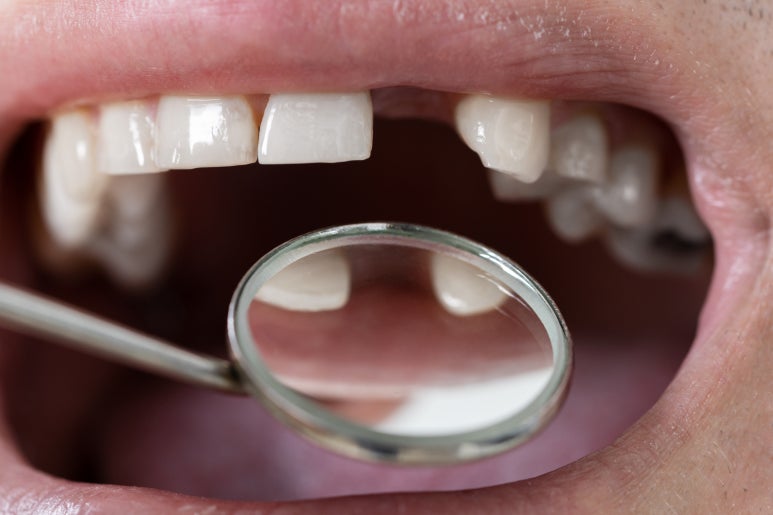 Is there really no big problem if just one tooth is missing?
One of the first questions many people ask is:
“Do I really need treatment if one tooth is missing?”
In reality, losing one tooth does not usually cause severe pain immediately or make daily life difficult right away. Especially if it is in a molar area that is not very noticeable, treatment is often postponed.
The problem is that changes often appear gradually over time. Teeth are originally balanced by fitting together, but when a gap appears, the surrounding teeth may begin to move little by little. The adjacent tooth may tilt toward the empty space, or the opposite tooth may move downward.
If these changes continue, it can affect the overall bite balance, not just the issue of one missing tooth. It can also lead to a habit of chewing on only one side, concentrating force on certain teeth or increasing strain on the jaw joint.
In other words, even if it seems like there is no major discomfort at first, the surrounding teeth and gums can also be affected as time passes. That is why it is important to accurately check the current condition and consider the appropriate treatment direction.
 What changes happen if a missing tooth is left untreated for a long time?
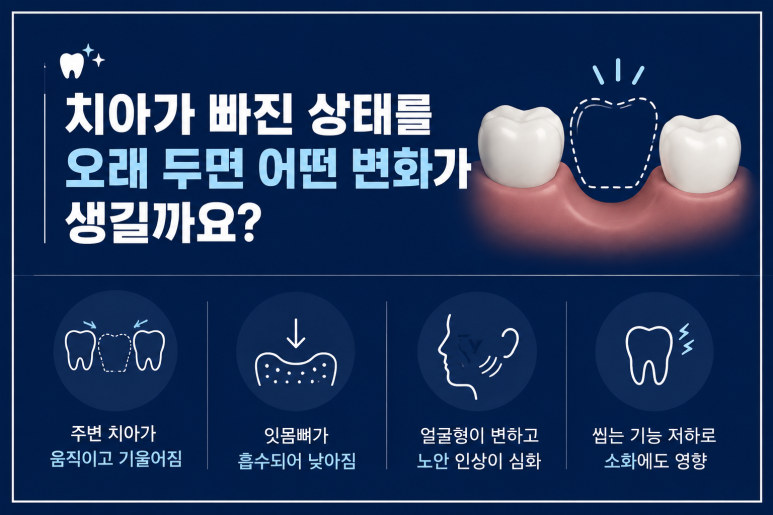
The most typical change is movement of the surrounding teeth.
Teeth may look fixed, but in reality they can move little by little even with small forces. So if the empty space is maintained for a long time, the surrounding teeth may gradually shift and the alignment may become disrupted.
In particular, people often start to feel that food gets stuck frequently or that brushing becomes more difficult. When tooth alignment changes, maintenance becomes harder, and the risk of cavities and gum disease can increase in the process.
Another important point is changes in the jawbone.
The area where the tooth is missing is no longer used, and the jawbone there may gradually decrease. The place where the tooth originally was is maintained by stimulation through chewing force, but if the tooth is missing for a long time, the bone can slowly be resorbed.
The problem is that when the bone shrinks like this, the implant procedure may become more complicated later on. In some cases, bone grafting may be needed, and the treatment period may become longer.
That is why an implant is not just about filling the missing tooth; it can be seen as a process of restoring function before the surrounding structures collapse further.
Is an implant the only option?
When a tooth is missing, implant treatment is not the only possible option.
Depending on the condition, a bridge or denture may also be considered.
A bridge connects neighboring teeth and can be a relatively quick treatment in some cases. However, it may require removing healthy adjacent teeth, which can be a burden.
Dentures may be considered when several teeth are missing, but some people experience discomfort in terms of fit or chewing strength.
By contrast, an implant is placed independently in the missing area, which has the advantage of reducing damage to surrounding teeth. It may also help restore chewing function in a form similar to natural teeth, which is why it has become one of the most commonly chosen treatments today.
Of course, it cannot be said that implants are always the right answer in every case. It is important to consider the current gum condition, the condition of nearby teeth, overall health, and lifestyle habits together when deciding the proper direction.
 Why implant treatment can feel burdensome
Among those considering implants, many feel burdened not by the treatment itself but by the word “surgery.” Concerns about pain, the treatment period, and cost often make it difficult to decide easily.
However, with recent advances, treatment plans are often developed while checking the current gum and bone condition in greater detail through precise diagnostic equipment. In addition, treatment is adjusted according to each person’s condition, so compared with the past, the approach is increasingly being made in a more stable direction.
What matters most is not moving forward as quickly as possible, but accurately confirming the current condition. In particular, the longer the missing tooth has been left untreated, the more likely it is that changes in the gum condition have also occurred. Rather than simply saying, “I’ll do it later,” it may be helpful to first check the current state.
And many people say after getting an implant, “I should have done it earlier than I thought.” That is because discomfort tends to get used to gradually, while actual functional problems have often been accumulating all along.
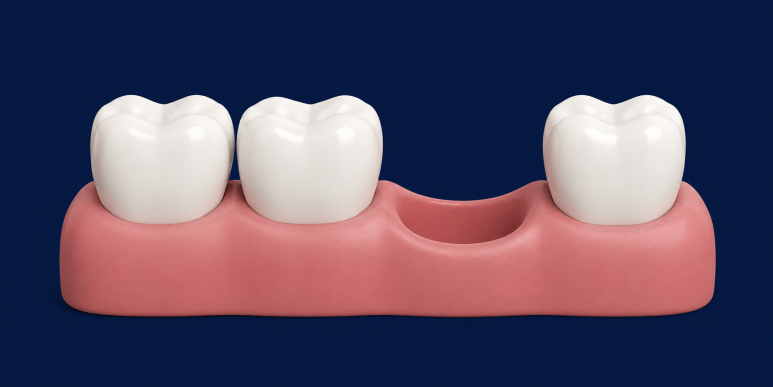
Why a gap from even one tooth matters more than you might think
Each of our teeth has its own role, but at the same time they function in connection with one another.
So if one is missing for a long time, it often does not end with simply “one tooth being gone.”
Changes in chewing habits, in particular, can appear faster than expected.
If you chew on only one side, force becomes concentrated on certain teeth, and in the long term this may lead to strain on the jaw joint or tooth wear.
Also, if a front tooth is missing, stress about appearance can increase. People may become more conscious when smiling or speaking, which can naturally affect their confidence.
In the end, an implant is not just a treatment that fills in the shape of a tooth; it can be seen as a process for restoring chewing function, oral balance, and comfort in daily life.
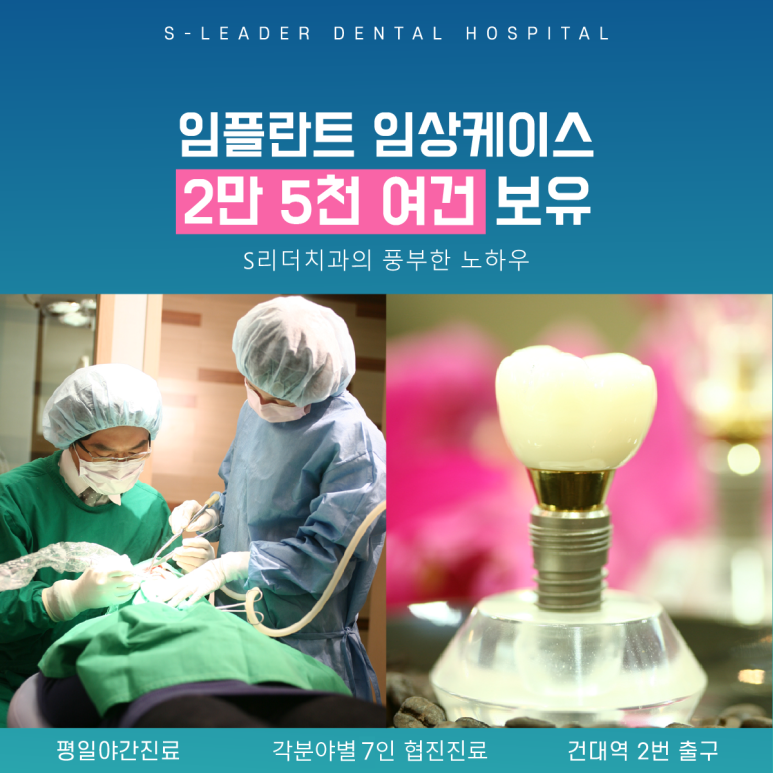
Seoul implant-dental clinic known for doing implants well, S Leader Dental Hospital
We consider implant directions that fit each tooth condition together
An implant is not simply a treatment that fills an empty space; it is a treatment that must take into account the current oral condition and future use as well.
That is why, rather than proceeding as quickly as possible, the process of carefully checking the current condition and planning the appropriate direction is important.
At S Leader Dental Hospital, a Seoul implant-dental clinic known for doing implants well, we check patients’ gum condition, alveolar bone condition, and the balance of surrounding teeth together before guiding them toward a more stable implant treatment direction.
In particular, the treatment process needed may differ depending on how long the tooth has been missing and the current oral condition. So it is important to consider not only the implant placement itself, but also long-term use and maintenance.
If you have been leaving a missing tooth untreated for a long time, it may be a good idea to first check what your current condition is. Before what felt like a small gap leads to bigger changes than expected, please have your current oral condition accurately checked.
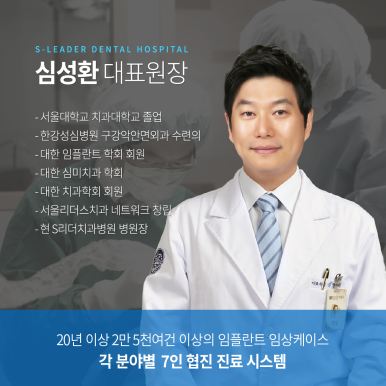


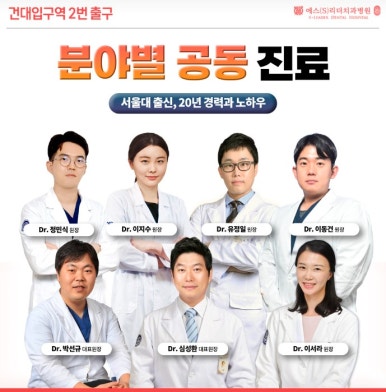
 Seoul implant-dental clinic known for doing implants well :: S Leader Dental Hospital